
Butterfly Learning Materials: Fun & Easy!

Butterfly learning materials help you explore the fascinating world of butterflies! From books and kits to online resources and garden guides, there are many ways to learn about butterfly life cycles, identification, and conservation. These resources can help you create a butterfly-friendly garden, identify different species, and teach others about these beautiful creatures.
Butterflies are more than just beautiful insects; they’re vital parts of our ecosystem. Learning about them can seem overwhelming at first, but it doesn’t have to be! With the right materials, you can easily understand their life cycle, the different species, and how to protect them. Whether you’re a student, a gardener, or simply curious, there’s a wealth of information waiting for you.
This guide will walk you through the best butterfly learning materials available. We’ll cover books, kits, online resources, and even how to create your own butterfly garden. Get ready to discover the amazing world of butterflies and become a butterfly expert!
Frequently Asked Questions About Butterfly Learning
What are some good books for learning about butterflies?
There are many excellent butterfly books for beginners. Look for field guides with clear photos and descriptions, books about butterfly gardening, and guides focused on regional species. Some popular choices include “Butterflies of North America” by Jim P. Brock and Kenn Kaufman, and “The Butterfly Gardener’s Guide” by Miriam Rothschild.
Are butterfly kits good for learning?
Yes, butterfly kits are a fantastic hands-on way to learn about the butterfly life cycle. These kits usually include caterpillars, food, and a habitat where you can watch them transform into butterflies. It’s a great educational experience for children and adults alike!
Where can I find free butterfly learning resources online?
Many websites offer free butterfly learning resources. Check out sites like the Butterfly Conservation, the Xerces Society, and the Smithsonian Institution’s website. These resources often include articles, identification guides, and educational activities.
How can I attract butterflies to my garden?
To attract butterflies to your garden, plant nectar-rich flowers that butterflies love, such as butterfly bush, milkweed, and zinnias. Also, provide host plants for caterpillars, like milkweed for Monarchs and dill for Swallowtails. Ensure a water source and avoid using pesticides.
What is the butterfly life cycle?
The butterfly life cycle consists of four stages: egg, larva (caterpillar), pupa (chrysalis), and adult butterfly. Each stage is unique and essential for the butterfly’s development. Learning about these stages helps you understand the butterfly’s needs and how to protect them.
Why is it important to learn about butterfly conservation?
Butterfly populations are declining due to habitat loss, climate change, and pesticide use. Learning about butterfly conservation helps you understand the threats they face and how you can help protect them. Simple actions like planting native flowers and avoiding pesticides can make a big difference.
How can I identify different types of butterflies?
Identifying butterflies can be fun and rewarding. Use field guides, online resources, and apps to help you. Pay attention to size, color, wing patterns, and location. With practice, you’ll become more skilled at identifying different butterfly species.
Essential Butterfly Learning Materials
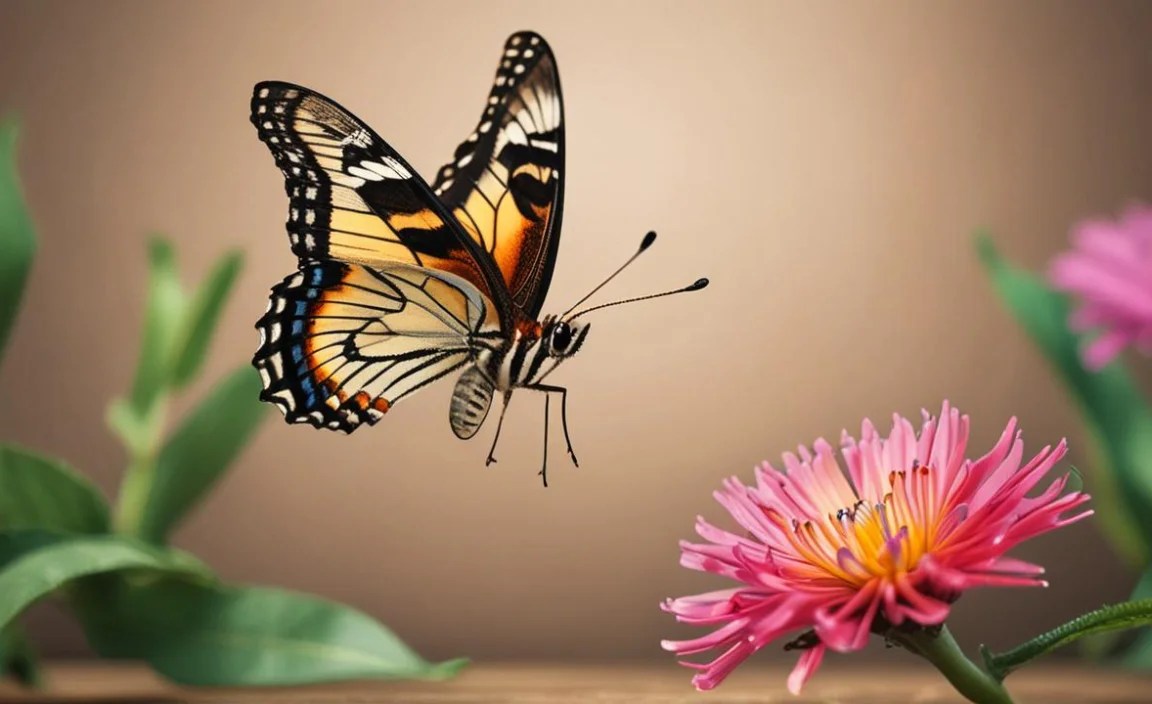
To truly dive into the world of butterflies, you’ll need the right tools. These resources can help you understand butterfly biology, identification, and conservation. Let’s explore the best learning materials available.
Books: Your Butterfly Library
Books are a treasure trove of information. They provide in-depth knowledge and beautiful illustrations to help you learn about butterflies.
Field Guides
Field guides are essential for identifying butterflies in your area. They typically include detailed descriptions, photos, and range maps.
- “Butterflies of North America” by Jim P. Brock and Kenn Kaufman: A comprehensive guide covering all North American species.
- “National Audubon Society Field Guide to North American Butterflies”: A user-friendly guide with excellent photos and descriptions.
- Regional Field Guides: Look for guides specific to your region for the most accurate information.
Butterfly Gardening Books
These books teach you how to create a garden that attracts and supports butterflies.
- “The Butterfly Gardener’s Guide” by Miriam Rothschild: A classic guide with practical advice and beautiful photos.
- “Attracting Native Pollinators” by The Xerces Society: A comprehensive guide to creating pollinator-friendly habitats.
- “Butterfly Gardening: Creating Summer Magic in Your Garden” by the Brooklyn Botanic Garden: A practical guide to creating a butterfly garden.
Educational Books for Children
Inspire the next generation of butterfly enthusiasts with these engaging books.
- “The Very Hungry Caterpillar” by Eric Carle: A classic children’s book that introduces the butterfly life cycle.
- “Waiting for Wings” by Lois Ehlert: A beautifully illustrated book about the butterfly life cycle.
- “How to Raise Monarch Butterflies” by Carol Pasternak: A practical guide for raising Monarch butterflies.
Butterfly Kits: Hands-On Learning
Butterfly kits provide a unique, hands-on learning experience. They allow you to observe the butterfly life cycle up close.
Monarch Butterfly Kits
These kits typically include Monarch caterpillars, food, and a habitat.
- Insect Lore Butterfly Growing Kit: A popular kit with everything you need to raise Monarch butterflies.
- Nature Gift Store Butterfly Kit: Another reliable option for raising Monarchs.
Painted Lady Butterfly Kits
Painted Lady butterflies are easy to raise and make a great educational project.
- Insect Lore Butterfly Growing Kit (Painted Lady): A complete kit for raising Painted Lady butterflies.
- Carolina Biological Supply Company Butterfly Kit: A high-quality kit for educational use.
Pros and Cons of Butterfly Kits
| Pros | Cons |
|---|---|
| Hands-on learning experience | Requires daily maintenance |
| Observe the butterfly life cycle up close | Caterpillars can be susceptible to disease |
| Educational and fun for all ages | Releasing butterflies in non-native areas can be harmful |
| Provides a connection to nature | Can be expensive |
Online Resources: A Digital Butterfly World
The internet offers a wealth of information about butterflies. Here are some of the best online resources.
Websites
- Butterfly Conservation: A UK-based organization dedicated to butterfly conservation.
- The Xerces Society: An organization focused on invertebrate conservation, including butterflies.
- North American Butterfly Association (NABA): A great resource for butterfly identification and conservation.
- Smithsonian Institution: Offers articles, videos, and educational resources about butterflies.
Apps
- iNaturalist: A citizen science app that helps you identify and record butterfly sightings.
- Picture Insect: An app that uses image recognition to identify butterfly species.
- Butterflies of North America: A mobile field guide for identifying butterflies.
Online Courses and Webinars
- Coursera: Offers courses on ecology and conservation, including butterfly-related topics.
- EdX: Provides online courses on environmental science and biology.
- Local Nature Centers: Many nature centers offer webinars and online workshops about butterflies.
Butterfly Garden Guides: Creating a Haven
Creating a butterfly garden is a wonderful way to learn about butterflies and support their populations.
Choosing the Right Plants
Select plants that provide nectar for adult butterflies and food for caterpillars. Native plants are often the best choice.
- Nectar Plants: Butterfly bush, zinnias, coneflowers, salvia, and lantana.
- Host Plants: Milkweed (for Monarchs), dill and parsley (for Swallowtails), and violets (for Fritillaries).
Creating a Butterfly-Friendly Environment
Provide a water source, shelter from the wind, and avoid using pesticides.
- Water Source: A shallow dish of water with pebbles for butterflies to land on.
- Shelter: Plant shrubs and trees to provide shelter from wind and predators.
- Avoid Pesticides: Use natural pest control methods to protect butterflies and caterpillars.
Designing Your Butterfly Garden
Plan your garden to provide continuous blooms throughout the butterfly season. Group plants with similar needs together.
- Assess Your Space: Determine the amount of sunlight, soil type, and available space.
- Choose Your Plants: Select a variety of nectar and host plants that thrive in your area.
- Design Your Garden: Arrange plants to create a visually appealing and functional habitat.
- Plant Your Garden: Follow proper planting techniques to ensure your plants thrive.
- Maintain Your Garden: Water, weed, and prune as needed to keep your garden healthy.
Educational Activities: Butterfly Learning in Action
Engage in fun and educational activities to deepen your understanding of butterflies.
Butterfly Observation
Spend time observing butterflies in their natural habitat. Record your observations in a notebook or journal.
- Visit Butterfly Gardens: Many botanical gardens and nature centers have butterfly gardens.
- Go on Butterfly Walks: Join a guided butterfly walk to learn from experts.
- Observe Butterflies in Your Garden: Spend time watching butterflies in your own backyard.
Butterfly Photography
Capture the beauty of butterflies through photography. This can help you learn to identify different species and appreciate their unique features.
- Use a Macro Lens: A macro lens allows you to capture close-up details of butterflies.
- Photograph Butterflies in Natural Light: Natural light enhances the colors and details of butterflies.
- Be Patient: Butterflies are often on the move, so patience is key to getting good photos.
Butterfly Crafts and Art Projects
Engage in creative activities to learn about butterflies.
- Butterfly Origami: Learn to fold paper butterflies.
- Butterfly Painting: Create butterfly-themed paintings.
- Butterfly Collages: Make collages using butterfly images and natural materials.
Citizen Science: Contributing to Butterfly Research
Participate in citizen science projects to help researchers track butterfly populations and learn more about their behavior.
Monarch Watch
Monarch Watch is a program that tracks Monarch butterfly migration and populations.
- Tag Monarch Butterflies: Help track Monarch migration by tagging butterflies with small adhesive tags.
- Report Monarch Sightings: Report your Monarch sightings to help researchers monitor their populations.
Butterfly Count Programs
Participate in butterfly count programs to help monitor butterfly populations in your area.
- North American Butterfly Association (NABA) Butterfly Counts: Join a local NABA butterfly count to help monitor butterfly populations.
- eButterfly: An online platform for reporting butterfly sightings and contributing to research.
Building a Butterfly Collection: A Delicate Hobby
Collecting butterflies can be a fascinating way to study and appreciate these insects, but it requires careful ethical consideration.
Ethical Considerations
Ensure that you collect butterflies responsibly and sustainably. Avoid collecting rare or endangered species.
- Collect Responsibly: Only collect common species and avoid taking too many specimens from one area.
- Obtain Permits: Check local regulations and obtain any necessary permits before collecting butterflies.
- Respect Habitats: Avoid damaging butterfly habitats during collection.
Collecting Techniques
Use proper techniques to collect and preserve butterflies humanely.
- Butterfly Net: Use a lightweight butterfly net to capture butterflies.
- Killing Jar: Use a killing jar with ethyl acetate to euthanize butterflies quickly and humanely.
- Spreading Board: Use a spreading board to display butterfly wings properly.
Preservation and Display
Preserve and display your butterfly collection in a way that protects the specimens from damage.
- Insect Pins: Use insect pins to mount butterflies on a spreading board.
- Storage Box: Store your butterfly collection in a sealed insect box to protect it from pests and humidity.
- Display Cases: Display your butterfly collection in glass cases to protect it from dust and damage.
Advanced Butterfly Learning
For those who want to take their butterfly knowledge to the next level, here are some advanced learning materials.
Scientific Journals and Publications
Stay up-to-date on the latest butterfly research by reading scientific journals and publications.
- Journal of the Lepidopterists’ Society: A leading journal for butterfly and moth research.
- Biological Conservation: A journal focused on conservation biology, including butterfly conservation.
- Ecology: A journal that publishes research on ecological topics, including butterfly ecology.
University Courses and Programs
Enroll in university courses and programs to study butterfly biology and conservation in depth.
- Entomology Courses: Study insects, including butterflies, at the university level.
- Ecology and Conservation Programs: Focus on the study and conservation of ecosystems, including butterfly habitats.
Butterfly Conferences and Workshops
Attend butterfly conferences and workshops to network with experts and learn about the latest research and conservation efforts.
- International Congress of Entomology: A major international conference for entomologists.
- Entomological Society of America (ESA) Annual Meeting: A national conference for entomologists in the United States.
- Local Butterfly Workshops: Attend workshops offered by nature centers and conservation organizations.
Table of Butterfly Learning Materials
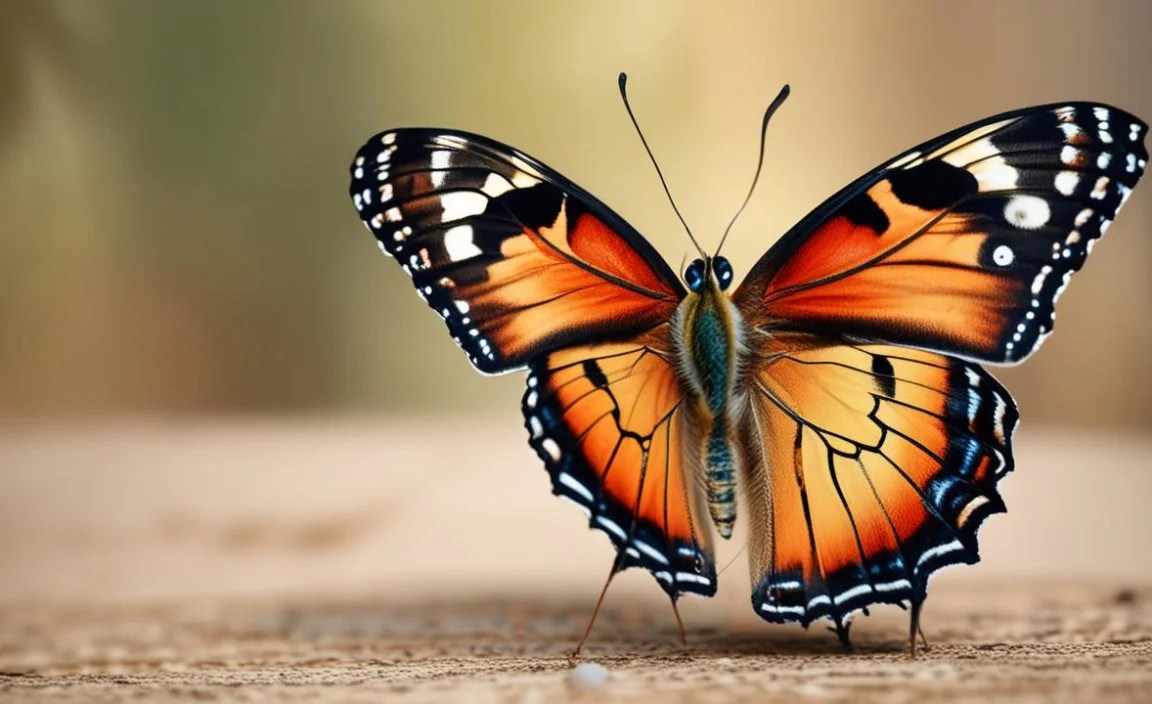
Here is a summary table of all the butterfly learning materials discussed:
| Type of Material | Examples | Benefits | Where to Find |
|---|---|---|---|
| Books | Field guides, gardening books, educational books | In-depth knowledge, beautiful illustrations | Bookstores, libraries, online retailers |
| Butterfly Kits | Monarch kits, Painted Lady kits | Hands-on learning, observe life cycle | Online retailers, educational supply stores |
| Online Resources | Websites, apps, online courses | Free information, interactive tools | Internet |
| Garden Guides | Plant selection, creating habitats | Attract butterflies, support populations | Gardening books, websites, local nurseries |
| Educational Activities | Observation, photography, crafts | Engaging learning, creative expression | Nature centers, gardens, schools |
| Citizen Science | Monarch Watch, butterfly counts | Contribute to research, monitor populations | Conservation organizations, online platforms |
| Butterfly Collection | Collecting, preserving, displaying | Study and appreciate butterflies, ethical considerations | Entomological supply stores, museums |
| Advanced Learning | Journals, university courses, conferences | In-depth study, expert networking | Universities, research institutions, conferences |
Conclusion
Learning about butterflies is a rewarding journey that can deepen your appreciation for nature and inspire you to protect these delicate creatures. By using the right learning materials – from books and kits to online resources and garden guides – you can unlock the secrets of the butterfly world. Whether you’re a beginner or an advanced enthusiast, there’s always something new to discover.
So, take the first step today. Explore the resources mentioned, create a butterfly-friendly garden, and share your newfound knowledge with others. Together, we can help ensure that butterflies continue to flutter in our world for generations to come. Happy butterfly learning!


