
Glassy Tiger Butterfly: Spot This Beauty!

The Glassy Tiger butterfly (Parantica aglea) is known for its striking translucent wings, patterned with dark veins and borders. This butterfly belongs to the milkweed butterfly family and can be found across South and Southeast Asia. Its unique appearance serves as a warning to predators, as it feeds on toxic milkweed plants during its caterpillar stage, making it unpalatable.
Have you ever spotted a butterfly with wings so clear they seem to disappear against the sunlight? The Glassy Tiger butterfly is a marvel of nature, famous for its see-through wings and elegant flight. But identifying one can be tricky, and understanding its life cycle and habitat is key to appreciating this beautiful creature. Don’t worry, we’ll walk you through everything you need to know to recognize and even attract these stunning butterflies to your garden.
In this guide, we will explore the Glassy Tiger’s unique characteristics, where it lives, what it eats, and how you can help protect it. Get ready to uncover the secrets of this captivating butterfly!
Identifying the Glassy Tiger Butterfly
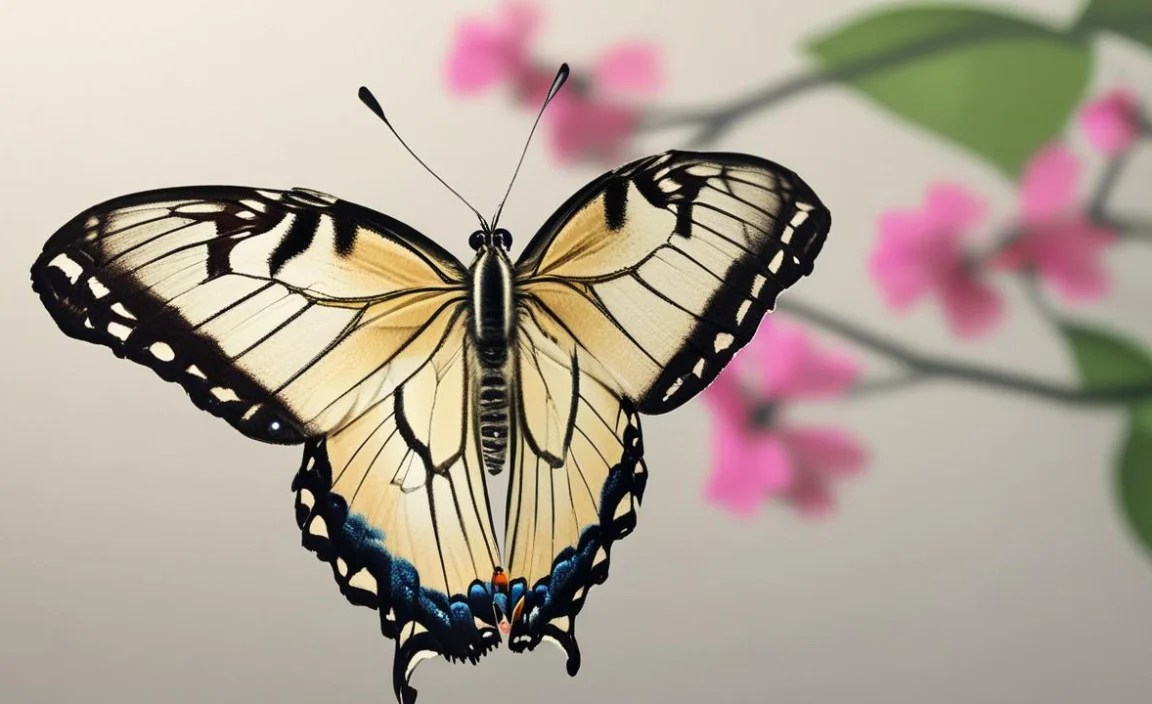
Identifying the Glassy Tiger butterfly involves looking at its distinctive wing patterns, size, and overall appearance. Here’s what to look for:
Wing Characteristics
The most defining feature of the Glassy Tiger is, of course, its wings. These wings have transparent panels contrasted by dark veins and borders. This unique structure serves multiple purposes, including camouflage and thermoregulation.
- Transparency: The central parts of the wings are translucent, allowing light to pass through.
- Veins and Borders: Prominent dark veins and borders outline the transparent areas, providing structural support and creating a striking pattern.
- Shape: The wings are generally elongated and oval, typical of many milkweed butterflies.
Size and Shape
Glassy Tiger butterflies are medium-sized, with a wingspan that typically ranges from 7 to 9 centimeters (2.7 to 3.5 inches). Their bodies are slender and dark, which complements their wing patterns.
- Wingspan: 7-9 cm (2.7-3.5 inches)
- Body: Slender and dark
- General Shape: Elongated oval wings
Color and Pattern
The color pattern of the Glassy Tiger is a combination of dark brown or black with translucent or pale blueish-white areas. The contrast between the dark veins and the clear wing panels makes it easy to identify.
- Base Color: Dark brown or black
- Translucent Areas: Pale blueish-white
- Pattern Uniqueness: Each butterfly has a slightly different vein pattern, making individuals unique.
Distinguishing Features
To ensure you are correctly identifying a Glassy Tiger, consider these distinguishing features:
- Clear Wing Patches: Look for the large, clear sections on the wings.
- Bold Veins: The dark veins are very prominent and define the wing structure.
- Flight Pattern: They have a slow, gliding flight, typical of milkweed butterflies.
Habitat and Distribution
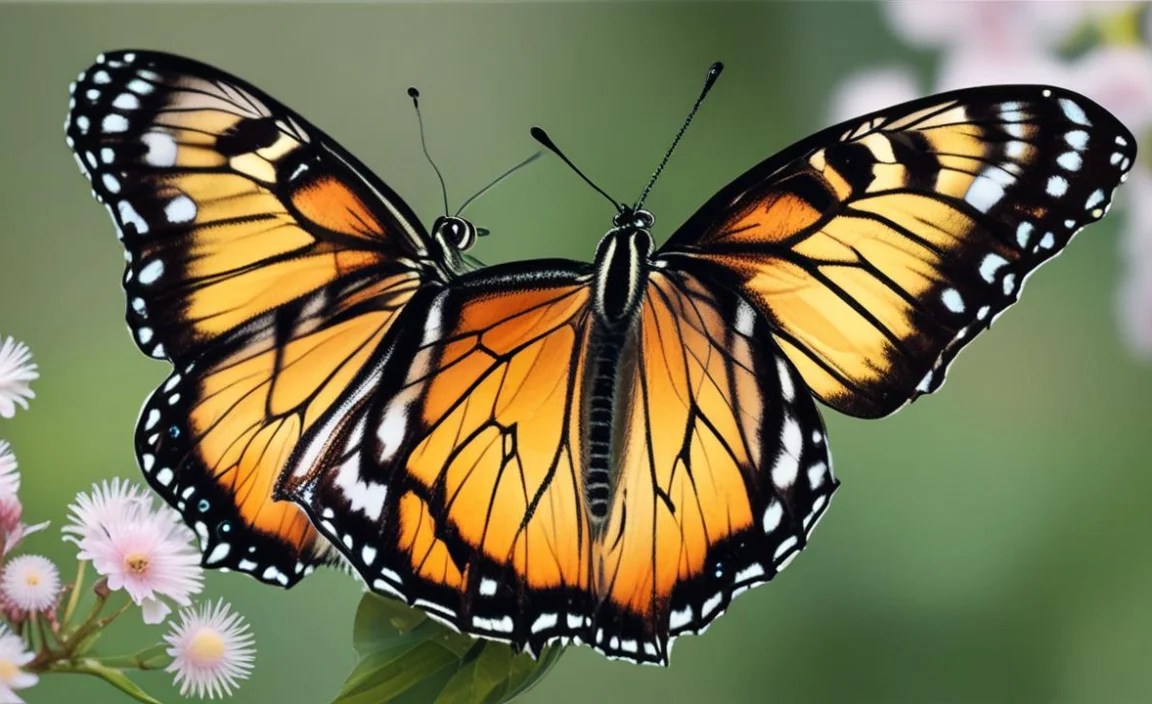
Understanding where the Glassy Tiger butterfly lives can also help with identification. They are primarily found in South and Southeast Asia, in tropical and subtropical environments. Their habitat is closely tied to the presence of their host plants, which are various species of milkweed.
Geographical Range
The Glassy Tiger butterfly is native to several countries in Asia, including:
- India
- Sri Lanka
- Myanmar
- Thailand
- Malaysia
- Indonesia
- Philippines
Preferred Habitats
These butterflies prefer habitats that offer a combination of sunlight, moisture, and the presence of milkweed plants. Common habitats include:
- Forests: Open forests and forest edges
- Gardens: Butterfly gardens and areas with cultivated milkweed
- Parks: Urban parks with suitable host plants
- Rural Areas: Agricultural areas and grasslands where milkweed grows
Ecological Factors
Several ecological factors influence the distribution of the Glassy Tiger:
- Host Plant Availability: The presence of milkweed plants is crucial for their survival.
- Climate: They thrive in warm, humid climates.
- Altitude: They are typically found at lower altitudes, but can sometimes be seen in hilly regions.
Life Cycle of the Glassy Tiger Butterfly

The life cycle of the Glassy Tiger butterfly is a fascinating process that includes four distinct stages: egg, larva (caterpillar), pupa (chrysalis), and adult. Each stage has unique characteristics and ecological roles.
Egg Stage
The life cycle begins with the egg. Female Glassy Tiger butterflies lay their eggs on the underside of milkweed leaves, which serve as the primary food source for the larvae.
- Appearance: The eggs are small, typically pale yellow or white.
- Location: Laid singly or in small clusters on milkweed leaves.
- Duration: The egg stage lasts for about 3-5 days, depending on environmental conditions.
Larva (Caterpillar) Stage
Once the eggs hatch, the larvae emerge. These caterpillars feed voraciously on milkweed leaves, growing rapidly and molting several times as they increase in size.
- Appearance: The caterpillars are brightly colored, often with black, white, and orange stripes. This coloration serves as a warning to predators, indicating that they are toxic due to the milkweed they consume.
- Feeding Habits: They feed exclusively on milkweed leaves.
- Growth and Molting: The caterpillars go through several instars (molting stages) as they grow, shedding their skin to accommodate their increasing size.
- Duration: The larval stage lasts approximately 2-3 weeks.
Pupa (Chrysalis) Stage
After the larval stage, the caterpillar transforms into a pupa, also known as a chrysalis. This is a period of significant transformation where the caterpillar’s body undergoes metamorphosis to form the adult butterfly.
- Appearance: The chrysalis is typically green or brown and hangs from a stem or leaf.
- Camouflage: The color of the chrysalis helps it blend in with its surroundings, providing protection from predators.
- Duration: The pupal stage lasts about 1-2 weeks.
Adult Stage
The final stage of the life cycle is the adult butterfly. Once the butterfly emerges from the chrysalis, it unfolds its wings and prepares for flight. The adult Glassy Tiger butterfly is characterized by its striking transparent wings with dark veins and borders.
- Appearance: The adult butterfly has transparent wings with distinct dark veins and borders.
- Feeding Habits: Adult butterflies feed on nectar from flowers, using their long proboscis to extract the sweet liquid.
- Reproduction: Adult butterflies mate and the females lay eggs, starting the life cycle anew.
- Lifespan: The adult stage can last for several weeks to a few months, depending on environmental conditions and the availability of resources.
Here’s a table summarizing the life cycle stages:
| Stage | Duration | Description |
|---|---|---|
| Egg | 3-5 days | Small, pale yellow or white, laid on milkweed leaves. |
| Larva (Caterpillar) | 2-3 weeks | Brightly colored with black, white, and orange stripes; feeds on milkweed. |
| Pupa (Chrysalis) | 1-2 weeks | Green or brown, hangs from a stem or leaf, undergoes metamorphosis. |
| Adult | Weeks to months | Transparent wings with dark veins; feeds on nectar; reproduces. |
Diet and Host Plants
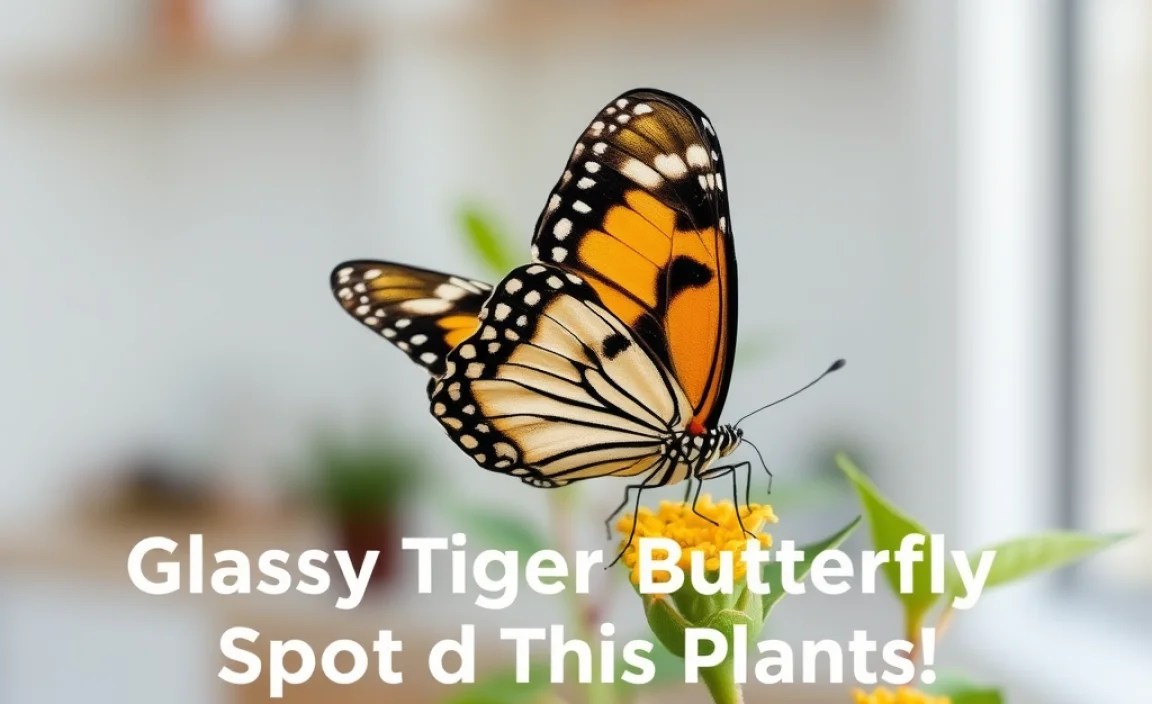
Understanding the diet and host plants of the Glassy Tiger butterfly is crucial for its conservation. Both the caterpillars and adult butterflies have specific dietary needs that are closely tied to particular plant species.
Caterpillar Diet
The caterpillars of the Glassy Tiger butterfly feed almost exclusively on milkweed plants. Milkweed contains toxic compounds called cardiac glycosides, which the caterpillars ingest and store in their bodies. This makes them unpalatable to many predators.
- Primary Food Source: Milkweed leaves
- Toxicity: Milkweed contains cardiac glycosides, making caterpillars toxic to predators.
- Host Plant Specificity: Caterpillars are highly dependent on milkweed plants for survival.
Preferred Milkweed Species
Several species of milkweed serve as host plants for the Glassy Tiger caterpillars. Some of the most common include:
- Asclepias curassavica (Tropical Milkweed): Widely cultivated and readily available.
- Asclepias syriaca (Common Milkweed): Native to North America but can be grown in other regions.
- Asclepias incarnata (Swamp Milkweed): Prefers moist habitats.
Adult Butterfly Diet
Adult Glassy Tiger butterflies feed on nectar from a variety of flowering plants. Nectar provides them with the energy they need for flight, mating, and reproduction.
- Primary Food Source: Nectar from flowers
- Nectar Preferences: They are attracted to flowers with bright colors and abundant nectar.
- Feeding Mechanism: They use their long proboscis to extract nectar from flowers.
Preferred Nectar Plants
Some of the favorite nectar plants for adult Glassy Tiger butterflies include:
- Lantana: Offers a rich source of nectar and comes in various colors.
- Pentas: Known for its star-shaped flowers and attractiveness to butterflies.
- Zinnia: Easy to grow and provides a long-lasting source of nectar.
- Salvia: Offers a variety of colors and attracts many pollinators.
Behavior and Ecology

The behavior and ecology of the Glassy Tiger butterfly are integral to understanding its role in the ecosystem. These butterflies exhibit unique behaviors related to feeding, mating, and defense, which contribute to their survival and interaction with their environment.
Flight Patterns
Glassy Tiger butterflies are known for their slow, gliding flight. This leisurely flight pattern is characteristic of many milkweed butterflies, which are protected by their toxicity.
- Gliding Flight: They conserve energy by gliding through the air.
- Visibility: Their bright colors and slow flight make them easily visible to predators, but their toxicity deters most attacks.
- Migration: While not known for long-distance migrations, they may undertake local movements in search of food and suitable breeding sites.
Feeding Behavior
Adult Glassy Tiger butterflies are active nectar feeders, visiting various flowers throughout the day to obtain the energy they need.
- Nectar Feeding: They use their proboscis to extract nectar from flowers.
- Flower Preferences: They are attracted to flowers with bright colors and abundant nectar.
- Feeding Time: They typically feed during the day, when flowers are open and nectar is readily available.
Mating Behavior
The mating behavior of the Glassy Tiger butterfly involves courtship rituals and the transfer of a spermatophore from the male to the female.
- Courtship: Males may perform aerial displays to attract females.
- Pheromones: Chemical signals play a role in mate attraction.
- Spermatophore: The male transfers a spermatophore to the female, which contains sperm and nutrients to aid in egg production.
Defense Mechanisms
The Glassy Tiger butterfly employs several defense mechanisms to protect itself from predators.
- Toxicity: As caterpillars, they ingest cardiac glycosides from milkweed, making them toxic to predators.
- Aposematism: Their bright colors and patterns serve as a warning signal to potential predators.
- Mimicry: Some butterflies mimic the appearance of the Glassy Tiger to gain protection from predators.
Conservation Status and Threats
Understanding the conservation status and the threats facing the Glassy Tiger butterfly is essential for implementing effective conservation strategies. Like many butterfly species, the Glassy Tiger faces several challenges that impact its populations.
Current Conservation Status
The Glassy Tiger butterfly is not currently listed as endangered or threatened by major conservation organizations such as the IUCN (International Union for Conservation of Nature). However, local populations may be vulnerable due to habitat loss and other factors.
Major Threats
Several factors threaten the Glassy Tiger butterfly and its habitat:
- Habitat Loss: Deforestation, urbanization, and agricultural expansion reduce the availability of suitable habitats.
- Pesticide Use: Pesticides can directly harm butterflies and their host plants.
- Climate Change: Changes in temperature and rainfall patterns can disrupt butterfly life cycles and alter the distribution of host plants.
- Loss of Host Plants: The decline in milkweed populations due to herbicide use and habitat destruction reduces the availability of food for caterpillars.
Conservation Efforts
Several conservation efforts can help protect the Glassy Tiger butterfly and its habitat:
- Habitat Preservation: Protecting and restoring natural habitats, such as forests and grasslands, is crucial.
- Host Plant Conservation: Planting milkweed in gardens and natural areas provides food for caterpillars.
- Sustainable Agriculture: Promoting agricultural practices that reduce pesticide use and protect butterfly habitats.
- Education and Awareness: Raising awareness about the importance of butterflies and their conservation needs can encourage public support for conservation efforts.
How You Can Help
Individuals can play a significant role in protecting the Glassy Tiger butterfly:
- Plant Milkweed: Grow milkweed in your garden to provide food for caterpillars.
- Avoid Pesticides: Use natural pest control methods to protect butterflies and other beneficial insects.
- Support Conservation Organizations: Donate to or volunteer with organizations that work to protect butterfly habitats.
- Educate Others: Share information about the importance of butterflies and their conservation needs with friends, family, and community members.
Attracting Glassy Tiger Butterflies to Your Garden

Creating a butterfly-friendly garden is a rewarding way to support Glassy Tiger butterflies and other pollinators. By providing the right host plants and nectar sources, you can attract these beautiful creatures to your yard and enjoy their presence.
Choosing the Right Plants
Selecting the right plants is essential for attracting Glassy Tiger butterflies. Focus on providing both host plants for caterpillars and nectar plants for adult butterflies.
- Milkweed: Plant various species of milkweed to provide food for caterpillars. Asclepias curassavica (Tropical Milkweed) is a popular choice.
- Nectar Plants: Choose a variety of nectar-rich flowers that bloom at different times of the year to provide a continuous food source for adult butterflies.
Creating a Butterfly-Friendly Environment
In addition to providing the right plants, creating a butterfly-friendly environment involves considering other factors that can impact butterfly survival.
- Sunlight: Butterflies need sunlight to warm their bodies and fly. Choose a sunny location for your butterfly garden.
- Shelter: Provide shelter from wind and rain with trees, shrubs, and tall grasses.
- Water Source: Butterflies need water to stay hydrated. Provide a shallow dish of water with pebbles or sand for them to land on.
- Avoid Pesticides: Pesticides can harm butterflies and other beneficial insects. Use natural pest control methods instead.
Maintenance Tips
Maintaining your butterfly garden will help ensure that it continues to attract Glassy Tiger butterflies and other pollinators.
- Watering: Water your plants regularly, especially during dry periods.
- Deadheading: Remove spent flowers to encourage new blooms.
- Weeding: Keep your garden free of weeds to prevent them from competing with your butterfly plants.
- Fertilizing: Fertilize your plants as needed to promote healthy growth.
Glassy Tiger Butterfly: Cultural Significance
Butterflies, including the Glassy Tiger, have held cultural significance across various societies for centuries. They often symbolize transformation, beauty, and the ephemeral nature of life.
Symbolism in Different Cultures
In many cultures, butterflies are seen as symbols of:
- Transformation and Rebirth: Representing the journey from caterpillar to butterfly as a metaphor for personal growth and change.
- Soul and Spirit: In some cultures, butterflies are believed to represent the human soul, either departing from the body or as a symbol of the afterlife.
- Beauty and Grace: Their delicate wings and vibrant colors make them symbols of beauty and grace.
Art and Literature
Butterflies frequently appear in art and literature, often used to convey themes of:
- Metamorphosis: Illustrating the transformative power of nature and life.
- Freedom: Symbolizing freedom and the ability to break free from constraints.
- Hope: Representing hope and the potential for positive change.
Spiritual Interpretations
Spiritually, butterflies are often associated with:
- Spiritual Growth: Encouraging individuals to embrace change and transformation in their own lives.
- Guidance: Serving as a reminder to trust the process of life and have faith in the future.
- Connection to Nature: Highlighting the importance of connecting with the natural world and appreciating its beauty.
Frequently Asked Questions (FAQs)
What do Glassy Tiger caterpillars eat?
Glassy Tiger caterpillars primarily eat milkweed leaves. Milkweed contains toxins that make the caterpillars unpalatable to predators, providing them with a natural defense.
Where can I find Glassy Tiger butterflies?
Glassy Tiger butterflies are native to South and Southeast Asia, including India, Sri Lanka, Thailand, and Indonesia. They prefer tropical and subtropical habitats.
How can I tell if a butterfly is a Glassy Tiger?
Look for transparent wings with dark veins and borders. The Glassy Tiger has a distinctive appearance that makes it relatively easy to identify.
Are Glassy Tiger butterflies poisonous?
Yes, Glassy Tiger caterpillars ingest toxins from milkweed plants, making them poisonous to many predators. This toxicity extends to the adult butterflies.
What is the lifespan of a Glassy Tiger butterfly?
The lifespan of a Glassy Tiger butterfly varies, but adults typically live for several weeks to a few months, depending on environmental conditions and resource availability.
How do I attract Glassy Tiger butterflies to my garden?
Plant milkweed for caterpillars and nectar-rich flowers for adult butterflies. Provide sunlight, shelter, and a water source, and avoid using pesticides.
What is the conservation status of the Glassy Tiger butterfly?
The Glassy Tiger butterfly is not currently listed as endangered, but habitat loss and pesticide use can threaten local populations. Conservation efforts are essential to protect this species.
Conclusion
The Glassy Tiger butterfly, with its striking transparent wings and fascinating life cycle, is a true marvel of the natural world. From understanding its unique characteristics and habitat to supporting its conservation through gardening and awareness, there are many ways to appreciate and protect this beautiful creature. By planting milkweed, avoiding pesticides, and educating others, we can all play a part in ensuring that the Glassy Tiger continues to grace our gardens and forests for generations to come. So, next time you spot a butterfly with see-through wings, take a moment to admire the Glassy Tiger and reflect on the beauty and fragility of nature.


