
Family of Glasswing Butterflies: See-Through Secret!

Quick Summary: The family of glasswing butterflies, scientifically known as Ithomiini, captivates with their unique transparent wings, a remarkable adaptation for camouflage. Found primarily in Central and South American rainforests, these delicate creatures feed on nectar and possess fascinating life cycles. Their transparent wings result from a special nanostructure that minimizes light reflection, making them nearly invisible to predators. Conservation efforts are crucial to protect their habitats and ensure the survival of these enchanting insects.
Have you ever imagined a butterfly with wings so clear, you could see right through them? It’s not a fantasy! The glasswing butterfly family is real, and they’re masters of disguise. These incredible insects use their transparent wings to blend seamlessly into their rainforest environment, making them nearly invisible to predators. Understanding these butterflies opens a window into the wonders of nature’s ingenuity. In this guide, we’ll explore everything about glasswing butterflies, from their unique anatomy to their crucial role in the ecosystem, and how we can help protect them. Get ready to be amazed by these little marvels!
What are Glasswing Butterflies?


Glasswing butterflies belong to the tribe Ithomiini, a large group within the nymphalid butterfly family (Nymphalidae). Their most distinctive feature is their transparent wings, which set them apart from most other butterflies with colorful, opaque wings. The transparency results from the unique nanostructures on their wings, which minimize the reflection of light. This remarkable adaptation allows them to camouflage effectively in their natural habitats, primarily the rainforests of Central and South America. These butterflies are not only beautiful but also play a vital role in their ecosystems as pollinators and indicators of environmental health.
Key Characteristics of Glasswing Butterflies
- Transparent Wings: The most defining trait, allowing for exceptional camouflage.
- Habitat: Primarily found in the rainforests of Central and South America.
- Diet: Nectar feeders as adults; caterpillars feed on specific host plants.
- Ecological Role: Pollinators and indicators of environmental health.
- Size: Wingspans typically range from 2 to 3 inches.
Anatomy and Physiology of Glasswing Butterflies


The unique transparent wings of glasswing butterflies are a marvel of natural engineering. Unlike most butterflies whose wings are covered in colorful scales that reflect light, glasswing butterflies have evolved a way to minimize light reflection, making their wings appear almost invisible. This transparency is achieved through nanostructures on the wing surface, which reduce light scattering.
The Science Behind Transparent Wings
The wings of glasswing butterflies are not entirely without structure. They have a network of veins that provide support and strength. However, the scales on their wings are significantly reduced and modified compared to other butterflies. The nanostructures on the wing surface are randomly arranged pillars, which are smaller than the wavelength of visible light. This arrangement causes light to pass through the wings instead of being reflected or scattered, resulting in transparency. Research published in the journal *Nature* has explored these nanostructures in detail, revealing the complex physics behind this natural phenomenon.
Physical Adaptations
- Nanoscale Pillars: Randomly arranged structures that minimize light reflection.
- Reduced Scales: Fewer scales compared to other butterflies, enhancing transparency.
- Wing Veins: Provide structural support while maintaining transparency.
Habitat and Distribution
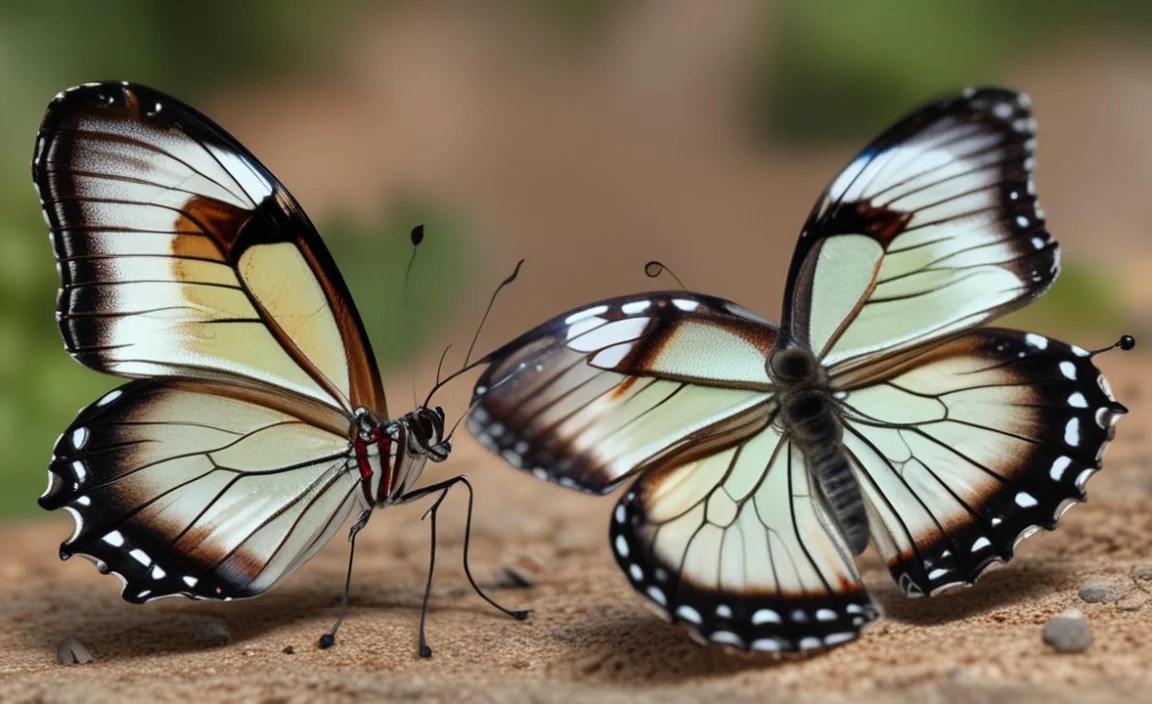

Glasswing butterflies are primarily found in the rainforests of Central and South America. Their distribution ranges from Mexico to Argentina, with significant populations in countries like Costa Rica, Panama, and Brazil. These butterflies thrive in humid, tropical environments with dense vegetation, which provides both food sources and protection from predators.
Preferred Habitats
- Rainforests: The primary habitat, offering the necessary humidity and vegetation.
- Tropical Forests: Suitable environments with diverse plant life.
- Cloud Forests: Higher altitude forests with consistent moisture.
Geographical Distribution
The following table illustrates the distribution of glasswing butterflies across different regions:
| Region | Countries | Notes |
|---|---|---|
| Central America | Mexico, Costa Rica, Panama | Common in well-preserved rainforests. |
| South America | Brazil, Colombia, Ecuador, Argentina | Diverse populations, especially in the Amazon basin. |
Life Cycle of Glasswing Butterflies


The life cycle of glasswing butterflies, like all butterflies, consists of four stages: egg, larva (caterpillar), pupa (chrysalis), and adult. Each stage is characterized by unique features and behaviors.
Egg Stage
Female glasswing butterflies lay their eggs on specific host plants, which serve as food for the developing caterpillars. The eggs are typically small and can vary in color depending on the species. They are often laid in clusters or singly on the underside of leaves to protect them from predators and harsh weather conditions.
Larva (Caterpillar) Stage
Once the eggs hatch, the larvae, or caterpillars, emerge. These caterpillars are voracious eaters, consuming large quantities of leaves to fuel their growth. Glasswing butterfly caterpillars often feed on plants in the nightshade family (Solanaceae). The caterpillars undergo several molts, shedding their skin as they grow larger. They can be brightly colored or camouflaged to avoid predation.
Pupa (Chrysalis) Stage
After reaching their full size, the caterpillars enter the pupa stage, forming a chrysalis. The chrysalis is a protective shell in which the caterpillar undergoes metamorphosis, transforming into a butterfly. The chrysalis can vary in color and shape, often blending in with the surrounding vegetation. This stage can last from a few days to several weeks, depending on the species and environmental conditions.
Adult Stage
Finally, the adult butterfly emerges from the chrysalis. The newly emerged butterfly’s wings are soft and crumpled, and it takes several hours for them to expand and harden. Once the wings are fully developed, the butterfly is ready to fly and reproduce. Adult glasswing butterflies feed on nectar from flowers, using their long proboscis to extract the sugary liquid. They play a crucial role in pollination, transferring pollen from one flower to another as they feed.
Diet and Feeding Habits
Glasswing butterflies have different dietary needs at each stage of their life cycle. Caterpillars primarily feed on the leaves of host plants, while adult butterflies feed on nectar from flowers.
Caterpillar Diet
Glasswing butterfly caterpillars are specialized feeders, often relying on plants from the nightshade family (Solanaceae). These plants contain toxins that the caterpillars can sequester, making them unpalatable to predators. Some common host plants include:
- *Cestrum* species
- *Solanum* species
Adult Butterfly Diet
Adult glasswing butterflies primarily feed on nectar from a variety of flowers. They use their long, straw-like proboscis to extract nectar from the flowers. This feeding behavior makes them important pollinators, contributing to the reproduction of many plant species. They are also attracted to rotting fruit for extra nutrients.
Predators and Defense Mechanisms
Glasswing butterflies face threats from various predators, including birds, reptiles, insects, and spiders. To survive, they have evolved several defense mechanisms, including camouflage, toxicity, and mimicry.
Camouflage
The transparent wings of glasswing butterflies are their primary defense mechanism. By blending in with their surroundings, they become less visible to predators. This camouflage is particularly effective in the dappled light of the rainforest understory.
Toxicity
As caterpillars, glasswing butterflies feed on toxic plants, sequestering the toxins in their bodies. These toxins make the butterflies unpalatable to predators. The toxins are retained through the pupal stage and into adulthood, providing ongoing protection.
Mimicry
Some glasswing butterflies also employ mimicry, resembling other toxic or unpalatable species. This Batesian mimicry involves mimicking the appearance of a harmful species to deter predators. For example, some glasswing butterflies mimic the patterns and colors of toxic moths or other butterflies.
Conservation Status and Threats
While glasswing butterflies are not currently listed as endangered, they face several threats that could impact their populations in the future. Habitat loss, pesticide use, and climate change are among the primary concerns.
Habitat Loss
Deforestation and habitat fragmentation are major threats to glasswing butterflies. The destruction of rainforests for agriculture, logging, and urbanization reduces the availability of suitable habitats and host plants. This loss of habitat can lead to population declines and reduced genetic diversity.
Pesticide Use
The use of pesticides in agriculture can also harm glasswing butterflies. Pesticides can directly kill butterflies and caterpillars or contaminate their food sources. The widespread use of pesticides in agricultural areas near rainforests poses a significant threat to butterfly populations.
Climate Change
Climate change can disrupt the delicate balance of ecosystems, impacting glasswing butterflies and their host plants. Changes in temperature and rainfall patterns can alter the timing of butterfly life cycles and affect the availability of food resources. Extreme weather events, such as droughts and floods, can also damage habitats and reduce butterfly populations.
How to Help Glasswing Butterflies
Protecting glasswing butterflies requires a multifaceted approach, including habitat conservation, sustainable practices, and public education.
Support Habitat Conservation
One of the most effective ways to help glasswing butterflies is to support organizations that work to protect rainforests and other critical habitats. These organizations often purchase land, establish protected areas, and work with local communities to promote sustainable land management practices. Supporting these efforts helps ensure that glasswing butterflies have the habitats they need to survive.
Promote Sustainable Practices
Encouraging sustainable practices in agriculture and forestry can also benefit glasswing butterflies. This includes reducing pesticide use, promoting organic farming, and supporting sustainable logging practices. By reducing the negative impacts of human activities on the environment, we can help protect butterfly populations and their habitats.
Educate Others
Raising awareness about glasswing butterflies and the threats they face is crucial for their conservation. Educating others about the importance of rainforests and the need to protect biodiversity can inspire action and support for conservation efforts. Share information about glasswing butterflies with friends, family, and colleagues, and encourage them to get involved in conservation initiatives.
Attracting Glasswing Butterflies to Your Garden
While glasswing butterflies are primarily rainforest dwellers, you can create a butterfly-friendly garden that attracts other butterfly species and supports local ecosystems. By planting native flowers and host plants, you can provide food and habitat for butterflies and other pollinators.
Plant Native Flowers
Choose native flowers that provide nectar for adult butterflies. Native plants are adapted to the local climate and soil conditions, making them easier to grow and more beneficial to wildlife. Some popular nectar plants for butterflies include milkweed, butterfly bush, and coneflowers.
Provide Host Plants
Plant host plants that caterpillars can feed on. Research which butterfly species are native to your area and plant the host plants that their caterpillars prefer. This will provide a food source for caterpillars and help support butterfly populations. If you live in the southern US, you might consider planting host plants specific to the glasswing’s tribe, Ithomiini, like *Cestrum* or *Solanum* species.
Avoid Pesticides
Avoid using pesticides in your garden, as they can harm butterflies and other beneficial insects. Opt for natural pest control methods, such as hand-picking pests, using insecticidal soap, or introducing beneficial insects like ladybugs.
Provide Water
Butterflies need water to stay hydrated. Provide a shallow dish of water with pebbles or stones for butterflies to land on while they drink. This will help attract butterflies to your garden and keep them healthy.
Glasswing Butterflies in Culture and Art
The unique appearance of glasswing butterflies has captured the imagination of artists, writers, and nature enthusiasts around the world. They often symbolize transformation, adaptation, and the delicate beauty of nature.
Symbolism
In many cultures, butterflies are symbols of transformation and rebirth. The glasswing butterfly, with its transparent wings, can also represent clarity, transparency, and the ability to see through illusions. Its delicate beauty and unique adaptation make it a powerful symbol of nature’s ingenuity.
Artistic Representations
Glasswing butterflies have been featured in numerous works of art, including paintings, sculptures, and jewelry. Their transparent wings and delicate patterns make them a popular subject for artists seeking to capture the beauty and fragility of nature. They are also often used in educational materials and nature documentaries to illustrate the wonders of the natural world.
Frequently Asked Questions
1. What makes glasswing butterflies’ wings transparent?
Glasswing butterflies have transparent wings due to nanostructures on their wing surfaces, which reduce light reflection. The random arrangement of tiny pillars, smaller than the wavelength of visible light, allows light to pass through instead of being reflected.
2. Where do glasswing butterflies live?
Glasswing butterflies primarily live in the rainforests of Central and South America, from Mexico to Argentina. They thrive in humid, tropical environments with dense vegetation.
3. What do glasswing butterflies eat?
As caterpillars, they feed on specific host plants, often from the nightshade family (Solanaceae). Adult butterflies feed on nectar from flowers.
4. Are glasswing butterflies endangered?
No, glasswing butterflies are not currently listed as endangered. However, they face threats from habitat loss, pesticide use, and climate change.
5. How can I help protect glasswing butterflies?
You can support habitat conservation, promote sustainable practices, educate others about the importance of rainforests, and create butterfly-friendly gardens with native plants.
6. What is the scientific name for the glasswing butterfly family?
The glasswing butterfly family belongs to the tribe Ithomiini, which is part of the larger nymphalid butterfly family (Nymphalidae).
7. Do glasswing butterflies mimic other species?
Yes, some glasswing butterflies employ mimicry, resembling other toxic or unpalatable species to deter predators. This is known as Batesian mimicry.
Conclusion
The family of glasswing butterflies, with their ethereal transparent wings, exemplifies the wonders of natural adaptation. Their unique characteristics, from nanoscale wing structures to specialized feeding habits, make them a fascinating subject of study and admiration. By understanding the threats they face and taking action to protect their habitats, we can ensure that these enchanting creatures continue to grace our planet for generations to come. Let’s embrace our role as stewards of the environment and work together to conserve these beautiful butterflies and the rainforests they call home.


