Butterfly Genetic Identification: The Ultimate Guide

Quick Summary:
Butterfly genetic identification uses DNA to accurately identify butterfly species, subspecies, and even individual butterflies. This involves collecting a small tissue sample, extracting DNA, and comparing it to known genetic sequences. It’s crucial for conservation, studying butterfly evolution, and even tracking migration patterns. Using genetic markers provides a precise way to distinguish butterflies, especially when visual identification is challenging.
Butterflies! Aren’t they simply enchanting? But sometimes, telling one species from another can feel like an impossible puzzle. Those subtle differences in wing patterns and colors can be deceiving, even for seasoned butterfly enthusiasts. If you’ve ever struggled to confidently identify a butterfly, you’re not alone. Many of us have been there! Fortunately, there’s a powerful tool that can help: butterfly genetic identification. This method uses DNA to unlock the secrets of butterfly identity. Let’s explore how genetic identification works and why it’s so important for understanding and protecting these delicate creatures.
Why Butterfly Genetic Identification Matters
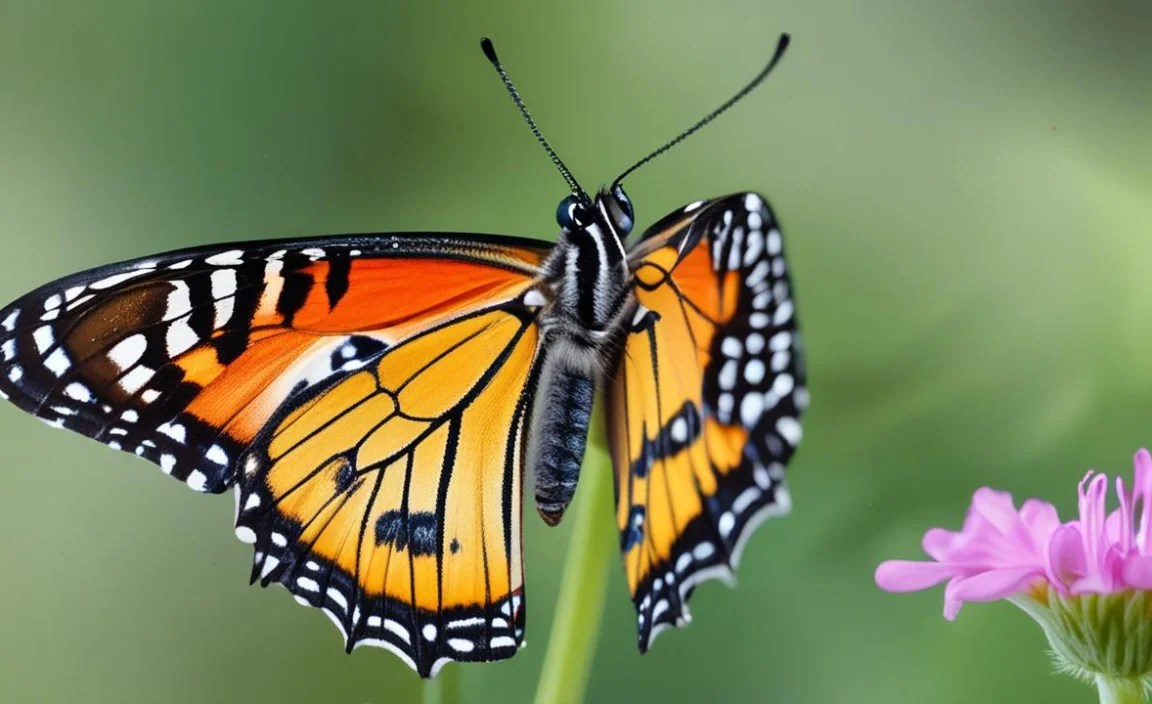
Butterfly genetic identification goes beyond simple visual comparisons. It dives into the DNA, providing a level of accuracy that traditional methods can’t match. Here’s why it’s so valuable:
- Accurate Species Identification: Distinguishes between closely related species that look nearly identical.
- Conservation Efforts: Helps track endangered species and understand their genetic diversity.
- Understanding Evolution: Provides insights into how butterflies have evolved and adapted over time.
- Tracking Migration Patterns: Allows scientists to follow butterfly populations as they move across regions.
- Resolving Taxonomic Uncertainties: Clarifies relationships between different butterfly groups.
Tools and Materials Needed for Butterfly Genetic Identification

While the actual DNA analysis happens in a lab, here’s a glimpse into the tools and materials researchers use:
- Butterfly Net: For capturing butterflies safely.
- Sterile Collection Tubes: To store tissue samples without contamination.
- Ethanol or Other Preservative: To preserve the DNA in the tissue sample.
- Lab Equipment: Including centrifuges, PCR machines, and DNA sequencers. (These are typically found in specialized laboratories.)
- Computer and Software: To analyze DNA sequences and compare them to databases.
Step-by-Step Guide to Butterfly Genetic Identification
Here’s a simplified overview of the process. Keep in mind that the actual lab work requires specialized training and equipment.
Step 1: Collecting the Butterfly Sample
The first step is to collect a small tissue sample from the butterfly. This is usually done by taking a tiny clipping from a wing. It’s crucial to do this carefully to minimize harm to the butterfly. Here’s how:
- Capture the butterfly gently: Use a butterfly net to catch the butterfly without damaging it.
- Handle with care: Gently hold the butterfly by its wings, being careful not to rub off too many scales.
- Take a small wing clipping: Use clean scissors or a hole punch to take a tiny clipping from the edge of a wing. A piece about 2-3 mm is usually sufficient.
- Release the butterfly: Immediately release the butterfly back into its habitat.
Step 2: Preserving the Sample
Proper preservation is essential to protect the DNA from degradation. Here’s how to preserve your butterfly sample:
- Place the clipping in a sterile tube: Immediately put the wing clipping into a sterile collection tube.
- Add preservative: Add 95% ethanol or another suitable preservative to cover the tissue.
- Label the tube: Clearly label the tube with the date, location, and any other relevant information.
- Store properly: Store the sample in a cool, dark place or a freezer until it can be sent to a lab for analysis.
Step 3: DNA Extraction
This step involves extracting the DNA from the tissue sample. This is typically done in a lab using specialized equipment and chemicals.
- Lyse the cells: The tissue sample is treated with chemicals to break open the cells and release the DNA.
- Purify the DNA: The DNA is then purified to remove any contaminants that could interfere with the analysis.
- Concentrate the DNA: The DNA is concentrated to increase the amount available for analysis.
Step 4: DNA Amplification (PCR)
PCR, or Polymerase Chain Reaction, is used to make many copies of a specific DNA region. This is necessary because the initial amount of DNA is often too small to analyze directly.
- Select DNA region: A specific region of DNA is selected for amplification, often a region known to vary between species.
- Set up PCR reaction: The DNA, primers (short DNA sequences that target the region of interest), and DNA polymerase (an enzyme that makes copies of DNA) are combined in a tube.
- Run PCR machine: The tube is placed in a PCR machine, which cycles through different temperatures to amplify the DNA.
- Verify amplification: The amplified DNA is checked to make sure the PCR reaction worked correctly.
Step 5: DNA Sequencing
DNA sequencing determines the exact order of nucleotides (A, T, C, and G) in the amplified DNA region.
- Prepare DNA: The amplified DNA is prepared for sequencing.
- Run sequencer: The DNA is placed in a DNA sequencer, which uses sophisticated technology to determine the nucleotide sequence.
- Obtain sequence data: The sequencer generates a file containing the DNA sequence.
Step 6: DNA Sequence Analysis
The final step is to analyze the DNA sequence and compare it to known sequences in databases. This can reveal the species of the butterfly and its relationships to other butterflies.
- Clean up sequence data: The DNA sequence data is cleaned up to remove any errors or ambiguities.
- Compare to databases: The sequence is compared to DNA sequence databases, such as GenBank, using bioinformatics software.
- Identify the butterfly: The butterfly is identified based on the best match in the database.
- Interpret results: The results are interpreted to understand the butterfly’s identity, genetic diversity, and evolutionary relationships.
Benefits and Drawbacks of Butterfly Genetic Identification

Benefits
- High Accuracy: Provides a definitive identification, even for cryptic species.
- Objective: Reduces reliance on subjective visual assessments.
- Applicable to All Life Stages: Can be used on eggs, larvae, pupae, and adults.
- Reveals Hidden Diversity: Uncovers genetic differences within and between populations.
- Supports Conservation: Informs conservation strategies by identifying and tracking endangered species.
Drawbacks
- Cost: DNA analysis can be expensive.
- Technical Expertise: Requires specialized equipment and trained personnel.
- Time-Consuming: The process can take several days or weeks.
- Database Dependence: Relies on the availability of comprehensive DNA sequence databases.
- Ethical Considerations: Requires careful handling of specimens and ethical collection practices.
Examples of Butterfly Genetic Identification in Action

Here are a few real-world examples of how butterfly genetic identification is being used:
- Identifying cryptic species: Researchers used DNA to discover that what was once thought to be a single species of butterfly was actually several distinct species.
- Tracking endangered populations: Conservationists use genetic markers to monitor the genetic health of endangered butterfly populations and identify areas where conservation efforts are most needed.
- Studying migration patterns: Scientists use DNA to track the migration routes of butterflies and understand how they are affected by climate change.
Ethical Considerations
When collecting butterfly samples for genetic identification, it’s crucial to prioritize the well-being of these delicate creatures. Here are some ethical guidelines to follow:
- Minimize harm: Handle butterflies gently and take only small tissue samples.
- Obtain necessary permits: Make sure you have the required permits for collecting butterflies in your area.
- Avoid collecting rare or endangered species: Focus on common species and avoid collecting individuals from vulnerable populations.
- Release butterflies promptly: Release butterflies back into their habitat as soon as possible after taking a sample.
- Share your data: Make your data available to other researchers to help advance our understanding of butterflies.
The Future of Butterfly Genetic Identification
As technology advances, butterfly genetic identification is becoming more accessible and affordable. Here are some exciting developments on the horizon:
- Portable DNA sequencers: These devices allow researchers to perform DNA sequencing in the field, making it easier to study butterflies in remote locations.
- Citizen science projects: These projects engage volunteers in collecting butterfly samples and submitting them for DNA analysis, expanding our knowledge of butterfly diversity and distribution.
- Improved DNA databases: As more butterfly DNA sequences are added to databases, it will become easier to identify butterflies and understand their evolutionary relationships.
Resources for Further Learning
Want to dive deeper into the world of butterfly genetics? Here are some resources to explore:
- The Xerces Society: A non-profit organization that protects wildlife through the conservation of invertebrates and their habitats.
- National Geographic: Offers articles and documentaries on butterfly biology and conservation.
- Smithsonian Institution: Provides access to butterfly collections and research.
FAQ: Butterfly Genetic Identification
What is DNA barcoding for butterflies?
DNA barcoding uses a short, standardized DNA sequence to identify butterfly species. It’s like a genetic fingerprint that helps distinguish one species from another.
How accurate is genetic identification compared to visual identification?
Genetic identification is much more accurate, especially for species that look very similar. Visual identification can be subjective and prone to errors, while genetic identification provides a definitive answer.
Can genetic identification be used on butterfly eggs or caterpillars?
Yes! Genetic identification can be used on any life stage, including eggs, caterpillars, pupae, and adults. This is particularly useful for identifying species that are difficult to distinguish in their early stages.
How does genetic identification help with butterfly conservation?
Genetic identification helps conservation efforts by accurately identifying endangered species, tracking their populations, and understanding their genetic diversity. This information is essential for developing effective conservation strategies.
Is it harmful to take a tissue sample from a butterfly for genetic testing?
When done carefully, taking a small wing clipping is generally not harmful to the butterfly. Researchers use sterile tools and handle butterflies gently to minimize any stress or injury.
Where can I get a butterfly genetically identified?
You would need to contact a university or research lab that specializes in DNA analysis. They can provide information on sample submission and testing fees.
What kind of data can be gathered from butterfly genetic identification?
From butterfly genetic identification, you can gather data about the species, genetic diversity, evolutionary relationships, population structure, migration patterns, and adaptation to different environments.
Conclusion
Butterfly genetic identification is a powerful tool that is transforming our understanding of these beautiful creatures. By using DNA to unlock the secrets of butterfly identity, we can gain valuable insights into their evolution, ecology, and conservation needs. Whether you’re a scientist, a conservationist, or simply a butterfly enthusiast, understanding the basics of genetic identification can deepen your appreciation for these fascinating insects and inspire you to help protect them for future generations. So, the next time you see a butterfly, remember that there’s more to it than meets the eye – a whole world of genetic information waiting to be discovered!