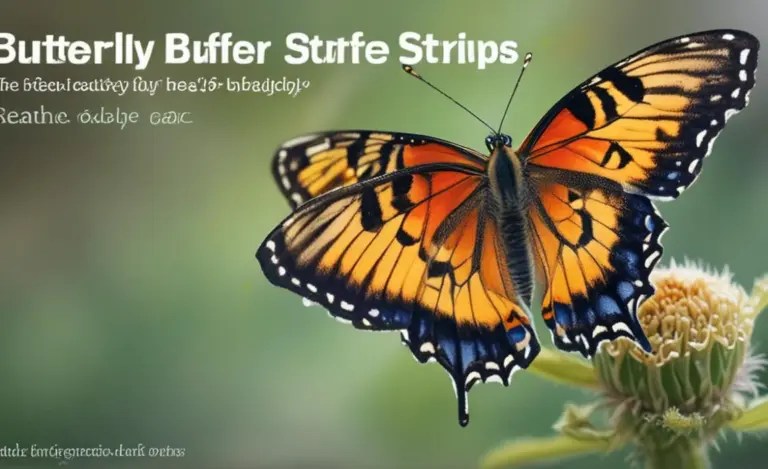
Butterfly Conservation Across Borders: Powerful Impact

Butterfly conservation across borders means working together to protect butterflies no matter where they fly. It involves different countries and groups sharing ideas and making plans to help butterflies thrive. This can include protecting their homes, planting special flowers they need, and stopping harmful things like pollution.
Have you ever wondered how butterflies manage to flutter across fields, forests, and even countries? These delicate creatures don’t see borders; they simply follow their instincts and the changing seasons. But what happens when their journeys are blocked by habitat loss, climate change, or other threats? That’s where butterfly conservation across borders comes in! It might sound complicated, but it’s really about helping these beautiful insects survive and flourish, no matter where they roam.
In this guide, we’ll explore how different countries and organizations are teaming up to protect butterflies. We’ll look at the challenges they face, the creative solutions being used, and how you can get involved in this important work. Get ready to discover the fascinating world of butterfly conservation!
Frequently Asked Questions About Butterfly Conservation
Why is butterfly conservation important?
Butterflies are important pollinators and a vital part of the food chain. They also indicate the health of our ecosystems. Protecting them helps maintain biodiversity and keeps our planet healthy.
What are the biggest threats to butterflies?
The biggest threats include habitat loss (like forests being cut down), pesticide use, climate change, and diseases. These factors can reduce butterfly populations and even cause extinction.
How can different countries work together to protect butterflies?
Countries can share information, coordinate conservation efforts, and create protected areas that span borders. They can also work together to reduce pollution and promote sustainable land use.
What is a butterfly migration corridor?
A butterfly migration corridor is a route that butterflies use to travel between breeding and overwintering areas. Protecting these corridors is crucial for their survival.
How can I help with butterfly conservation in my own backyard?
You can plant butterfly-friendly flowers, avoid using pesticides, provide a water source, and create a sheltered habitat. Even small actions can make a big difference!
What are some successful examples of butterfly conservation?
One example is the Monarch Butterfly Biosphere Reserve in Mexico, which protects the overwintering grounds of monarch butterflies. Another is the collaborative efforts to restore habitat for the Karner Blue butterfly in the United States.
What role does citizen science play in butterfly conservation?
Citizen science involves everyday people helping scientists collect data. Butterfly counts, habitat monitoring, and reporting sightings are all ways that citizen scientists contribute to conservation efforts.
Understanding Butterfly Conservation Across Borders

Butterflies, with their delicate wings and vibrant colors, are more than just pretty insects. They are vital pollinators, indicators of environmental health, and a joy to observe. However, many butterfly species are facing serious threats, and protecting them requires a collaborative effort that transcends national boundaries.
Why Butterflies Need Our Help
Butterflies play a crucial role in our ecosystems. As they flit from flower to flower, they help pollinate plants, ensuring the production of fruits, vegetables, and seeds. They also serve as a food source for birds, reptiles, and other animals. When butterfly populations decline, it can have ripple effects throughout the entire food web.
Unfortunately, butterflies are facing numerous challenges, including:
- Habitat Loss: As forests, meadows, and wetlands are converted into farmland, urban areas, and industrial sites, butterflies lose their homes and food sources.
- Pesticide Use: Insecticides and herbicides can directly kill butterflies or destroy the plants they rely on for food and shelter.
- Climate Change: Changes in temperature and rainfall patterns can disrupt butterfly life cycles, alter their migration routes, and shift the distribution of their host plants.
- Disease: Some butterfly populations are threatened by diseases, such as the protozoan parasite Ophryocystis elektroscirrha (OE) that affects monarch butterflies.
The Importance of Cross-Border Collaboration
Many butterfly species migrate across national borders, making international cooperation essential for their conservation. For example, the monarch butterfly migrates thousands of miles between Canada, the United States, and Mexico. Protecting these migratory routes requires coordinated efforts to conserve habitat, reduce pesticide use, and address climate change across multiple countries.
Strategies for Butterfly Conservation Across Borders

Conserving butterflies across borders requires a multifaceted approach that involves governments, organizations, and individuals working together. Here are some key strategies:
1. Establishing Protected Areas and Corridors
One of the most effective ways to protect butterflies is to establish protected areas that conserve critical habitats. These areas can range from small butterfly gardens to large national parks. Creating corridors, or connected areas of habitat, allows butterflies to move between protected areas and access the resources they need.
- Transboundary Protected Areas: These are protected areas that span international borders, allowing for coordinated management of shared ecosystems.
- Habitat Restoration: Restoring degraded habitats by planting native trees, shrubs, and wildflowers can provide butterflies with food, shelter, and breeding sites.
2. Promoting Sustainable Land Management Practices
Sustainable land management practices can help reduce the negative impacts of agriculture, forestry, and urban development on butterfly populations. This includes:
- Reducing Pesticide Use: Encouraging farmers to adopt integrated pest management (IPM) strategies that minimize the use of harmful pesticides.
- Conserving Native Vegetation: Protecting and restoring native vegetation along roadsides, in parks, and on private lands.
- Creating Butterfly-Friendly Gardens: Encouraging homeowners and communities to create gardens that provide nectar sources, host plants, and shelter for butterflies.
3. Monitoring Butterfly Populations and Habitats
Monitoring butterfly populations and habitats is essential for tracking their status and evaluating the effectiveness of conservation efforts. This can involve:
- Citizen Science Programs: Engaging volunteers in butterfly counts, habitat monitoring, and reporting sightings.
- Scientific Research: Conducting research to understand butterfly ecology, migration patterns, and the impacts of climate change and other threats.
- Data Sharing: Sharing data and information across borders to facilitate coordinated conservation planning and management.
4. Raising Awareness and Educating the Public
Raising awareness about the importance of butterflies and the threats they face is crucial for building public support for conservation. This can involve:
- Educational Programs: Developing educational materials and programs for schools, nature centers, and community groups.
- Public Outreach Campaigns: Conducting public outreach campaigns to promote butterfly conservation and encourage people to take action.
- Social Media: Using social media platforms to share information, photos, and videos about butterflies and conservation efforts.
5. Addressing Climate Change
Climate change is a major threat to butterflies, and addressing it requires global action. This includes:
- Reducing Greenhouse Gas Emissions: Supporting policies and initiatives that reduce greenhouse gas emissions and promote renewable energy.
- Adapting to Climate Change: Implementing strategies to help butterflies adapt to changing climate conditions, such as creating climate-resilient habitats and assisting with assisted migration (relocating butterflies to more suitable areas).
Examples of Successful Cross-Border Butterfly Conservation Initiatives

Several successful cross-border butterfly conservation initiatives demonstrate the power of international collaboration. Here are a few examples:
1. The Monarch Butterfly Biosphere Reserve (Mexico)
The Monarch Butterfly Biosphere Reserve in Mexico protects the overwintering grounds of millions of monarch butterflies that migrate from Canada and the United States. The reserve was established in 1986 and has been expanded several times since then. It is managed by the Mexican government in collaboration with local communities and international organizations. The reserve faces ongoing challenges from illegal logging, agricultural expansion, and climate change, but it remains a critical refuge for monarch butterflies.
2. The Trilateral Committee for Wildlife and Ecosystem Conservation
The Trilateral Committee for Wildlife and Ecosystem Conservation is a collaborative effort between Canada, the United States, and Mexico to conserve shared wildlife and ecosystems. The committee has worked on several butterfly conservation projects, including:
- Monarch Butterfly Conservation: Developing a North American Monarch Conservation Plan and coordinating efforts to restore habitat, reduce pesticide use, and monitor monarch populations.
- Quino Checkerspot Butterfly Conservation: Working to protect and restore habitat for the endangered Quino Checkerspot butterfly in southern California and Baja California.
3. The European Butterfly Monitoring Scheme
The European Butterfly Monitoring Scheme (eBMS) is a citizen science program that monitors butterfly populations across Europe. Volunteers conduct regular butterfly counts in designated areas, and the data is used to track population trends and assess the impacts of climate change and other threats. The eBMS is a valuable tool for monitoring butterfly populations and informing conservation efforts across Europe.
How You Can Get Involved in Butterfly Conservation Across Borders
Even if you don’t live near a national border, there are many ways you can get involved in butterfly conservation. Here are a few ideas:
1. Create a Butterfly Garden
Planting a butterfly garden is a great way to provide food and shelter for butterflies in your own backyard. Choose native plants that provide nectar for adult butterflies and host plants for caterpillars. Avoid using pesticides, and provide a water source, such as a shallow dish of water with pebbles for butterflies to land on.
2. Participate in Citizen Science Programs
Many organizations offer citizen science programs that allow you to contribute to butterfly research and conservation. You can participate in butterfly counts, monitor habitats, and report sightings of rare or endangered species. Some popular citizen science programs include:
- The North American Butterfly Association (NABA) Butterfly Count: An annual event where volunteers count butterflies in designated areas.
- Journey North: A program that tracks the migration of monarch butterflies and other species.
- iNaturalist: A platform where you can record and share your observations of butterflies and other wildlife.
3. Support Butterfly Conservation Organizations
Many organizations are working to conserve butterflies and their habitats. You can support these organizations by donating money, volunteering your time, or becoming a member. Some leading butterfly conservation organizations include:
- The Xerces Society: A non-profit organization that protects invertebrates and their habitats.
- Butterfly Conservation: A UK-based organization that works to conserve butterflies and moths.
- The North American Butterfly Association (NABA): A non-profit organization that promotes butterfly conservation, education, and recreation.
4. Educate Others About Butterfly Conservation
Share your knowledge and passion for butterflies with others. Talk to your friends, family, and neighbors about the importance of butterflies and the threats they face. Share information on social media, write letters to your elected officials, and participate in community events.
5. Advocate for Policies that Protect Butterflies
Support policies that protect butterfly habitats, reduce pesticide use, and address climate change. Contact your elected officials and let them know that you care about butterfly conservation. Vote for candidates who support environmental protection.
Tools and Resources for Butterfly Conservation
There are many tools and resources available to help you learn more about butterfly conservation and get involved in conservation efforts. Here are a few examples:
| Tool/Resource | Description | Link |
|---|---|---|
| The Xerces Society | Provides information on butterfly conservation, habitat restoration, and pesticide reduction. | https://xerces.org/ |
| Butterfly Conservation | Offers resources on butterfly identification, gardening for butterflies, and conservation projects. | https://butterfly-conservation.org/ |
| North American Butterfly Association (NABA) | Provides information on butterfly counts, butterfly gardening, and conservation advocacy. | https://www.naba.org/ |
| iNaturalist | A platform for recording and sharing observations of butterflies and other wildlife. | https://www.inaturalist.org/ |
| Journey North | A program that tracks the migration of monarch butterflies and other species. | https://journeynorth.org/ |
The Future of Butterfly Conservation Across Borders
The future of butterfly conservation depends on our collective efforts to protect these beautiful and important insects. By working together across borders, we can create a world where butterflies thrive and continue to play their vital role in our ecosystems.
Challenges and Opportunities
Butterfly conservation across borders faces several challenges, including:
- Political and Economic Barriers: Differences in environmental regulations, economic priorities, and political stability can hinder cross-border conservation efforts.
- Lack of Funding: Conservation projects often lack sufficient funding to implement effective strategies and monitor their impacts.
- Climate Change: Climate change is a rapidly accelerating threat that requires urgent action.
However, there are also many opportunities for advancing butterfly conservation across borders, including:
- Growing Public Awareness: Increasing public awareness of the importance of butterflies and the threats they face can lead to greater support for conservation efforts.
- Technological Advances: New technologies, such as GPS tracking and remote sensing, can help us better understand butterfly migration patterns and habitat use.
- International Collaboration: Strengthening international collaboration through treaties, agreements, and partnerships can facilitate coordinated conservation action.
Conclusion
Butterfly conservation across borders is a critical endeavor that requires the cooperation of individuals, organizations, and governments around the world. By protecting butterfly habitats, promoting sustainable land management practices, monitoring butterfly populations, raising awareness, and addressing climate change, we can ensure that these delicate creatures continue to grace our planet for generations to come.
Every small action counts, whether it’s planting a butterfly garden, participating in a citizen science program, or supporting a conservation organization. Let’s work together to create a world where butterflies can thrive, regardless of borders, and continue to inspire us with their beauty and resilience. As stewards of our planet, it is our shared responsibility to protect these vital creatures and the ecosystems they inhabit.