
Butterfly Predator Avoidance: Smart Survival Secrets

Quick Summary:
Butterflies avoid predators using a fascinating mix of strategies! These include camouflage to blend in, bright colors to warn predators of toxicity, mimicry to resemble dangerous species, startling displays like eyespots, and even evasive flight maneuvers. Understanding these tactics helps us appreciate the delicate balance of nature and protect these beautiful creatures.
Have you ever wondered how butterflies, with their delicate wings and seemingly fragile bodies, manage to survive in a world full of predators? It seems like everything from birds to lizards to even other insects would love to make a meal out of these colorful creatures. Yet, butterflies have evolved some truly remarkable strategies to avoid becoming someone’s lunch. These clever adaptations are a testament to the power of natural selection and the constant dance between predator and prey.
In this article, we’ll explore the fascinating world of butterfly predator avoidance. We’ll uncover the secrets behind their camouflage, their warning colors, and their surprising defensive behaviors. Get ready to be amazed by the ingenuity of these delicate creatures and learn how you can help them thrive in your own backyard!
Butterfly Predator Avoidance: A Naturalist’s Guide
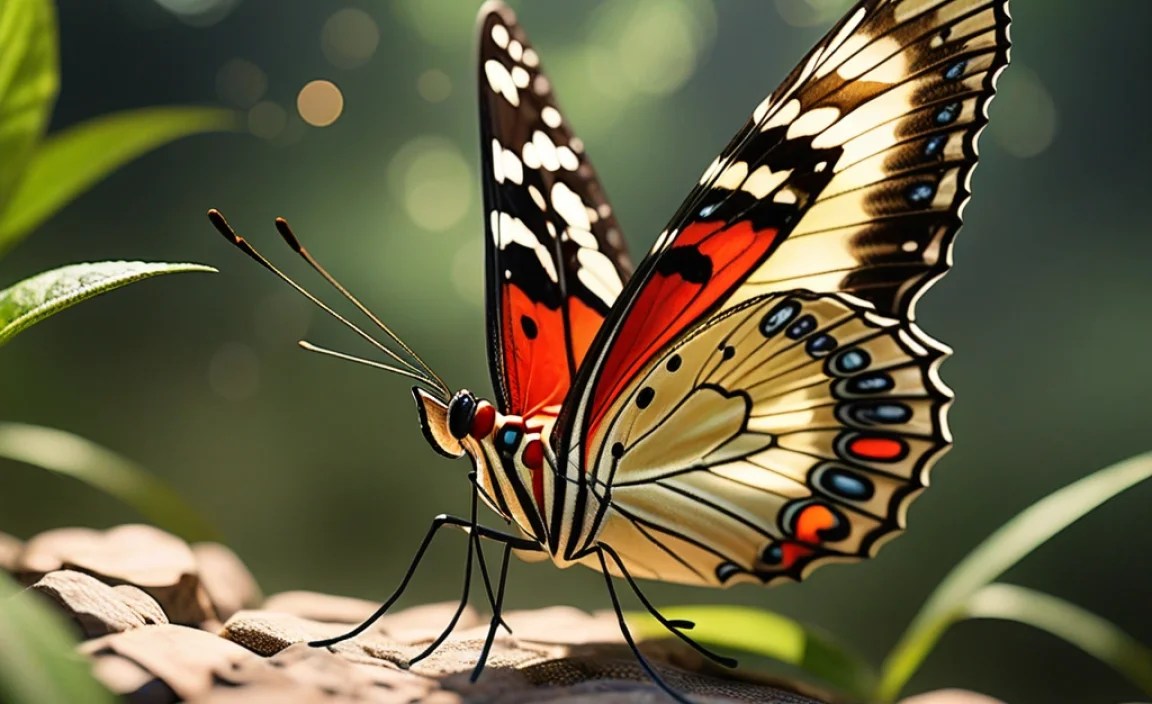
Butterflies face a constant threat from a variety of predators. Birds are perhaps the most well-known, but butterflies also have to contend with lizards, spiders, insects (like praying mantises and assassin bugs), and even small mammals. To survive, butterflies have developed an impressive arsenal of defense mechanisms. Let’s dive into some of the most common and effective strategies:
1. Camouflage: The Art of Disappearing
One of the simplest, yet most effective, strategies for avoiding predators is camouflage. Butterflies that employ camouflage blend seamlessly into their surroundings, making it difficult for predators to spot them.
- Leaf Mimicry: Some butterflies, like the Indian Leaf Butterfly (Kallima inachus), have wings that perfectly resemble dead leaves. When they land on a branch, they become virtually invisible against the foliage.
- Bark Mimicry: Other butterflies have patterns and colors that mimic the bark of trees. This allows them to blend in with the trunks and branches, making them difficult to detect.
- Color Matching: Many butterflies have colors that match the dominant vegetation in their habitat. Green butterflies are common in forests, while brown or gray butterflies are often found in grasslands.
The effectiveness of camouflage depends on the butterfly’s behavior. They must remain still and choose resting spots that complement their camouflage. Any sudden movement can give them away.
2. Aposematism: Warning Colors
Aposematism, or warning coloration, is a strategy where brightly colored butterflies advertise their toxicity to potential predators. These butterflies are often poisonous or distasteful, and their bright colors serve as a warning signal.
- Monarch Butterflies: Monarch butterflies (Danaus plexippus) are perhaps the most famous example of aposematism. They ingest toxic compounds called cardenolides from milkweed plants during their larval stage. These compounds make them distasteful and even poisonous to many predators. Their bright orange and black wings serve as a clear warning signal.
- Swallowtail Butterflies: Some swallowtail butterflies, like the Pipevine Swallowtail (Battus philenor), also use aposematism. Their larvae feed on toxic pipevine plants, making them distasteful to predators.
Predators that have had a negative experience with aposematic butterflies learn to avoid them in the future. This learned aversion protects both the individual butterfly and other butterflies with similar coloration.
3. Mimicry: Copying the Competition
Mimicry is a fascinating strategy where one species evolves to resemble another. In the context of butterfly predator avoidance, there are two main types of mimicry:
- Batesian Mimicry: In Batesian mimicry, a palatable (non-toxic) species mimics a toxic or distasteful species. The mimic benefits from the predator’s learned aversion to the model species. For example, the Viceroy butterfly (Limenitis archippus) mimics the Monarch butterfly. While the Viceroy is not toxic, it benefits from the Monarch’s reputation.
- Müllerian Mimicry: In Müllerian mimicry, two or more toxic or distasteful species resemble each other. This benefits all species involved, as predators learn to avoid the shared warning signal more quickly. For example, several species of heliconian butterflies share similar color patterns, reinforcing the warning signal to predators.
Mimicry is a powerful example of natural selection in action. It demonstrates how species can evolve to exploit the defenses of other species.
4. Startle Displays: The Element of Surprise
Some butterflies employ startle displays to deter predators. These displays involve suddenly revealing bright colors or patterns, often in the form of eyespots, to startle or confuse the predator, giving the butterfly a chance to escape.
- Eyespots: Eyespots are large, circular markings on the wings that resemble the eyes of a larger animal. When a predator approaches, the butterfly may suddenly flash its eyespots, startling the predator and causing it to hesitate. This hesitation can give the butterfly the opportunity to fly away. The Grayling butterfly (Hipparchia semele) is a good example of a butterfly that uses eyespots effectively.
- Sudden Color Flashes: Some butterflies have brightly colored underwings that are hidden when the butterfly is at rest. When disturbed, they suddenly flash these colors, startling the predator.
The effectiveness of startle displays depends on the predator’s behavior and the surrounding environment. They are most effective against naive predators that have not encountered the display before.
5. Evasive Flight: Mastering the Skies
Butterflies are not passive victims. They are capable of surprisingly agile and evasive flight maneuvers. They can change direction quickly, fly erratically, and even drop suddenly to the ground to avoid predators.
- Erratic Flight: Many butterflies fly in an erratic, unpredictable pattern, making it difficult for predators to track them.
- Rapid Turns: Butterflies can make rapid turns and changes in direction, allowing them to evade pursuing predators.
- Dropping to the Ground: Some butterflies will drop to the ground and feign death when threatened. This can confuse predators and give the butterfly a chance to escape.
The flight capabilities of butterflies are influenced by their wing shape, size, and musculature. Butterflies with larger wings and stronger flight muscles are generally more agile and evasive.
6. Chemical Defenses: A Toxic Touch
As mentioned earlier, some butterflies are toxic or distasteful to predators due to the chemicals they ingest during their larval stage. These chemicals can provide protection throughout the butterfly’s life cycle.
- Cardenolides: Monarch butterflies obtain cardenolides from milkweed plants. These chemicals are stored in their bodies and make them distasteful to predators.
- Pyrrolizidine Alkaloids: Some butterflies, like the Cinnabar moth (Tyria jacobaeae), obtain pyrrolizidine alkaloids from their host plants. These chemicals are also toxic and provide protection against predators.
The effectiveness of chemical defenses depends on the concentration of the toxins and the sensitivity of the predator. Some predators are more tolerant of these chemicals than others.
7. Behavioral Defenses: Beyond Physical Adaptations
In addition to physical adaptations, butterflies also employ a variety of behavioral defenses to avoid predators.
- Roosting Behavior: Some butterflies roost in groups at night, making it more difficult for predators to single them out.
- Sun Basking: Butterflies bask in the sun to raise their body temperature, which allows them to fly faster and more efficiently, making them more difficult to catch.
- Habitat Selection: Butterflies may choose to inhabit areas with dense vegetation or other features that provide cover from predators.
These behavioral defenses, combined with their physical adaptations, contribute to the overall survival of butterflies.
8. Wing Scales: A Slippery Escape
Butterfly wings are covered in tiny scales that are easily detached. When a predator grabs a butterfly’s wing, the scales come off, allowing the butterfly to escape. While the butterfly may lose some scales, it can still fly and survive.
This defense mechanism is particularly effective against spiders and other predators that rely on grabbing their prey. The slippery scales make it difficult for the predator to maintain its grip.
Examples of Butterfly Predator Avoidance Strategies in Action

Let’s take a look at some specific examples of how butterflies use these strategies in the wild:
| Butterfly Species | Primary Predator Avoidance Strategy | Description |
|---|---|---|
| Monarch Butterfly (Danaus plexippus) | Aposematism and Chemical Defense | Bright orange and black wings warn predators of their toxicity due to cardenolides ingested from milkweed. |
| Viceroy Butterfly (Limenitis archippus) | Batesian Mimicry | Mimics the Monarch butterfly to avoid predation, even though it is not toxic itself. |
| Indian Leaf Butterfly (Kallima inachus) | Camouflage | Wings perfectly resemble dead leaves, making it virtually invisible when resting on foliage. |
| Grayling Butterfly (Hipparchia semele) | Startle Display | Flashes eyespots on its wings to startle predators and create an opportunity to escape. |
| Swallowtail Butterflies (various species) | Aposematism and Mimicry | Some species are toxic due to their diet and display bright warning colors, while others mimic these toxic species. |
How You Can Help Butterflies Avoid Predators
While butterflies have evolved remarkable strategies to avoid predators, they still face many challenges in the modern world. Habitat loss, pesticide use, and climate change are all contributing to declines in butterfly populations. Here are some things you can do to help butterflies thrive:
- Plant a Butterfly Garden: Create a garden that provides food and shelter for butterflies. Include host plants for caterpillars and nectar-rich flowers for adult butterflies.
- Avoid Pesticides: Pesticides can be harmful to butterflies and other beneficial insects. Use organic gardening methods instead.
- Protect Butterfly Habitats: Support organizations that are working to protect butterfly habitats.
- Educate Others: Share your knowledge about butterflies with others and encourage them to take action to protect these beautiful creatures.
FAQ About Butterfly Predator Avoidance
1. What are the main predators of butterflies?
The main predators of butterflies include birds, lizards, spiders, insects (like praying mantises and assassin bugs), and small mammals.
2. How does camouflage help butterflies avoid predators?
Camouflage allows butterflies to blend seamlessly into their surroundings, making it difficult for predators to spot them. They may mimic leaves, bark, or other elements of their environment.
3. What is aposematism, and how does it work?
Aposematism is when brightly colored butterflies advertise their toxicity to potential predators. The bright colors serve as a warning signal, and predators learn to avoid these butterflies after a negative experience.
4. What is the difference between Batesian and Müllerian mimicry?
In Batesian mimicry, a palatable species mimics a toxic species. In Müllerian mimicry, two or more toxic species resemble each other, reinforcing the warning signal to predators.
5. How do eyespots help butterflies avoid predators?
Eyespots are large, circular markings on the wings that resemble the eyes of a larger animal. When a predator approaches, the butterfly may suddenly flash its eyespots, startling the predator and giving it a chance to escape.
6. Are all brightly colored butterflies poisonous?
No, not all brightly colored butterflies are poisonous. Some use Batesian mimicry to resemble poisonous species and avoid predation.
7. What can I do to help butterflies in my backyard?
You can plant a butterfly garden with host plants for caterpillars and nectar-rich flowers for adult butterflies, avoid using pesticides, and provide a water source.
Conclusion: Appreciating the Resilience of Butterflies
Butterflies are more than just beautiful creatures; they are a testament to the power of adaptation and resilience. Their diverse strategies for avoiding predators are a fascinating example of natural selection in action. By understanding these strategies, we can gain a deeper appreciation for the delicate balance of nature and the importance of protecting these incredible insects.
As you observe butterflies in your garden or in the wild, take a moment to consider the challenges they face and the remarkable adaptations they have evolved to overcome them. By supporting butterfly conservation efforts, we can help ensure that these beautiful creatures continue to grace our world for generations to come. Let’s work together to create a world where butterflies can thrive, free from the constant threat of predation and habitat loss. Every small action, from planting a butterfly garden to educating others, can make a difference.


