
Asian Butterfly Guidebook: Your Easy ID Guide

Have you ever seen a butterfly? They are so pretty. They fly around in gardens. Some butterflies live in Asia. It is a big place with many types of butterflies. Do you want to learn about them? An Asian butterfly guidebook can help. It teaches you all about these amazing insects.
Key Takeaways
- An Asian butterfly guidebook helps you learn about butterflies in Asia.
- Butterflies are important for flowers and the environment.
- Different colors and patterns help us tell butterflies apart.
- You can find butterflies in gardens, forests, and even cities.
- Learning about butterflies can be a fun and exciting hobby.
Why Get an Asian Butterfly Guidebook?
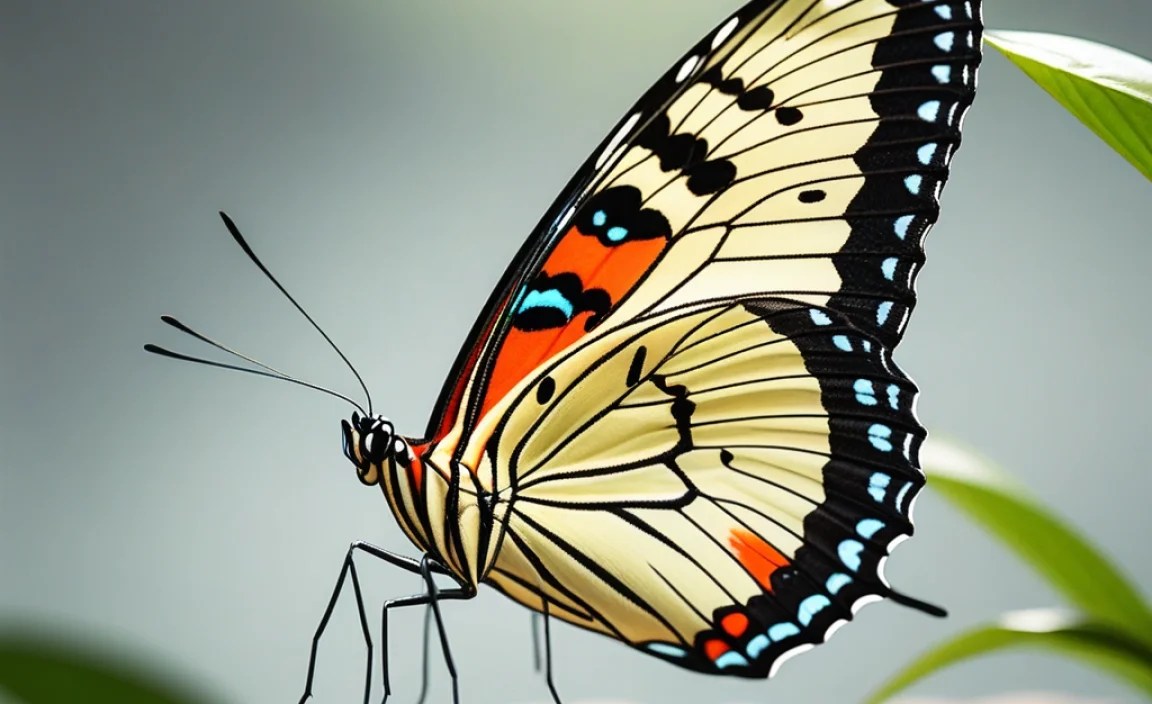
Imagine you are in a garden. You see a butterfly with bright colors. You wonder what kind it is. An Asian butterfly guidebook can tell you! These books have pictures and information. They help you know the names of butterflies. You can learn where they live. You can also learn what they eat. It is like having a butterfly expert with you. A good guidebook will show clear pictures. It will also have easy-to-read descriptions. This makes it fun to learn about butterflies. These books help everyone enjoy nature more. They teach us to care about these pretty insects. They also teach us about the world around us. So, getting a guidebook is a great idea. It opens up a whole new world of discovery.
- Guidebooks have photos of butterflies.
- They tell you the names of butterflies.
- You can learn where they live.
- They explain what butterflies eat.
- Guidebooks make learning fun.
An Asian butterfly guidebook is a helpful tool for anyone. Whether you are a kid or an adult, you can use it. It helps you understand the butterflies around you. You can take it with you on hikes. You can use it in your own backyard. The more you learn, the more you will appreciate these insects. Butterflies are important for our world. They help flowers grow. They are also part of the food chain. By learning about them, we can help protect them. A guidebook is a great way to start. It gives you the knowledge to make a difference. So, grab a guidebook and start exploring!
Fun Fact or Stat: There are over 20,000 species of butterflies in the world!
What Makes a Good Guidebook?
Have you ever picked up a book and found it hard to understand? A good guidebook should be easy to read. It should have clear pictures. The information should be simple. Look for a book with lots of photos. The photos should show the butterflies well. The descriptions should be easy to understand. They should not use big, confusing words. A good guidebook will also tell you where to find the butterflies. It might have maps or lists of places to go. The best guidebooks make learning fun. They make you want to go outside and explore. They also make you care about protecting butterflies.
How Do I Use a Guidebook?
Imagine you see a butterfly in your garden. You want to know what it is. First, look at the colors and patterns. Then, open your Asian butterfly guidebook. Look for butterflies that look similar. Read the descriptions carefully. See if the size and shape match. The guidebook might also tell you where that butterfly lives. Does it live in your area? If you are not sure, ask an adult for help. They can help you compare the butterfly to the pictures in the book. With a little practice, you will become a butterfly expert! It is like being a detective, but with butterflies.
Why Are Butterflies Important?
Butterflies are more than just pretty insects. They play a big role in nature. They help flowers make seeds. This is called pollination. When a butterfly drinks nectar, it carries pollen. The pollen helps new flowers grow. Butterflies are also food for other animals. Birds, lizards, and spiders eat butterflies. If we did not have butterflies, these animals would have less to eat. Butterflies also tell us about the health of our environment. If there are many butterflies, it means the environment is healthy. If there are few butterflies, it might mean there is a problem. So, protecting butterflies is important for everyone.
Finding Butterflies in Asia

Asia is a huge place. It has many different kinds of habitats. You can find butterflies in forests, mountains, and even cities. Some butterflies like warm, wet places. Others like cool, dry places. To find butterflies, you need to know where to look. An Asian butterfly guidebook can help you find the best spots. It will tell you what kind of plants butterflies like. It will also tell you what time of year to look for them. Remember to be patient. Butterflies can be hard to spot. Bring your guidebook, a notebook, and a pencil. Write down what you see. You can even draw pictures of the butterflies you find. It is a great way to learn and have fun.
- Asia has many different habitats.
- Butterflies live in forests and mountains.
- Some like warm places, others like cool places.
- A guidebook tells you where to look.
- Be patient when looking for butterflies.
- Write down what you see in a notebook.
When you go looking for butterflies, be careful. Do not touch them. Their wings are very delicate. If you touch them, you can hurt them. Also, be respectful of nature. Do not pick flowers or leave trash. Remember, you are a guest in their home. The more you explore, the more you will learn. You will start to see the world in a new way. You will notice things you never noticed before. Like the tiny caterpillars eating leaves. Or the way butterflies flutter from flower to flower. It is an amazing world, waiting to be discovered. So, grab your Asian butterfly guidebook and start your adventure!
Fun Fact or Stat: Some butterflies migrate thousands of miles each year!
What is the Best Time to Look?
Butterflies are most active when it is warm and sunny. The best time to look for them is in the morning. After the sun has warmed up the air. They need the sun to warm their bodies. This helps them fly. On cloudy days, butterflies are less active. They might hide under leaves or in flowers. If it is raining, they will definitely be hiding. So, check the weather before you go. A sunny day is the perfect day for butterfly hunting. Bring your Asian butterfly guidebook and get ready to explore!
Where Can I Find Butterflies?
Butterflies can be found in many different places. Gardens are a great place to start. They often have lots of flowers. Flowers provide nectar for butterflies to eat. Forests are also good places to look. Especially near streams and meadows. Parks and nature reserves are also good choices. These places are protected. This means there are often more butterflies there. Even your own backyard can be a good place to find butterflies. Plant some flowers that butterflies like. Then, wait and see who comes to visit!
What Should I Bring with Me?
When you go butterfly hunting, bring a few things with you. First, bring your Asian butterfly guidebook. This will help you identify the butterflies you see. Next, bring a notebook and pencil. You can write down what you find. You can also draw pictures of the butterflies. Bring a water bottle to stay hydrated. Wear sunscreen to protect your skin from the sun. Wear a hat to keep the sun out of your eyes. And finally, bring a camera. You can take pictures of the butterflies you see. Remember to be respectful of nature. Do not touch the butterflies or pick the flowers.
Common Asian Butterfly Species

Asia is home to many kinds of butterflies. Some are big and colorful. Others are small and plain. An Asian butterfly guidebook will show you many of them. One common butterfly is the Common Bluebottle. It has bright blue wings. Another is the Common Mormon. The females can look different from the males. This is called mimicry. There is also the Plain Tiger butterfly. It has orange and black stripes. Each butterfly has its own special features. Learning about these features helps you tell them apart. It is like learning a new language. The language of butterflies! The more you learn, the more you will appreciate their beauty. So, open your guidebook and start exploring the world of Asian butterflies.
- Common Bluebottle has blue wings.
- Common Mormon females look different.
- Plain Tiger has orange and black stripes.
- Each butterfly has special features.
- Learn to tell them apart.
Knowing the names of butterflies is fun. But it is also important for science. Scientists use butterfly names to study them. They track where they live. They study how they change over time. This helps us understand the environment. It also helps us protect butterflies. When you use your Asian butterfly guidebook, you are helping too. You are learning about these amazing insects. You are also becoming a citizen scientist. Every little bit of knowledge helps. So, keep exploring and keep learning. The world of butterflies is waiting for you.
Fun Fact or Stat: The largest butterfly in the world lives in Asia and is called the Queen Alexandra’s Birdwing!
What is Mimicry?
Have you ever seen an animal that looks like another animal? This is called mimicry. Some butterflies use mimicry to protect themselves. They look like poisonous butterflies. This tricks predators into not eating them. The Common Mormon butterfly is a good example. The females can look like different kinds of poisonous butterflies. This helps them survive. Mimicry is a clever way for butterflies to stay safe. It is like wearing a disguise. It shows how smart and adaptable they are.
What Do Butterflies Eat?
Butterflies eat nectar from flowers. Nectar is a sweet liquid. It gives them energy. They use their long tongues to drink the nectar. Some butterflies also eat other things. They might eat sap from trees. Or juice from rotting fruit. They need these things for nutrients. Caterpillars eat leaves. They eat a lot of leaves to grow big and strong. Different butterflies eat different kinds of plants. This is why it is important to have a variety of plants in your garden.
How Do Butterflies Grow?
Butterflies go through a big change in their lives. This is called metamorphosis. First, they start as eggs. The eggs are laid on leaves. Then, the eggs hatch into caterpillars. Caterpillars eat a lot and grow quickly. Next, the caterpillar turns into a pupa. The pupa is inside a chrysalis. Inside the chrysalis, the caterpillar changes into a butterfly. Finally, the butterfly comes out of the chrysalis. It flies away to find food and reproduce. It is an amazing transformation!
How to Use an Asian Butterfly Guidebook Effectively

Using an Asian butterfly guidebook is easy. But there are ways to use it even better. First, take your time. Do not rush through the book. Look at the pictures carefully. Read the descriptions slowly. Pay attention to the details. Next, practice in your backyard. Look for butterflies in your garden. Try to identify them using the guidebook. The more you practice, the better you will get. Also, join a butterfly club. You can meet other people who love butterflies. You can learn from each other. And you can go on butterfly-watching trips together. It is a great way to make friends and learn more.
- Take your time reading the guidebook.
- Look at the pictures carefully.
- Read the descriptions slowly.
- Practice in your backyard.
- Join a butterfly club.
Remember, learning about butterflies is a journey. It takes time and effort. But it is also very rewarding. The more you learn, the more you will appreciate these amazing insects. You will start to see the world in a new way. You will notice the small details. You will understand the connections between living things. An Asian butterfly guidebook is just the beginning. It is a tool that can open up a whole new world for you. So, keep exploring and keep learning. The possibilities are endless.
Fun Fact or Stat: Butterflies taste with their feet!
What If I Can’t Identify a Butterfly?
Sometimes, it can be hard to identify a butterfly. Even with a guidebook. Do not worry if you get stuck. It happens to everyone. The first thing to do is to look at the colors and patterns carefully. Compare the butterfly to the pictures in the guidebook. Pay attention to the size and shape. If you are still not sure, try taking a picture. You can show the picture to someone who knows about butterflies. They might be able to help you. Or you can post the picture online. There are many online forums where people share butterfly photos. Someone there might know what it is.
How Can I Attract Butterflies to My Garden?
If you want to see more butterflies, you can attract them to your garden. Plant flowers that butterflies like. Choose flowers that are colorful and have lots of nectar. Some good choices include butterfly bush, lavender, and zinnias. Also, provide a water source for butterflies. You can put out a shallow dish of water. Or you can create a small puddle in your garden. Avoid using pesticides. Pesticides can harm butterflies and other insects. By creating a butterfly-friendly garden, you can help these amazing creatures thrive.
Where Can I Buy an Asian Butterfly Guidebook?
You can buy an Asian butterfly guidebook at many places. Bookstores often have a section on nature guides. You can also find them online. Amazon and other online retailers sell guidebooks. Libraries also have guidebooks. You can borrow them for free. Look for a guidebook that is specific to your region. Asia is a big place. A guidebook that covers all of Asia might not be as helpful as one that focuses on your area. Read reviews before you buy a guidebook. This will help you choose a good one.
Taking Care of Butterflies and Their Habitats
Butterflies need our help. Their habitats are disappearing. We can help protect them. One way is to plant butterfly-friendly gardens. Use native plants. Avoid pesticides. Support organizations that protect butterfly habitats. Learn about the threats to butterflies. Tell others about what you learn. Even small actions can make a big difference. Protecting butterflies is important. They are part of our ecosystem. They are also beautiful. We should all do our part to help them thrive. An Asian butterfly guidebook can help you understand their needs.
- Plant butterfly-friendly gardens.
- Use native plants.
- Avoid pesticides.
- Support conservation organizations.
- Learn about threats to butterflies.
- Tell others what you learn.
Butterflies are like tiny jewels. They add beauty to our world. They are also important for the environment. We need to protect them for future generations. Imagine a world without butterflies. It would be a sad place. By learning about butterflies and taking action, we can make a difference. Every little bit helps. So, grab your Asian butterfly guidebook and start learning. Then, take action to protect these amazing creatures. Together, we can make a difference.
Fun Fact or Stat: Some butterflies can fly up to 30 miles per hour!
What Are the Biggest Threats to Butterflies?
Butterflies face many threats. Habitat loss is one of the biggest. As forests and meadows are cleared for development, butterflies lose their homes. Pesticides are also a threat. They can kill butterflies and caterpillars. Climate change is another concern. As the climate changes, butterfly habitats may become unsuitable. Pollution can also harm butterflies. It can damage their food sources and make them sick. By understanding these threats, we can take action to protect butterflies.
How Can I Create a Butterfly-Friendly Garden?
Creating a butterfly-friendly garden is easy. First, plant flowers that butterflies like. Choose a variety of colors and shapes. This will attract different kinds of butterflies. Use native plants. Native plants are adapted to your local climate. They are also more likely to attract native butterflies. Provide a water source. Butterflies need water to drink. Avoid using pesticides. Pesticides can harm butterflies and other insects. Provide shelter. Butterflies need a place to hide from predators. You can plant shrubs or trees. Or you can build a butterfly house.
What Organizations Help Protect Butterflies?
There are many organizations that help protect butterflies. The Butterfly Conservation Society works to protect butterflies and their habitats. They conduct research, educate the public, and advocate for conservation policies. The Xerces Society is another organization that focuses on invertebrate conservation. They work to protect butterflies, bees, and other important insects. You can support these organizations by donating money, volunteering your time, or becoming a member.
Different Types of Asian Butterfly Guidebooks
Not all Asian butterfly guidebooks are the same. Some are for beginners. Others are for experts. Some focus on a specific region. Others cover all of Asia. Some are small and portable. Others are large and detailed. Choose a guidebook that fits your needs. If you are just starting out, look for a book with simple descriptions and clear pictures. If you are an expert, you might want a book with more detailed information. Consider the region you are interested in. A guidebook that focuses on that region will be more helpful. Think about how you will use the guidebook. If you plan to take it with you on hikes, choose a small and portable one.
| Feature | Beginner Guide | Expert Guide |
|---|---|---|
| Descriptions | Simple and easy to understand | Detailed and technical |
| Pictures | Clear and colorful | Focus on key identification marks |
| Region | May cover a smaller area | Usually covers a broader region |
| Size | Small and portable | May be large and heavy |
| Price | Generally cheaper | Can be more expensive |
No matter which guidebook you choose, remember to have fun. Learning about butterflies is a rewarding experience. It can connect you to nature and help you appreciate the beauty of the world around you. An Asian butterfly guidebook is a tool that can open up a whole new world for you. So, grab a guidebook and start exploring. The possibilities are endless.
Fun Fact or Stat: Butterflies have been around for over 50 million years!
What Features Should I Look For?
When choosing an Asian butterfly guidebook, look for certain features. Clear pictures are important. You need to be able to see the details of the butterflies. Simple descriptions are also helpful. You should be able to understand the information easily. A good guidebook will also include information about the butterfly’s habitat. This will help you know where to look for it. A map of the region is also useful. This will help you plan your butterfly-watching trips. Finally, look for a guidebook that is well-organized and easy to use.
How Much Do Guidebooks Cost?
The cost of an Asian butterfly guidebook can vary. It depends on the size, detail, and publisher. Some guidebooks are very affordable. Others can be quite expensive. You can often find good deals online. Check websites like Amazon and eBay. You can also borrow guidebooks from the library. This is a great way to try out a guidebook before you buy it. Remember, the most important thing is to choose a guidebook that meets your needs. Do not worry about spending a lot of money. A simple, affordable guidebook can be just as helpful as an expensive one.
Are There Digital Guidebooks Available?
Yes, there are digital Asian butterfly guidebooks available. These guidebooks can be accessed on your phone or tablet. They often have interactive features. You can zoom in on pictures, listen to audio recordings, and take quizzes. Digital guidebooks can be very convenient. You can carry them with you wherever you go. They also save space in your backpack. However, some people prefer to use a printed guidebook. They find it easier to browse and read. Ultimately, the choice is up to you.
Summary
An Asian butterfly guidebook is a great tool for learning about butterflies. These books help you identify different species. They also teach you about their habitats and behaviors. Asia is home to many different kinds of butterflies. A guidebook can help you explore this amazing diversity. Look for a guidebook with clear pictures and easy-to-understand descriptions. You can find guidebooks at bookstores, online, and in libraries. Remember to be patient and respectful when looking for butterflies. Do not touch them or disturb their habitats.
By learning about butterflies, you can help protect them. Plant butterfly-friendly gardens. Avoid using pesticides. Support organizations that work to conserve butterfly habitats. Every little bit helps. So, grab your Asian butterfly guidebook and start exploring the world of butterflies today.
Conclusion
Butterflies are amazing creatures. They are beautiful and important for the environment. An Asian butterfly guidebook can help you learn all about them. You can discover their names and where they live. You can also learn how to protect them. So, get a guidebook and start exploring. You will be amazed at what you discover. Happy butterfly watching!
Frequently Asked Questions
Question No 1: What is an Asian butterfly guidebook?
Answer: An Asian butterfly guidebook is a book that helps you identify butterflies in Asia. It has pictures and descriptions of different butterfly species. It also tells you where they live and what they eat. These books are helpful for anyone who wants to learn more about butterflies. They are great for kids, adults, and anyone interested in nature. You can use them in your backyard, in a park, or on a hiking trip. They make learning about butterflies fun and easy.
Question No 2: Why should I use a guidebook?
Answer: A guidebook makes it easier to identify butterflies. Without a guidebook, it can be hard to know what kind of butterfly you are seeing. A guidebook gives you the information you need. It has pictures and descriptions that help you match the butterfly to its name. It also tells you about the butterfly’s habitat and behavior. This helps you understand the butterfly better. Using a guidebook makes learning about butterflies more fun and rewarding. It also helps you appreciate the beauty of nature.
Question No 3: What should I look for in a good guidebook?
Answer: A good guidebook should have clear pictures. The pictures should show the butterflies in detail. The descriptions should be easy to understand. They should not use big, confusing words. The guidebook should also include information about the butterfly’s habitat. This will help you know where to look for it. A map of the region is also useful. This will help you plan your butterfly-watching trips. Finally, look for a guidebook that is well-organized and easy to use. Some Asian butterfly guidebooks are better than others so be selective.
Question No 4: Where can I buy an Asian butterfly guidebook?
Answer: You can buy an Asian butterfly guidebook at many places. Bookstores often have a section on nature guides. You can also find them online. Amazon and other online retailers sell guidebooks. Libraries also have guidebooks. You can borrow them for free. Look for a guidebook that is specific to your region. Asia is a big place. A guidebook that covers all of Asia might not be as helpful as one that focuses on your area. Read reviews before you buy a guidebook. This will help you choose a good one.
Question No 5: How can I attract butterflies to my garden?
Answer: If you want to see more butterflies, you can attract them to your garden. Plant flowers that butterflies like. Choose flowers that are colorful and have lots of nectar. Some good choices include butterfly bush, lavender, and zinnias. Also, provide a water source for butterflies. You can put out a shallow dish of water. Or you can create a small puddle in your garden. Avoid using pesticides. Pesticides can harm butterflies and other insects. Creating a butterfly-friendly garden will help these amazing creatures.
Question No 6: How can I help protect butterflies?
Answer: Butterflies need our help. Their habitats are disappearing. We can help protect them. One way is to plant butterfly-friendly gardens. Use native plants. Avoid pesticides. Support organizations that protect butterfly habitats. Learn about the threats to butterflies. Tell others about what you learn. Even small actions can make a big difference. Protecting butterflies is important. They are part of our ecosystem. They are also beautiful. Make sure you consult your Asian butterfly guidebook to learn more about them.


