
Great Eggfly Butterfly: Secret to Spotting Them

The Great Eggfly butterfly (Hypolimnas bolina) is a striking insect found across Asia, Australia, and the Pacific Islands. Known for the dramatic differences between males and females—males boast iridescent blue-black wings, while females mimic toxic butterflies for protection—this adaptable species thrives in varied habitats, from gardens to forests. A fast flier and a delight to observe, the Great Eggfly is a testament to nature’s artistry and survival strategies.
Have you ever been captivated by a butterfly flitting through your garden, its wings a flash of vibrant color? Perhaps you’ve wondered about the stories behind those delicate wings, the secrets of survival hidden in their patterns. Identifying butterflies can sometimes feel like a puzzle, especially when species look different depending on their sex or location.
Today, we’ll unravel the mysteries of the Great Eggfly butterfly, a master of disguise and a true marvel of the insect world. We’ll explore its unique characteristics, habitat, and fascinating life cycle. Get ready to discover how to identify this captivating creature and perhaps even attract it to your own backyard!
What is the Great Eggfly Butterfly?

The Great Eggfly butterfly, scientifically known as Hypolimnas bolina, is a fascinating species belonging to the Nymphalidae family. This butterfly is widespread across Asia, Australia, and the Pacific Islands, showcasing remarkable adaptability and survival strategies.
Distinctive Features
One of the most intriguing aspects of the Great Eggfly is its sexual dimorphism – the striking difference in appearance between males and females. Males typically have black wings adorned with iridescent blue or purple patches. These vibrant colors make them easily recognizable as they flutter through gardens and forests.
Females, on the other hand, exhibit a range of forms, often mimicking toxic butterfly species like the Common Crow (Euploea core) or the Blue Tiger (Tirumala limniace). This mimicry provides them with protection from predators, who avoid eating them due to the resemblance to unpalatable species. The female’s wings can vary in color, including shades of brown, black, and white, with patterns that closely resemble those of the butterflies they imitate.
Habitat and Distribution
The Great Eggfly is found in a wide range of habitats, from tropical rainforests to urban gardens. It thrives in areas with plenty of host plants for its larvae, such as the Crepe Myrtle (Lagerstroemia indica) and various species of Hibiscus. This adaptability allows the Great Eggfly to colonize diverse environments, making it a common sight in many regions.
Its distribution spans across several countries, including:
- India
- Sri Lanka
- Myanmar
- Thailand
- Malaysia
- Indonesia
- Philippines
- Australia
- Pacific Islands
Behavior and Life Cycle
The Great Eggfly is a relatively fast-flying butterfly, often seen darting between flowers and foliage. Males are territorial and will actively defend their chosen areas from other males. They are most active during the warmer parts of the day, seeking out nectar and mates.
The life cycle of the Great Eggfly consists of four stages: egg, larva (caterpillar), pupa (chrysalis), and adult butterfly. The female lays her eggs on the leaves of host plants. Once hatched, the caterpillars feed voraciously, growing through several instars (stages) before pupating. The pupa is typically green or brown and blends in with its surroundings. After about a week or two, the adult butterfly emerges, ready to reproduce and continue the cycle.
Identifying the Great Eggfly Butterfly: A Step-by-Step Guide
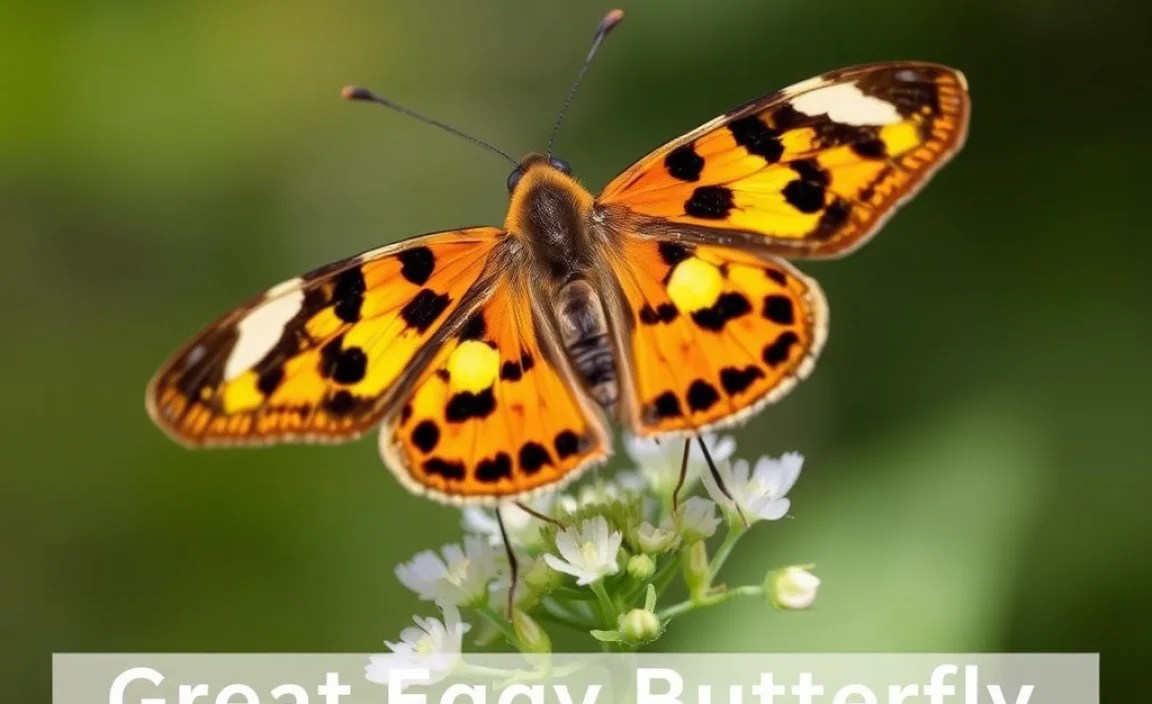
Identifying butterflies can be a rewarding experience, allowing you to appreciate the diversity and beauty of these creatures. Here’s a step-by-step guide to help you identify the Great Eggfly butterfly accurately.
Step 1: Observe the Size and Shape
Start by noting the size and shape of the butterfly. The Great Eggfly has a wingspan of approximately 8 to 10 centimeters (3 to 4 inches). Its wings are generally rounded, and the body is slender.
Step 2: Examine the Wing Color and Pattern
This is where the differences between males and females become crucial.
- Males: Look for black wings with iridescent blue or purple patches. These patches are typically located on the upper wings and are quite striking.
- Females: Note the wing color and pattern. Females can vary significantly, but they often mimic other butterfly species. Look for patterns resembling the Common Crow or Blue Tiger butterflies. Common colors include shades of brown, black, and white.
Step 3: Check the Underside of the Wings
The underside of the wings can provide additional clues. In the Great Eggfly, the underside is generally lighter in color than the upper side. It often features intricate patterns of lines and spots that help in camouflage.
Step 4: Observe the Butterfly’s Behavior
Pay attention to how the butterfly behaves. Great Eggflies are typically fast fliers and can be quite active during the day. Males are often territorial and will defend their space. Also, note the host plants they visit, as this can provide clues to their identity.
Step 5: Use Field Guides and Online Resources
When in doubt, consult field guides and online resources. Websites like the Butterflies and Moths of North America and the iNaturalist platform can be incredibly helpful. These resources provide detailed descriptions and images that can aid in identification.
Visual Identification Table
| Feature | Male Great Eggfly | Female Great Eggfly |
|---|---|---|
| Wing Color (Upper Side) | Black with iridescent blue or purple patches | Variable: Brown, black, or white; mimics other species |
| Wing Pattern (Upper Side) | Distinct blue/purple patches | Resembles Common Crow or Blue Tiger |
| Wing Color (Under Side) | Lighter than upper side | Lighter than upper side |
| Wing Pattern (Under Side) | Intricate lines and spots | Intricate lines and spots |
| Typical Behavior | Territorial, fast flier | Fast flier |
Attracting Great Eggfly Butterflies to Your Garden

Creating a butterfly-friendly garden is a wonderful way to support these beautiful creatures and enjoy their presence up close. Here are some tips on how to attract Great Eggfly butterflies to your garden.
Provide Host Plants
The most important step in attracting Great Eggflies is to provide suitable host plants for their caterpillars. Some of the preferred host plants include:
- Crepe Myrtle (Lagerstroemia indica): This flowering tree is a favorite among Great Eggflies and provides both food and shelter.
- Hibiscus species: Various Hibiscus species are also used as host plants.
- Asystasia gangetica (Chinese violet): This plant is another common host.
Plant Nectar-Rich Flowers
Adult butterflies feed on nectar, so planting nectar-rich flowers is essential. Choose a variety of flowers that bloom at different times of the year to provide a continuous food source. Some good options include:
- Lantana: These colorful flowers are highly attractive to butterflies.
- Pentas: Pentas flowers are another excellent choice, offering a steady supply of nectar.
- Zinnia: Zinnias come in a variety of colors and are easy to grow.
- Butterfly Bush (Buddleja davidii): As the name suggests, this shrub is a magnet for butterflies.
Create a Butterfly Feeding Station
In addition to planting nectar-rich flowers, you can create a butterfly feeding station. Simply place a shallow dish filled with overripe fruit, such as bananas or oranges. Butterflies will be attracted to the sweet scent and will feed on the fruit.
Provide a Water Source
Butterflies need water to stay hydrated. You can provide a shallow dish of water with pebbles or marbles for them to land on. This prevents them from drowning and allows them to drink safely.
Avoid Pesticides
Pesticides can be harmful to butterflies and other beneficial insects. Avoid using pesticides in your garden, or choose organic options that are less toxic. Encourage natural predators like ladybugs and lacewings to control pests.
Offer Shelter and Sunning Spots
Butterflies need shelter from wind and rain, as well as sunny spots to warm themselves. Plant shrubs and trees to provide shelter, and leave some open areas where butterflies can bask in the sun. Rocks and flat stones also make excellent sunning spots.
The Great Eggfly’s Role in the Ecosystem

The Great Eggfly butterfly, like all butterflies, plays a significant role in the ecosystem. Understanding its ecological importance helps us appreciate the need for conservation and habitat preservation.
Pollination
Butterflies are important pollinators, transferring pollen from one flower to another as they feed on nectar. This process is essential for the reproduction of many plant species, including some that are vital for human food production. While bees are often considered the primary pollinators, butterflies contribute significantly, especially in gardens and natural habitats where they are abundant.
Food Source
Butterflies and their caterpillars serve as a food source for various animals, including birds, lizards, and other insects. The caterpillars, in particular, are a crucial part of the food chain, providing essential nutrients for many species. Protecting butterfly populations helps ensure the survival of the animals that depend on them for food.
Indicator Species
Butterflies are often used as indicator species to assess the health of an ecosystem. Changes in butterfly populations can signal environmental problems, such as habitat loss, pollution, or climate change. Monitoring butterfly populations can provide valuable information about the overall health of the environment and help guide conservation efforts.
Aesthetic and Educational Value
Butterflies have a significant aesthetic value, bringing beauty and joy to our lives. They are also valuable educational tools, teaching us about nature, life cycles, and the importance of biodiversity. Butterfly gardens and nature reserves provide opportunities for people to connect with nature and learn about the environment.
Conservation Status and Threats
While the Great Eggfly is not currently listed as endangered, it faces several threats that could impact its populations in the future. Understanding these threats is crucial for developing effective conservation strategies.
Habitat Loss
One of the primary threats to the Great Eggfly is habitat loss. As urban areas expand and natural habitats are converted for agriculture, butterflies lose their breeding grounds and food sources. Protecting and restoring natural habitats is essential for ensuring the survival of the Great Eggfly and other butterfly species.
Pesticide Use
The widespread use of pesticides poses a significant threat to butterflies. Pesticides can directly kill butterflies and their caterpillars, as well as contaminate their food sources. Reducing pesticide use and promoting organic gardening practices can help protect butterfly populations.
Climate Change
Climate change is another growing threat to butterflies. Changes in temperature and rainfall patterns can disrupt their life cycles and alter the availability of host plants and nectar sources. Protecting and restoring habitats can help butterflies adapt to climate change, as can efforts to reduce greenhouse gas emissions.
Collection
Although less common today, over-collection can threaten local butterfly populations. Sustainable ecotourism and photography are preferable to collecting for enjoyment and education.
Fun Facts About the Great Eggfly Butterfly
To further appreciate the Great Eggfly butterfly, here are some fun and interesting facts:
- Master of Mimicry: Female Great Eggflies are known for their impressive mimicry skills, imitating toxic butterfly species to avoid predators.
- Fast Flyers: These butterflies are fast and agile fliers, making them a delight to watch in the garden.
- Wide Distribution: The Great Eggfly is found across a vast range, from Asia to Australia and the Pacific Islands, showcasing its adaptability.
- Sexual Dimorphism: The striking difference in appearance between males and females is a classic example of sexual dimorphism in the insect world.
- Host Plant Specificity: The caterpillars of the Great Eggfly are quite specific about their host plants, preferring species like Crepe Myrtle and Hibiscus.
Frequently Asked Questions (FAQ)
Here are some frequently asked questions about the Great Eggfly butterfly:
What do Great Eggfly caterpillars eat?
Great Eggfly caterpillars primarily feed on the leaves of host plants such as Crepe Myrtle (Lagerstroemia indica), Hibiscus species, and Asystasia gangetica (Chinese violet).
Are Great Eggfly butterflies poisonous?
No, Great Eggfly butterflies are not poisonous. However, the females mimic poisonous butterflies like the Common Crow to deter predators.
How long do Great Eggfly butterflies live?
The lifespan of a Great Eggfly butterfly is typically a few weeks to a couple of months, depending on environmental conditions and the availability of resources.
Where can I find Great Eggfly butterflies?
Great Eggfly butterflies can be found in a variety of habitats across Asia, Australia, and the Pacific Islands, including gardens, forests, and urban areas.
What is the difference between male and female Great Eggfly butterflies?
Male Great Eggfly butterflies have black wings with iridescent blue or purple patches, while females have variable wing patterns and colors, often mimicking toxic butterfly species.
How can I attract Great Eggfly butterflies to my garden?
You can attract Great Eggfly butterflies by planting host plants like Crepe Myrtle and Hibiscus, as well as nectar-rich flowers like Lantana and Zinnia, and providing a water source.
Are Great Eggfly butterflies endangered?
No, Great Eggfly butterflies are not currently listed as endangered, but they face threats such as habitat loss, pesticide use, and climate change.
Conclusion
The Great Eggfly butterfly is a captivating creature, showcasing the beauty and complexity of the natural world. From its striking sexual dimorphism to its crucial role in the ecosystem, this butterfly is a testament to the wonders of evolution and adaptation.
By understanding the Great Eggfly’s unique characteristics, habitat, and threats, we can take steps to protect it and create butterfly-friendly environments. Whether you’re a seasoned naturalist or a beginner gardener, there are many ways to support butterfly conservation and enjoy the presence of these beautiful creatures in your life.
So, the next time you see a butterfly flitting through your garden, take a moment to appreciate its beauty and the important role it plays in our world. By creating butterfly-friendly habitats and reducing our impact on the environment, we can help ensure that future generations will continue to marvel at the Great Eggfly and other amazing butterfly species. Happy butterfly watching!


