
Asian Transparent Wing Butterflies: See Their Secret!

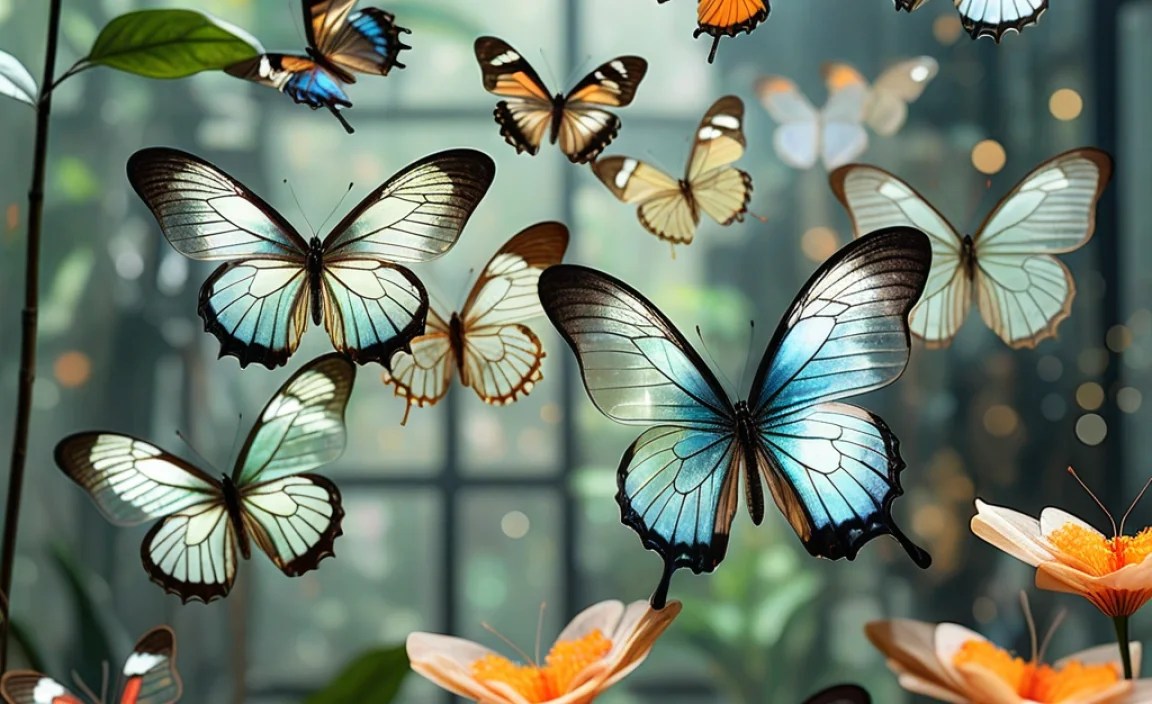
Have you ever seen a butterfly with clear wings? Some butterflies have amazing, see-through wings. These special butterflies are called Asian transparent wing butterflies. They are like tiny, flying pieces of glass.
These butterflies live in Asia. They are very delicate and beautiful. Imagine seeing one flutter by in a garden. It would be like magic!
Asian transparent wing butterflies are not like other butterflies. Their clear wings help them hide. This makes them hard to spot for birds and other animals that want to eat them. Isn’t nature amazing?
Key Takeaways
- Asian transparent wing butterflies have see-through wings to help them hide.
- These butterflies live in the forests and gardens of Asia.
- Their clear wings are fragile, so they must be careful when they fly.
- They eat nectar from flowers, just like other butterflies.
- These unique butterflies are important for their ecosystems in Asia.
Discovering Asian Transparent Wing Butterflies

Have you ever wondered how some butterflies can be almost invisible? The Asian transparent wing butterflies are masters of disguise. Their wings are mostly clear. This helps them blend into their surroundings. These butterflies are found in various parts of Asia. They live in places like rainforests and gardens. The clear parts of their wings have very few scales. Scales are the tiny, colorful pieces that cover most butterfly wings. Without many scales, light passes right through. This makes the wings look like glass. They are truly a wonder of nature and a marvel to observe in their natural habitat. Imagine a butterfly so clear you can see the leaves behind it!
- They live in Asian rainforests.
- Their wings are mostly clear.
- Light passes through their wings easily.
- They are hard to see.
- They eat nectar from flowers.
The clear wings of these butterflies are not just for show. They help the butterflies survive. Being hard to see makes it difficult for predators to find them. Birds and other insects have a tough time spotting them among the leaves and branches. This natural camouflage is a crucial adaptation. It allows them to live longer and have more babies. The Asian transparent wing butterflies are a perfect example of how animals adapt to their environment. Their delicate appearance hides a strong survival strategy. These butterflies remind us of the incredible diversity and ingenuity found in the natural world. They are a gift to the landscapes they inhabit.
Fun Fact or Stat: The glasswing butterfly’s wings can transmit up to 90% of light!
Where Do They Live?
Do you know where Asian transparent wing butterflies make their homes? These amazing insects live in the lush rainforests and gardens of Asia. Countries like Malaysia, Indonesia, and Thailand are some of their favorite places. These areas have warm, humid climates. These climates are perfect for the plants and flowers the butterflies need. The butterflies flutter among the trees and bushes. They sip nectar from colorful blossoms. The rainforests provide shelter and food. This helps them thrive. Imagine walking through a tropical forest. Suddenly, you spot a butterfly with wings like glass. It would be an unforgettable sight!
What Do They Eat?
Have you ever wondered what Asian transparent wing butterflies eat? Like all butterflies, they love nectar. Nectar is a sweet liquid found in flowers. These butterflies use a long, straw-like tongue to drink the nectar. They fly from flower to flower, sipping the sweet treat. They also help the flowers by carrying pollen. This helps the flowers make seeds. The butterflies play an important role in their ecosystem. They help plants reproduce. It’s a win-win situation for both the butterflies and the flowers. It’s like they are sharing a delicious secret!
Why Are They Special?
What makes Asian transparent wing butterflies so unique? Their clear wings set them apart from other butterflies. Most butterflies have colorful, patterned wings. These patterns help them attract mates or scare away predators. But Asian transparent wing butterflies have almost invisible wings. This helps them hide. Their clear wings are an adaptation that helps them survive. They are a testament to the power of nature. These butterflies show us that being different can be a strength. They are truly special and deserve our admiration. They prove that beauty comes in many forms.
The Science Behind Clear Wings

The secret to the clear wings of Asian transparent wing butterflies lies in their structure. Unlike most butterflies, they have very few scales on their wings. Scales are tiny, overlapping pieces that give butterfly wings their color. The scales scatter light. This creates the colors we see. But Asian transparent wing butterflies have a special arrangement of these scales. The scales are spaced far apart. This allows light to pass through the wings. The surface of the wings also has tiny structures. These structures reduce reflection. This makes the wings even more transparent. It’s like looking through a window made of butterfly wings. Scientists study these wings to learn about new materials. These materials could be used in technology. Imagine using butterfly wing technology to create better screens!
- They have few scales on their wings.
- Scales are spaced far apart.
- Light passes through easily.
- Tiny structures reduce reflection.
- Scientists study their wings.
- Their wings inspire new technology.
The transparency of the wings is a marvel of natural engineering. The unique structure not only allows light to pass through. It also provides strength and flexibility. The wings must be strong enough to withstand flight. They must also be flexible enough to avoid damage. The Asian transparent wing butterflies have evolved a perfect balance. Their wings are both delicate and durable. This allows them to navigate their environment with ease. The study of these wings has inspired scientists to develop new materials. These materials could have applications in solar panels and other technologies. The clear wings of these butterflies offer valuable lessons in design and adaptation. Their wings are a blueprint for innovation.
Fun Fact or Stat: The structure of the wing scales minimizes light reflection to less than 5%!
How Do Scales Work?
Have you ever looked closely at a butterfly wing? You might notice tiny scales. These scales are like tiny shingles on a roof. They overlap each other. They give the wings their color and pattern. In most butterflies, the scales are tightly packed. This creates vibrant colors. But in Asian transparent wing butterflies, the scales are different. They are fewer and spaced apart. This allows light to pass through. The scales still provide some structure and support. But they don’t block the light. It’s like having a window instead of a wall. The scales are a key part of what makes these butterflies so special.
What Is Light Reflection?
Imagine shining a flashlight on a mirror. The light bounces back. This is called reflection. Most surfaces reflect some light. This is how we see them. But some surfaces reflect very little light. These surfaces appear transparent. The wings of Asian transparent wing butterflies are designed to minimize reflection. The tiny structures on the wing surface scatter the light. This prevents it from bouncing back. This makes the wings appear clear. It’s like a magic trick, but it’s all science!
Why Study Butterfly Wings?
Why would scientists be interested in butterfly wings? Butterfly wings are amazing examples of natural engineering. They are strong, lightweight, and often colorful. Scientists study them to learn about new materials and designs. The wings of Asian transparent wing butterflies are especially interesting. Their transparency is a unique adaptation. Scientists are studying the structure of the wings. They want to create new transparent materials. These materials could be used in solar panels, screens, and other technologies. The butterflies are helping us to create a better future. They are tiny but mighty teachers!
Habitat and Conservation

The Asian transparent wing butterflies need specific habitats to survive. They thrive in rainforests and gardens with plenty of flowers. These flowers provide the nectar they need for food. The rainforests offer shelter from predators and harsh weather. Sadly, these habitats are under threat. Deforestation and habitat loss are major problems. As forests are cut down, the butterflies lose their homes. Pollution and climate change also affect their survival. Conservation efforts are crucial. We need to protect their habitats. We can also plant more flowers in our gardens. This will provide food for the butterflies. Every little bit helps. By working together, we can help these amazing creatures thrive.
- They need rainforests and gardens.
- Deforestation threatens their homes.
- Pollution harms their survival.
- Climate change affects them.
- Conservation efforts are needed.
- We can plant more flowers.
Protecting the habitats of these butterflies is essential for their survival. Conservation organizations are working to preserve rainforests. They are also promoting sustainable farming practices. These practices help to reduce deforestation and pollution. You can support these efforts by donating to conservation groups. You can also make changes in your own life. Reduce your use of paper and wood products. Choose products that are sustainably sourced. Educate your friends and family about the importance of conservation. Every action, no matter how small, can make a difference. By working together, we can ensure that Asian transparent wing butterflies continue to flutter in the forests and gardens of Asia.
Fun Fact or Stat: Some conservation groups are replanting native trees to restore butterfly habitats.
What Is Deforestation?
Have you ever heard of deforestation? It means cutting down forests. People cut down forests for many reasons. They might need wood for building or paper. They might want to clear land for farming or building houses. But deforestation can have harmful effects. It destroys the habitats of many animals. It also contributes to climate change. Trees absorb carbon dioxide from the air. When they are cut down, this carbon dioxide is released. This can lead to global warming. Deforestation is a serious problem. We need to find ways to protect our forests.
How Does Pollution Harm Butterflies?
Pollution can harm butterflies in many ways. Air pollution can damage the plants they eat. Water pollution can contaminate their drinking water. Pesticides, chemicals used to kill insects, can also harm butterflies. These chemicals can poison them directly. They can also kill the plants they need to survive. Pollution can also weaken butterflies. This makes them more vulnerable to disease and predators. Reducing pollution is important. It helps to protect butterflies and other wildlife.
What Can We Do to Help?
Want to help Asian transparent wing butterflies? There are many things you can do! Plant flowers in your garden. This will provide nectar for the butterflies to eat. Avoid using pesticides in your garden. These chemicals can harm butterflies. Support conservation organizations. They work to protect butterfly habitats. Reduce your use of paper and wood products. This will help to reduce deforestation. Educate your friends and family about the importance of conservation. Every little bit helps. Together, we can make a difference.
Diet and Life Cycle
The life cycle of Asian transparent wing butterflies is fascinating. It starts with an egg. The female butterfly lays her eggs on plants. When the egg hatches, a caterpillar emerges. The caterpillar eats leaves and grows. It sheds its skin several times as it gets bigger. Eventually, the caterpillar forms a chrysalis. Inside the chrysalis, the caterpillar transforms. After a few weeks, a butterfly emerges. The butterfly flies away to find a mate. The cycle starts all over again. The diet of these butterflies consists mainly of nectar. They use their long, straw-like tongues to sip the sweet liquid from flowers. They play an important role in pollination. They help plants to reproduce.
- They start as eggs on plants.
- Caterpillars hatch from the eggs.
- Caterpillars eat leaves and grow.
- They form a chrysalis.
- Butterflies emerge from the chrysalis.
- They eat nectar from flowers.
The transformation from caterpillar to butterfly is a remarkable process. The caterpillar eats and grows, storing energy for the change. Inside the chrysalis, the caterpillar’s body breaks down. It then reassembles into a butterfly. This process is called metamorphosis. The butterfly emerges with wings that are crumpled and wet. It pumps fluid into its wings to expand them. Once the wings are dry, the butterfly can fly. The Asian transparent wing butterflies rely on a healthy ecosystem to complete their life cycle. They need plants for the caterpillars to eat and flowers for the butterflies to drink. Protecting their habitats is crucial for their survival.
Fun Fact or Stat: The entire life cycle of a glasswing butterfly, from egg to adult, takes about one month.
What Is a Chrysalis?
Have you ever seen a chrysalis? It’s like a sleeping bag for a butterfly. A caterpillar turns into a chrysalis before becoming a butterfly. The chrysalis is a hard, protective shell. Inside, the caterpillar transforms. It breaks down its body. It then rebuilds it into a butterfly. This process takes several weeks. When the butterfly is ready, it breaks out of the chrysalis. It’s a magical transformation! The chrysalis is a crucial part of the butterfly’s life cycle.
How Do Butterflies Eat?
How do butterflies eat? They don’t have mouths like we do. Instead, they have a long, straw-like tongue called a proboscis. They use it to sip nectar from flowers. The proboscis is usually curled up. When the butterfly wants to eat, it uncurls its proboscis. It inserts it into a flower. It then sucks up the nectar. It’s like drinking juice with a straw. Butterflies also need water. They can get water from dew or puddles. Butterflies are important pollinators. They help plants to reproduce.
Why Is Pollination Important?
Pollination is important for many reasons. It’s how plants reproduce. Pollen is a powder that plants need to make seeds. Pollinators, like butterflies and bees, carry pollen from one flower to another. This allows the plants to make seeds. These seeds grow into new plants. Without pollination, many plants would die. We rely on plants for food, medicine, and many other things. Pollinators play a crucial role in our ecosystem. We need to protect them.
Threats to Survival

Asian transparent wing butterflies face many threats. Habitat loss is a major problem. As forests are cut down, they lose their homes. Climate change also poses a risk. Changes in temperature and rainfall can affect their food supply. Pollution can harm them directly. Pesticides can poison them. Invasive species can compete with them for resources. Conservation efforts are needed to protect them. We need to protect their habitats. We need to reduce pollution. We need to address climate change. By working together, we can help them survive.
- Habitat loss is a major threat.
- Climate change poses a risk.
- Pollution can harm them.
- Pesticides can poison them.
- Invasive species compete with them.
- Conservation efforts are needed.
The future of Asian transparent wing butterflies depends on our actions. We need to be aware of the threats they face. We need to take steps to reduce these threats. Supporting conservation organizations is one way to help. Making changes in our own lives is another. We can reduce our use of resources. We can recycle. We can plant native plants in our gardens. Every action counts. By working together, we can ensure that these beautiful creatures continue to thrive. They are a valuable part of our planet’s biodiversity. We must protect them for future generations.
Fun Fact or Stat: Butterfly populations have declined by over 30% in some areas due to habitat loss.
What Are Invasive Species?
Have you ever heard of invasive species? These are plants or animals that are not native to an area. They are brought to a new place by humans. They can cause harm to the environment. They can compete with native species for resources. They can also spread diseases. Invasive species are a major threat to biodiversity. They can disrupt ecosystems. They can cause native species to decline or even go extinct. Preventing the spread of invasive species is important. It helps to protect our native plants and animals.
How Does Climate Change Affect Butterflies?
Climate change can affect butterflies in many ways. Changes in temperature can affect their development. Changes in rainfall can affect their food supply. Butterflies are sensitive to changes in their environment. Climate change can disrupt their life cycle. It can also cause them to lose their habitats. Some butterfly species are already declining due to climate change. Reducing greenhouse gas emissions is important. It helps to protect butterflies and other wildlife.
Why Is Biodiversity Important?
Biodiversity is important for many reasons. It refers to the variety of life on Earth. It includes all plants, animals, and microorganisms. Biodiversity provides us with many benefits. It provides us with food, medicine, and clean air and water. It also helps to regulate the climate. Biodiversity is essential for a healthy planet. Protecting biodiversity is important for our own well-being. We need to conserve our natural resources. We need to protect our ecosystems. We need to ensure that future generations can enjoy the benefits of biodiversity.
Amazing Adaptations
Asian transparent wing butterflies have many amazing adaptations. Their clear wings are their most obvious adaptation. But they also have other features that help them survive. They have special hairs on their bodies. These hairs help them to sense their environment. They have strong legs for clinging to plants. They have a long proboscis for sipping nectar. They have camouflage patterns that help them to blend in with their surroundings. These adaptations allow them to thrive in their environment. They are a testament to the power of evolution. They show us how animals can adapt to their surroundings.
- Their clear wings help them hide.
- They have special hairs for sensing.
- They have strong legs for clinging.
- They have a long proboscis for sipping.
- They have camouflage patterns.
- These adaptations help them survive.
The adaptations of Asian transparent wing butterflies are a result of natural selection. Over millions of years, butterflies with traits that helped them survive were more likely to reproduce. These traits were passed on to their offspring. Eventually, these traits became common in the population. The clear wings are a perfect example of this process. Butterflies with clearer wings were better able to avoid predators. They were more likely to survive and reproduce. Over time, the clear wings became more and more transparent. The adaptations of these butterflies are a reminder of the power of evolution. They show us how animals can change over time to better suit their environment.
Fun Fact or Stat: Some glasswing butterflies can mimic the appearance of toxic butterflies to avoid predators.
What Is Natural Selection?
Have you ever heard of natural selection? It’s a process that drives evolution. It means that animals with traits that help them survive are more likely to reproduce. These traits are passed on to their offspring. Animals with traits that make it harder to survive are less likely to reproduce. Their traits become less common. Over time, this process can lead to changes in a population. It can even lead to the formation of new species. Natural selection is a powerful force. It has shaped the diversity of life on Earth.
How Do Hairs Help Butterflies?
Butterflies have tiny hairs on their bodies. These hairs serve several purposes. They help the butterflies to sense their environment. They can detect changes in temperature and humidity. They can also detect vibrations in the air. This can help them to avoid predators. The hairs also help to insulate the butterflies. They keep them warm in cool weather. The hairs are an important part of the butterfly’s sensory system. They help them to navigate their environment and avoid danger.
Why Is Camouflage Important?
Camouflage is important for many animals. It helps them to blend in with their surroundings. This makes it harder for predators to spot them. It also makes it easier for them to sneak up on prey. Camouflage can take many forms. Some animals have colors and patterns that match their environment. Others have shapes that help them to blend in. Camouflage is an important adaptation. It helps animals to survive and reproduce.
| Feature | Glasswing Butterfly | Typical Butterfly |
|---|---|---|
| Wing Transparency | High | Low |
| Wing Scales | Few | Many |
| Habitat | Rainforests | Various |
| Predator Avoidance | Camouflage | Coloration, patterns |
Summary
Asian transparent wing butterflies are unique and fascinating creatures. Their clear wings are a remarkable adaptation. This adaptation allows them to blend in with their surroundings. They live in the rainforests and gardens of Asia. They face threats from habitat loss, pollution, and climate change. Conservation efforts are needed to protect them. We can all help by planting flowers, reducing pollution, and supporting conservation organizations. Their life cycle is fascinating, from egg to caterpillar to chrysalis to butterfly. They play an important role in their ecosystem. They help to pollinate plants. By learning about these amazing creatures, we can appreciate their beauty and importance. We can also take steps to protect them for future generations.
Conclusion
Asian transparent wing butterflies are a wonder of nature. Their clear wings and unique adaptations make them special. They play a vital role in their ecosystems. These butterflies face many threats, but we can help. By protecting their habitats and reducing pollution, we can ensure their survival. Let’s work together to conserve these beautiful creatures. They deserve our attention and protection. They are a treasure of the natural world.
Frequently Asked Questions
Question No 1: What makes Asian transparent wing butterflies different from other butterflies?
Answer: The main thing that sets Asian transparent wing butterflies apart is their see-through wings! Most butterflies have colorful, patterned wings. These colors help them attract mates or scare away predators. But glasswing butterflies have wings that are mostly clear. This helps them hide from predators. It’s like they have a superpower of invisibility. This unique feature makes them very special and fascinating to scientists and nature lovers alike. Their wings are a marvel of natural engineering.
Question No 2: Where do Asian transparent wing butterflies live?
Answer: These butterflies live in Asia. You can find them in rainforests and gardens. They like warm, humid places. Countries like Malaysia, Indonesia, and Thailand are home to these butterflies. They need these special habitats to survive. The rainforests provide shelter and food. The gardens offer plenty of flowers for nectar. If you ever visit these places, keep an eye out for these amazing butterflies. They might just flutter by and surprise you with their clear wings! Remember to be respectful of their environment.
Question No 3: What do Asian transparent wing butterflies eat?
Answer: Like most butterflies, Asian transparent wing butterflies love to eat nectar. Nectar is a sweet liquid found in flowers. They use a long, straw-like tongue called a proboscis to drink the nectar. They fly from flower to flower, sipping the sweet treat. They also help the flowers by carrying pollen. This helps the flowers make seeds. So, they are not only getting a tasty meal but also helping the plants to reproduce. It’s a win-win situation for both the butterflies and the flowers!
Question No 4: Are Asian transparent wing butterflies endangered?
Answer: While Asian transparent wing butterflies are not currently listed as endangered, they do face threats. Habitat loss is a major concern. As forests are cut down, they lose their homes. Pollution and climate change also affect their survival. It’s important to protect their habitats. We can also plant more flowers in our gardens. This will provide food for the butterflies. By taking these steps, we can help ensure that they continue to thrive. Every little bit helps to protect these amazing creatures.
Question No 5: How can I help protect Asian transparent wing butterflies?
Answer: There are many ways you can help! Plant flowers in your garden. This will provide nectar for the butterflies to eat. Avoid using pesticides in your garden. These chemicals can harm butterflies. Support conservation organizations. They work to protect butterfly habitats. Reduce your use of paper and wood products. This will help to reduce deforestation. Educate your friends and family about the importance of conservation. Every little bit helps. You can also learn more about Asian transparent wing butterflies. The more you know, the more you can help!
Question No 6: What is the life cycle of an Asian transparent wing butterfly?
Answer: The life cycle of an Asian transparent wing butterfly is amazing. It starts with an egg. The female butterfly lays her eggs on plants. When the egg hatches, a caterpillar emerges. The caterpillar eats leaves and grows. It sheds its skin several times as it gets bigger. Eventually, the caterpillar forms a chrysalis. Inside the chrysalis, the caterpillar transforms into a butterfly. After a few weeks, a butterfly emerges. The butterfly flies away to find a mate. The cycle starts all over again. It’s a complete transformation. This whole process is called metamorphosis.


