
Glasswing Butterfly & Cestrum Plant: Secret Duo?

Quick Summary:
Want to attract stunning glasswing butterflies to your garden? Plant Cestrum! This easy-to-grow shrub provides the perfect nectar source for these beauties, ensuring they’ll visit your yard. Choose the right Cestrum variety, provide proper care, and watch these enchanting butterflies flutter around your garden. It’s a simple way to support pollinators and enjoy a touch of magic.
Have you ever dreamed of a garden filled with delicate, transparent-winged butterflies? The glasswing butterfly is a sight to behold, and you can attract these beauties to your own backyard! One of the best ways to do this is by planting Cestrum. But which Cestrum is best? How do you care for it? And how do you ensure these lovely butterflies will visit? Don’t worry, it’s easier than you think! I’ll guide you through everything you need to know to create a glasswing butterfly oasis.
Why Glasswing Butterflies Love Cestrum

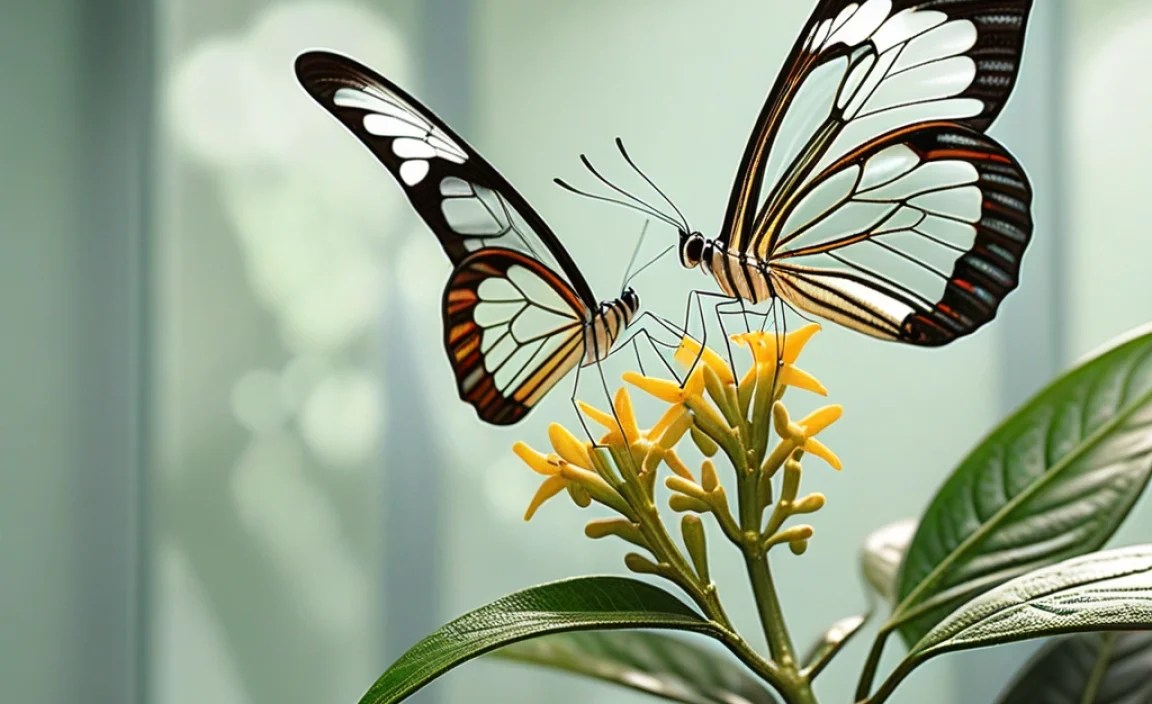
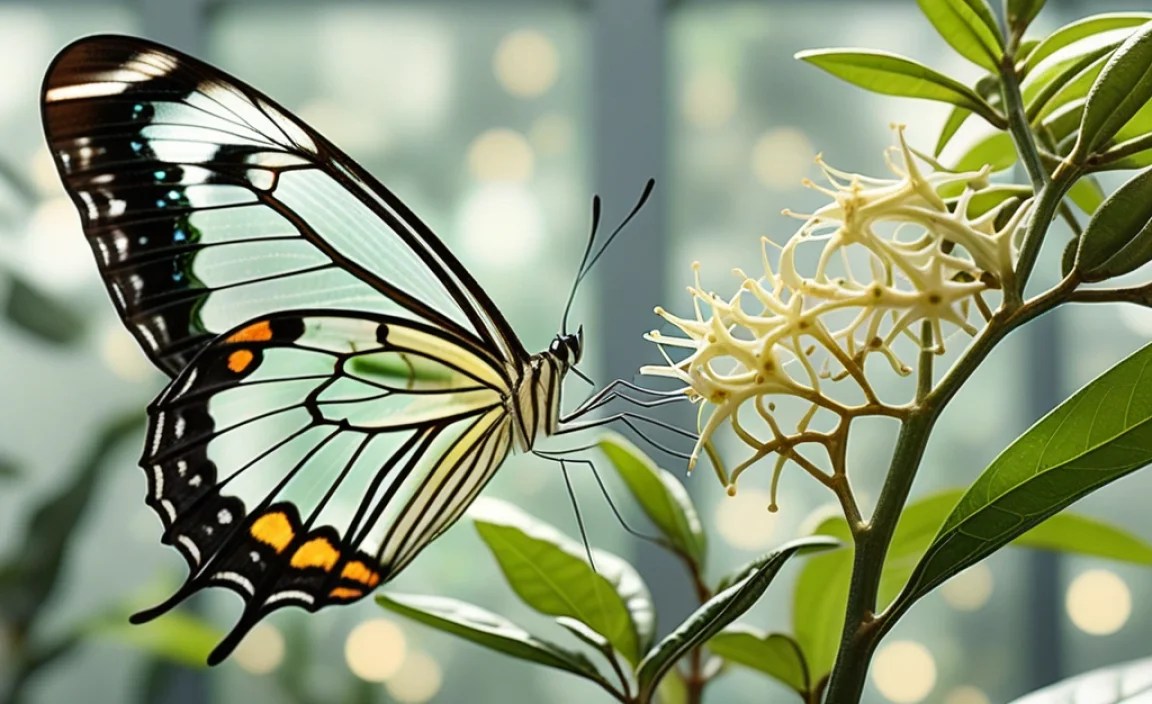
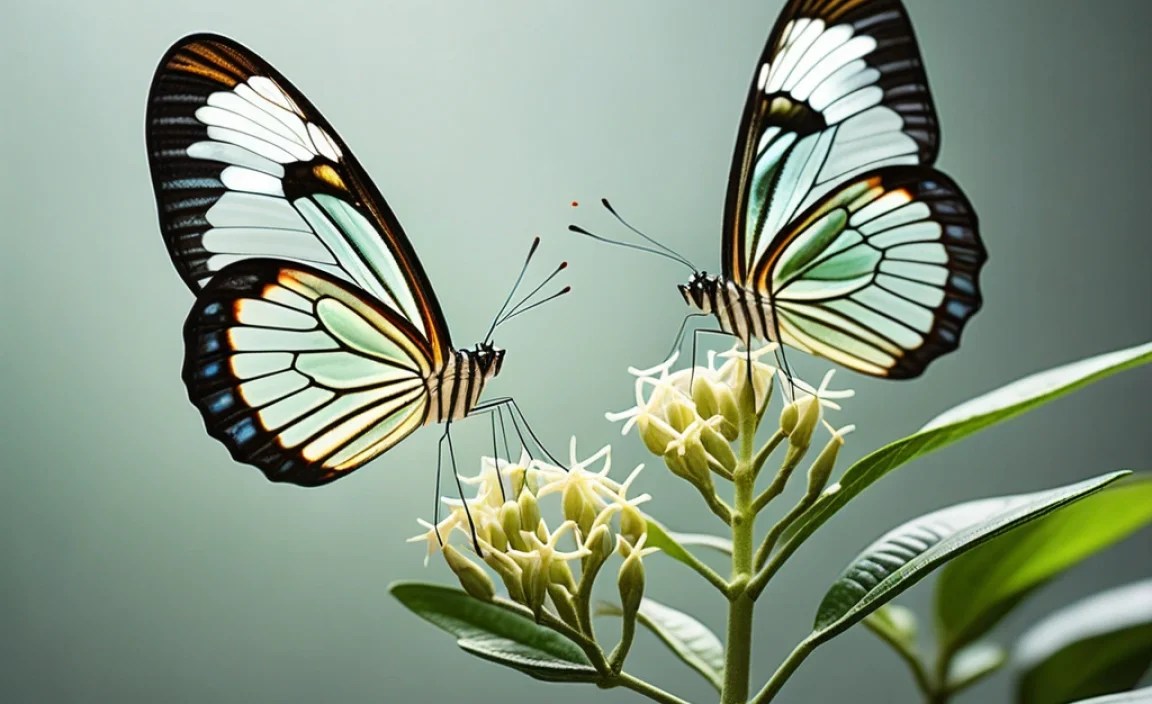
Glasswing butterflies (Greta oto) are truly special. Their transparent wings make them look like delicate stained glass, allowing them to blend seamlessly into their surroundings. These butterflies are native to Central and South America but can be attracted to gardens in warmer regions where their host plants thrive. They are nectar feeders, meaning they rely on flowers for sustenance, and Cestrum plants are one of their favorites!
What Makes Cestrum So Appealing?
- Nectar Richness: Cestrum flowers are abundant with nectar, providing a crucial food source for adult glasswing butterflies.
- Long Blooming Period: Many Cestrum varieties bloom for extended periods, ensuring a consistent nectar supply throughout the butterfly season.
- Easy to Grow: Cestrum plants are relatively low-maintenance, making them a great choice for gardeners of all levels.
Choosing the Right Cestrum Variety
Not all Cestrum plants are created equal! Some are more attractive to glasswing butterflies than others. Here are a few top choices:
- Cestrum nocturnum (Night-Blooming Jasmine): This fragrant shrub is famous for its intoxicating nighttime scent. While the flowers are small and white, they are packed with nectar that attracts a variety of pollinators, including glasswing butterflies.
- Cestrum diurnum (Day-Blooming Jasmine): Unlike its nocturnal cousin, this Cestrum blooms during the day, offering a visual feast for butterflies. The white flowers are equally nectar-rich.
- Cestrum elegans (Purple Cestrum): This variety boasts beautiful purple-red flowers, adding a pop of color to your garden while providing a valuable nectar source.
Step-by-Step Guide to Planting Cestrum for Glasswing Butterflies

Ready to create a glasswing butterfly haven? Follow these steps to plant and care for your Cestrum:
Step 1: Select the Perfect Location
Cestrum plants thrive in warm climates with plenty of sunlight. Choose a location that receives at least 6 hours of direct sunlight per day. Ensure the soil is well-draining to prevent root rot.
Step 2: Prepare the Soil
Cestrum plants prefer slightly acidic to neutral soil. Amend the soil with compost or other organic matter to improve drainage and fertility. A soil pH between 6.0 and 7.0 is ideal. You can use a soil testing kit to check the pH level and adjust accordingly.
Step 3: Planting Your Cestrum
Dig a hole that is twice as wide as the root ball and just as deep. Gently remove the Cestrum from its container and loosen any circling roots. Place the plant in the hole, ensuring the top of the root ball is level with the ground. Backfill with soil and water thoroughly.
Step 4: Watering and Fertilizing
Water your Cestrum regularly, especially during dry periods. Allow the soil to dry out slightly between waterings. Fertilize in the spring with a balanced fertilizer to promote healthy growth and abundant blooms. Follow the instructions on the fertilizer label for application rates.
Step 5: Pruning and Maintenance
Prune your Cestrum after flowering to encourage bushier growth and more blooms. Remove any dead or diseased branches. You can also lightly shape the plant to maintain its desired size and form.
Caring for Your Cestrum Plant
Once your Cestrum is planted, here are some tips for keeping it healthy and thriving:
- Sunlight: Ensure your Cestrum receives at least 6 hours of direct sunlight per day.
- Watering: Water regularly, allowing the soil to dry out slightly between waterings.
- Fertilizing: Fertilize in the spring with a balanced fertilizer.
- Pruning: Prune after flowering to encourage bushier growth.
- Pest Control: Monitor for pests such as aphids or spider mites and treat as needed with insecticidal soap or neem oil.
Troubleshooting Common Cestrum Problems
Even with the best care, you might encounter some issues with your Cestrum. Here’s how to troubleshoot common problems:
| Problem | Possible Cause | Solution |
|---|---|---|
| Yellowing Leaves | Overwatering, poor drainage, nutrient deficiency | Check soil drainage, reduce watering frequency, fertilize with a balanced fertilizer. |
| Lack of Blooms | Insufficient sunlight, improper pruning, nutrient deficiency | Ensure at least 6 hours of direct sunlight, prune after flowering, fertilize in the spring. |
| Pest Infestation | Aphids, spider mites, whiteflies | Treat with insecticidal soap, neem oil, or other appropriate insecticide. |
| Root Rot | Overwatering, poor drainage | Improve soil drainage, reduce watering frequency, consider transplanting to a better-draining location. |
Attracting Glasswing Butterflies to Your Garden
Planting Cestrum is a great start, but here are some additional tips for attracting glasswing butterflies to your garden:
- Plant Host Plants: Glasswing butterflies lay their eggs on specific host plants. Research which plants are native to your area and provide them in your garden.
- Provide a Water Source: Butterflies need water to survive. Create a shallow dish of water with pebbles or stones for them to land on.
- Avoid Pesticides: Pesticides can harm or kill butterflies and other beneficial insects. Use natural pest control methods whenever possible. The Xerces Society offers great resources for pesticide-free gardening.
- Create a Sunny, Sheltered Spot: Butterflies prefer sunny, sheltered areas where they can bask and escape from the wind.
Other Plants That Attract Glasswing Butterflies
While Cestrum is a fantastic choice, consider adding these other plants to your garden to create a diverse and inviting habitat for glasswing butterflies:
- Lantana: These colorful flowers are a butterfly magnet, providing a continuous source of nectar.
- Pentas: Pentas are heat-tolerant and bloom profusely, attracting butterflies with their star-shaped flowers.
- Salvia: Salvia offers a wide range of colors and attracts hummingbirds and butterflies alike.
- Milkweed: While not a primary nectar source for glasswings, milkweed is essential for monarch butterflies and supports a healthy pollinator ecosystem.
The Ecological Importance of Butterflies
Butterflies play a crucial role in our ecosystem as pollinators. They transfer pollen from flower to flower, helping plants reproduce. By attracting glasswing butterflies to your garden, you’re not only enjoying their beauty but also contributing to the health of the environment. The Smithsonian Institution provides valuable insights into the importance of pollinators.
DIY Butterfly Feeder
Want to give your butterflies an extra treat? Here’s a simple DIY butterfly feeder you can make at home:
Materials:
- Shallow dish or plate
- Sponge or paper towels
- Sugar
- Water
- Brightly colored flowers or fruit (optional)
Instructions:
- Mix 1 part sugar with 4 parts water until the sugar is dissolved.
- Soak the sponge or paper towels in the sugar water.
- Place the soaked sponge or paper towels in the shallow dish.
- Add brightly colored flowers or fruit to attract butterflies.
- Place the feeder in a sunny spot in your garden.
- Refill the sugar water as needed.
Glasswing Butterfly Symbolism
Butterflies, in general, are often seen as symbols of transformation, hope, and new beginnings. The glasswing butterfly, with its transparent wings, adds another layer to this symbolism. Its ability to seemingly disappear can represent adaptability, resilience, and the beauty of impermanence.
Frequently Asked Questions (FAQs)
1. Are glasswing butterflies endangered?
Glasswing butterflies are not currently listed as endangered. However, habitat loss and pesticide use can pose threats to their populations. Supporting butterfly-friendly gardening practices can help protect these beautiful creatures.
2. What do glasswing butterfly caterpillars eat?
Glasswing butterfly caterpillars primarily feed on plants in the Cestrum family. Providing these host plants in your garden is essential for their survival.
3. How long do glasswing butterflies live?
The lifespan of a glasswing butterfly is relatively short, typically lasting only a few weeks to a couple of months.
4. Do glasswing butterflies migrate?
Glasswing butterflies are not migratory in the same way as monarch butterflies. However, they may move locally in search of food or suitable breeding grounds.
5. Can I grow Cestrum in a pot?
Yes, Cestrum can be grown in pots, making it a great option for gardeners with limited space. Choose a large pot with good drainage and use a well-draining potting mix.
6. Is Cestrum poisonous to pets?
Yes, Cestrum plants can be toxic to pets if ingested. Keep them out of reach of pets or consider planting them in areas where pets cannot access them.
7. Where can I buy Cestrum plants?
You can find Cestrum plants at many local nurseries and garden centers. You can also purchase them online from reputable plant retailers.
Conclusion
Attracting glasswing butterflies to your garden is a rewarding experience that brings beauty and ecological benefits. By planting Cestrum and following these tips, you can create a welcoming habitat for these enchanting creatures. Remember to provide host plants, water sources, and avoid pesticides to support a healthy butterfly population. Happy gardening, and may your garden be filled with the magic of glasswing butterflies!


