
Asian Butterflies vs African: Ultimate ID Guide

Do you love butterflies? These pretty insects flutter all around us. They add color to our world. Did you know there are different kinds? Some live in Asia. Others live in Africa. What are the differences between Asian butterflies vs African butterflies? Let’s find out!
Key Takeaways
- Asian butterflies vs African butterflies show unique adaptations to their environments.
- African butterflies often display brighter colors for attracting mates or camouflage.
- Asian butterflies may have evolved different wing shapes for varied flight patterns.
- Habitat loss threatens butterfly populations on both continents. Conservation is key.
- Studying these butterflies helps us understand biodiversity and ecosystem health better.
Butterfly Diversity: Asia and Africa

Asia and Africa have tons of butterflies! Each continent has special types. These butterflies have adapted to their homes. Asian butterflies vs African butterflies each have unique features. These features help them survive. Some butterflies are big and bright. Others are small and blend in. They all play a part in their ecosystems. It is fascinating to learn about their differences. Understanding these differences helps us protect them. We can learn a lot from these amazing insects. Butterflies show us how nature adapts and changes. They also show us the importance of keeping our planet healthy. Let’s explore the amazing world of butterflies!
- Asia has many tropical rainforests.
- Africa has diverse habitats. This includes deserts and savannas.
- Different plants mean different food for caterpillars.
- Climate affects butterfly life cycles.
- Some butterflies migrate long distances.
Butterflies are very important for the environment. They help pollinate plants. This means they carry pollen from one flower to another. Pollination helps plants make seeds and fruits. Butterflies are also food for other animals. Birds, lizards, and spiders eat butterflies. When butterflies disappear, it affects the whole food chain. That’s why it is important to protect butterflies and their homes. We can plant butterfly-friendly gardens. We can also reduce pollution. By doing these things, we can help butterflies thrive. Every small action can make a big difference. Let’s all do our part to help these beautiful creatures.
Fun Fact or Stat: The Queen Alexandra’s birdwing, found in Papua New Guinea (near Asia), is the largest butterfly in the world!
What Makes Asian Butterflies Special?
Have you ever wondered what makes Asian butterflies special? Asia is a big place with lots of different habitats. Some areas are hot and wet. Others are cold and dry. This means that Asian butterflies have had to adapt. They have changed over time to survive in these different places. Some Asian butterflies have bright colors to attract mates. Others have patterns that help them hide from predators. Their wings might be shaped differently to help them fly in forests or open fields. It’s amazing how these little creatures have adapted to their surroundings. Learning about their adaptations helps us understand nature better. It also teaches us about the importance of protecting their homes.
What Makes African Butterflies Unique?
What makes African butterflies unique? Africa is a continent of amazing diversity. It has deserts, rainforests, and savannas. African butterflies have adapted to all these different environments. Some African butterflies can survive in very dry places. They might have special ways to find water. Others have bright colors to warn predators that they are poisonous. Some even mimic other butterflies to avoid being eaten. These adaptations are truly remarkable. They show how life can thrive in even the harshest conditions. By studying these butterflies, we can learn about the power of adaptation and the importance of biodiversity.
Butterfly Habitats in Asia and Africa
Imagine a lush green rainforest. Now imagine a dry, dusty desert. These are just two of the many habitats where butterflies live. In Asia, you can find butterflies in tropical rainforests. You can also find them in mountain meadows. In Africa, butterflies live in savannas, forests, and even deserts. The type of habitat affects the kind of butterflies that live there. Butterflies need specific plants to lay their eggs on. Caterpillars need specific plants to eat. If these plants disappear, the butterflies might disappear too. That’s why protecting butterfly habitats is so important. We need to make sure they have the food and shelter they need to survive.
Color and Pattern Differences
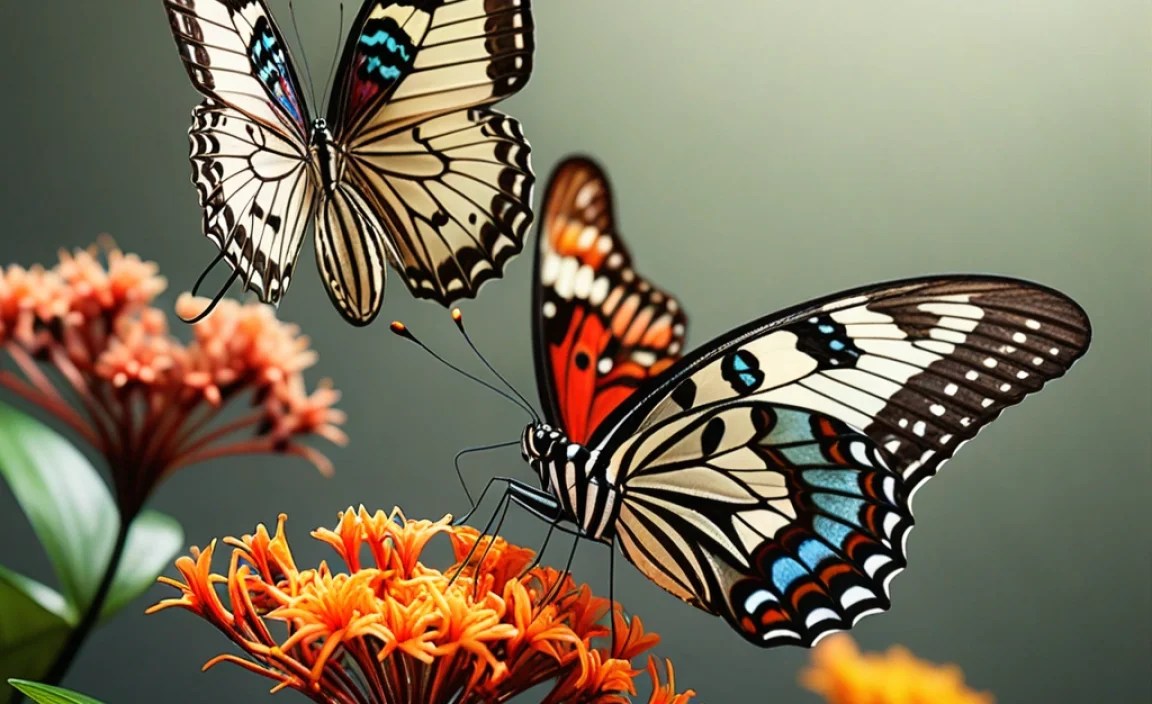
Asian butterflies vs African butterflies often show different colors and patterns. These differences are not just for show. They help the butterflies survive. Bright colors can attract mates. They can also warn predators. Some butterflies have patterns that look like eyes. These patterns can scare away predators. Other butterflies have patterns that help them blend in with their surroundings. This camouflage helps them hide from predators. The colors and patterns of butterflies are amazing adaptations. They show how nature has shaped these creatures to survive in their specific environments. Studying these patterns can teach us a lot about evolution and adaptation.
- Bright colors attract mates.
- Warning colors tell predators to stay away.
- Camouflage helps butterflies hide.
- Eye spots can scare predators.
- Some butterflies mimic other species.
The colors and patterns of butterflies are created by tiny scales on their wings. These scales reflect light in different ways. This is what gives butterflies their beautiful colors. Some butterflies have iridescent wings. This means their colors change depending on how the light hits them. The patterns on butterfly wings are also very complex. They can be different on the top and bottom of the wings. Scientists study these patterns to learn about butterfly evolution. They also use them to identify different species. The beauty and complexity of butterfly wings are truly amazing. They are a testament to the power of nature.
Fun Fact or Stat: Some butterflies can see colors that humans cannot!
Why Do Butterflies Have Different Colors?
Have you ever wondered why butterflies have different colors? The answer is all about survival. Butterflies use their colors for many reasons. Some use bright colors to attract a mate. Other butterflies use dull colors to hide from predators. Poisonous butterflies often have bright colors. This warns predators to stay away. Butterflies that are not poisonous sometimes mimic these colors. This helps them avoid being eaten. The colors of butterflies are a result of natural selection. Over time, butterflies with colors that helped them survive were more likely to reproduce. This led to the amazing diversity of colors we see today.
Camouflage: Hiding in Plain Sight
Imagine you are a butterfly trying to hide from a bird. What would you do? Many butterflies use camouflage to blend in with their surroundings. They might have wings that look like leaves or bark. This makes it hard for predators to see them. Some butterflies even have patterns that look like bird droppings! This is a very effective way to avoid being eaten. Camouflage is an amazing adaptation that helps butterflies survive. It shows how nature can create incredibly clever solutions to problems. By studying camouflage, we can learn about the importance of blending in and adapting to our environment.
Warning Colors: Stay Away!
Some butterflies have very bright colors. These colors are not meant to attract mates. They are meant to warn predators. These butterflies are often poisonous or taste bad. Their bright colors tell predators to stay away. This is a very effective defense mechanism. Predators learn to avoid butterflies with these colors. The monarch butterfly is a good example of this. It has bright orange and black wings. These colors warn predators that it is poisonous. This helps the monarch butterfly survive its long migration. Warning colors are a great example of how nature uses color for protection.
Wing Shape and Size Variations
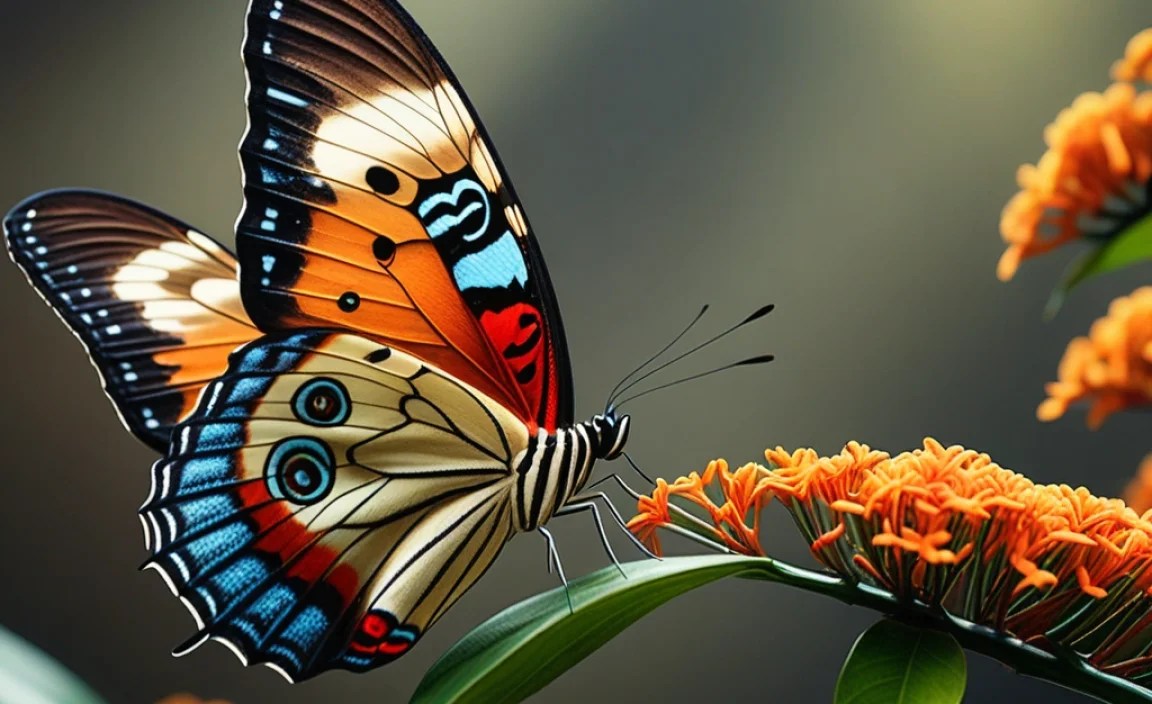
The shapes and sizes of butterfly wings are very different. Asian butterflies vs African butterflies have variations. These variations help them fly and survive. Some butterflies have large wings. These wings help them glide long distances. Other butterflies have small wings. These wings help them fly quickly and maneuver easily. The shape of the wing also affects how the butterfly flies. Some butterflies have pointed wings. These wings help them fly fast. Other butterflies have rounded wings. These wings help them hover. The wing shape and size are perfectly adapted to the butterfly’s lifestyle.
- Large wings help with gliding.
- Small wings help with quick flight.
- Pointed wings aid fast flying.
- Rounded wings help with hovering.
- Wing shape affects maneuverability.
The veins in butterfly wings are also important. They provide support and strength. The veins also help carry blood to the wings. The pattern of veins is different for each species of butterfly. Scientists use these patterns to identify different species. The wings of butterflies are delicate but strong. They are a marvel of engineering. They allow butterflies to fly, escape predators, and find food. The next time you see a butterfly, take a close look at its wings. You will be amazed by their beauty and complexity. They are a testament to the power of evolution.
Fun Fact or Stat: A butterfly’s wings are covered in thousands of tiny scales!
How Wing Shape Affects Flight
Have you ever watched a butterfly fly? Did you notice how it moves? The shape of its wings plays a big role in how it flies. Butterflies with long, narrow wings can glide easily. This is helpful for long-distance travel. Butterflies with short, wide wings are better at quick maneuvers. They can dodge predators and find food more easily. The shape of a butterfly’s wings is perfectly adapted to its lifestyle. This adaptation is a result of natural selection. Over time, butterflies with wing shapes that helped them survive were more likely to reproduce. This led to the amazing diversity of wing shapes we see today.
Size Matters: Big vs Small Wings
Size matters when it comes to butterfly wings. Big wings can help butterflies fly long distances. They can also help them attract mates. But big wings can also be a disadvantage. They can make it harder to escape predators. Small wings can help butterflies fly quickly and maneuver easily. They can also help them hide from predators. But small wings can also make it harder to fly long distances. The size of a butterfly’s wings is a trade-off. It is a balance between the advantages and disadvantages of each size.
Wing Veins: Strength and Support
Butterfly wings might look delicate, but they are actually quite strong. This strength comes from the veins that run through the wings. These veins provide support and help the wings maintain their shape. They also carry blood to the wings, which helps them stay healthy. The pattern of veins is different for each species of butterfly. Scientists use these patterns to identify different species. The veins in butterfly wings are like the bones in our bodies. They provide structure and support. They are essential for flight and survival.
Diet and Caterpillar Host Plants
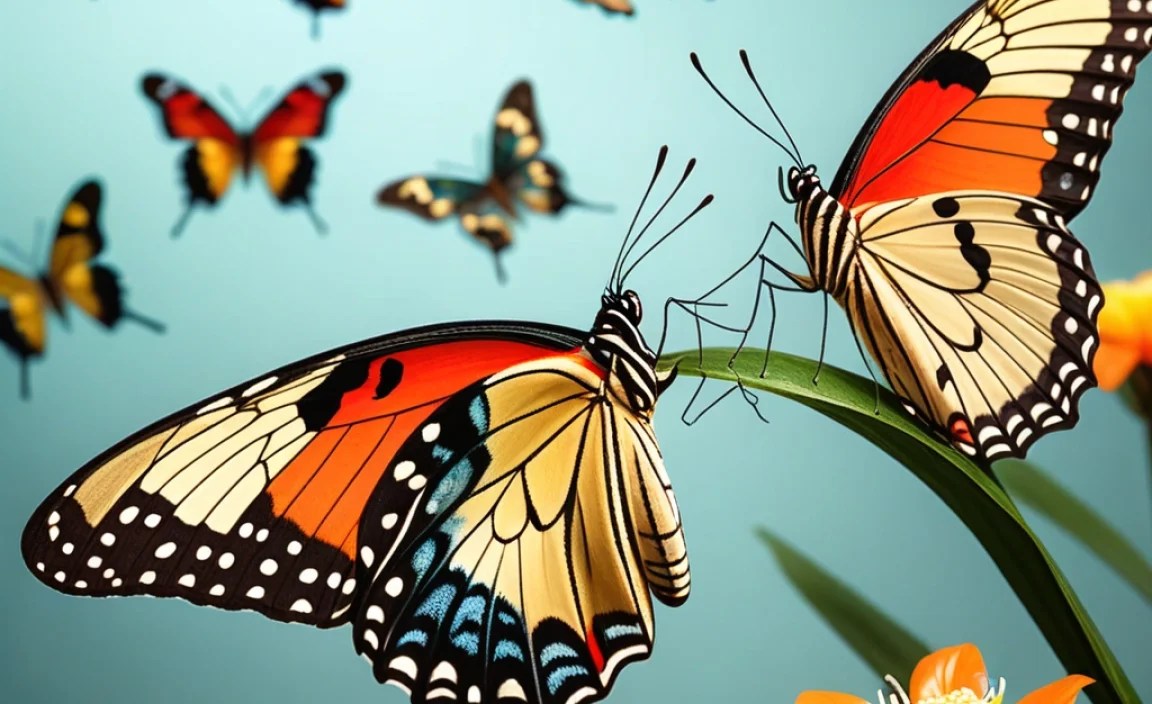
What do butterflies eat? As caterpillars, they eat leaves. Different butterfly species eat different plants. These plants are called host plants. Asian butterflies vs African butterflies have different host plants. This is because different plants grow in Asia and Africa. As adults, butterflies drink nectar from flowers. They use a long, straw-like tongue called a proboscis. Butterflies also drink water and minerals from puddles and mud. Their diet is very important for their survival. It gives them the energy they need to fly and reproduce.
- Caterpillars eat leaves of host plants.
- Adult butterflies drink nectar.
- Butterflies use a proboscis to drink.
- They also drink water and minerals.
- Diet affects butterfly survival.
The relationship between butterflies and their host plants is very important. Butterflies lay their eggs on specific host plants. When the eggs hatch, the caterpillars have a ready source of food. If the host plants disappear, the butterflies will also disappear. That’s why it’s important to protect butterfly habitats. We need to make sure they have the plants they need to survive. We can plant butterfly-friendly gardens. We can also support conservation efforts. By doing these things, we can help butterflies thrive.
Fun Fact or Stat: Some caterpillars eat so much that they increase their weight by thousands of times!
The Importance of Host Plants
Have you ever seen a caterpillar munching on a leaf? That leaf is probably a host plant. Host plants are essential for butterfly survival. Butterflies lay their eggs on these plants. When the eggs hatch, the caterpillars have a ready source of food. Different butterfly species have different host plants. This is because they have adapted to eat specific types of leaves. If the host plants disappear, the butterflies will also disappear. That’s why it’s so important to protect these plants. We can plant them in our gardens and support conservation efforts.
Nectar: Butterfly Fuel
Nectar is like fuel for butterflies. It gives them the energy they need to fly and reproduce. Butterflies drink nectar from flowers using a long, straw-like tongue called a proboscis. They can unroll their proboscis to reach the nectar deep inside the flower. Different butterfly species prefer different types of flowers. Some like bright, colorful flowers. Others prefer small, inconspicuous flowers. By planting a variety of flowers, we can attract different types of butterflies to our gardens. This helps support butterfly populations and adds beauty to our surroundings.
Puddling: Minerals and More
Have you ever seen a group of butterflies gathered around a puddle? They are probably puddling. Puddling is when butterflies drink water and minerals from puddles, mud, or even animal droppings. These minerals are important for their health and reproduction. Male butterflies often puddle more than females. This is because they need the minerals to produce sperm. Puddling is a fascinating behavior that shows how butterflies get the nutrients they need to survive. It also highlights the importance of having access to clean water and minerals.
Habitat and Geographical Distribution
Asian butterflies vs African butterflies live in different places. These places are called habitats. Habitats are where animals find food, shelter, and water. Asian butterflies live in forests, mountains, and gardens. African butterflies live in savannas, rainforests, and deserts. The type of habitat affects the kind of butterflies that live there. Some butterflies are only found in one specific habitat. Others can live in many different habitats. The distribution of butterflies depends on the climate, plants, and other factors.
- Habitats provide food, shelter, and water.
- Asian butterflies live in diverse habitats.
- African butterflies also live in varied habitats.
- Habitat affects butterfly distribution.
- Climate influences butterfly habitats.
The geographical distribution of butterflies is constantly changing. Climate change, habitat loss, and other factors are affecting where butterflies can live. Some butterfly species are expanding their range. Others are shrinking. It’s important to monitor these changes. This helps us understand how butterflies are responding to environmental changes. We can also take steps to protect butterfly habitats. By doing this, we can help ensure that butterflies continue to thrive. The future of butterflies depends on our actions.
Fun Fact or Stat: Some butterflies migrate thousands of miles each year!
Asian Butterfly Habitats
Asia is a huge continent with many different habitats. From the tropical rainforests of Southeast Asia to the high mountains of the Himalayas, there are butterflies everywhere. In the rainforests, you can find brightly colored butterflies flitting through the trees. In the mountains, you can find butterflies that are adapted to cold temperatures. Even in urban areas, you can find butterflies in gardens and parks. The diversity of habitats in Asia supports a wide variety of butterfly species. This makes Asia a butterfly hotspot.
African Butterfly Habitats
Africa is another continent with a wide variety of habitats. From the savannas of East Africa to the rainforests of Central Africa, there are butterflies everywhere. In the savannas, you can find butterflies that are adapted to dry conditions. In the rainforests, you can find butterflies that are adapted to humid conditions. Africa also has deserts and mountains, each with its own unique butterfly species. The diversity of habitats in Africa makes it a great place to see butterflies.
Climate Change and Butterfly Distribution
Climate change is affecting butterfly distribution around the world. As temperatures rise, some butterfly species are moving to cooler areas. This can disrupt ecosystems and cause problems for other species. Climate change can also lead to more extreme weather events. These events can damage butterfly habitats and kill butterflies. It’s important to take action to reduce climate change. This will help protect butterflies and other species. We can all do our part to reduce our carbon footprint and support sustainable practices.
Conservation Status and Threats
Many butterfly species are threatened. This means they are in danger of disappearing. Habitat loss is a big threat. When forests and grasslands are destroyed, butterflies lose their homes. Pollution is another threat. Pesticides can kill butterflies and caterpillars. Climate change also affects butterflies. It can change their habitats and food sources. Asian butterflies vs African butterflies face similar threats. Protecting butterflies is important. They are part of the ecosystem. They also bring beauty to our world.
| Threat | Description | Impact on Butterflies |
|---|---|---|
| Habitat Loss | Destruction of forests, grasslands, and wetlands | Loss of food sources and breeding grounds |
| Pollution | Pesticides, herbicides, and air pollution | Direct poisoning, reduced food quality |
| Climate Change | Changes in temperature and rainfall patterns | Shifts in habitat ranges, altered life cycles |
| Over-collection | Collecting butterflies for trade or personal collections | Reduced populations, especially of rare species |
| Invasive Species | Introduction of non-native plants and animals | Competition for resources, predation |
- Habitat loss is a major threat.
- Pollution harms butterflies.
- Climate change affects habitats.
- Over-collection can hurt populations.
- Invasive species compete with butterflies.
There are many things we can do to help protect butterflies. We can plant butterfly-friendly gardens. We can reduce our use of pesticides. We can support conservation organizations. We can also educate others about the importance of butterflies. Every small action can make a big difference. By working together, we can help ensure that butterflies continue to thrive for generations to come. Let’s all do our part to protect these beautiful creatures and their habitats. They are an important part of our world.
Fun Fact or Stat: Some butterfly species are listed as endangered, meaning they are at high risk of extinction!
Habitat Loss: Where Did Their Homes Go?
Imagine your home being torn down. That’s what happens to butterflies when their habitats are destroyed. Habitat loss is a major threat to butterflies around the world. When forests, grasslands, and wetlands are converted into farmland, cities, or roads, butterflies lose their homes. They lose their food sources and breeding grounds. This can lead to a decline in butterfly populations. Protecting butterfly habitats is essential for their survival. We need to conserve existing habitats and restore degraded ones.
Pollution: A Poisonous World
Pollution is another major threat to butterflies. Pesticides, herbicides, and air pollution can all harm butterflies. Pesticides can kill butterflies and caterpillars directly. Herbicides can kill the plants that butterflies need for food. Air pollution can damage butterfly habitats and make it harder for them to breathe. Reducing pollution is essential for protecting butterflies. We can reduce our use of pesticides and herbicides. We can also support efforts to clean up the air and water.
Climate Change: A Changing World
Climate change is affecting butterfly populations around the world. As temperatures rise, butterfly habitats are changing. Some butterfly species are moving to cooler areas. Others are struggling to adapt. Climate change can also lead to more extreme weather events. These events can damage butterfly habitats and kill butterflies. Reducing climate change is essential for protecting butterflies. We can reduce our carbon footprint and support sustainable practices.
Summary
Asian butterflies vs African butterflies show amazing diversity. They have different colors, patterns, and wing shapes. These differences help them survive in their specific environments. Asian butterflies vs African butterflies also face similar threats. Habitat loss, pollution, and climate change are all putting pressure on butterfly populations. Protecting butterflies is important. They are part of the ecosystem. They also bring beauty and joy to our world. By taking action, we can help ensure that butterflies continue to thrive. We must protect their habitats and reduce pollution. We can also educate others about the importance of butterflies.
Conclusion
Butterflies are amazing creatures. They are beautiful and important. Asian butterflies vs African butterflies show us the diversity of life on Earth. They also remind us of the importance of protecting our planet. By learning about butterflies and taking action to protect them, we can help ensure their survival. Let’s work together to create a world where butterflies can thrive for generations to come. Every small action makes a difference.
Frequently Asked Questions
Question No 1: What is the main difference between Asian and African butterflies?
Answer: The main difference lies in their habitats and adaptations. Asian butterflies vs African butterflies have evolved to suit their specific environments. Asian butterflies are often found in tropical rainforests and mountainous regions. African butterflies inhabit diverse landscapes like savannas, rainforests, and deserts. These different environments have led to unique colors, patterns, and behaviors. For example, some African butterflies have adapted to survive in very dry conditions, while others mimic poisonous species for protection. The specific plants they eat as caterpillars also vary greatly.
Question No 2: Why are butterfly colors so different?
Answer: Butterfly colors are different because they serve different purposes. Bright colors can attract mates. They can also warn predators that the butterfly is poisonous. Dull colors and patterns help butterflies camouflage. This helps them hide from predators. Some butterflies even mimic other species. This helps them avoid being eaten. The colors of butterflies are a result of natural selection. Over time, butterflies with colors that helped them survive were more likely to reproduce. This led to the amazing diversity of colors we see today.
Question No 3: What can I do to help butterflies?
Answer: There are many things you can do to help butterflies. You can plant butterfly-friendly gardens. This means planting flowers that provide nectar for adult butterflies. It also means planting host plants for caterpillars to eat. You can reduce your use of pesticides and herbicides. These chemicals can harm or kill butterflies. You can also support conservation organizations that work to protect butterfly habitats. Educating others about the importance of butterflies is also very helpful. By taking these actions, you can make a big difference for butterflies.
Question No 4: Are butterflies important?
Answer: Yes, butterflies are very important! They are pollinators. This means they help plants reproduce by carrying pollen from one flower to another. Butterflies are also part of the food chain. They are food for birds, lizards, and other animals. Butterflies are also beautiful and bring joy to people. They are a sign of a healthy environment. When butterfly populations decline, it can be a sign that something is wrong with the ecosystem. Protecting butterflies helps protect the whole environment.
Question No 5: How does climate change affect butterflies, including Asian butterflies vs African butterflies?
Answer: Climate change affects butterflies in many ways. Rising temperatures can change their habitats. This forces them to move to cooler areas. Changes in rainfall patterns can affect their food sources. Extreme weather events, like droughts and floods, can damage their habitats and kill them. Asian butterflies vs African butterflies both face these challenges. Some species may be able to adapt, but others may not. Climate change is a serious threat to butterflies around the world.
Question No 6: What is a host plant?
Answer: A host plant is a plant that a caterpillar eats. Different butterfly species have different host plants. The female butterfly lays her eggs on the host plant. When the eggs hatch, the caterpillars have a ready source of food. Host plants are essential for butterfly survival. Without them, caterpillars cannot grow and develop into butterflies. Planting host plants in your garden is a great way to help butterflies. Make sure to research which host plants are best for the butterfly species in your area.


