
Monarch Butterfly Egg Shape: The Ultimate Guide

Quick Summary:
Monarch butterfly eggs are typically oval or football-shaped, with a pale yellow or cream color. They’re tiny, about the size of a pinhead! You’ll usually find them on the underside of milkweed leaves, the only food monarch caterpillars eat. Spotting these tiny eggs is the first step in helping these amazing butterflies thrive!
Have you ever wondered what a monarch butterfly egg looks like? Finding these tiny treasures can feel like searching for a needle in a haystack! It’s easy to overlook them, but knowing what to look for is key to helping these beautiful creatures. Many people are surprised by their shape and size.
In this guide, we’ll explore the world of monarch butterfly eggs. We’ll discuss their shape, color, and where to find them. With a little patience, you’ll be spotting these future monarchs in no time! Ready to become a monarch egg detective? Let’s get started!
What Does a Monarch Butterfly Egg Look Like?
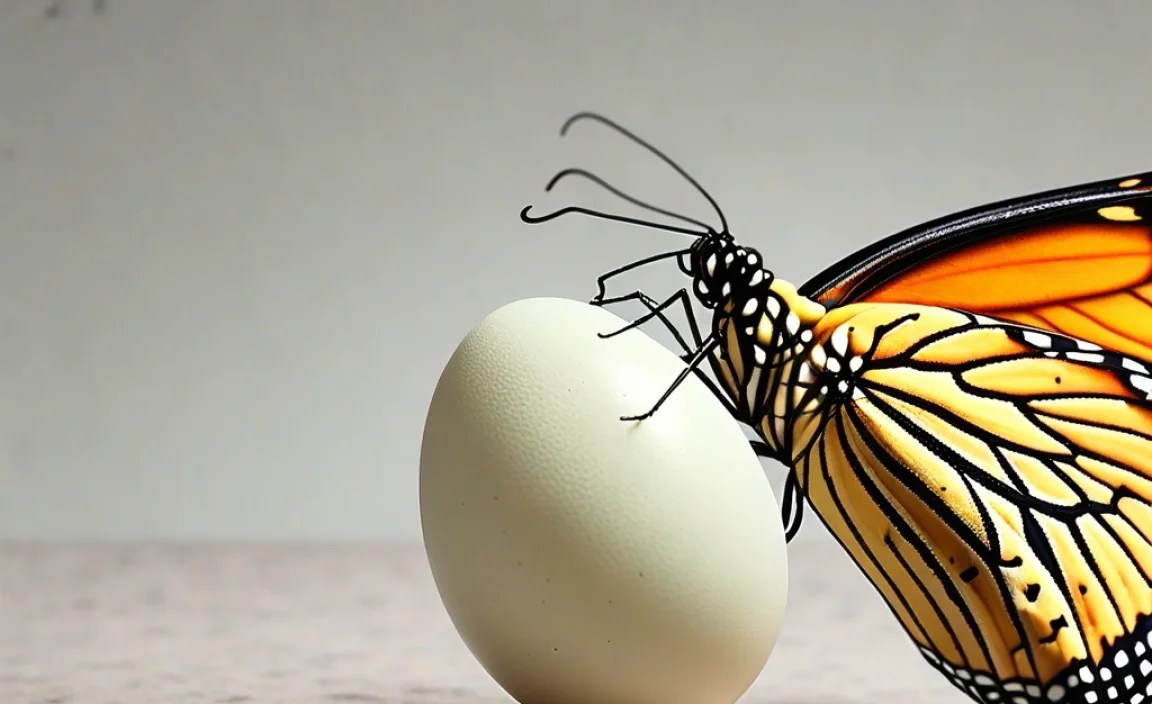
Monarch butterfly eggs are fascinating little structures. They’re not round like you might expect. Let’s dive into the details of their appearance:
Shape and Size
Monarch eggs are oval, often described as football-shaped. They are very small, typically measuring about 1.2 mm in height and 0.9 mm in diameter. That’s roughly the size of a pinhead!
Color and Texture
The color of a monarch egg is usually a pale yellow or creamy white. When freshly laid, they have a smooth, shiny surface. As the egg develops, it may become more translucent, allowing you to see the dark head of the developing caterpillar inside.
Ridges and Patterns
If you look closely, you’ll notice longitudinal ridges running from the top to the bottom of the egg. These ridges are a key characteristic that helps distinguish monarch eggs from other insect eggs. The ridges provide structural support and may also aid in gas exchange for the developing embryo.
Where Do Monarch Butterflies Lay Their Eggs?

Knowing where to look is half the battle! Monarch butterflies are very specific about where they lay their eggs. Here’s what you need to know:
Milkweed Plants
Monarch butterflies exclusively lay their eggs on milkweed plants (Asclepias species). Milkweed is the only food source for monarch caterpillars. Without milkweed, monarch caterpillars cannot survive. Therefore, adult females carefully select milkweed plants to ensure their offspring have a food source.
Underside of Leaves
Monarchs usually lay their eggs on the underside of milkweed leaves. This provides protection from direct sunlight and predators. The underside of the leaf also tends to be more humid, which is beneficial for egg development. Gently inspect the underside of milkweed leaves, especially the younger, tender leaves near the top of the plant.
Single Eggs
Monarchs typically lay their eggs singly, meaning one egg per leaf. They don’t lay clusters of eggs like some other butterfly species. This reduces competition among the caterpillars when they hatch. So, when you’re searching, look for individual eggs rather than groups.
How to Find Monarch Butterfly Eggs

Finding monarch eggs can be a rewarding experience. Here’s a step-by-step guide to help you in your search:
Step 1: Identify Milkweed Plants
First, learn to identify different types of milkweed plants in your area. Common milkweed (Asclepias syriaca), swamp milkweed (Asclepias incarnata), and butterfly weed (Asclepias tuberosa) are popular choices. Local nurseries or online resources can help you identify milkweed species native to your region.
Step 2: Examine the Leaves
Carefully inspect the milkweed leaves, paying close attention to the undersides. Use a magnifying glass for a closer look. Gently turn over each leaf and examine it thoroughly. Remember, the eggs are tiny, so patience is key.
Step 3: Look for Signs of Feeding
Sometimes, you might find tiny holes or nibbles on the milkweed leaves. These could be signs that a monarch caterpillar has already hatched and started feeding. If you see this, check the surrounding leaves carefully for eggs that may have been laid nearby.
Step 4: Check the Top of the Plant
Monarchs prefer to lay their eggs on the younger, more tender leaves near the top of the milkweed plant. These leaves are easier for newly hatched caterpillars to eat. Focus your search on the upper portions of the plant.
Step 5: Be Patient and Persistent
Finding monarch eggs can take time and effort. Don’t get discouraged if you don’t find any on your first try. Keep checking regularly, especially during the monarch breeding season (spring and summer). The more you search, the better your chances of finding these tiny treasures.
Why is it Important to Find and Protect Monarch Eggs?

Monarch butterflies are facing many challenges, including habitat loss, climate change, and pesticide use. Protecting monarch eggs is a simple yet effective way to help these iconic butterflies thrive. Here’s why it matters:
Conservation Efforts
Monarch populations have declined significantly in recent decades. By protecting monarch eggs and caterpillars, you’re directly contributing to conservation efforts. Every egg you save has the potential to become a beautiful butterfly that can continue the cycle of life.
Habitat Restoration
Creating and maintaining milkweed gardens is essential for monarch conservation. By providing a safe place for monarchs to lay their eggs, you’re helping to restore their natural habitat. You can also avoid using pesticides and herbicides, which can harm or kill monarch eggs and caterpillars.
Educational Opportunities
Finding and protecting monarch eggs can be a wonderful educational experience for children and adults alike. It provides an opportunity to learn about the life cycle of butterflies, the importance of biodiversity, and the role we can all play in conservation. You can track the growth of caterpillars and watch them transform into butterflies.
What to Do After You Find Monarch Eggs
So, you’ve found monarch eggs! What’s next? Here are some steps you can take to protect and nurture them:
Leave Them in Place
If the milkweed plant is in a safe location and free from pesticides, the best thing to do is leave the eggs where they are. Allow nature to take its course. The caterpillars will hatch and begin feeding on the milkweed leaves.
Protect from Predators
Monarch eggs and caterpillars are vulnerable to predators such as ants, spiders, and wasps. You can protect them by placing a mesh bag or netting over the milkweed plant. This will keep predators out while still allowing sunlight and air to reach the plant.
Monitor Their Growth
Regularly check on the eggs and caterpillars to monitor their growth and development. Look for signs of hatching, molting (shedding their skin), and chrysalis formation. This is a great way to learn about the monarch life cycle and ensure they’re healthy.
Provide Fresh Milkweed
As the caterpillars grow, they will need a constant supply of fresh milkweed leaves. If the original plant is running out of leaves, you can transplant the caterpillars to another milkweed plant or provide them with cut milkweed stems in a jar of water. Be sure to change the water regularly to keep the milkweed fresh.
Common Mistakes to Avoid When Looking for Monarch Eggs
Even experienced butterfly enthusiasts can make mistakes when searching for monarch eggs. Here are some common pitfalls to avoid:
Ignoring Other Insects
It’s easy to get excited and focus only on monarch eggs, but don’t ignore other insects that may be present on the milkweed plants. Some insects, like aphids, can compete with monarch caterpillars for food. Others, like ladybugs, can prey on monarch eggs and caterpillars. Knowing what other insects are present can help you manage the milkweed plants more effectively.
Overhandling the Eggs
While it’s important to inspect the eggs, avoid overhandling them. Monarch eggs are delicate and can be easily damaged. If you need to move a leaf with an egg on it, do so gently and carefully. Avoid touching the egg directly if possible.
Using Pesticides
This should go without saying, but never use pesticides on or near milkweed plants. Pesticides can kill monarch eggs and caterpillars, as well as other beneficial insects. If you’re having trouble with pests on your milkweed, try using natural remedies like insecticidal soap or handpicking the pests off the plants.
Neglecting the Chrysalis
Once the caterpillar forms a chrysalis, it’s easy to forget about it until the butterfly emerges. However, the chrysalis is still vulnerable to predators and environmental factors. Protect the chrysalis by keeping it in a safe location and monitoring it regularly. If the chrysalis falls off the plant, you can carefully reattach it using a small amount of non-toxic glue or tape.
Resources for Further Learning
Want to learn more about monarch butterflies and their eggs? Here are some valuable resources:
- USDA Forest Service – Monarch Butterfly Conservation
- National Wildlife Federation – Monarch Butterfly
- Monarch Joint Venture
Tools and Equipment for Finding Monarch Eggs
Having the right tools can make your search for monarch eggs much easier and more efficient. Here’s a list of helpful equipment:
- Magnifying Glass: A magnifying glass is essential for getting a close-up view of the eggs and identifying their unique characteristics.
- Camera: A camera can be used to document your findings and share them with others. It’s also helpful for identifying different types of milkweed plants.
- Notebook and Pen: Keep a notebook and pen handy to record your observations, such as the location of the eggs, the type of milkweed plant, and any other interesting details.
- Gloves: Wear gloves to protect your hands from any irritants or allergens on the milkweed plants.
- Mesh Bags or Netting: Use mesh bags or netting to protect the eggs and caterpillars from predators.
Monarch Egg Identification Table
Here is a table summarizing the key characteristics of monarch butterfly eggs:
| Characteristic | Description |
|---|---|
| Shape | Oval or football-shaped |
| Size | Approximately 1.2 mm in height and 0.9 mm in diameter (pinhead-sized) |
| Color | Pale yellow or creamy white |
| Texture | Smooth and shiny when freshly laid |
| Ridges | Longitudinal ridges running from top to bottom |
| Location | Underside of milkweed leaves |
Tips for Creating a Monarch-Friendly Garden
Creating a monarch-friendly garden is a great way to support these beautiful butterflies and their eggs. Here are some tips to get you started:
- Plant Milkweed: Plant a variety of milkweed species native to your area. This will provide a food source for monarch caterpillars.
- Provide Nectar Sources: Plant nectar-rich flowers that bloom throughout the growing season. This will provide food for adult monarch butterflies.
- Avoid Pesticides: Never use pesticides on or near your milkweed or nectar plants. Pesticides can harm or kill monarch eggs, caterpillars, and butterflies.
- Provide Shelter: Plant trees and shrubs to provide shelter from wind and rain. This will help protect monarch eggs, caterpillars, and butterflies.
- Provide Water: Provide a shallow dish of water with pebbles or stones for butterflies to land on. This will give them a place to drink without drowning.
Monarch Butterfly Life Cycle
Understanding the monarch butterfly life cycle can help you appreciate the importance of protecting their eggs. Here’s a brief overview:
- Egg: The female monarch lays her eggs on milkweed plants.
- Larva (Caterpillar): The egg hatches into a caterpillar, which feeds exclusively on milkweed leaves. The caterpillar molts several times as it grows.
- Pupa (Chrysalis): The caterpillar forms a chrysalis, a protective shell in which it transforms into a butterfly.
- Adult Butterfly: The butterfly emerges from the chrysalis. It flies off to mate and lay eggs, continuing the cycle.
FAQ About Monarch Butterfly Eggs
What do monarch butterfly eggs look like?
Monarch butterfly eggs are tiny, oval-shaped, and typically pale yellow or creamy white. They’re about the size of a pinhead and have distinctive ridges running from top to bottom.
Where do monarch butterflies lay their eggs?
Monarch butterflies lay their eggs exclusively on milkweed plants. They usually lay them on the underside of the leaves, where they’re protected from direct sunlight and predators.
How can I find monarch butterfly eggs?
To find monarch eggs, start by identifying milkweed plants in your area. Carefully inspect the undersides of the leaves, looking for tiny, oval-shaped eggs. Use a magnifying glass for a closer look, and be patient!
Why is it important to protect monarch butterfly eggs?
Monarch butterfly populations have declined significantly in recent years. Protecting their eggs is a simple yet effective way to help these beautiful butterflies thrive and contribute to conservation efforts.
What should I do if I find monarch butterfly eggs?
If you find monarch eggs, leave them in place if the milkweed plant is in a safe location. You can protect them from predators by placing a mesh bag or netting over the plant. Monitor their growth and provide fresh milkweed as needed.
Can I raise monarch caterpillars indoors?
Yes, you can raise monarch caterpillars indoors. Provide them with fresh milkweed leaves and a clean, well-ventilated enclosure. Be sure to release the butterflies once they emerge from their chrysalises.
What are some common predators of monarch butterfly eggs?
Common predators of monarch butterfly eggs include ants, spiders, wasps, and ladybugs. Protecting the eggs with mesh bags or netting can help keep these predators away.
Conclusion
Discovering the tiny world of monarch butterfly eggs is an adventure that connects us deeply to nature. By understanding what these eggs look like and where to find them, we can actively participate in the conservation of these incredible creatures. Remember, each small act of protection contributes to the larger effort of preserving monarch butterflies for future generations.
So, the next time you’re out in your garden or exploring a local park, take a moment to search for monarch butterfly eggs. You might just find a tiny treasure that makes a big difference. Happy butterfly hunting!


