Riverbank Butterfly Identification: Your Easy Guide

Identifying butterflies along riverbanks involves observing key features like size, color patterns, and behavior. Focus on wing shapes, distinctive markings, and preferred host plants nearby. Using field guides and online resources will greatly assist in accurate identification, helping you appreciate the unique butterfly species that thrive in riparian habitats.
Have you ever strolled along a riverbank, captivated by the fluttering dance of butterflies, and wondered what their names are? It’s a common feeling! Identifying these beauties can seem daunting at first, but it’s an incredibly rewarding experience. You’ll discover a hidden world of colors and patterns, and deepen your connection with nature.
This guide will walk you through the essential steps to confidently identify butterflies you find near rivers. We’ll cover everything from recognizing wing patterns to understanding their behavior. Let’s embark on this colorful adventure together!
Understanding Riverbank Butterfly Habitats

Before diving into identification, let’s understand why butterflies love riverbanks. These areas offer a unique combination of resources:
- Water Sources: Butterflies need water for hydration. Riverbanks provide easy access.
- Nectar-Rich Flowers: Many flowering plants thrive near rivers, providing essential nectar for adult butterflies.
- Host Plants: Rivers often support the growth of specific plants that butterfly larvae (caterpillars) feed on.
- Shelter: Trees and shrubs along riverbanks offer protection from predators and harsh weather.
Knowing the habitat preferences helps narrow down the possibilities when identifying a butterfly.
Essential Tools for Butterfly Identification
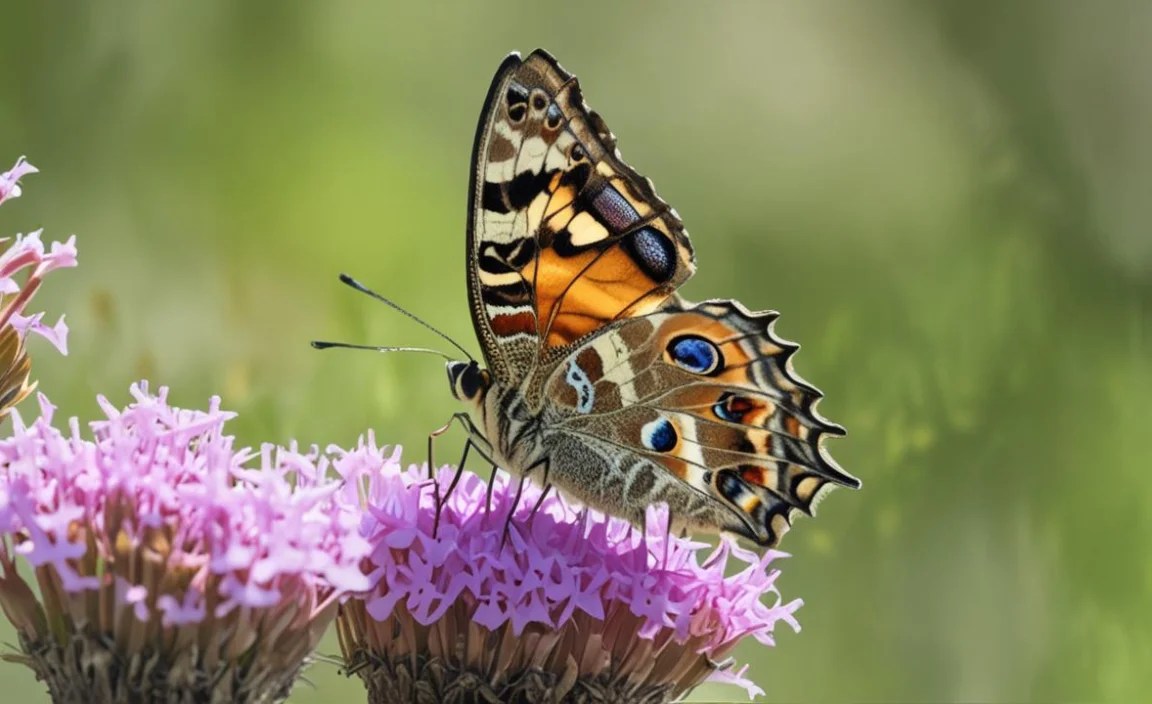
Having the right tools makes butterfly identification much easier and more enjoyable. Here are some essentials:
- Butterfly Field Guide: A comprehensive field guide specific to your region is invaluable. Look for one with detailed descriptions and clear photographs or illustrations. Peterson Field Guides and Kaufman Field Guides are excellent choices.
- Binoculars: A good pair of binoculars allows you to observe butterflies from a distance without disturbing them. Look for binoculars with a close focus range.
- Camera: A camera (even your smartphone camera) helps you capture images for later comparison and identification.
- Notebook and Pen: Jot down observations about the butterfly’s appearance, behavior, and location.
- Magnifying Glass: A magnifying glass can help you see fine details on the butterfly’s wings.
- Butterfly Net (Optional): If you wish to get a closer look, use a butterfly net carefully and release the butterfly unharmed. Practice ethical netting techniques.
Step-by-Step Guide to Riverbank Butterfly Identification

Follow these steps to identify butterflies you encounter along riverbanks:
Step 1: Observe the Butterfly’s Size and Shape
Start by noting the butterfly’s overall size. Is it small, medium, or large? Consider the shape of its wings. Are they rounded, pointed, or swallow-tailed?
Butterfly sizes are generally classified as:
- Small: Wingspan less than 1.5 inches (e.g., Spring Azure)
- Medium: Wingspan between 1.5 and 3 inches (e.g., Monarch, Swallowtails)
- Large: Wingspan greater than 3 inches (e.g., Giant Swallowtail)
Step 2: Examine the Wing Color and Patterns
The color and pattern of a butterfly’s wings are crucial for identification. Note the dominant colors, the presence of spots, stripes, or bands, and any unique markings.
- Upperwing vs. Underwing: Pay attention to differences between the upper and under sides of the wings. The underwings often have more intricate patterns for camouflage.
- Color Variations: Be aware that some butterflies have color variations depending on their sex or the season.
Step 3: Observe the Butterfly’s Behavior
A butterfly’s behavior can provide valuable clues. Observe how it flies, where it feeds, and how it rests.
- Flight Pattern: Some butterflies have a rapid, erratic flight, while others glide gracefully.
- Feeding Habits: Note what flowers the butterfly visits for nectar. Some species prefer specific flowers.
- Resting Position: Some butterflies rest with their wings open, while others keep them closed.
Step 4: Identify the Host Plant (If Possible)
Knowing the host plant can significantly narrow down the possibilities. Look for caterpillars feeding on plants nearby.
- Research Local Host Plants: Identify the common host plants in your area. This information can be found in field guides or online resources.
- Observe Caterpillar Presence: Check plants for caterpillars or signs of caterpillar feeding (e.g., chewed leaves).
Step 5: Consult a Field Guide or Online Resource
Use your observations to compare the butterfly to images and descriptions in a field guide or online resource. Pay attention to key identifying features.
- Reliable Resources: Use reputable sources like the Butterflies and Moths of North America (BAMONA) website or local nature center websites.
- Cross-Reference Information: Compare information from multiple sources to confirm your identification.
Common Riverbank Butterfly Species

Here are some butterfly species you’re likely to encounter along riverbanks:
Swallowtails (Family Papilionidae)
Swallowtails are large, striking butterflies with distinctive “tails” on their hindwings. They are often seen near rivers, feeding on nectar from various flowers.
- Eastern Tiger Swallowtail (Papilio glaucus): Yellow with black stripes. Females can be yellow or black.
- Black Swallowtail (Papilio polyxenes): Black with yellow spots. Females have blue markings on their hindwings. Host plants include parsley, dill, and fennel.
- Spicebush Swallowtail (Papilio troilus): Black with pale green or yellow markings. Host plants include spicebush and sassafras.
Brushfoots (Family Nymphalidae)
Brushfoots are a diverse group of butterflies known for their reduced front legs. Many species are brightly colored and commonly found near water sources.
- Monarch (Danaus plexippus): Orange with black veins and white spots. Famous for its long-distance migration. Host plant: milkweed.
- Viceroy (Limenitis archippus): Mimics the Monarch but has a black line across the hindwing. Host plants include willows and poplars.
- Red Admiral (Vanessa atalanta): Black with red bands on the wings. Host plant: nettle.
- Mourning Cloak (Nymphalis antiopa): Dark brown with a yellow border. One of the first butterflies to emerge in spring. Host plants include willows, elms, and poplars.
Blues, Coppers, and Hairstreaks (Family Lycaenidae)
These are small, often brightly colored butterflies. They are frequently found near their host plants, which are often legumes or shrubs.
- Eastern Tailed-Blue (Cupido comyntas): Small, blue butterfly with a tiny “tail” on each hindwing. Host plants include legumes.
- American Copper (Lycaena phlaeas): Bright orange with black spots. Host plant: dock.
Whites and Sulphurs (Family Pieridae)
These butterflies are typically white, yellow, or orange. They are often seen flying rapidly in open areas near rivers.
- Cabbage White (Pieris rapae): White with black spots. A common garden pest. Host plants include cabbage and other cruciferous plants.
- Clouded Sulphur (Colias philodice): Yellow with black borders. Host plants include clover and alfalfa.
Butterfly Identification Table
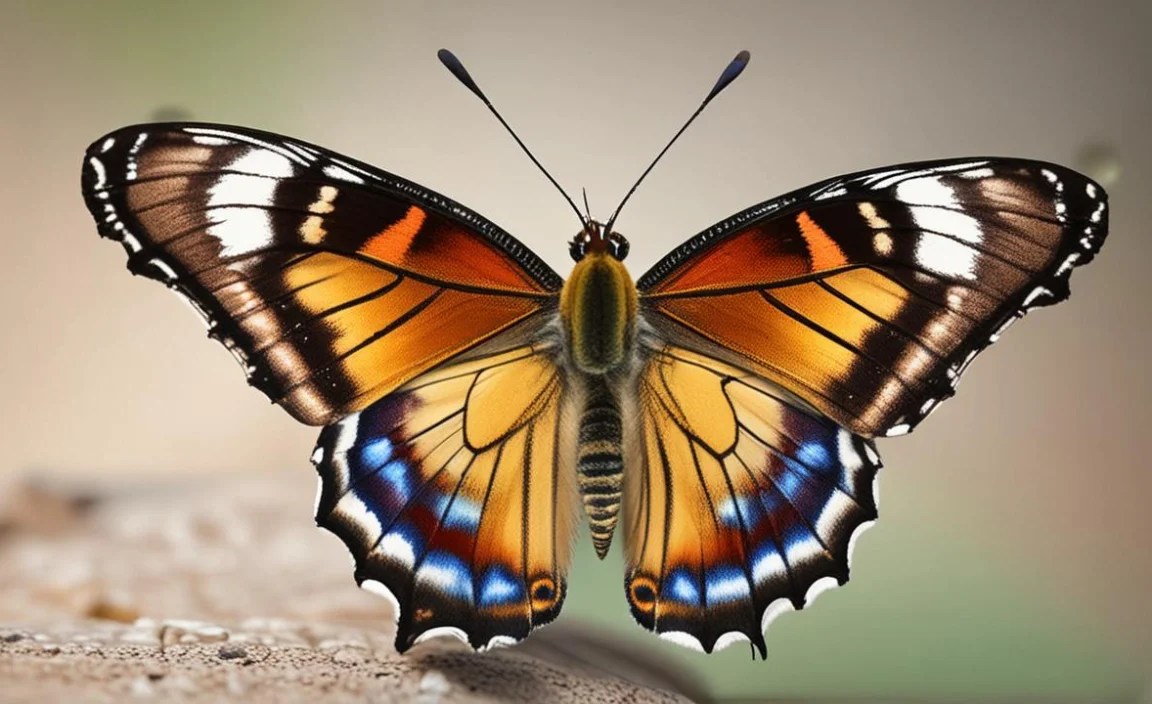
This table summarizes key characteristics of common riverbank butterflies:
| Butterfly Species | Size | Color | Distinguishing Features | Host Plant |
|---|---|---|---|---|
| Eastern Tiger Swallowtail | Large | Yellow with black stripes | “Tails” on hindwings | Wild cherry, tulip tree |
| Monarch | Medium | Orange with black veins | Black borders with white spots | Milkweed |
| Red Admiral | Medium | Black with red bands | Distinct red bands on wings | Nettle |
| Eastern Tailed-Blue | Small | Blue | Tiny “tails” on hindwings | Legumes |
| Cabbage White | Small | White with black spots | Common garden pest | Cabbage, broccoli |
Attracting Butterflies to Your Riverbank Garden
Creating a butterfly-friendly garden along a riverbank not only enhances its beauty but also supports local butterfly populations. Here’s how:
- Plant Nectar-Rich Flowers: Choose a variety of flowers that bloom at different times of the year to provide a continuous food source. Good choices include butterfly bush, coneflowers, zinnias, and asters.
- Include Host Plants: Plant the host plants that local butterflies need for their caterpillars to feed on. For example, plant milkweed for Monarchs, parsley for Black Swallowtails, and willows for Viceroys.
- Provide a Water Source: Butterflies need water to drink. Create a shallow puddle or a butterfly watering station with wet sand or pebbles.
- Offer Shelter: Plant trees and shrubs to provide shelter from wind and predators.
- Avoid Pesticides: Pesticides can harm or kill butterflies and other beneficial insects. Use organic gardening practices instead.
- Provide Sunlight: Butterflies need sunlight to warm their bodies. Plant flowers in sunny locations.
- Minimize Lawn Area: Replace some lawn with native plants to create a more diverse and butterfly-friendly habitat.
Ethical Butterfly Watching
It’s important to observe butterflies responsibly to minimize disturbance to their habitat and behavior.
- Observe from a Distance: Use binoculars to observe butterflies without getting too close.
- Avoid Handling: Handling butterflies can damage their delicate wings and scales.
- Stay on Trails: Stick to established trails to avoid trampling vegetation and disturbing butterfly habitats.
- Respect Private Property: Obtain permission before entering private property to observe butterflies.
- Do Not Collect: Collecting butterflies can harm local populations. Instead, focus on observation and photography.
- Report Sightings: Contribute to citizen science by reporting your butterfly sightings to organizations like BAMONA.
The Ecological Importance of Riverbank Butterflies
Butterflies play a vital role in riverbank ecosystems:
- Pollination: Butterflies are important pollinators, transferring pollen from flower to flower as they feed on nectar. This helps plants reproduce and maintain genetic diversity.
- Food Source: Butterflies and their caterpillars serve as a food source for birds, reptiles, amphibians, and other insects.
- Indicator Species: Butterfly populations are sensitive to environmental changes, making them valuable indicator species. A decline in butterfly populations can signal habitat degradation or pollution.
- Aesthetic Value: Butterflies add beauty and enjoyment to riverbank ecosystems, enhancing the recreational and tourism value of these areas.
Resources for Further Learning
Here are some resources to deepen your knowledge of butterflies:
- Butterflies and Moths of North America (BAMONA): https://www.butterfliesandmoths.org/
- The Xerces Society for Invertebrate Conservation: https://xerces.org/
- Local Nature Centers and Parks: Many nature centers and parks offer butterfly walks, workshops, and educational programs.
- Butterfly Field Guides: Peterson Field Guides, Kaufman Field Guides, and National Audubon Society Field Guides are excellent resources.
- University Extension Services: Your local university extension service may offer information on butterfly gardening and conservation.
FAQ: Riverbank Butterfly Identification
Here are some frequently asked questions about identifying butterflies along riverbanks:
What is the best time of day to observe butterflies?
The best time to observe butterflies is during the late morning and early afternoon when the sun is shining and temperatures are warm. Butterflies are most active when they can bask in the sun to warm their bodies.
How can I tell the difference between a butterfly and a moth?
Butterflies typically have slender, club-shaped antennae, while moths have feathery or comb-like antennae. Butterflies usually fold their wings vertically over their backs when resting, while moths often hold their wings flat or tent-like. Butterflies are generally active during the day, while moths are often active at night.
What do butterflies eat?
Adult butterflies primarily feed on nectar from flowers. They use their long, straw-like proboscis to sip nectar. Some butterflies also feed on tree sap, rotting fruit, or even dung. Butterfly caterpillars feed on the leaves of specific host plants.
How can I attract more butterflies to my garden?
To attract more butterflies to your garden, plant a variety of nectar-rich flowers and host plants. Provide a water source, shelter, and avoid using pesticides. Create a sunny, sheltered environment with plenty of flowering plants.
What should I do if I find an injured butterfly?
If you find an injured butterfly, you can try to help it by providing it with a sugar-water solution (one part sugar to four parts water) in a shallow dish or on a cotton ball. Place the butterfly in a safe, sheltered location and allow it to feed. If the butterfly has a broken wing or other serious injury, it may not be able to survive.
Are there any poisonous butterflies I should be aware of?
While most butterflies are not poisonous to humans, some species, like the Monarch, are toxic to predators. Monarch caterpillars feed on milkweed, which contains toxins that are stored in their bodies and make them unpalatable to birds and other predators. It’s always best to avoid handling butterflies unnecessarily.
Why are butterfly populations declining?
Butterfly populations are declining due to habitat loss, pesticide use, climate change, and other environmental factors. Habitat loss is a major threat, as butterflies need specific host plants and nectar sources to survive. Pesticides can harm or kill butterflies directly, and climate change can disrupt their life cycles and migration patterns.
Conclusion
Identifying butterflies along riverbanks is a delightful and educational experience. By understanding their habitats, using the right tools, and following a step-by-step identification process, you can confidently name the butterflies you encounter. Remember to observe them ethically, protect their habitats, and appreciate their ecological importance. Happy butterflying!