Free Printable Butterfly ID Chart: Identify Now!

Want to quickly identify the butterflies fluttering around your garden? A printable butterfly ID chart is your answer! These handy guides offer pictures and descriptions of common butterfly species, making it easy to name those beautiful winged visitors. Simply print, grab a chart, and start exploring the butterfly world!
Have you ever been captivated by a butterfly, only to wonder what kind it was? It’s a common experience! Butterflies are beautiful and fascinating, and it’s natural to want to know more about them. Identifying them can seem tricky at first, but with the right tools, it’s easier than you think. This guide will show you how to use a printable butterfly ID chart to unlock the secrets of your local butterflies. Get ready to transform your garden into a living classroom and impress your friends with your butterfly knowledge! Let’s dive in and discover the joy of butterfly identification!
Why Use a Printable Butterfly ID Chart?
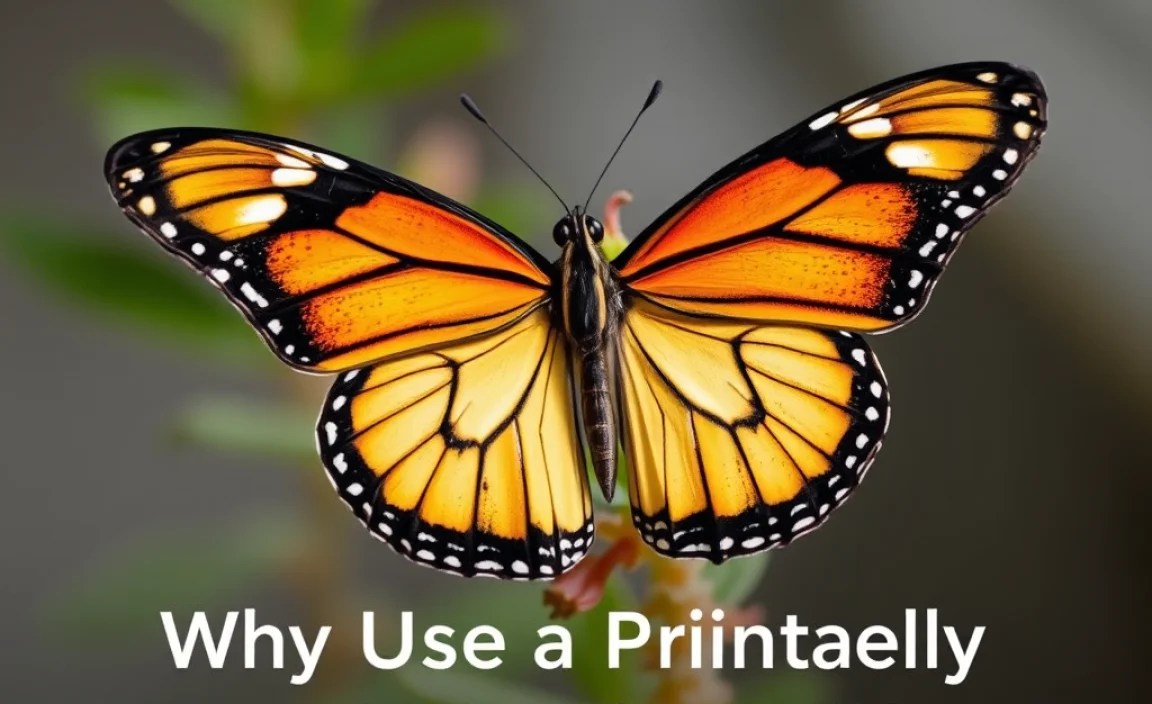
Butterfly identification charts are invaluable for anyone interested in these captivating insects. Here’s why:
- Quick Identification: Charts provide visual references, making it easier to match a butterfly you see with its picture.
- Beginner-Friendly: They’re designed for easy use, even if you have no prior knowledge of butterflies.
- Portable: Print them out and take them with you on hikes, to the park, or even just into your backyard.
- Educational: They help you learn about different butterfly species, their habitats, and their host plants.
- Cost-Effective: Most printable charts are free or very affordable.
Choosing the Right Butterfly ID Chart
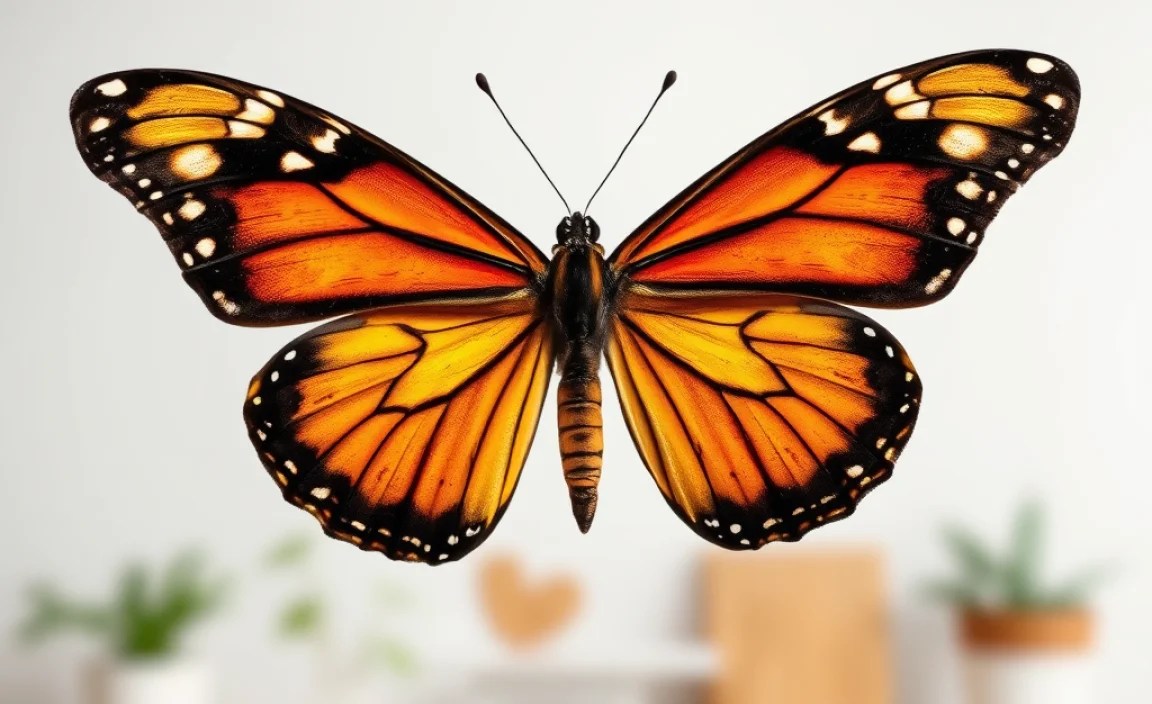
Not all butterfly ID charts are created equal. Here’s what to consider when choosing one:
- Geographic Region: Select a chart that covers the butterflies common to your specific area. Butterflies vary significantly by region.
- Image Quality: Look for charts with clear, high-resolution images that accurately depict each species.
- Key Identifying Features: The chart should highlight key features like wing patterns, size, and color variations.
- Information Included: Some charts include information about habitat, host plants, and flight periods, which can aid in identification.
- Credibility of Source: Choose charts from reputable organizations like the Xerces Society, universities, or local nature centers.
Where to Find Printable Butterfly ID Charts

Numerous online resources offer printable butterfly ID charts. Here are a few places to start:
- The Xerces Society: A leading invertebrate conservation organization with regional butterfly guides.
- State and Local Nature Centers: Many nature centers offer guides specific to their region. Search online for nature centers near you.
- University Extension Programs: Agricultural extension programs often have resources on local wildlife, including butterflies.
- Online Butterfly Databases: Websites like Butterflies and Moths of North America may offer printable guides or identification tools.
- Gardening Websites: Many gardening websites that focus on butterfly gardening provide printable charts.
Step-by-Step: Using Your Printable Butterfly ID Chart
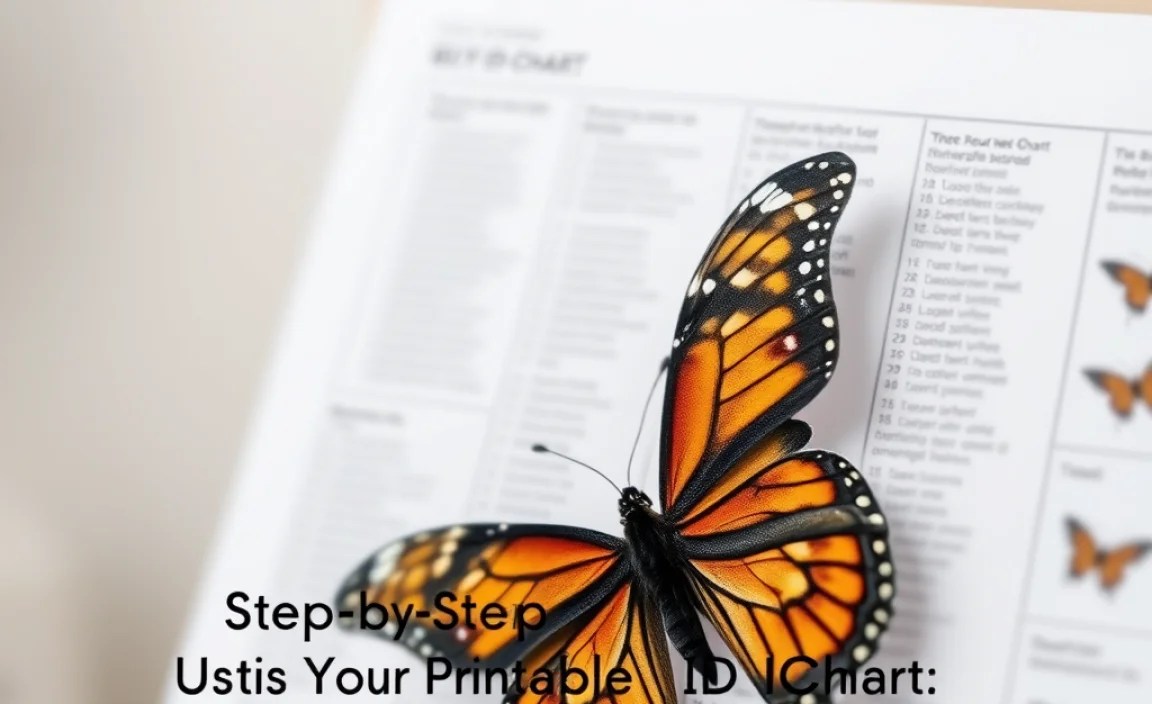
Here’s how to effectively use your printable butterfly ID chart to identify butterflies:
Step 1: Observe the Butterfly
Take a close look at the butterfly. Note the following:
- Size: Is it small, medium, or large?
- Color: What are the dominant colors on its wings?
- Wing Pattern: Are there spots, stripes, bands, or other distinctive markings?
- Shape: What is the overall shape of the wings? Are they rounded or more angular?
- Behavior: How does it fly? What flowers does it visit?
Step 2: Consult Your Chart
Compare your observations with the images and descriptions on your butterfly ID chart.
- Start with General Categories: If the chart is organized by color or size, start there to narrow down your options.
- Focus on Key Features: Pay attention to the specific markings and patterns highlighted in the chart’s descriptions.
- Consider Location: Make sure the species you’re considering is known to occur in your geographic area.
- Read the Descriptions: Don’t just rely on the pictures. Read the descriptions for additional identifying information.
Step 3: Confirm Your Identification
Once you’ve narrowed down your options, try to confirm your identification using other resources.
- Online Butterfly Databases: Search for the species online and compare your observations with additional photos and descriptions.
- Field Guides: Consult a comprehensive butterfly field guide for more detailed information.
- Expert Opinion: If you’re still unsure, consider sharing your photos with a local naturalist or butterfly expert.
Tips for Accurate Butterfly Identification
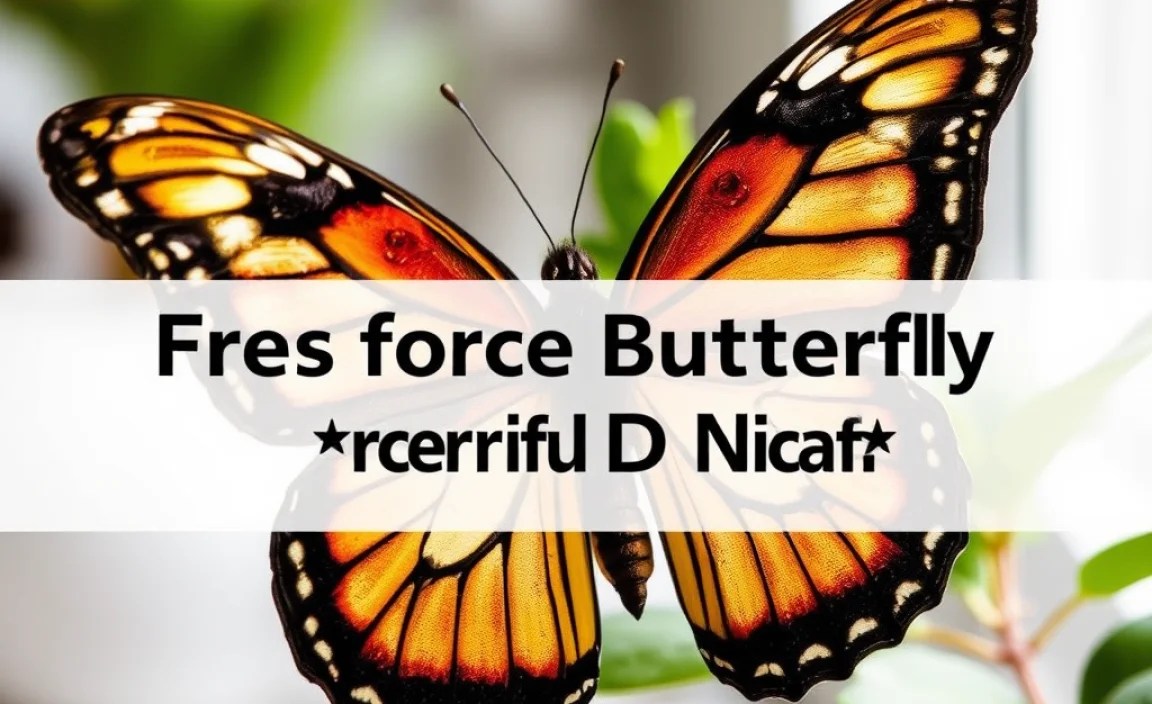
Here are some tips to help you become a butterfly identification pro:
- Take Good Photos: Clear photos can be invaluable for identification, especially if you can’t identify the butterfly on the spot.
- Observe from Different Angles: Wing patterns can look different from different angles.
- Note the Habitat: Knowing the type of habitat where you saw the butterfly can help narrow down the possibilities.
- Learn About Host Plants: Understanding which plants caterpillars feed on can provide clues to the butterfly’s identity.
- Be Patient: Butterfly identification can take time and practice. Don’t get discouraged if you don’t get it right away.
Butterfly Anatomy Basics for Identification
Understanding basic butterfly anatomy can greatly assist in identification. Here are some key terms:
- Forewing: The front wing of the butterfly.
- Hindwing: The rear wing of the butterfly.
- Dorsal Side: The upper surface of the wing.
- Ventral Side: The underside of the wing.
- Marginal Markings: Markings along the edge of the wing.
- Discal Cell: The central area of the wing.
Common Butterfly Species and Their Key Features
Here’s a quick guide to some common North American butterfly species and their identifying characteristics:
| Species | Key Features | Habitat | Host Plants |
|---|---|---|---|
| Monarch (Danaus plexippus) | Bright orange with black veins and white spots on the edges of wings. | Fields, meadows, gardens. | Milkweed |
| Swallowtail (Various species) | Large, often with long tails on hindwings; colors vary widely. | Woodlands, gardens, fields. | Various trees and shrubs (e.g., cherry, spicebush, parsley). |
| Painted Lady (Vanessa cardui) | Orange-brown with black spots and white markings; distinctive pattern on hindwing underside. | Open areas, gardens. | Thistle, mallow. |
| Cabbage White (Pieris rapae) | Small, white with black spots on forewings. | Gardens, fields, urban areas. | Cabbage, broccoli, other cruciferous plants. |
| Mourning Cloak (Nymphalis antiopa) | Dark brown with yellow border and blue spots along the edge of wings. | Woodlands, parks. | Willow, elm, birch. |
The Importance of Butterfly Conservation
Butterflies are not only beautiful but also play a vital role in our ecosystem. They are important pollinators, contributing to the health of our gardens and natural habitats. Unfortunately, many butterfly populations are declining due to habitat loss, pesticide use, and climate change.
Here are some ways you can help protect butterflies:
- Plant Butterfly-Friendly Gardens: Include native plants that provide nectar for adult butterflies and food for caterpillars.
- Avoid Pesticides: Use natural pest control methods instead of harmful chemicals.
- Create a Butterfly Habitat: Provide shelter, water sources, and basking spots for butterflies.
- Support Conservation Organizations: Donate to or volunteer with organizations that work to protect butterflies and their habitats.
- Educate Others: Share your knowledge and passion for butterflies with friends, family, and your community.
Understanding Butterfly Camouflage and Mimicry
Butterflies employ various strategies to protect themselves from predators. Two of the most fascinating are camouflage and mimicry.
Camouflage
Camouflage involves blending in with the surrounding environment. Some butterflies have wing patterns that resemble leaves, bark, or other natural objects, making them difficult to spot. For example, the Indian Leaf Butterfly (Kallima inachus) looks remarkably like a dried leaf when its wings are closed.
Mimicry
Mimicry involves resembling another species, often one that is toxic or unpalatable to predators. There are two main types of mimicry:
- Batesian Mimicry: A harmless species mimics a harmful one. For example, the Viceroy butterfly (Limenitis archippus) mimics the Monarch butterfly, which is toxic to many predators due to its milkweed diet.
- Müllerian Mimicry: Two or more harmful species mimic each other. This benefits all species involved, as predators learn to avoid the shared warning pattern.
Butterfly Migration: A Natural Wonder
Some butterfly species undertake incredible migrations, traveling hundreds or even thousands of miles to find suitable breeding grounds or overwintering habitats. The most famous example is the Monarch butterfly, which migrates from Canada and the United States to Mexico each year.
Here are some key facts about Monarch migration:
- Multi-Generational Journey: The Monarch migration is a multi-generational journey, meaning that it takes several generations of butterflies to complete the round trip.
- Overwintering Sites: Monarchs overwinter in specific locations in the oyamel fir forests of Mexico and along the California coast.
- Threats to Migration: Habitat loss, climate change, and pesticide use threaten the Monarch migration.
Butterfly Symbolism and Cultural Significance
Butterflies have long held symbolic meaning in various cultures around the world. They are often associated with transformation, rebirth, and hope.
Here are some common interpretations of butterfly symbolism:
- Transformation: The butterfly’s life cycle, from egg to caterpillar to pupa to butterfly, is a powerful symbol of transformation and personal growth.
- Rebirth: In many cultures, butterflies are seen as symbols of rebirth and resurrection.
- Hope: Butterflies can represent hope, new beginnings, and the beauty of life.
- Soul or Spirit: In some cultures, butterflies are believed to represent the human soul or spirit.
- Joy and Happiness: The butterfly’s beauty and grace often evoke feelings of joy and happiness.
Building a Butterfly-Friendly Garden
Attracting butterflies to your garden is a rewarding experience that can bring beauty and life to your outdoor space. Here’s how to create a butterfly-friendly garden:
- Plant Nectar-Rich Flowers: Choose a variety of flowers that provide nectar throughout the growing season. Some popular choices include butterfly bush, coneflowers, zinnias, and salvia.
- Provide Host Plants: Plant host plants that caterpillars can feed on. Milkweed is essential for Monarch butterflies, while parsley, dill, and fennel are good choices for swallowtails.
- Offer a Water Source: Butterflies need water to drink. Provide a shallow dish of water with pebbles or stones for them to land on.
- Provide Shelter: Plant shrubs and trees to provide shelter from wind and predators.
- Avoid Pesticides: Pesticides can harm or kill butterflies and other beneficial insects. Use natural pest control methods instead.
- Provide Sunlight: Butterflies need sunlight to warm their bodies. Choose a sunny location for your butterfly garden.
Photographing Butterflies: Capturing Their Beauty
Photographing butterflies can be a challenging but rewarding experience. Here are some tips for capturing stunning butterfly photos:
- Use a Macro Lens: A macro lens allows you to get close-up shots of butterflies and capture intricate details.
- Shoot in Natural Light: Natural light is best for photographing butterflies. Avoid using flash, which can startle them and create harsh shadows.
- Focus Carefully: Make sure your focus is sharp, especially on the butterfly’s eyes or other key features.
- Be Patient: Butterflies can be skittish and may not stay still for long. Be patient and wait for the right moment.
- Get Low: Get down to the butterfly’s level to create a more intimate and engaging composition.
- Use a Fast Shutter Speed: Use a fast shutter speed to freeze the butterfly’s movement and prevent blur.
- Respect the Butterfly: Be mindful of the butterfly’s well-being. Avoid disturbing or stressing it.
FAQ: Butterfly Identification
Here are some frequently asked questions about butterfly identification:
What is the best butterfly ID chart for beginners?
A regional chart from a reputable source like the Xerces Society is ideal. Look for clear pictures and simple descriptions.
How do I tell the difference between a butterfly and a moth?
Butterflies typically have slender antennae with clubbed tips, while moths have feathery or comb-like antennae. Butterflies are usually active during the day, while moths are often active at night.
What if I can’t identify a butterfly with my chart?
Consult online butterfly databases, field guides, or share photos with a local naturalist for expert help.
Are there any apps for butterfly identification?
Yes, several apps use image recognition to identify butterflies from photos. Examples include iNaturalist and Picture Insect.
How can I attract more butterflies to my garden?
Plant nectar-rich flowers and host plants, provide a water source, avoid pesticides, and offer shelter.
Why are butterfly populations declining?
Habitat loss, pesticide use, climate change, and disease are major factors contributing to butterfly population declines.
Is it okay to touch a butterfly’s wings?
It’s best to avoid touching a butterfly’s wings, as the scales are delicate and can be damaged, affecting their ability to fly and regulate temperature.
Conclusion
Using a printable butterfly ID chart is a wonderful way to connect with nature and learn about the beautiful creatures that share our world. By following the steps outlined in this guide, you’ll be well on your way to becoming a butterfly identification expert. Remember to choose a chart that’s appropriate for your region, observe carefully, and confirm your identifications with additional resources. And most importantly, remember to appreciate and protect these incredible insects for generations to come. Happy butterflying!