
Butterfly Mating Behavior: The Ultimate Guide

Quick Summary: Butterfly mating behavior is a fascinating process that involves elaborate courtship rituals, pheromone communication, and specific physical acts. Males often perform aerial displays or present gifts to attract females. Successful mating results in the fertilization of eggs, ensuring the continuation of butterfly generations. This process is crucial for maintaining butterfly populations and biodiversity.
Have you ever wondered how butterflies, those delicate and graceful creatures, find their mates? Understanding butterfly mating behavior can feel like unlocking a secret garden. It’s more than just butterflies fluttering around; it’s a complex dance of attraction, courtship, and reproduction. This article breaks down the fascinating world of butterfly mating, making it easy to understand. We’ll explore the different stages, the roles of pheromones and visual displays, and what happens after mating. Get ready to discover the enchanting secrets of butterfly romance!
Understanding Butterfly Mating Behavior
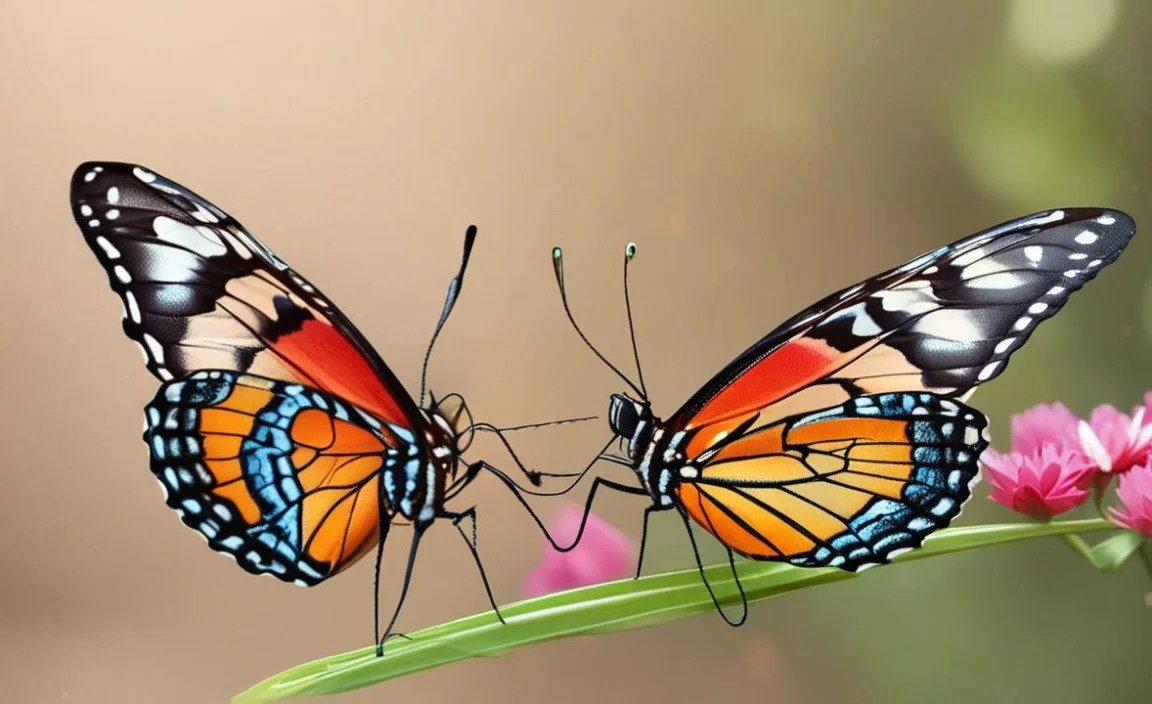
Butterfly mating behavior is a complex and fascinating process that ensures the survival of these beautiful insects. It involves a series of steps, from finding a mate to the actual act of mating and the subsequent laying of eggs. Each stage is crucial for the continuation of butterfly populations.
Finding a Mate
The first step in butterfly mating is finding a suitable partner. Butterflies use various strategies to locate each other, including visual cues and chemical signals.
- Visual Cues: Many butterflies have distinct wing patterns that help them identify potential mates. Males often patrol specific areas, looking for females of the same species.
- Pheromones: Female butterflies release pheromones, chemical signals that attract males from considerable distances. These pheromones are species-specific, ensuring that only males of the same species are attracted.
Courtship Rituals
Once a male butterfly finds a potential mate, he initiates a courtship ritual. These rituals vary among different species but often involve elaborate displays and behaviors.
- Aerial Displays: Male butterflies may perform aerial displays, such as flying around the female or engaging in complex flight patterns, to demonstrate their fitness.
- Dusting: Some male butterflies have specialized scales on their wings called androconia, which release pheromones when brushed against a female. This “dusting” is a form of chemical signaling.
- Gift Giving: In some species, males offer nuptial gifts to females. These gifts can be nutrients or chemicals that the female uses during egg production.
The Mating Act
If the female accepts the male’s courtship, the mating act begins. This process involves the physical connection of the male and female butterflies.
- Positioning: The male and female butterflies align their bodies, with the male attaching his abdomen to the female’s.
- Copulation: During copulation, the male transfers a spermatophore, a package containing sperm, to the female. This spermatophore fertilizes the female’s eggs.
- Duration: The duration of mating varies among species, ranging from a few minutes to several hours.
Post-Mating Behavior
After mating, both male and female butterflies exhibit specific behaviors that ensure the successful fertilization and laying of eggs.
- Mate Guarding: Some male butterflies engage in mate guarding, where they stay close to the female after mating to prevent other males from mating with her.
- Egg Laying: The female butterfly searches for suitable host plants on which to lay her eggs. She carefully selects plants that will provide food for her developing larvae.
Detailed Steps of Butterfly Mating

Let’s delve deeper into the steps involved in butterfly mating, providing a comprehensive guide to understanding this fascinating process.
Step 1: Mate Location
The initial step is finding a mate. This involves both visual and chemical cues, as butterflies rely on their senses to locate potential partners.
- Visual Search: Male butterflies often patrol specific territories, searching for females. They use their keen eyesight to spot potential mates based on wing patterns and colors.
- Pheromone Detection: Female butterflies release pheromones that travel through the air, attracting males from considerable distances. The males have specialized antennae that can detect these pheromones.
Step 2: Courtship Initiation
Once a male butterfly locates a female, he initiates courtship. This involves a series of displays and behaviors designed to attract the female’s attention.
- Flight Displays: Male butterflies may perform elaborate flight displays, such as hovering, fluttering, or chasing the female. These displays showcase the male’s agility and fitness.
- Chemical Signals: Male butterflies use specialized scales called androconia to release pheromones during courtship. These pheromones can influence the female’s receptivity to mating.
Step 3: Courtship Assessment
The female butterfly assesses the male’s courtship displays to determine his suitability as a mate. This assessment is based on various factors, including the male’s physical condition and the quality of his courtship performance.
- Observational Assessment: The female observes the male’s flight displays and other behaviors to gauge his overall fitness.
- Chemical Assessment: The female may also assess the male’s pheromones to determine his genetic compatibility and health.
Step 4: Mating Acceptance
If the female finds the male acceptable, she signals her willingness to mate. This signal can be a subtle change in posture or a specific behavior that indicates her receptivity.
- Postural Signals: The female may adopt a specific posture that allows the male to approach and initiate mating.
- Behavioral Signals: The female may engage in specific behaviors, such as fluttering her wings, to signal her readiness to mate.
Step 5: Copulation
The actual act of mating, or copulation, involves the physical connection of the male and female butterflies. This is a critical step in the fertilization process.
- Alignment: The male and female butterflies align their bodies, with the male attaching his abdomen to the female’s.
- Spermatophore Transfer: The male transfers a spermatophore, a package containing sperm, to the female. This spermatophore fertilizes the female’s eggs.
Step 6: Post-Copulatory Behavior
After copulation, both male and female butterflies exhibit specific behaviors that ensure the successful fertilization and laying of eggs.
- Mate Guarding: The male may guard the female to prevent other males from mating with her. This ensures that his sperm fertilizes her eggs.
- Oviposition: The female butterfly searches for suitable host plants on which to lay her eggs. She carefully selects plants that will provide food for her developing larvae.
Factors Influencing Butterfly Mating

Several factors can influence butterfly mating behavior, including environmental conditions, population density, and individual characteristics.
Environmental Conditions
Environmental conditions, such as temperature, humidity, and sunlight, can significantly impact butterfly mating behavior. Butterflies are most active and likely to mate under optimal conditions.
- Temperature: Butterflies require warm temperatures to be active. Mating is more likely to occur on warm, sunny days.
- Humidity: High humidity can affect butterfly flight and activity levels. Mating may be reduced during periods of high humidity.
- Sunlight: Sunlight is essential for butterfly activity and mating. Butterflies are more likely to mate in sunny areas.
Population Density
Population density can also influence butterfly mating behavior. In areas with high butterfly populations, competition for mates may be intense, leading to more elaborate courtship displays and increased mating activity.
- Competition: High population densities can lead to increased competition among males for access to females.
- Mate Choice: In areas with high population densities, females may have more opportunities to choose the best mates.
Individual Characteristics
Individual characteristics, such as size, color, and behavior, can affect a butterfly’s mating success. Butterflies with desirable traits may be more likely to attract mates.
- Size and Color: Larger and more colorful butterflies may be more attractive to potential mates.
- Behavior: Butterflies with elaborate courtship displays or other attractive behaviors may be more successful in attracting mates.
Butterfly Mating Table
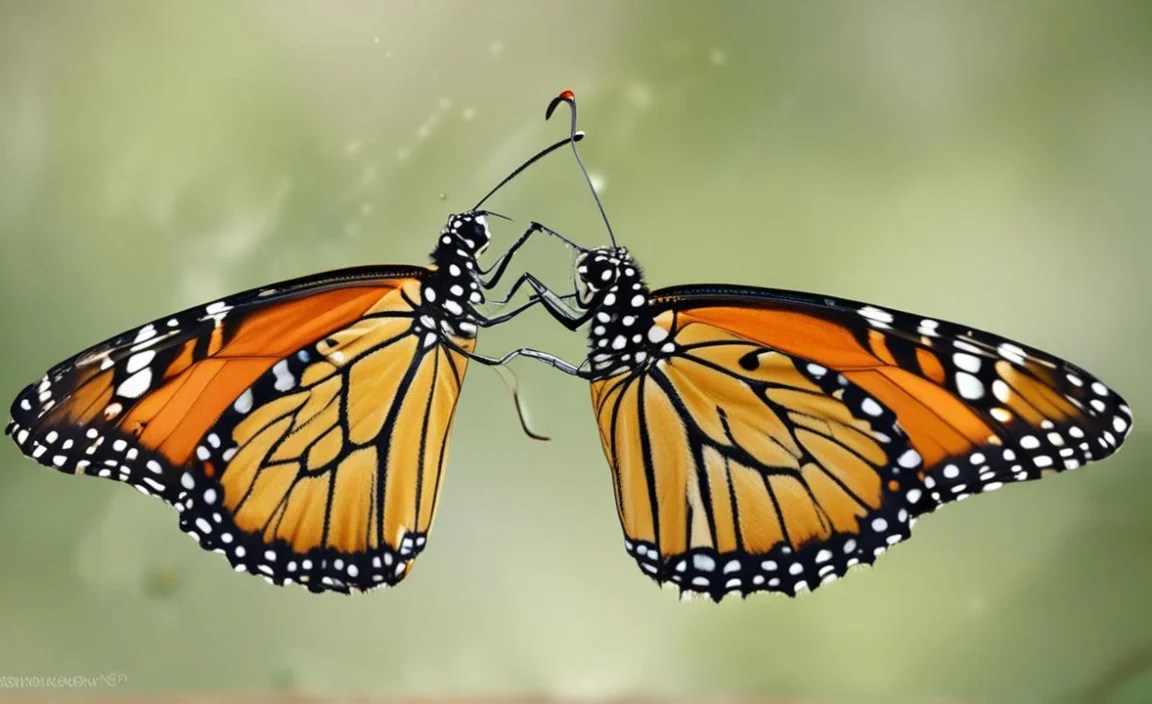
Here’s a table summarizing key aspects of butterfly mating behavior:
| Aspect | Description |
|---|---|
| Mate Location | Visual and chemical cues (pheromones) are used to find potential mates. |
| Courtship Rituals | Elaborate displays, such as aerial displays and chemical signaling, are used to attract females. |
| Mating Act | The male and female align their bodies, and the male transfers a spermatophore to the female. |
| Post-Mating Behavior | Mate guarding and egg laying are important for ensuring successful fertilization and reproduction. |
| Influencing Factors | Environmental conditions, population density, and individual characteristics can affect mating behavior. |
Butterfly Mating: A Species Comparison

Butterfly mating rituals aren’t one-size-fits-all! Different species have their own unique approaches to finding a partner. Let’s explore some examples:
Monarch Butterflies (Danaus plexippus)
Monarchs are famous for their long migrations, but their mating rituals are just as fascinating. Male monarchs often engage in aerial pursuits, chasing females until they land. The male then performs a courtship dance, fluttering his wings and releasing pheromones to entice the female. If she’s receptive, mating occurs, and the pair may remain coupled for several hours.
Swallowtail Butterflies (Papilio spp.)
Swallowtail butterflies are known for their elegant wing patterns and graceful flight. Their mating behavior often involves elaborate aerial displays, with males performing complex maneuvers to attract females. Some swallowtail species also engage in “lekking” behavior, where males gather in a specific area to display for females.
Brush-footed Butterflies (Nymphalidae)
The brush-footed butterfly family is diverse, and their mating behaviors vary widely. Some species, like the Painted Lady, rely heavily on visual cues, with males patrolling territories and searching for females. Others, like the Buckeye, use pheromones to attract mates from a distance.
| Species | Mating Rituals | Key Features |
|---|---|---|
| Monarch Butterfly | Aerial pursuits, courtship dance with pheromones | Long mating duration, strong pair bond |
| Swallowtail Butterfly | Elaborate aerial displays, lekking behavior | Elegant flight, diverse rituals |
| Brush-footed Butterfly | Visual cues, pheromone attraction | Varied behaviors, territoriality |
Attracting Butterflies to Your Garden for Mating
Want to witness butterfly romance firsthand? You can create a butterfly-friendly garden that encourages mating by providing the resources they need.
Plant Host Plants
Host plants are essential for butterfly reproduction. These are the specific plants on which female butterflies lay their eggs, and the larvae feed on. Research which butterfly species are common in your area and plant their host plants. For example, monarchs need milkweed, and swallowtails need dill or parsley.
Provide Nectar Sources
Nectar-rich flowers provide energy for adult butterflies. Plant a variety of flowers that bloom at different times of the year to ensure a continuous food supply. Some popular nectar sources include butterfly bush, zinnias, and coneflowers.
Offer Shelter and Water
Butterflies need shelter from wind and predators. Plant shrubs and trees to provide protection. A shallow dish of water with pebbles or sand can also attract butterflies, as they need water to stay hydrated.
Avoid Pesticides
Pesticides can harm or kill butterflies and their larvae. Avoid using pesticides in your garden, and opt for natural pest control methods instead.
Butterfly Mating Checklist
- Research local butterfly species and their host plants.
- Plant a variety of nectar-rich flowers.
- Provide shelter with shrubs and trees.
- Offer a shallow dish of water with pebbles.
- Avoid using pesticides.
The Ecological Significance of Butterfly Mating
Butterfly mating is not just a beautiful spectacle; it’s a vital ecological process. The successful reproduction of butterflies ensures their continued role in the ecosystem.
Pollination
Butterflies are important pollinators, transferring pollen from flower to flower as they feed on nectar. This pollination is essential for the reproduction of many plant species, including those that provide food for humans and other animals.
Food Source
Butterflies and their larvae are an important food source for birds, reptiles, and other insects. By providing food for these animals, butterflies contribute to the overall biodiversity of the ecosystem.
Indicator Species
Butterflies are often used as indicator species, meaning their presence or absence can indicate the health of an ecosystem. Declines in butterfly populations can signal environmental problems, such as habitat loss or pollution.
Butterfly Conservation and Mating Success
Conserving butterfly populations is crucial for maintaining the health of our ecosystems. Protecting butterfly habitats and promoting butterfly-friendly practices can help ensure their mating success and survival.
Habitat Preservation
Preserving and restoring butterfly habitats is essential for their survival. This includes protecting natural areas, such as forests and meadows, and creating butterfly-friendly gardens in urban areas.
Sustainable Practices
Adopting sustainable practices, such as reducing pesticide use and planting native plants, can help create a healthier environment for butterflies. Supporting organic farming and responsible land management can also benefit butterfly populations.
Education and Awareness
Raising awareness about the importance of butterflies and their role in the ecosystem is crucial for promoting conservation efforts. Educating others about butterfly-friendly practices and supporting conservation organizations can help protect these beautiful creatures for future generations. The Xerces Society is a great resource for learning more about invertebrate conservation.
Frequently Asked Questions (FAQ)
What attracts butterflies to mate?
Butterflies are attracted to mates through a combination of visual cues, such as wing patterns and colors, and chemical signals, such as pheromones released by females. Males often perform courtship displays to further attract females.
How do butterflies choose their mates?
Female butterflies assess potential mates based on their physical condition, the quality of their courtship displays, and the compatibility of their pheromones. They choose mates that demonstrate good health and genetic fitness.
How long does butterfly mating last?
The duration of butterfly mating varies among species, ranging from a few minutes to several hours. Some species may remain coupled for extended periods to ensure successful fertilization.
What happens after butterflies mate?
After mating, the male may guard the female to prevent other males from mating with her. The female searches for suitable host plants on which to lay her eggs, ensuring that her larvae have a food source.
Why is butterfly mating important?
Butterfly mating is essential for the survival of butterfly populations and the health of ecosystems. It ensures the continuation of pollination, provides a food source for other animals, and serves as an indicator of environmental health.
How can I attract butterflies to mate in my garden?
You can attract butterflies to mate in your garden by planting host plants and nectar-rich flowers, providing shelter and water, and avoiding the use of pesticides. Creating a butterfly-friendly habitat encourages mating and reproduction.
What time of year do butterflies mate?
The mating season for butterflies varies depending on the species and geographic location. Generally, butterflies mate during the warmer months when they are most active and environmental conditions are favorable.
Conclusion
Butterfly mating behavior is a captivating blend of instinct, communication, and survival strategy. From the initial search for a mate to the delicate act of copulation and the crucial laying of eggs, each step plays a vital role in the continuation of these enchanting creatures. By understanding the intricacies of butterfly mating, we gain a deeper appreciation for the delicate balance of nature and the importance of conservation efforts. Whether you’re a seasoned naturalist or a budding butterfly enthusiast, observing and understanding butterfly mating behavior can enrich your connection to the natural world and inspire you to protect these beautiful pollinators for generations to come. So, step into your garden, observe with patience, and witness the magic of butterfly romance unfold before your eyes – a testament to the beauty and resilience of life.


