
Asian Butterfly Pollination Role: The Secret Power

Have you ever seen a butterfly flitting around flowers? Butterflies are pretty. But did you know they also help plants? They move pollen from one flower to another. This helps plants make seeds and grow. In Asia, many butterflies play this important role. It’s called the Asian butterfly pollination role.
Butterflies visit colorful flowers. They drink nectar, a sweet juice. As they do, pollen sticks to their bodies. Then, they fly to another flower. Some pollen rubs off. This helps the plant grow. Isn’t that amazing?
Did you know that some butterflies only visit certain flowers? Some plants rely on specific butterflies for pollination. It is important to protect these butterflies and their habitats. This helps the plants and the whole ecosystem. The Asian butterfly pollination role is crucial.
Key Takeaways
- Asian butterfly pollination role is vital for plant reproduction across Asia.
- Butterflies carry pollen between flowers, helping them to make seeds.
- Different butterflies prefer different flowers, creating unique partnerships.
- Protecting butterfly habitats helps ensure successful pollination.
- Butterfly pollination supports healthy ecosystems and plant diversity.
Understanding Asian Butterfly Pollination Role
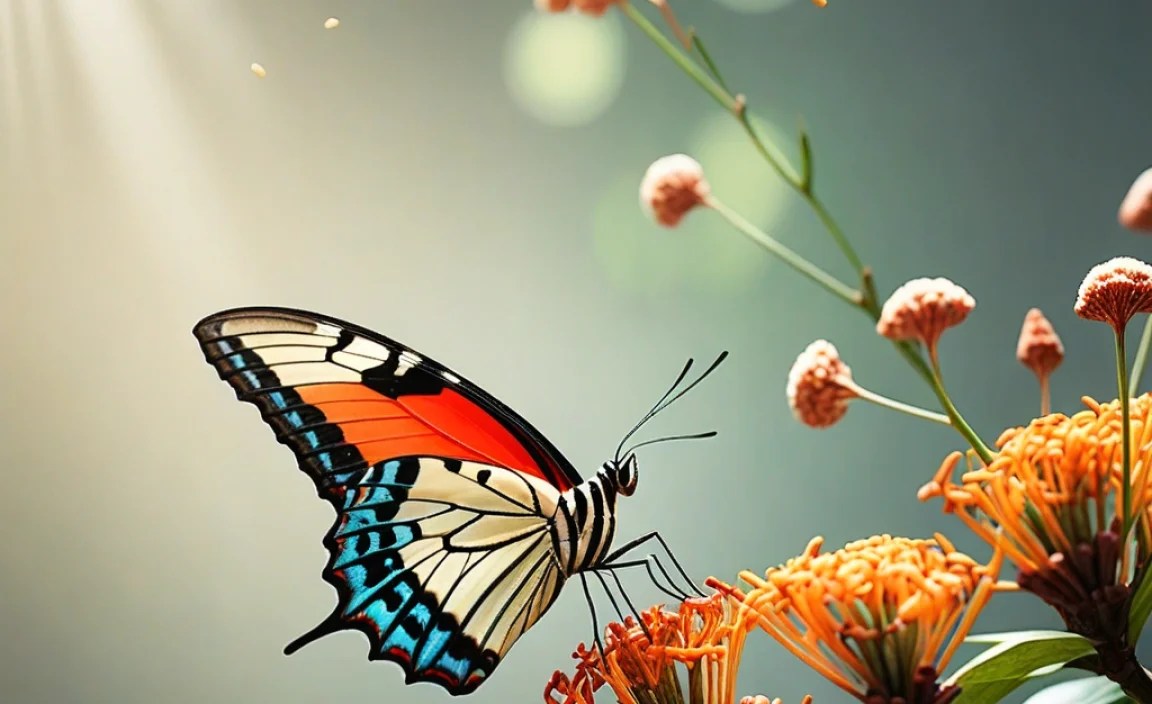
Butterflies are beautiful insects. They fly from flower to flower. They drink nectar. As they drink, pollen sticks to them. Then, they fly to another flower. Some pollen rubs off. This helps the plant. This is how Asian butterfly pollination role works. Different butterflies like different flowers. Some butterflies only visit certain types of flowers. This is because of the flower’s shape and color. The butterfly’s tongue also matters. Some butterflies have long tongues. They can reach nectar deep inside flowers. Other butterflies have short tongues. They prefer flowers with easy-to-reach nectar. The relationship between butterflies and flowers is very special. They depend on each other to survive.
- Butterflies help plants make seeds.
- Pollen sticks to butterflies’ bodies.
- Different butterflies like different flowers.
- Flower shape and color matter.
- Butterfly tongues vary in length.
The Asian butterfly pollination role is important for many plants. Without butterflies, these plants would have trouble growing. Some plants might even disappear. This would affect other animals that depend on those plants. For example, some birds eat the seeds of these plants. If the plants disappear, the birds might not have enough food. So, butterflies play a big part in keeping the ecosystem healthy. By moving pollen, they help plants grow and support other animals. It is a delicate balance. We need to protect butterflies and their habitats. This helps ensure that plants can continue to thrive.
Fun Fact or Stat: Did you know that some butterflies can taste with their feet?
What is Pollination?
Have you ever wondered how plants make seeds? It’s all about pollination. Pollination is when pollen moves from one part of a flower to another. This helps the flower make seeds. There are different ways pollen can move. Sometimes, the wind carries pollen. Other times, insects like bees and butterflies do the work. When a butterfly visits a flower, pollen sticks to its body. As it flies to another flower, some of the pollen rubs off. This helps the second flower get pollinated. This is important because without pollination, many plants cannot make seeds.
Why are Butterflies Good Pollinators?
Butterflies are great pollinators for a few reasons. First, they are colorful. This attracts them to bright flowers. Second, they fly around a lot. This means they visit many different flowers. Third, they have fuzzy bodies. Pollen sticks easily to their fuzz. As they fly, they carry the pollen to other flowers. This helps the plants get pollinated. Butterflies are not as efficient as bees. But they still play a very important role. They visit many different types of flowers. This helps keep the plant population healthy.
How Can We Help Butterflies?
We can do many things to help butterflies. One thing is to plant flowers that butterflies like. These flowers provide nectar for them to eat. Another thing is to avoid using pesticides. Pesticides can harm butterflies and other insects. We can also create butterfly gardens. These gardens provide a safe place for butterflies to live and lay eggs. By helping butterflies, we also help plants. Butterflies play an important role in pollination. By protecting them, we ensure that plants can continue to grow and thrive.
Butterfly Species and Pollination in Asia

Asia is home to many different kinds of butterflies. Each type of butterfly has its own favorite flowers. For example, the Common Rose butterfly likes to visit red and pink flowers. The Blue Tiger butterfly prefers blue and purple flowers. The Asian butterfly pollination role varies depending on the species. Some butterflies are very good at carrying pollen. Others are not as efficient. But all butterflies contribute to pollination in some way. Different butterflies visit flowers at different times of the day. Some are active in the morning. Others are active in the afternoon. This helps ensure that flowers get pollinated throughout the day.
- Asia has many butterfly species.
- Each butterfly likes different flowers.
- Butterflies are active at different times.
- Some butterflies are better pollinators.
- All butterflies help with pollination.
The Asian butterfly pollination role is essential for many plants in Asia. These plants rely on butterflies to reproduce. Without butterflies, they would struggle to survive. This would affect the entire ecosystem. Many animals depend on these plants for food and shelter. If the plants disappeared, these animals would also be affected. So, it is important to protect butterfly habitats. This helps ensure that butterflies can continue to pollinate plants. By protecting butterflies, we are also protecting the entire ecosystem. It is a connected web of life.
Fun Fact or Stat: Some butterflies migrate thousands of miles each year!
Common Asian Butterfly Species
Asia is a large continent. It has many different climates and habitats. This means there are many different kinds of butterflies. Some common species include the Common Rose, the Blue Tiger, and the Lime Butterfly. Each of these butterflies has its own unique characteristics. The Common Rose is known for its bright red and pink colors. The Blue Tiger has beautiful blue stripes. The Lime Butterfly is often found near citrus trees. These butterflies play an important role in pollinating plants. They help keep the ecosystem healthy.
Specific Flowers Butterflies Pollinate
Different butterflies like different flowers. The Common Rose butterfly often visits flowers like lantana and hibiscus. The Blue Tiger butterfly prefers flowers like milkweed and oleander. The Lime Butterfly is attracted to flowers like citrus blossoms. These flowers provide nectar for the butterflies to eat. As the butterflies drink nectar, they also carry pollen. This helps the plants get pollinated. The relationship between butterflies and flowers is very important. They depend on each other to survive.
Threats to Butterfly Populations
Butterfly populations are facing many threats. One of the biggest threats is habitat loss. As forests and other natural areas are destroyed, butterflies lose their homes. Another threat is the use of pesticides. Pesticides can kill butterflies and other insects. Climate change is also a threat. Changes in temperature and rainfall can affect butterfly populations. It is important to protect butterflies and their habitats. This helps ensure that they can continue to pollinate plants.
How Climate Change Impacts Butterfly Pollination
Climate change is affecting butterflies in many ways. Changes in temperature can affect when butterflies emerge from their pupae. This can disrupt their life cycle. It can also affect when flowers bloom. If butterflies emerge before flowers bloom, they may not have enough food. Changes in rainfall can also affect butterflies. Droughts can kill flowers, which means less food for butterflies. Floods can wash away butterfly eggs and larvae. The Asian butterfly pollination role is also affected by climate change. If butterfly populations decline, plants may not get pollinated. This can lead to a decline in plant populations.
- Climate change affects butterfly life cycles.
- Temperature changes disrupt butterfly emergence.
- Rainfall changes affect flower availability.
- Droughts kill flowers, reducing butterfly food.
- Floods wash away butterfly eggs.
The Asian butterfly pollination role is crucial for many ecosystems. Butterflies help plants reproduce. This supports the entire food chain. Climate change threatens this important process. We need to take action to reduce climate change. This will help protect butterflies and the plants they pollinate. We can reduce our carbon footprint by using less energy. We can also support policies that protect natural areas. By working together, we can help ensure that butterflies continue to thrive. This will help keep ecosystems healthy.
Fun Fact or Stat: Some butterflies can fly up to 30 miles per hour!
Changes in Butterfly Habitats
Climate change is causing changes in butterfly habitats. As temperatures rise, some butterfly species are moving to cooler areas. This can disrupt ecosystems. It can also lead to competition between different butterfly species. Changes in rainfall are also affecting butterfly habitats. Some areas are becoming drier, while others are becoming wetter. This can affect the types of plants that grow in these areas. This, in turn, affects the butterflies that depend on these plants.
Effects on Butterfly Migration Patterns
Some butterflies migrate long distances each year. Climate change is affecting these migration patterns. Changes in temperature and rainfall can make it harder for butterflies to find food and shelter along their migration routes. This can lead to a decline in butterfly populations. We need to protect butterfly habitats along migration routes. This will help ensure that butterflies can continue to migrate successfully.
Strategies for Protecting Butterflies
There are many strategies for protecting butterflies from the effects of climate change. One strategy is to reduce our carbon footprint. This can help slow down climate change. Another strategy is to protect and restore butterfly habitats. This can help butterflies adapt to changing conditions. We can also help butterflies by planting flowers that they like. This provides them with food and shelter. By working together, we can help ensure that butterflies continue to thrive.
Comparing Butterfly Pollination to Bee Pollination

Butterflies and bees both help pollinate plants. But they do it in different ways. Bees are often more efficient pollinators. They have special hairs on their bodies that collect pollen. Butterflies, on the other hand, have smoother bodies. This means they don’t collect as much pollen. However, butterflies visit a wider variety of flowers. This can be important for plants that need to be pollinated by different species. The Asian butterfly pollination role is unique. It complements the role of bees and other pollinators. Both butterflies and bees are essential for healthy ecosystems.
| Feature | Butterflies | Bees |
|---|---|---|
| Pollen Collection | Less efficient | Very efficient |
| Body Type | Smooth | Hairy |
| Flower Variety | Wide variety | More selective |
| Pollination Type | Less targeted | More targeted |
| Importance | Important | Very Important |
- Bees are efficient pollen collectors.
- Butterflies visit many flower types.
- Bees have hairy bodies.
- Butterflies have smooth bodies.
- Both help pollinate plants.
The Asian butterfly pollination role is different from bee pollination in several ways. Butterflies tend to visit flowers with bright colors and sweet nectar. Bees are attracted to flowers with more pollen. Butterflies also fly longer distances than bees. This means they can carry pollen to more distant plants. Both butterflies and bees play important roles in pollination. They help ensure that plants can reproduce and thrive. It is important to protect both types of pollinators. This helps keep ecosystems healthy and diverse.
Fun Fact or Stat: Bees are responsible for pollinating about one-third of the world’s food crops!
Pollen Collection Methods
Bees have special hairs on their bodies that collect pollen. These hairs are branched and feathery. This helps them trap pollen as they fly from flower to flower. Butterflies, on the other hand, do not have these specialized hairs. Pollen sticks to their bodies more randomly. This means they are not as efficient at collecting pollen. However, they still play an important role in pollination. They visit many different types of flowers.
Flower Preferences
Bees and butterflies have different flower preferences. Bees are often attracted to flowers with bright colors and strong scents. They also prefer flowers with lots of pollen. Butterflies are attracted to flowers with bright colors and sweet nectar. They also prefer flowers with a landing platform. This makes it easier for them to feed. These different preferences help ensure that a wide variety of plants get pollinated.
Efficiency of Pollination
Bees are generally more efficient pollinators than butterflies. This is because they have specialized hairs for collecting pollen. They also visit flowers more frequently. However, butterflies can still play an important role in pollination. They visit a wider variety of flowers. They also fly longer distances. This means they can carry pollen to more distant plants. Both bees and butterflies are important for healthy ecosystems.
Protecting Butterfly Habitats to Support Pollination
Protecting butterfly habitats is crucial for supporting pollination. Butterflies need places to live, feed, and reproduce. Habitat loss is one of the biggest threats to butterfly populations. As forests and other natural areas are destroyed, butterflies lose their homes. We can protect butterfly habitats by preserving natural areas. We can also create butterfly gardens in our own backyards. The Asian butterfly pollination role depends on healthy butterfly populations. By protecting their habitats, we can help ensure that they continue to pollinate plants.
- Habitat loss threatens butterflies.
- Protecting habitats helps butterflies.
- Preserve natural areas for butterflies.
- Create butterfly gardens at home.
- Healthy butterflies pollinate plants.
The Asian butterfly pollination role is vital for many ecosystems. Butterflies help plants reproduce. This supports the entire food chain. Protecting butterfly habitats is essential for maintaining this important process. We can protect butterfly habitats by reducing our use of pesticides. Pesticides can harm butterflies and other insects. We can also support policies that protect natural areas. By working together, we can help ensure that butterflies continue to thrive. This will help keep ecosystems healthy and diverse.
Fun Fact or Stat: A group of butterflies is called a flutter!
Creating Butterfly Gardens
Creating a butterfly garden is a great way to help butterflies. Choose plants that provide nectar for butterflies to eat. Also, choose plants that provide food for butterfly larvae. These are called host plants. Some popular host plants include milkweed, dill, and parsley. Provide a water source for butterflies. A shallow dish of water with some stones is perfect. Avoid using pesticides in your butterfly garden. This will help protect butterflies and other beneficial insects.
Reducing Pesticide Use
Pesticides can harm butterflies and other beneficial insects. Reduce your use of pesticides in your yard and garden. Use natural pest control methods instead. These include using beneficial insects, such as ladybugs, to control pests. You can also use organic pesticides, which are less harmful to the environment. By reducing your use of pesticides, you can help protect butterflies and other pollinators.
Supporting Conservation Efforts
Support conservation efforts that protect butterfly habitats. Donate to organizations that work to preserve natural areas. Volunteer your time to help restore butterfly habitats. Educate others about the importance of butterflies and their habitats. By supporting conservation efforts, you can help ensure that butterflies continue to thrive. This will help keep ecosystems healthy and diverse.
The Economic Value of Butterfly Pollination
Butterfly pollination has economic value. Many crops depend on insects for pollination. This includes fruits, vegetables, and nuts. Without pollinators, these crops would not be able to produce as much food. This would lead to higher food prices. The Asian butterfly pollination role contributes to the economy. It helps ensure that we have enough food to eat. By protecting butterflies, we are also protecting our food supply. This has economic benefits for everyone.
- Pollinators help grow crops.
- Crops need pollinators to produce food.
- Butterflies contribute to the economy.
- Protecting butterflies protects our food.
- Pollination keeps food prices down.
The Asian butterfly pollination role is often overlooked. But it is an important part of the economy. Butterflies help pollinate many different crops. These crops provide food for people and animals. They also provide income for farmers. By protecting butterflies, we are supporting farmers and the economy. We are also ensuring that we have a sustainable food supply. This is important for the future. We need to recognize the economic value of butterfly pollination.
Fun Fact or Stat: The global economic value of insect pollination is estimated at billions of dollars per year!
Crops Pollinated by Butterflies
Butterflies pollinate many different crops. These include fruits like blueberries, raspberries, and strawberries. They also pollinate vegetables like tomatoes, peppers, and squash. Nuts like almonds and cashews also benefit from butterfly pollination. These crops are important for our diet. They provide essential vitamins and nutrients. By protecting butterflies, we are ensuring that we have access to these healthy foods.
Impact on Food Production
Pollinators play a crucial role in food production. Without pollinators, many crops would not be able to produce as much food. This would lead to lower yields and higher food prices. Studies have shown that pollinator decline can have a significant impact on food production. By protecting pollinators, we can help ensure that we have a stable and affordable food supply.
Supporting Sustainable Agriculture
Sustainable agriculture practices can help protect pollinators. These practices include reducing pesticide use, planting pollinator-friendly crops, and creating pollinator habitats. By supporting sustainable agriculture, we can help ensure that pollinators continue to thrive. This will help keep our food supply secure and our economy strong.
Educational Initiatives About Butterfly Pollination
Education is key to protecting butterflies and their habitats. Many educational initiatives teach people about the importance of butterfly pollination. These programs teach children and adults about the Asian butterfly pollination role. They also teach them how to protect butterflies and their habitats. By educating people, we can create a more sustainable future. We can also inspire the next generation of conservationists. These initiatives are essential for ensuring the long-term survival of butterflies.
- Education protects butterflies.
- Programs teach about butterfly pollination.
- People learn how to protect habitats.
- Education creates a sustainable future.
- Initiatives help butterflies survive.
The Asian butterfly pollination role is often overlooked. Many people do not realize how important butterflies are to our ecosystem. Educational initiatives help raise awareness about this important topic. They teach people about the benefits of butterfly pollination. They also teach them how to take action to protect butterflies. By educating people, we can create a more butterfly-friendly world. This will benefit both butterflies and humans.
Fun Fact or Stat: There are over 20,000 species of butterflies in the world!
School Programs
Many schools offer programs about butterflies and pollination. These programs teach students about the life cycle of butterflies. They also teach them about the importance of pollination. Students may also participate in activities like planting butterfly gardens. These programs help students develop a love for nature. They also teach them how to be responsible stewards of the environment.
Community Workshops
Community workshops offer opportunities for adults to learn about butterflies and pollination. These workshops may cover topics like butterfly gardening, pesticide reduction, and habitat restoration. Participants may also learn how to identify different butterfly species. These workshops empower people to take action in their own communities. They can help create a more butterfly-friendly environment.
Online Resources
Many online resources provide information about butterflies and pollination. These resources include websites, videos, and interactive games. They offer a convenient way for people to learn about these topics. They can also be used by teachers in the classroom. Online resources make it easy for people to access information and get involved in butterfly conservation.
Summary
Butterflies play a key role in Asian ecosystems. The Asian butterfly pollination role is essential for plant reproduction. Butterflies carry pollen between flowers. This helps plants make seeds. Climate change and habitat loss threaten butterflies. These threats affect pollination. Protecting butterfly habitats is important. We can create butterfly gardens. We can reduce pesticide use.
Education about butterflies is also important. School programs and community workshops can help. These programs teach people about butterfly pollination. They also teach them how to protect butterflies. By working together, we can help butterflies thrive. This will benefit both butterflies and humans. Protecting butterflies protects our planet.
Conclusion
Butterflies are important pollinators in Asia. They help plants reproduce. They support healthy ecosystems. Protecting butterflies is crucial. We must protect their habitats. We must reduce threats like climate change. We need to continue learning about the Asian butterfly pollination role. By doing so, we can ensure a healthy future for butterflies. This will also help ensure a healthy future for our planet.
Frequently Asked Questions
Question No 1: What is pollination and why is it important?
Answer: Pollination is when pollen moves from one flower to another. This helps the flower make seeds. Seeds grow into new plants. Pollination is important because many plants need it to reproduce. Without pollination, we would not have as many fruits, vegetables, and flowers. Pollinators like bees and butterflies help with this process. The Asian butterfly pollination role is very important for the ecosystem.
Question No 2: How do butterflies help with pollination?
Answer: Butterflies visit flowers to drink nectar. Nectar is a sweet juice that gives them energy. As they drink nectar, pollen sticks to their bodies. Then, they fly to another flower. Some of the pollen rubs off on the new flower. This helps the plant get pollinated. Butterflies are not as efficient as bees. But they still play an important role. The Asian butterfly pollination role involves many butterfly species.
Question No 3: What are some threats to butterfly populations?
Answer: Butterfly populations face many threats. One of the biggest threats is habitat loss. As forests and other natural areas are destroyed, butterflies lose their homes. Another threat is the use of pesticides. Pesticides can kill butterflies and other insects. Climate change is also a threat. Changes in temperature and rainfall can affect butterfly populations. We can help protect butterflies by reducing these threats. This ensures that the Asian butterfly pollination role can continue.
Question No 4: How can I help butterflies in my own backyard?
Answer: You can do many things to help butterflies. One thing is to plant flowers that butterflies like. These flowers provide nectar for them to eat. Another thing is to avoid using pesticides in your yard. Pesticides can harm butterflies and other insects. You can also create a butterfly garden. This will provide a safe place for butterflies to live and lay eggs.
Question No 5: What is the economic value of butterfly pollination?
Answer: Butterfly pollination has economic value. Many crops depend on insects for pollination. This includes fruits, vegetables, and nuts. Without pollinators, these crops would not be able to produce as much food. This would lead to higher food prices. The Asian butterfly pollination role helps ensure that we have enough food to eat. Protecting butterflies protects our food supply.
Question No 6: Where can I learn more about butterflies and pollination?
Answer: There are many places to learn more about butterflies and pollination. You can visit your local library or nature center. You can also find information online. Many websites and organizations provide information about butterflies and pollination. Some schools also offer programs about butterflies. Learning more about the Asian butterfly pollination role is a great start.


