
Scientific Butterfly List: The Ultimate ID Guide

Quick Summary: A scientific butterfly list organizes butterflies by family, genus, and species, providing a structured way to study and identify them. This classification helps researchers and enthusiasts understand butterfly evolution, distribution, and relationships. Using scientific names ensures accuracy and consistency in communication across different regions and languages.
Have you ever wondered how scientists keep track of all the different types of butterflies? It can seem overwhelming! With so many colors, shapes, and sizes, it’s easy to get lost. But don’t worry! Understanding the scientific classification of butterflies is much easier than you might think.
This guide will walk you through everything you need to know about scientific butterfly lists. We’ll explore how these lists are organized, why they are important, and how you can use them to identify and learn more about these amazing creatures. Get ready to dive into the fascinating world of butterfly taxonomy!
What is a Scientific Butterfly List?

A scientific butterfly list is a structured way of organizing butterflies based on their evolutionary relationships. Think of it as a family tree for butterflies! These lists use a specific naming system called binomial nomenclature, which was developed by Carl Linnaeus. This system gives each butterfly a unique two-part name consisting of its genus and species.
Why Use Scientific Names?
Common names for butterflies can vary from place to place. What one person calls a “Monarch” might be known by a different name somewhere else. Scientific names, however, are universal. They provide a consistent way to identify each butterfly, no matter where you are in the world. For example, the Monarch butterfly is always known as Danaus plexippus in scientific contexts.
Structure of a Scientific Butterfly List
Butterfly lists are organized hierarchically, meaning they follow a nested structure from broad categories to more specific ones. Here’s a breakdown of the levels:
- Kingdom: Animalia (all animals)
- Phylum: Arthropoda (insects, spiders, crustaceans)
- Class: Insecta (all insects)
- Order: Lepidoptera (butterflies and moths)
- Family: Group of related butterflies (e.g., Nymphalidae, Papilionidae)
- Genus: A group of closely related species (e.g., Danaus)
- Species: A specific type of butterfly (e.g., Danaus plexippus)
This structure helps scientists understand how different butterflies are related to each other and how they have evolved over time. It’s a bit like organizing your books on a shelf – you start with the broad category (like “Fiction”) and then narrow it down to the specific author and title.
Key Butterfly Families
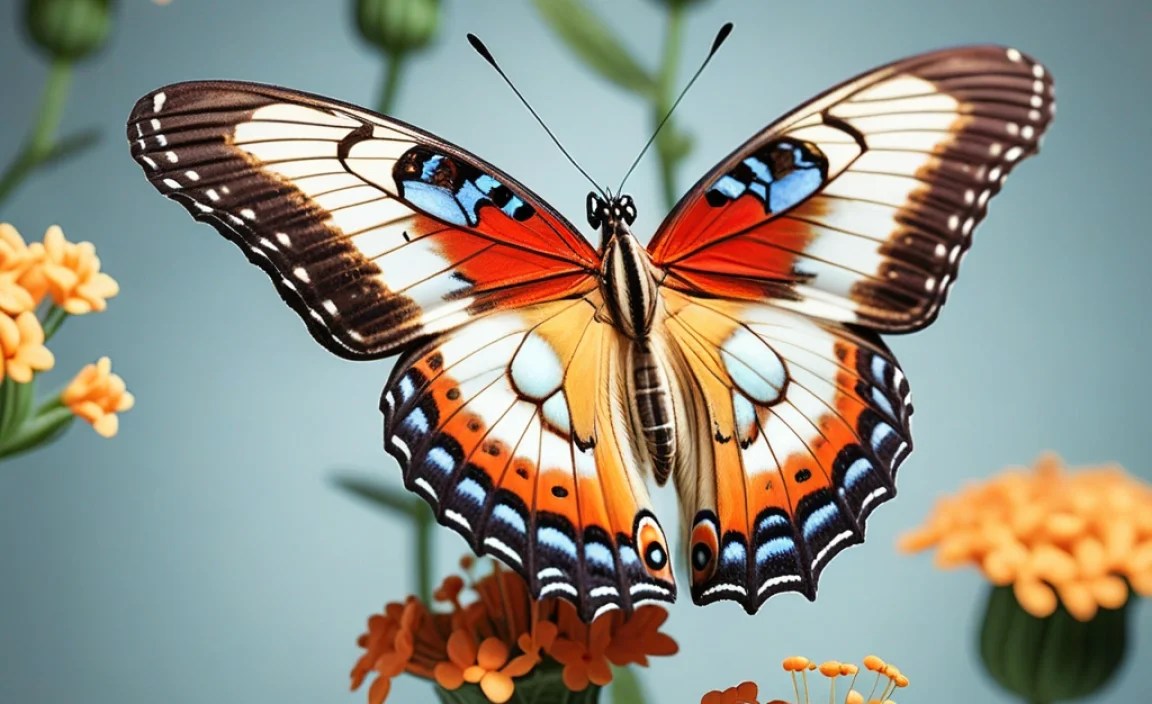
Butterflies are divided into several families, each with unique characteristics. Here are some of the most common and well-known families:
Nymphalidae (Brush-footed Butterflies)
The Nymphalidae family is one of the largest and most diverse. These butterflies are called “brush-footed” because their front legs are small and hairy, and they don’t use them for walking. Instead, they use them for tasting!
- Characteristics: Medium to large size, often brightly colored, reduced front legs.
- Examples: Monarch (Danaus plexippus), Painted Lady (Vanessa cardui), Red Admiral (Vanessa atalanta).
- Habitat: Found in various habitats worldwide.
Papilionidae (Swallowtail Butterflies)
Swallowtails are known for their beautiful patterns and the distinctive tails on their hindwings. They are often large and striking, making them a favorite among butterfly enthusiasts.
- Characteristics: Large size, often with tails on hindwings, bright colors.
- Examples: Eastern Tiger Swallowtail (Papilio glaucus), Black Swallowtail (Papilio polyxenes), Pipevine Swallowtail (Battus philenor).
- Habitat: Found in gardens, meadows, and woodlands.
Pieridae (Whites and Sulphurs)
This family includes butterflies that are typically white, yellow, or orange. Many Pieridae butterflies are common and widespread.
- Characteristics: Small to medium size, often white, yellow, or orange, some with dark markings.
- Examples: Cabbage White (Pieris rapae), Clouded Sulphur (Colias philodice), Orange Sulphur (Colias eurytheme).
- Habitat: Open areas like fields, meadows, and gardens.
Lycaenidae (Gossamer-winged Butterflies)
Lycaenidae is a large family of small, often colorful butterflies. Many species have intricate patterns and metallic hues.
- Characteristics: Small size, often brightly colored with metallic or iridescent scales.
- Examples: Spring Azure (Celastrina ladon), American Copper (Lycaena phlaeas), Eastern Tailed-Blue (Cupido comyntas).
- Habitat: Various habitats, including woodlands, meadows, and gardens.
Hesperiidae (Skippers)
Skippers are small, stout-bodied butterflies with hooked antennae. They have a rapid, darting flight pattern, which gives them their name.
- Characteristics: Small, stout body, hooked antennae, rapid flight.
- Examples: Silver-spotted Skipper (Epargyreus clarus), Sachem (Atalopedes campestris), Least Skipper (Ancyloxypha numitor).
- Habitat: Grasslands, meadows, and woodland edges.
Using a Scientific Butterfly List

So, how can you use a scientific butterfly list? Here are some practical applications:
Butterfly Identification
When trying to identify a butterfly, start by noting its key characteristics, such as size, color, and wing patterns. Then, consult a butterfly field guide or online resource that uses scientific names. By comparing the butterfly you observed with the descriptions and images, you can narrow down the possibilities and identify the species.
Research and Study
For researchers and students, scientific butterfly lists are essential for studying butterfly biology, ecology, and conservation. These lists provide a standardized way to refer to different species and track their distribution and population changes. They also help in understanding the evolutionary relationships between different butterfly groups.
Conservation Efforts
Accurate identification is crucial for effective conservation. Scientific butterfly lists help conservationists identify endangered species and monitor their populations. This information is vital for developing strategies to protect these butterflies and their habitats. Organizations like the Xerces Society use scientific classifications to guide their conservation work.
Examples of Scientific Butterfly Lists
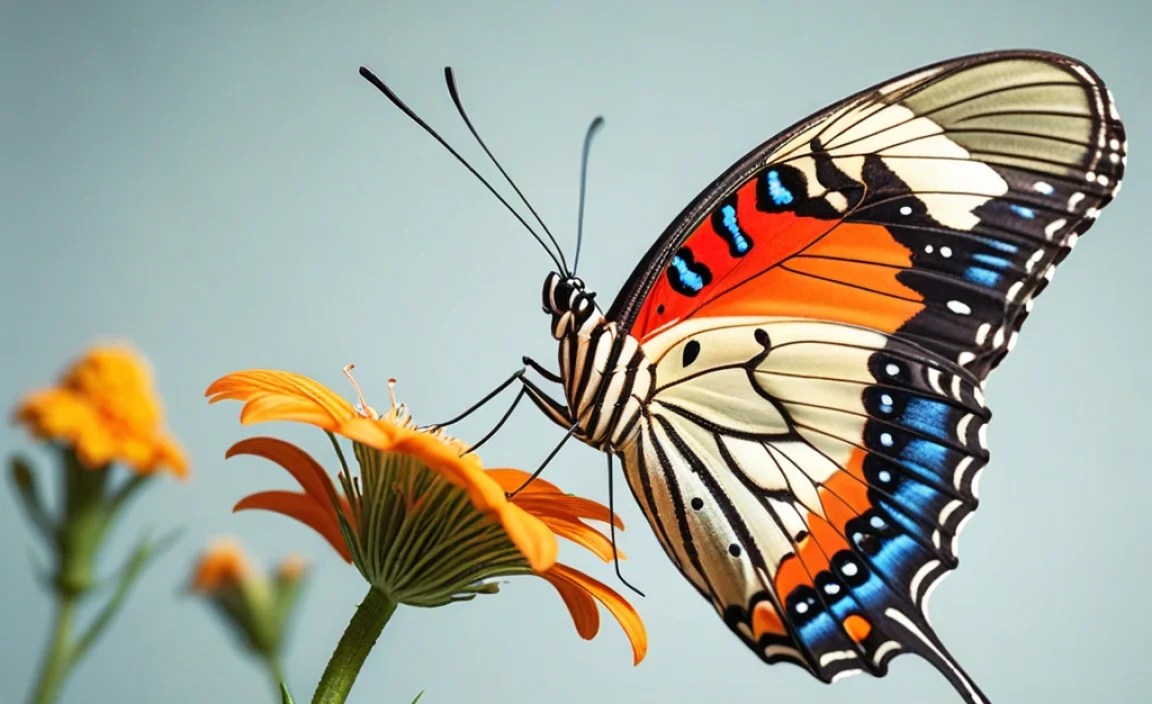
There are many resources available that provide scientific butterfly lists. Here are a few examples:
- Butterflies and Moths of North America (BAMONA): This website offers comprehensive lists of butterflies and moths found in North America, along with photos, descriptions, and distribution maps.
- The Integrated Taxonomic Information System (ITIS): ITIS provides authoritative taxonomic information on plants, animals, fungi, and microbes, including butterflies.
- Local Field Guides: Many local field guides include scientific names alongside common names, making them a valuable resource for identifying butterflies in your area.
Creating a Butterfly Garden
One of the best ways to appreciate butterflies is to create a butterfly garden. By planting specific host plants and nectar sources, you can attract a variety of butterfly species to your yard.
Choosing the Right Plants
To attract butterflies, you need to provide both host plants for caterpillars and nectar plants for adult butterflies. Here are some popular choices:
- Host Plants:
- Monarch: Milkweed (Asclepias spp.)
- Black Swallowtail: Parsley (Petroselinum crispum), Dill (Anethum graveolens)
- Pipevine Swallowtail: Pipevine (Aristolochia macrophylla)
- Nectar Plants:
- Butterfly Bush: (Buddleja davidii)
- Zinnia: (Zinnia elegans)
- Lantana: (Lantana camara)
Designing Your Garden
When designing your butterfly garden, consider the following tips:
- Sunlight: Butterflies need sunlight to warm their bodies, so choose a sunny location.
- Shelter: Provide shelter from wind and rain with shrubs and trees.
- Water: Offer a shallow dish of water or a mud puddle for butterflies to drink.
- Avoid Pesticides: Pesticides can harm or kill butterflies and caterpillars, so avoid using them in your garden.
The Importance of Butterfly Conservation
Butterflies are not only beautiful, but they also play an important role in the ecosystem. They are pollinators, helping to spread pollen from flower to flower, which is essential for plant reproduction. They are also a food source for birds, bats, and other animals.
Threats to Butterflies
Unfortunately, many butterfly species are facing threats due to habitat loss, climate change, and pesticide use. Habitat loss occurs when natural areas are converted to agricultural land or urban development. Climate change can alter butterfly migration patterns and breeding cycles. Pesticides can directly kill butterflies and caterpillars or contaminate their food sources.
How You Can Help
There are many things you can do to help protect butterflies:
- Plant a Butterfly Garden: Provide habitat and food for butterflies in your yard.
- Support Conservation Organizations: Donate to organizations that work to protect butterfly habitats.
- Reduce Pesticide Use: Avoid using pesticides in your garden and support sustainable agriculture.
- Educate Others: Share your knowledge and passion for butterflies with friends and family.
Butterfly Symbolism and Cultural Significance
Butterflies have captivated humans for centuries and are often seen as symbols of transformation, beauty, and hope. In many cultures, butterflies are associated with the soul or spirit. Some believe that butterflies represent the souls of departed loved ones, while others see them as messengers from the spirit world.
Butterflies in Art and Literature
Butterflies have been a popular subject in art and literature throughout history. They are often depicted in paintings, poems, and stories as symbols of beauty, freedom, and change. For example, the butterfly is a recurring motif in the works of William Blake, who used it to represent the human soul.
Butterflies in Different Cultures
Different cultures have unique beliefs and traditions associated with butterflies. In Japan, butterflies are often seen as symbols of happiness and longevity. In Mexico, the Monarch butterfly is associated with the Day of the Dead, when it is believed that the souls of the departed return to visit their families.
Butterfly Life Cycle
Understanding the butterfly life cycle is essential for appreciating these incredible creatures. Butterflies undergo complete metamorphosis, which means they have four distinct life stages: egg, larva (caterpillar), pupa (chrysalis), and adult.
Egg Stage
Butterflies lay their eggs on or near their host plants. The eggs can vary in shape, size, and color depending on the species. Some eggs are laid singly, while others are laid in clusters.
Larva (Caterpillar) Stage
The larva, or caterpillar, is the feeding stage of the butterfly life cycle. Caterpillars eat voraciously, growing rapidly and molting their skin several times. Each molt is called an instar.
Pupa (Chrysalis) Stage
When the caterpillar is fully grown, it enters the pupa stage. The pupa, or chrysalis, is a protective shell in which the caterpillar undergoes a remarkable transformation. Inside the chrysalis, the caterpillar’s body breaks down and reorganizes into the adult butterfly.
Adult Stage
After a period of time, which can range from a few weeks to several months, the adult butterfly emerges from the chrysalis. The butterfly’s wings are initially crumpled, but they quickly expand as they fill with fluid. Once the wings are dry and strong, the butterfly is ready to fly and reproduce.
Resources for Further Learning
Want to learn more about butterflies? Here are some helpful resources:
- Books:
- Butterflies of North America by Jim P. Brock and Kenn Kaufman
- National Audubon Society Field Guide to Butterflies
- Websites:
- Butterflies and Moths of North America (BAMONA)
- The Xerces Society for Invertebrate Conservation
- National Geographic – Butterflies
By exploring these resources, you can deepen your knowledge of butterflies and contribute to their conservation.
Table of Common Butterflies and Their Scientific Names
| Common Name | Scientific Name | Family |
|---|---|---|
| Monarch | Danaus plexippus | Nymphalidae |
| Eastern Tiger Swallowtail | Papilio glaucus | Papilionidae |
| Cabbage White | Pieris rapae | Pieridae |
| Spring Azure | Celastrina ladon | Lycaenidae |
| Silver-spotted Skipper | Epargyreus clarus | Hesperiidae |
Table of Butterfly Families and Characteristics
| Family | Characteristics | Examples |
|---|---|---|
| Nymphalidae | Brush-footed, medium to large size, often brightly colored | Monarch, Painted Lady, Red Admiral |
| Papilionidae | Large size, tails on hindwings, bright colors | Eastern Tiger Swallowtail, Black Swallowtail, Pipevine Swallowtail |
| Pieridae | Small to medium size, white, yellow, or orange | Cabbage White, Clouded Sulphur, Orange Sulphur |
| Lycaenidae | Small size, brightly colored, metallic or iridescent scales | Spring Azure, American Copper, Eastern Tailed-Blue |
| Hesperiidae | Small, stout body, hooked antennae, rapid flight | Silver-spotted Skipper, Sachem, Least Skipper |
FAQ
Here are some frequently asked questions about scientific butterfly lists:
What is binomial nomenclature?
Binomial nomenclature is a two-part naming system used to identify each species. It consists of the genus name followed by the species name (e.g., Danaus plexippus for the Monarch butterfly). This system provides a universal and consistent way to refer to different species.
Why are scientific names important?
Scientific names are important because they provide a standardized way to identify species across different regions and languages. Common names can vary, but scientific names are universally recognized, ensuring clear communication among scientists and enthusiasts.
How are butterflies classified?
Butterflies are classified using a hierarchical system that includes kingdom, phylum, class, order, family, genus, and species. This system reflects the evolutionary relationships between different butterfly groups, helping scientists understand their diversity and history.
What is the difference between a butterfly and a moth?
Butterflies and moths both belong to the order Lepidoptera, but they have several key differences. Butterflies typically have slender bodies, clubbed antennae, and hold their wings upright when at rest. Moths, on the other hand, often have stout bodies, feathery antennae, and hold their wings flat when at rest.
How can I attract butterflies to my garden?
To attract butterflies to your garden, plant both host plants for caterpillars and nectar plants for adult butterflies. Provide a sunny location, shelter from wind, and a source of water. Avoid using pesticides, as they can harm or kill butterflies and caterpillars.
What are some threats to butterfly populations?
Butterfly populations face threats from habitat loss, climate change, and pesticide use. Habitat loss occurs when natural areas are converted to agricultural land or urban development. Climate change can alter butterfly migration patterns and breeding cycles. Pesticides can directly kill butterflies and caterpillars or contaminate their food sources.
How can I help protect butterflies?
You can help protect butterflies by planting a butterfly garden, supporting conservation organizations, reducing pesticide use, and educating others about the importance of butterfly conservation. Every small effort can make a big difference in protecting these beautiful and important creatures.
Conclusion
Understanding scientific butterfly lists is a great way to deepen your appreciation for these fascinating insects. By learning about butterfly classification, you can identify different species, understand their evolutionary relationships, and contribute to their conservation. Whether you’re a seasoned naturalist or a beginner butterfly enthusiast, there’s always something new to discover in the world of butterflies. So, grab your field guide, head outside, and start exploring!


