
Butterfly Naming Conventions: The Ultimate Guide

Quick Summary: Butterfly names are a mix of scientific precision and historical whimsy! Each butterfly has a unique scientific name composed of two parts: the genus (like a last name) and the species (like a first name). These names often describe a butterfly’s appearance, behavior, or the place where it was discovered. Common names, on the other hand, are more casual and can vary by region, adding to the colorful world of butterfly identification.
Have you ever wondered how butterflies get their names? It’s a fascinating blend of science, history, and sometimes, just plain old whimsy! Butterflies, with their delicate wings and captivating beauty, deserve names that reflect their unique identities. But with so many different species fluttering around, how do scientists and enthusiasts keep track? Naming butterflies involves a structured system, but it’s not without its quirks and interesting stories. So, let’s flutter into the world of butterfly naming conventions and uncover the secrets behind those elegant labels!
In this article, we’ll explore the fascinating world of butterfly nomenclature, from the formal scientific names to the more casual common names. We’ll dive into the rules and traditions that govern how these beautiful creatures are identified and classified. Get ready to discover the stories behind the names and gain a deeper appreciation for the science and art of butterfly identification.
Understanding Scientific Names

Every butterfly species has a scientific name, which is like its official, globally recognized identifier. This system ensures that scientists around the world know exactly which butterfly they’re talking about, regardless of regional differences in common names. The scientific naming system is called binomial nomenclature, and it was developed by Carl Linnaeus in the 18th century.
Binomial Nomenclature Explained
Binomial nomenclature means “two-name naming system.” Each scientific name consists of two parts:
- Genus: The first part of the name, representing the broader group to which the butterfly belongs. It’s always capitalized. Think of it like a person’s last name.
- Species: The second part of the name, identifying the specific butterfly within that genus. It’s always lowercase. Think of it like a person’s first name.
Both the genus and species names are typically italicized. For example, the Monarch butterfly’s scientific name is Danaus plexippus. Danaus is the genus, and plexippus is the species.
Rules and Guidelines for Scientific Names
There are specific rules that govern the creation and use of scientific names:
- Uniqueness: Each species must have a unique name to avoid confusion.
- Latin or Latinized: Scientific names are either derived from Latin or are Latinized versions of other languages. This ensures universality across different languages and cultures.
- Publication: A new scientific name must be formally published in a recognized scientific journal, along with a detailed description of the species and its characteristics.
- Priority: The first validly published name for a species is the one that should be used, following the principle of priority.
Examples of Butterfly Scientific Names and Their Meanings
Butterfly names often reflect a butterfly’s appearance, behavior, or the location where it was first discovered. Here are a few examples:
| Scientific Name | Common Name | Meaning |
|---|---|---|
| Papilio glaucus | Eastern Tiger Swallowtail | Papilio is Latin for “butterfly,” and glaucus means “grayish-blue” or “gleaming,” referring to the color variations in the female form. |
| Vanessa atalanta | Red Admiral | Vanessa is a classical name often associated with butterflies, and atalanta refers to Atalanta, a huntress in Greek mythology, known for her speed and agility. |
| Battus philenor | Pipevine Swallowtail | Battus is a king of Libya in Greek mythology, and philenor is a figure from the Aeneid, adding a classical touch to the name. |
| Morpho peleides | Blue Morpho | Morpho refers to the Greek word for “beautiful shape,” and peleides refers to Achilles (Peleus’ son) in Greek mythology, highlighting the butterfly’s stunning appearance. |
Exploring Common Names

While scientific names provide a standardized, universal way to identify butterflies, common names offer a more accessible and often more colorful way to refer to them. Common names are the names that people use in everyday language, and they can vary widely from region to region.
The Variability of Common Names
Unlike scientific names, common names are not governed by strict rules. This means that the same butterfly species might have different common names in different parts of the world, or even within the same country. For example, a butterfly known as the “Black Swallowtail” in North America might be called something completely different in Europe or Asia.
Origins and Meanings of Common Names
Common names often arise from local observations, folklore, or cultural traditions. They might describe a butterfly’s appearance, behavior, habitat, or even its association with certain plants or animals. Here are a few examples:
- Monarch: This name likely comes from the butterfly’s large size and regal appearance, reminiscent of a monarch.
- Painted Lady: This name refers to the butterfly’s colorful and intricate wing patterns, which resemble a painted work of art.
- Cabbage White: This name is derived from the butterfly’s habit of laying its eggs on cabbage plants, making it a common sight in vegetable gardens.
The Role of Common Names in Butterfly Identification
Common names can be helpful for quick and easy identification, especially for amateur butterfly enthusiasts. However, it’s important to be aware of the potential for confusion due to the variability of these names. When communicating with scientists or other experts, it’s always best to use the scientific name to ensure clarity.
The Process of Naming a New Butterfly Species

Discovering and naming a new butterfly species is an exciting and meticulous process. It involves careful observation, detailed documentation, and adherence to established scientific protocols. Here’s an overview of the steps involved:
Discovery and Collection
The first step is the discovery of a butterfly that appears to be different from known species. This might involve fieldwork in remote areas, examining museum collections, or even noticing a unique specimen in your own backyard. Once a potentially new species is identified, specimens are collected for further study. Permits are often required for collecting, especially in protected areas, so it’s important to check local regulations.
Detailed Examination and Documentation
The collected specimens are then subjected to detailed examination. This includes:
- Morphological Analysis: Examining the butterfly’s physical characteristics, such as wing patterns, body shape, and antennae structure.
- Genetic Analysis: Analyzing the butterfly’s DNA to determine its genetic relationship to other species. This often involves DNA sequencing and comparison to existing databases.
- Geographic Distribution: Mapping the butterfly’s geographic range and habitat preferences.
Choosing a Name
If the evidence confirms that the butterfly is indeed a new species, the next step is to choose a scientific name. This is where creativity and scientific rigor come together. The name should be:
- Unique: It must not have been used for any other species.
- Descriptive: It should ideally reflect some aspect of the butterfly’s appearance, behavior, or habitat.
- Latinized: It should be in Latin or a Latinized form of another language.
The person naming the butterfly can also choose to honor a person, place, or event that is significant to them.
Publication
The final step is to publish the new species description in a recognized scientific journal. The publication must include:
- Detailed Description: A comprehensive description of the butterfly’s physical characteristics, including measurements, colors, and patterns.
- Type Specimen: Designation of a “type specimen,” which serves as the official representative of the species. This specimen is typically deposited in a museum or research institution.
- Etymology: An explanation of the meaning and origin of the scientific name.
- Phylogenetic Analysis: The results of any genetic analyses that support the species’ distinctiveness.
Once the publication is accepted and published, the new butterfly species is officially recognized by the scientific community.
For more information on the rules and guidelines for naming new species, you can consult the International Code of Zoological Nomenclature, which provides a comprehensive framework for zoological nomenclature. You can find more details at ICZN.
Common Mistakes in Butterfly Identification
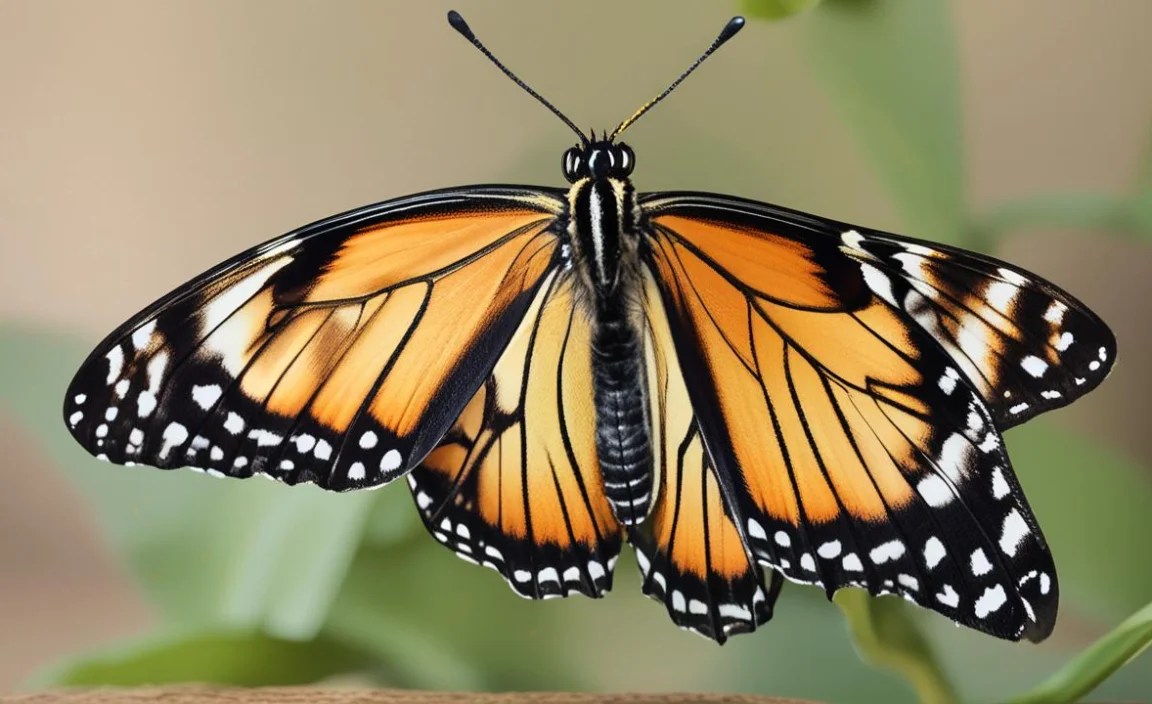
Butterfly identification can be tricky, especially for beginners. Here are some common mistakes to watch out for:
Relying Too Heavily on Color
While color is an important characteristic, it can be misleading. Many butterfly species have color variations within the same population, and some species mimic the colors of others. Always consider other features, such as wing shape, size, and pattern details.
Ignoring Geographic Location
Butterflies have specific geographic ranges, and some species are only found in certain regions. Knowing the location where you observed the butterfly can help narrow down the possibilities.
Not Considering Seasonal Variations
Some butterfly species have different forms or colors depending on the season. For example, some butterflies that emerge in the spring might look different from those that emerge in the summer.
Using Outdated Field Guides
Butterfly taxonomy is constantly evolving, and new species are discovered or reclassified regularly. Make sure you’re using a current field guide or online resource to ensure accurate identification. A reliable resource is the Butterflies and Moths of North America website.
Misinterpreting Wing Patterns
Wing patterns can be complex and subtle, and it’s easy to misinterpret them. Pay close attention to the details, such as the shape and arrangement of spots, lines, and bands. A magnifying glass can be helpful for examining small details.
Tips for Accurate Butterfly Identification

Here are some tips to help you improve your butterfly identification skills:
- Use Multiple Resources: Consult a variety of field guides, online resources, and expert opinions to confirm your identification.
- Take Good Photos: If possible, take clear photos of the butterfly from different angles. This will allow you to examine the details more closely and share them with others for confirmation.
- Observe Behavior: Pay attention to the butterfly’s behavior, such as its flight pattern, feeding habits, and preferred habitat.
- Join a Butterfly Club: Joining a local butterfly club or nature group can provide opportunities to learn from experienced enthusiasts and participate in field trips.
- Keep a Field Journal: Record your observations in a field journal, including the date, location, and any notable characteristics of the butterflies you see.
Butterfly Conservation and Naming
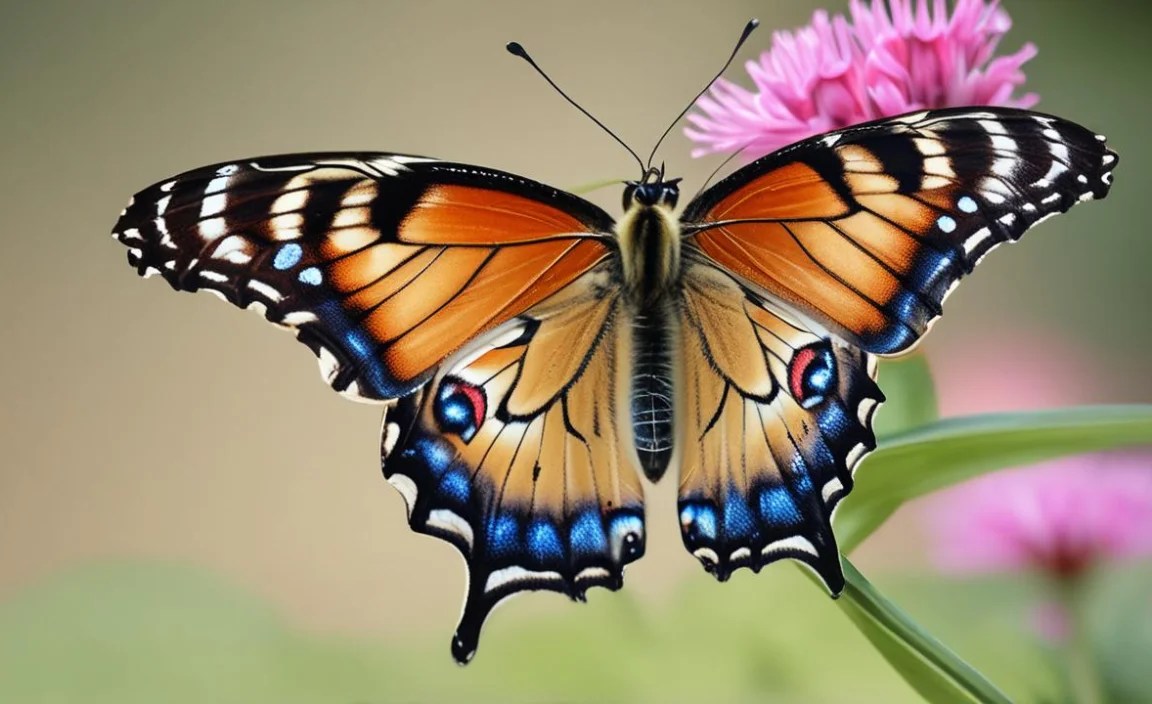
Butterfly conservation is essential for preserving these beautiful creatures and their vital role in the ecosystem. Naming plays a crucial role in conservation efforts by helping scientists and conservationists track and study different species. Here’s how:
The Importance of Accurate Identification for Conservation
Accurate identification is the foundation of effective conservation. Without knowing exactly which species are present in a given area, it’s impossible to assess their conservation status or develop appropriate management plans. Scientific names provide the necessary precision for tracking populations, monitoring habitat use, and assessing the impacts of environmental changes.
How Naming Helps Track Endangered Species
When a butterfly species is identified as endangered or threatened, its scientific name becomes a key tool for conservation efforts. Conservation organizations use scientific names to:
- Monitor Populations: Track the size and distribution of endangered butterfly populations over time.
- Protect Habitats: Identify and protect critical habitats that are essential for the survival of endangered species.
- Implement Recovery Plans: Develop and implement recovery plans that address the specific threats facing endangered butterflies.
The Role of Citizen Scientists
Citizen scientists play an important role in butterfly conservation by contributing valuable data on butterfly populations and distributions. By learning to identify butterflies accurately and reporting their sightings, citizen scientists can help track the health of butterfly populations and identify areas where conservation efforts are needed. Organizations like the Xerces Society offer resources and programs for citizen scientists interested in butterfly conservation.
FAQ About Butterfly Naming Conventions
What is the purpose of scientific names for butterflies?
Scientific names provide a universal and precise way to identify butterfly species, avoiding confusion caused by regional variations in common names. It’s like a unique ID for each butterfly!
Why are scientific names in Latin?
Latin is a dead language, meaning it doesn’t evolve like modern languages. This ensures that scientific names remain stable and consistent over time, regardless of where a scientist is located.
Can a butterfly have more than one common name?
Yes, absolutely! Common names are often based on local observations and can vary widely from region to region. One butterfly can have many different common names.
Who gets to name a new butterfly species?
The person who discovers and describes a new butterfly species has the honor of naming it. This is a significant responsibility, as the name will be used by scientists worldwide.
What if two people claim to discover the same butterfly?
The first person to validly publish a description of the new species in a scientific journal gets to name it. This is based on the principle of priority.
Are common names less important than scientific names?
Not at all! Common names are important for engaging the public and fostering a love for butterflies. They just aren’t as precise for scientific communication.
How can I learn more about butterfly identification?
Start with a good field guide, join a local butterfly club, or explore online resources like Butterflies and Moths of North America. Practice makes perfect!
Conclusion
Butterfly naming conventions are a fascinating blend of science, history, and culture. From the precise world of binomial nomenclature to the colorful variety of common names, each name tells a story about these beautiful creatures and our relationship with them. By understanding the rules and traditions that govern butterfly naming, we can gain a deeper appreciation for the diversity and complexity of the natural world.
So, the next time you spot a butterfly fluttering in your garden, take a moment to consider its name. What does it tell you about its appearance, behavior, or habitat? And how does it connect you to the broader world of butterfly enthusiasts and conservationists? By engaging with butterfly names, we can all become more informed and passionate advocates for these delicate creatures and the ecosystems they inhabit.


