
Tiger Longwing Butterfly: The Ultimate Guide

The Tiger Longwing butterfly (Heliconius hewitsoni) is a striking beauty, known for its vibrant orange and black stripes that mimic the patterns of toxic butterflies, offering protection from predators. Found in the tropical rainforests of Central and South America, this butterfly delights with its slow, graceful flight and fascinating behaviors, like feeding on pollen.
Have you ever strolled through a butterfly garden and been mesmerized by the fluttering of colorful wings? The Tiger Longwing is one such butterfly that captures the heart with its bright colors and unique lifestyle. Identifying butterflies can feel overwhelming, but don’t worry! This guide will walk you through everything you need to know about the Tiger Longwing butterfly. We’ll explore its appearance, habitat, diet, and behavior, and also discuss how to attract these beauties to your own garden. Let’s embark on this exciting journey together!
What is a Tiger Longwing Butterfly?
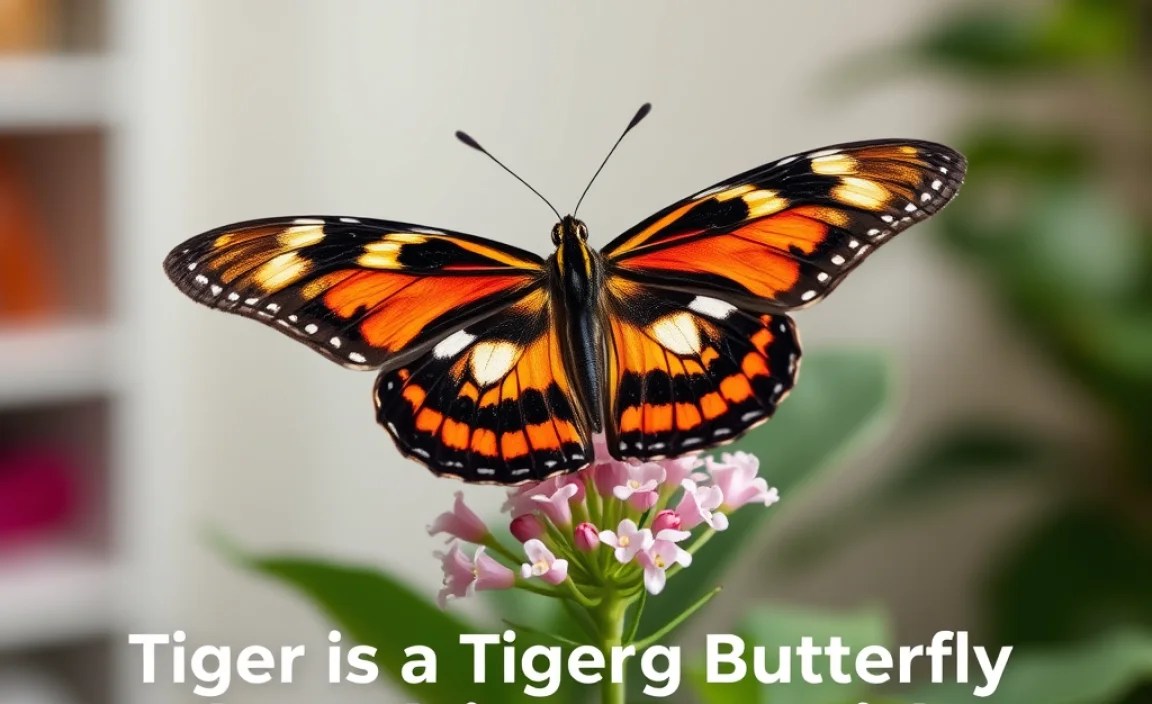
The Tiger Longwing, scientifically known as Heliconius hewitsoni, is a captivating butterfly belonging to the Heliconiidae family. Its name comes from the tiger-like stripes that adorn its wings. These butterflies are native to the tropical rainforests of Central and South America, particularly regions in Ecuador, Colombia, and Peru.
Key Characteristics
- Appearance: Striking orange and black stripes on elongated wings.
- Habitat: Tropical rainforests.
- Diet: Nectar and pollen.
- Behavior: Known for its slow, graceful flight and unique pollen-feeding habits.
Tiger Longwings are not just pretty faces; they play a vital role in their ecosystems. As pollinators, they help plants reproduce, and as part of the food chain, they serve as a food source for other animals. Let’s delve deeper into their appearance and how to identify them.
Identifying the Tiger Longwing Butterfly
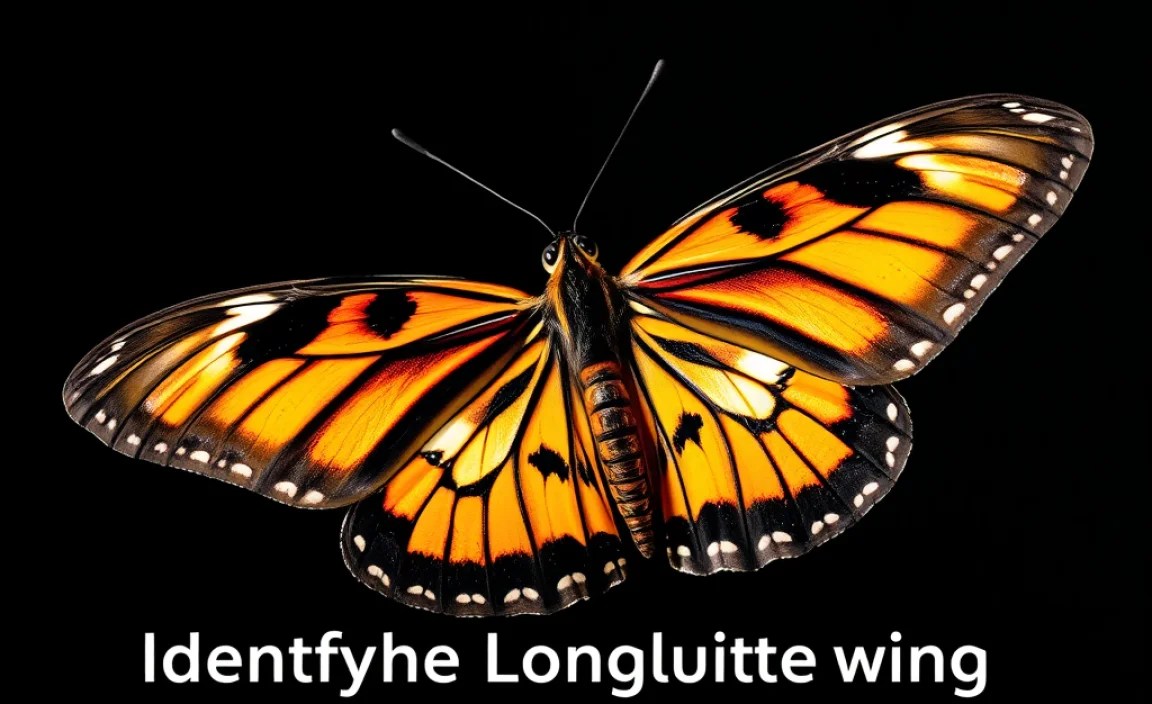
One of the most exciting parts of butterfly watching is accurately identifying the species you encounter. Here’s what to look for when trying to spot a Tiger Longwing:
Wing Patterns and Colors
The most distinctive feature of the Tiger Longwing is its wing pattern. The wings are elongated and adorned with vibrant orange stripes set against a backdrop of black. This bold coloration serves as a warning to potential predators.
- Orange Stripes: Bright, bold stripes running across the wings.
- Black Background: Provides a stark contrast, enhancing the warning effect.
- Elongated Wings: A characteristic shape that distinguishes it from other butterflies.
Size and Shape
Tiger Longwings are medium-sized butterflies with a wingspan ranging from 2.2 to 2.8 inches (5.5 to 7 cm). Their elongated wings give them a unique, elegant appearance during flight.
Distinguishing Features
Here are some specific features that set the Tiger Longwing apart from similar species:
- Slow, Graceful Flight: Unlike some butterflies that dart quickly, Tiger Longwings have a more leisurely flight pattern.
- Pollen-Collecting Behavior: Tiger Longwings are known for collecting pollen, a behavior not commonly seen in other butterflies.
- Habitat Preference: Typically found in the understory of tropical rainforests.
Habitat and Distribution
Understanding where Tiger Longwings live can greatly aid in spotting them. These butterflies are primarily found in the tropical rainforests of Central and South America.
Geographical Range
Tiger Longwings are native to:
- Ecuador
- Colombia
- Peru
- Other parts of the Amazon basin
Preferred Habitats
Tiger Longwings thrive in specific environmental conditions:
- Tropical Rainforests: They prefer the warm, humid climate of rainforests.
- Understory Vegetation: They are often found in the lower levels of the forest, among shrubs and smaller plants.
- Areas with Host Plants: They need access to specific host plants for their caterpillars to feed on.
The presence of these butterflies indicates a healthy, thriving ecosystem. Now, let’s explore what these beautiful creatures eat.
Diet and Feeding Habits

The diet of the Tiger Longwing is quite unique, setting it apart from many other butterfly species.
Adult Butterfly Diet
Adult Tiger Longwings primarily feed on:
- Nectar: Like most butterflies, they sip nectar from flowers.
- Pollen: Uniquely, they also consume pollen, which provides essential amino acids.
Consuming pollen allows them to live longer and produce more eggs, contributing to the survival of the species.
Caterpillar Diet
The caterpillars of Tiger Longwings have a different diet:
- Host Plants: They feed on specific host plants, primarily plants in the Passiflora (passionflower) family.
These host plants are crucial for the survival of the caterpillars. Without them, the butterflies cannot complete their life cycle.
Life Cycle of the Tiger Longwing

The life cycle of the Tiger Longwing butterfly is a fascinating process, involving several distinct stages.
Egg Stage
- Appearance: Small, often laid on or near the host plant.
- Duration: Typically lasts a few days.
Larva (Caterpillar) Stage
- Appearance: Voracious eaters, growing rapidly as they feed on host plants.
- Duration: Several weeks, during which they molt multiple times.
Pupa (Chrysalis) Stage
- Appearance: A protective shell where the caterpillar undergoes metamorphosis.
- Duration: Usually lasts one to two weeks.
Adult Stage
- Appearance: Emerges from the chrysalis with fully formed wings.
- Duration: Can live for several months, thanks to their pollen-rich diet.
Each stage is critical to the survival and propagation of the species. Next, we’ll explore the behaviors that make these butterflies so intriguing.
Behavior and Habits
Tiger Longwings exhibit several unique behaviors that make them stand out in the butterfly world.
Daily Activities
- Diurnal: Active during the day.
- Nectar and Pollen Feeding: Spends much of its time foraging for food.
- Sunbathing: Often seen basking in the sun to regulate body temperature.
Social Behavior
- Communal Roosting: Some species of Longwings gather in groups at night to roost.
- Territorial: Males may defend territories to attract females.
Flight Patterns
- Slow and Graceful: Known for their relaxed, fluttering flight.
These behaviors contribute to their success and survival in their natural habitat. Let’s explore some of their unique adaptations.
Adaptations for Survival
Tiger Longwings have developed several adaptations that enhance their survival in the rainforest environment.
Mimicry
- Batesian Mimicry: Their orange and black stripes mimic the patterns of toxic butterfly species, deterring predators.
Dietary Adaptations
- Pollen Feeding: This unique behavior provides essential nutrients, extending their lifespan and reproductive capacity.
Habitat Adaptation
- Preference for Understory: Allows them to avoid strong winds and find shelter from harsh weather.
These adaptations highlight the remarkable ways in which Tiger Longwings have evolved to thrive in their environment. Now, let’s look at their ecological role.
Ecological Role
Tiger Longwings play several important roles in their ecosystems.
Pollination
- Pollinators: They help pollinate various plant species as they feed on nectar.
Food Chain
- Prey: They serve as a food source for birds, reptiles, and other insects.
Indicators of Ecosystem Health
- Bioindicators: Their presence and abundance can indicate the health and stability of the rainforest ecosystem.
Their existence is intertwined with the health of their environment. Let’s explore some threats to their survival.
Threats and Conservation
Like many species, Tiger Longwings face several threats that impact their populations.
Habitat Loss
- Deforestation: The clearing of rainforests for agriculture, logging, and development destroys their habitat.
Climate Change
- Changing Weather Patterns: Altered weather patterns can disrupt their breeding cycles and food availability.
Pesticide Use
- Agricultural Chemicals: Pesticides can harm or kill butterflies and their caterpillars.
Conservation Efforts
To protect Tiger Longwings, several conservation efforts are essential:
- Habitat Preservation: Protecting and restoring rainforest habitats is crucial.
- Sustainable Practices: Promoting sustainable agriculture and logging practices.
- Education and Awareness: Raising awareness about the importance of butterfly conservation.
Attracting Tiger Longwing Butterflies to Your Garden
Creating a butterfly-friendly garden can provide a haven for Tiger Longwings and other butterfly species.
Planting Host Plants
- Passiflora (Passionflower): Planting passionflower vines provides food for the caterpillars.
Providing Nectar Sources
- Lantana: A colorful flower that attracts butterflies with its nectar-rich blooms.
- Pentas: Another excellent nectar source that butterflies love.
Creating a Butterfly-Friendly Environment
- Sunlight: Ensure your garden receives plenty of sunlight.
- Shelter: Provide shrubs and trees for shelter from wind and rain.
- Water Source: A shallow dish of water with pebbles can provide a drinking spot for butterflies.
By following these tips, you can create a beautiful and beneficial garden for Tiger Longwings and other butterflies.
Interesting Facts About Tiger Longwing Butterflies
Here are some fascinating facts about Tiger Longwing butterflies that you might find interesting:
- Long Lifespan: Compared to other butterflies, Tiger Longwings have a relatively long lifespan, living for several months.
- Pollen Feeding: They are one of the few butterfly species that collect and feed on pollen.
- Mimicry: Their wing patterns mimic those of toxic butterflies, providing protection from predators.
- Habitat Specificity: They are primarily found in the understory of tropical rainforests.
Resources for Further Learning
To deepen your knowledge of Tiger Longwing butterflies and butterfly conservation, here are some valuable resources:
- The Xerces Society: A non-profit organization dedicated to protecting invertebrates and their habitats.
- National Wildlife Federation: Provides information on butterflies and how to create butterfly-friendly habitats.
- Butterflies and Moths of North America: A comprehensive database with photos and information on various butterfly species.
| Resource Type | Description | Link |
|---|---|---|
| Organization | The Xerces Society | https://www.xerces.org/ |
| Educational Resource | National Wildlife Federation | https://www.nwf.org/ |
| Database | Butterflies and Moths of North America | https://www.butterfliesandmoths.org/ |
Tiger Longwing Butterfly FAQs
Here are some frequently asked questions about Tiger Longwing butterflies:
What do Tiger Longwing butterflies eat?
Adult Tiger Longwing butterflies primarily feed on nectar and pollen. The caterpillars feed on specific host plants, mainly plants in the Passiflora (passionflower) family.
Where do Tiger Longwing butterflies live?
Tiger Longwing butterflies are native to the tropical rainforests of Central and South America, particularly in Ecuador, Colombia, and Peru.
How long do Tiger Longwing butterflies live?
Tiger Longwing butterflies have a relatively long lifespan compared to other butterfly species, living for several months.
What is special about Tiger Longwing butterflies?
Tiger Longwing butterflies are unique because they feed on pollen, which provides them with essential nutrients and extends their lifespan. They also exhibit Batesian mimicry, where their wing patterns mimic those of toxic butterflies to deter predators.
How can I attract Tiger Longwing butterflies to my garden?
You can attract Tiger Longwing butterflies to your garden by planting host plants like Passiflora (passionflower) and providing nectar sources such as Lantana and Pentas. Creating a butterfly-friendly environment with sunlight, shelter, and a water source is also important.
What threats do Tiger Longwing butterflies face?
Tiger Longwing butterflies face threats such as habitat loss due to deforestation, climate change, and pesticide use.
Why are Tiger Longwing butterflies important?
Tiger Longwing butterflies play important ecological roles as pollinators and as part of the food chain. They also serve as indicators of ecosystem health, reflecting the stability and well-being of their rainforest habitat.
Conclusion
The Tiger Longwing butterfly is truly a remarkable creature, showcasing the beauty and complexity of nature. From its striking wing patterns and unique pollen-feeding habits to its vital role in the rainforest ecosystem, this butterfly offers endless fascination. By understanding its life cycle, behavior, and conservation needs, we can all contribute to protecting this species and its habitat for future generations. Whether you’re a seasoned butterfly enthusiast or just beginning to explore the natural world, the Tiger Longwing serves as a reminder of the wonders that await us in the wild. So, keep your eyes open, your heart full of wonder, and let’s work together to preserve the magic of butterflies!


