
Caribbean Butterfly Species: Discover the Beauty!

The Caribbean islands are home to a stunning variety of butterfly species. This guide explores common butterflies of the Caribbean, including identification tips, host plants, and conservation efforts. Discover the vibrant world of these island butterflies and learn how to support their populations.
Have you ever wandered through a lush Caribbean garden and been captivated by the sight of colorful butterflies flitting from flower to flower? Identifying these beautiful creatures can seem daunting, but it’s easier than you might think! The Caribbean islands boast a rich diversity of butterflies, each with unique patterns and behaviors. Understanding these butterflies not only enhances your appreciation of nature but also helps in conservation efforts.
In this guide, we’ll explore some of the most fascinating Caribbean butterfly species, offering tips on how to identify them, what plants they depend on, and how you can create a butterfly-friendly garden. Get ready to discover the hidden wonders of these fluttering jewels!
Common Caribbean Butterfly Species

The Caribbean islands are biodiversity hotspots, each island home to a unique set of species. Here are some of the most commonly seen and fascinating butterflies across the region:
1. Monarch (Danaus plexippus)
The Monarch butterfly is famous for its long migrations, but it’s also a familiar sight in the Caribbean. Known for their striking orange wings with black veins and white spots, Monarchs are easily recognizable.
- Identification: Bright orange wings with black borders and white spots.
- Host Plants: Milkweed (Asclepias spp.).
- Habitat: Open fields, gardens, and roadsides.
- Fun Fact: Monarchs migrate thousands of miles each year, with some populations traveling from Canada and the United States to Mexico.
2. Gulf Fritillary (Agraulis vanillae)
The Gulf Fritillary is a vibrant orange butterfly with elongated wings and distinctive silver spots on the underside. This species is common throughout the Caribbean and is often seen in gardens and open areas.
- Identification: Bright orange wings with black markings and silver spots on the underside.
- Host Plants: Passionflower vines (Passiflora spp.).
- Habitat: Gardens, open fields, and disturbed areas.
- Fun Fact: Gulf Fritillaries are known for their rapid, erratic flight patterns.
3. Cloudless Sulphur (Phoebis sennae)
As its name suggests, the Cloudless Sulphur is a bright yellow butterfly that can be seen fluttering around various habitats. It is one of the most common sulphur butterflies in the Caribbean.
- Identification: Bright yellow wings with a slight greenish tint.
- Host Plants: Senna plants (Senna spp.).
- Habitat: Open fields, gardens, and roadsides.
- Fun Fact: Cloudless Sulphurs are strong fliers and can often be seen migrating in large numbers.
4. Giant Swallowtail (Papilio cresphontes)
The Giant Swallowtail is one of the largest butterflies in North America and the Caribbean. Its impressive size and striking patterns make it a favorite among butterfly enthusiasts.
- Identification: Large black and yellow wings with a distinctive “tail” on each hindwing.
- Host Plants: Citrus trees (Citrus spp.) and Rue (Ruta graveolens).
- Habitat: Gardens, citrus groves, and open woodlands.
- Fun Fact: The caterpillars of the Giant Swallowtail mimic bird droppings to avoid predators.
5. Polydamas Swallowtail (Battus polydamas)
The Polydamas Swallowtail is a beautiful butterfly with black wings adorned with yellow spots. It is commonly found in gardens and open areas throughout the Caribbean.
- Identification: Black wings with yellow spots along the edges.
- Host Plants: Pipevines (Aristolochia spp.).
- Habitat: Gardens, open woodlands, and disturbed areas.
- Fun Fact: Polydamas Swallowtails are known for their slow, graceful flight.
6. Cassius Blue (Leptotes cassius)
The Cassius Blue is a small, delicate butterfly with pale blue wings and distinctive black spots. It is common in gardens and open areas, often seen fluttering close to the ground.
- Identification: Small size, pale blue wings with black spots and thin tails.
- Host Plants: Various legumes, including peas and beans.
- Habitat: Gardens, lawns, and disturbed areas.
- Fun Fact: Cassius Blues often form large colonies and can be seen in great numbers.
7. Caribbean Buckeye (Junonia evarete)
The Caribbean Buckeye is a medium-sized butterfly with striking eyespots on its wings. It is found throughout the Caribbean and is often seen in open, sunny areas.
- Identification: Brown wings with prominent eyespots.
- Host Plants: Various plants in the Plantaginaceae family.
- Habitat: Open fields, roadsides, and disturbed areas.
- Fun Fact: The eyespots on the wings of the Caribbean Buckeye help to deter predators.
Identifying Caribbean Butterflies: A Step-by-Step Guide
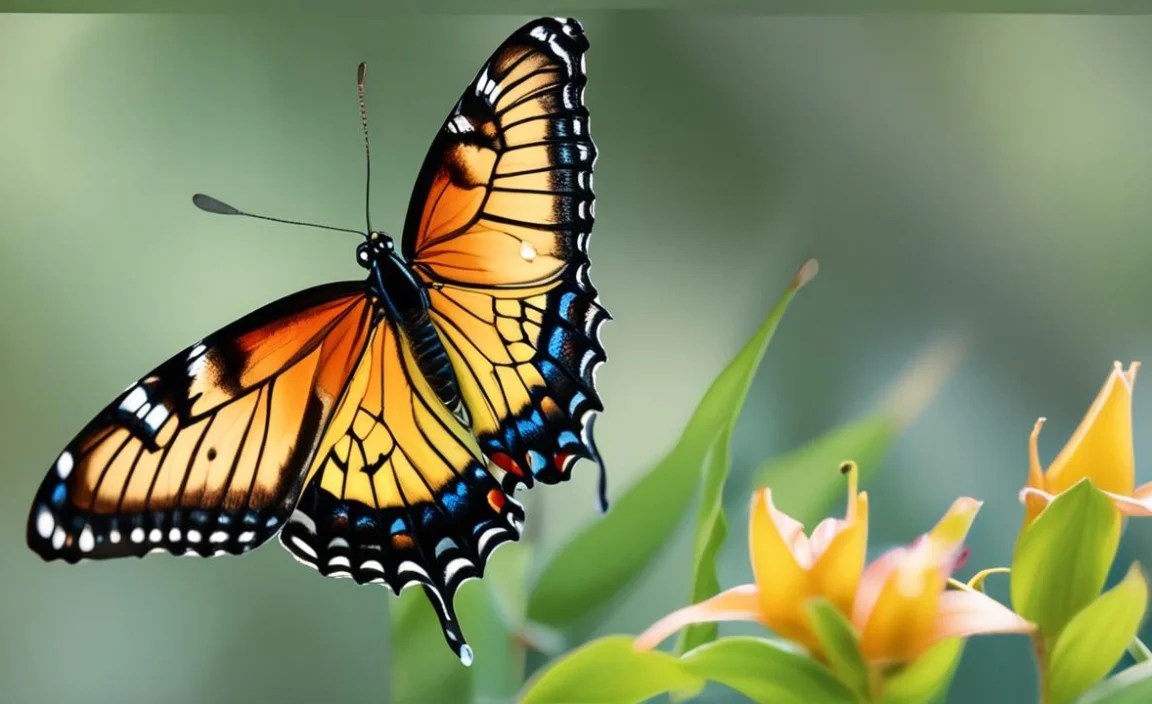
Identifying butterflies can be a rewarding experience. Here’s a step-by-step guide to help you get started:
Step 1: Observe the Butterfly’s Size and Shape
Start by noting the butterfly’s size and general shape. Is it large or small? Are its wings long and narrow or broad and rounded? These basic characteristics can help narrow down the possibilities.
Step 2: Examine the Wing Patterns and Colors
Pay close attention to the colors and patterns on the butterfly’s wings. Note the presence of spots, stripes, or bands. Are the colors bright and vibrant or muted and subtle? Wing patterns are often unique to each species.
Step 3: Check the Underside of the Wings
The underside of a butterfly’s wings can look very different from the top. Look for distinctive markings, such as silver spots (like those on the Gulf Fritillary) or intricate patterns. The underside patterns are often useful for identification when the butterfly is at rest.
Step 4: Note the Butterfly’s Behavior
Observe how the butterfly behaves. Does it fly quickly and erratically, or does it glide gracefully? What types of flowers does it visit? Some butterflies have specific host plants that they prefer.
Step 5: Use a Field Guide or App
Carry a field guide or use a butterfly identification app on your smartphone. These resources can provide detailed descriptions and images of different butterfly species, making it easier to identify the butterflies you see.
Step 6: Consult Online Resources
Websites like the Butterflies and Moths of North America and the Xerces Society offer extensive information on butterfly identification and biology. These resources can be invaluable for confirming your identifications.
Attracting Butterflies to Your Caribbean Garden

Creating a butterfly-friendly garden is a wonderful way to support these beautiful creatures and enjoy their presence up close. Here’s how to make your garden a butterfly haven:
1. Plant Host Plants
Host plants are essential for butterflies because they provide food for caterpillars. Research which butterfly species are common in your area and plant their preferred host plants. Some popular host plants include milkweed for Monarchs, passionflower vines for Gulf Fritillaries, and citrus trees for Giant Swallowtails.
2. Provide Nectar Sources
Butterflies need nectar to fuel their flight and reproduction. Plant a variety of nectar-rich flowers that bloom at different times of the year. Some good choices include lantana, pentas, zinnias, and butterfly bush (Buddleja davidii).
3. Offer a Water Source
Butterflies need water, but they can’t drink from open water sources like ponds or bird baths. Instead, create a “puddling” station by filling a shallow dish with sand and water. Keep the sand moist so that butterflies can sip the water and extract minerals.
4. Provide Shelter
Butterflies need shelter from wind and rain. Plant shrubs and trees to provide them with protected areas where they can rest and take refuge from the elements.
5. Avoid Pesticides
Pesticides can be harmful to butterflies and other beneficial insects. Avoid using pesticides in your garden, or choose organic options that are less toxic. Encourage natural predators like birds and ladybugs to control pests.
6. Offer Sunny Spots
Butterflies are cold-blooded and need to bask in the sun to warm up. Provide sunny spots in your garden where they can spread their wings and soak up the warmth.
Butterfly Conservation in the Caribbean

Many butterfly species are facing threats due to habitat loss, climate change, and pesticide use. Here are some ways you can help protect Caribbean butterflies:
1. Support Habitat Conservation
Protecting natural habitats is crucial for butterfly conservation. Support local conservation organizations that are working to preserve forests, wetlands, and other important butterfly habitats.
2. Create Butterfly Gardens
Creating butterfly-friendly gardens in your backyard, school, or community can provide valuable habitat for butterflies. Plant host plants and nectar sources to support butterfly populations.
3. Reduce Pesticide Use
Pesticides can harm butterflies and other beneficial insects. Reduce your use of pesticides in your garden and encourage others to do the same. Choose organic gardening methods whenever possible.
4. Educate Others
Spread the word about the importance of butterfly conservation. Educate your friends, family, and neighbors about the threats facing butterflies and what they can do to help.
5. Participate in Citizen Science Projects
Get involved in citizen science projects that monitor butterfly populations. These projects provide valuable data that can be used to track butterfly trends and inform conservation efforts. The Xerces Society offers many such opportunities.
Butterfly Species Table
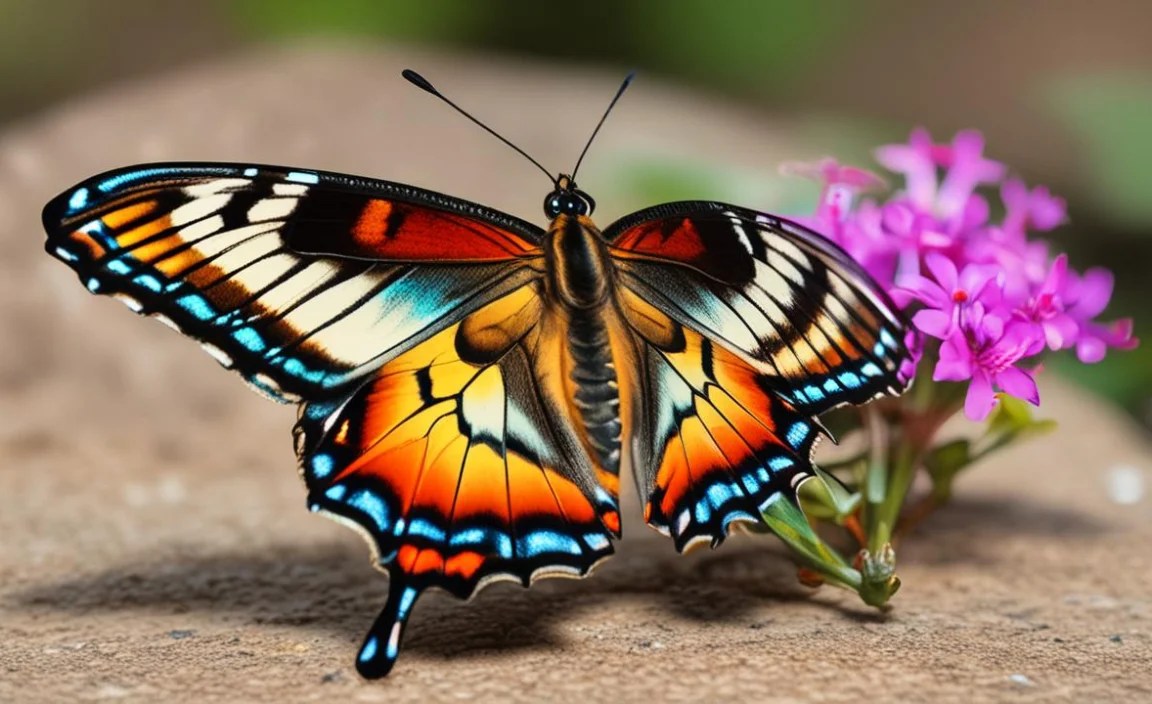
| Species | Identification | Host Plants | Habitat |
|---|---|---|---|
| Monarch (Danaus plexippus) | Orange wings with black veins and white spots | Milkweed (Asclepias spp.) | Open fields, gardens, roadsides |
| Gulf Fritillary (Agraulis vanillae) | Orange wings with black markings and silver spots | Passionflower vines (Passiflora spp.) | Gardens, open fields, disturbed areas |
| Cloudless Sulphur (Phoebis sennae) | Bright yellow wings | Senna plants (Senna spp.) | Open fields, gardens, roadsides |
| Giant Swallowtail (Papilio cresphontes) | Large black and yellow wings with tails | Citrus trees (Citrus spp.), Rue (Ruta graveolens) | Gardens, citrus groves, open woodlands |
| Polydamas Swallowtail (Battus polydamas) | Black wings with yellow spots | Pipevines (Aristolochia spp.) | Gardens, open woodlands, disturbed areas |
| Cassius Blue (Leptotes cassius) | Small, pale blue wings with black spots and thin tails | Various legumes | Gardens, lawns, disturbed areas |
| Caribbean Buckeye (Junonia evarete) | Brown wings with prominent eyespots | Plantaginaceae family | Open fields, roadsides, disturbed areas |
Host and Nectar Plant Table
| Butterfly Species | Host Plant | Nectar Plant |
|---|---|---|
| Monarch | Milkweed (Asclepias spp.) | Lantana, Zinnias |
| Gulf Fritillary | Passionflower vines (Passiflora spp.) | Pentas, Butterfly Bush (Buddleja davidii) |
| Cloudless Sulphur | Senna plants (Senna spp.) | Lantana, Zinnias |
| Giant Swallowtail | Citrus trees (Citrus spp.), Rue (Ruta graveolens) | Pentas, Butterfly Bush (Buddleja davidii) |
| Polydamas Swallowtail | Pipevines (Aristolochia spp.) | Lantana, Zinnias |
| Cassius Blue | Various legumes | Pentas, Butterfly Bush (Buddleja davidii) |
| Caribbean Buckeye | Plantaginaceae family | Lantana, Zinnias |
Frequently Asked Questions (FAQs)
1. What is a host plant for butterflies?
A host plant is a specific type of plant that a butterfly uses for laying its eggs. The caterpillars then feed on this plant as they grow. Without the right host plant, the butterfly cannot complete its life cycle.
2. How can I attract more butterflies to my garden?
To attract more butterflies, plant both host plants and nectar-rich flowers. Also, provide a shallow water source, shelter from wind, and avoid using pesticides.
3. Are butterflies important for the environment?
Yes, butterflies are important pollinators. They help to transfer pollen from one flower to another, which is essential for the reproduction of many plants. They also serve as a food source for birds and other animals.
4. What is the difference between a butterfly and a moth?
Butterflies are typically active during the day, have brightly colored wings, and hold their wings upright when at rest. Moths are often active at night, have duller-colored wings, and hold their wings flat when at rest. Butterflies also have clubbed antennae, while moths have feathery or comb-like antennae.
5. What should I do if I find a caterpillar in my garden?
If you find a caterpillar, try to identify its host plant and ensure it has enough to eat. Avoid moving the caterpillar unless it is in danger. Watch it grow and transform into a butterfly!
6. How can I protect butterflies from pesticides?
The best way to protect butterflies from pesticides is to avoid using them in your garden. If you must use pesticides, choose organic options and apply them carefully, avoiding areas where butterflies and caterpillars are present.
7. Why are butterfly populations declining?
Butterfly populations are declining due to several factors, including habitat loss, climate change, pesticide use, and disease. By supporting habitat conservation, reducing pesticide use, and creating butterfly-friendly gardens, you can help protect these important creatures.
Conclusion
Exploring the world of Caribbean butterflies is a journey into a realm of vibrant colors, intricate patterns, and fascinating behaviors. By learning to identify these beautiful creatures and understanding their ecological needs, you can play an active role in their conservation. Whether you’re planting a butterfly garden, supporting local conservation efforts, or simply sharing your newfound knowledge with others, every action counts.
So, step outside, observe the butterflies around you, and appreciate the beauty and wonder of these delicate creatures. Together, we can ensure that future generations will continue to be enchanted by the fluttering wings of Caribbean butterflies.


