
Painted Lady Butterfly Map US: Find Yours Now!

Have you ever seen a butterfly? They flutter around in gardens. Some butterflies travel very far. One of these is the painted lady butterfly. Did you know we can map where they go in the US? It is like a big adventure for these tiny travelers. We can learn so much about them!
These butterflies are very common. You might see them in your backyard. They fly all over the world. Let’s find out where they go. We will explore how scientists track them. This helps us learn about their amazing journey. Are you ready to explore the painted lady butterfly map US?
Painted lady butterflies are special. They don’t stay in one place. They move from one area to another. People study them to learn about nature. They also study to know about how the environment changes. Tracking these butterflies can teach us a lot. It is fun to learn about the painted lady butterfly map US.
Key Takeaways
- The painted lady butterfly map US shows migration patterns across the country.
- Painted lady butterflies are found all over the world, except Antarctica.
- These butterflies migrate long distances to find food and better weather.
- Scientists and citizen scientists help track painted lady movements.
- Understanding their migration helps us protect these amazing insects.
Understanding the Painted Lady Butterfly Map US
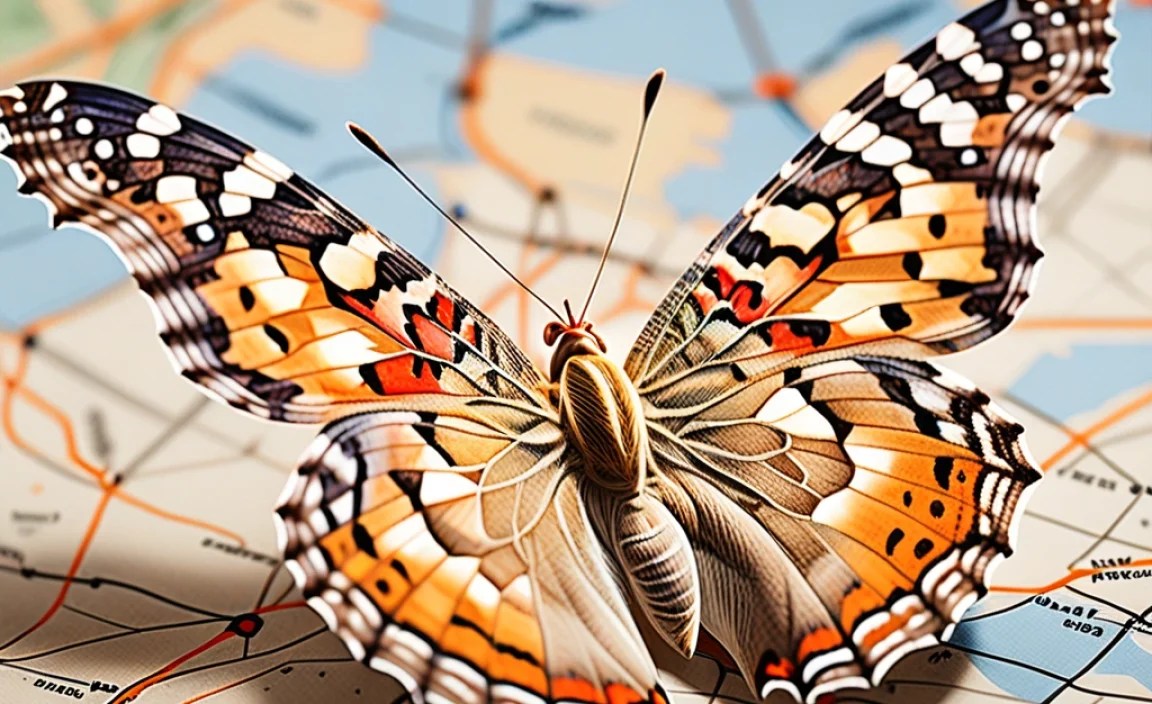
The painted lady butterfly map US is very interesting. It shows where these butterflies travel. Scientists and people like you help create this map. They record where they see painted lady butterflies. This information tells us where the butterflies go. We can see patterns in their travels. The map helps us understand why they move. They might be looking for food. They might be trying to find a warmer place to live. The painted lady butterfly map US can change every year. This is because the weather changes. The amount of food available changes too. All of these things affect where the butterflies go. Learning about the painted lady butterfly map US helps us protect these butterflies.
- Scientists track butterfly movements.
- Volunteers report butterfly sightings.
- The map shows migration routes.
- Weather affects butterfly travel.
- Food sources guide their path.
The painted lady butterfly map US is more than just lines on a paper. It tells a story about the butterflies. It tells about their lives and their needs. By studying this map, we can learn how to help them. We can protect the places where they find food. We can also protect the places where they rest. Understanding the painted lady butterfly map US is important. It helps us keep these beautiful creatures around for a long time. When we protect butterflies, we protect our whole planet. They are a part of nature. It’s important to keep nature healthy.
Why Do Butterflies Migrate?
Have you ever wondered why birds fly south for the winter? Butterflies do something similar! They migrate to find better places to live. They need food and warmth. The painted lady butterfly cannot survive in very cold weather. So, they fly to warmer areas. They look for plants to lay their eggs on. These plants are food for the caterpillars. Migration is a big journey for a small butterfly. They face many dangers along the way. The weather can be bad. They might not find enough food. Some butterflies get eaten by birds. Despite these dangers, they keep flying. They are driven by their need to survive. Their journey is truly amazing.
How Do Scientists Track Butterflies?
Imagine trying to follow a tiny butterfly across the country. It sounds hard, right? Scientists use special tools to do this. They put small tags on the butterflies’ wings. These tags don’t hurt the butterflies. Each tag has a number. When someone sees a butterfly with a tag, they report it. Scientists can then track where the butterfly has been. This helps them create the painted lady butterfly map US. Another way to track butterflies is by using radar. Radar can detect large groups of butterflies flying together. Scientists also use computer models. These models help them predict where the butterflies will go. It’s like being a detective, but for butterflies!
What Can We Learn From Butterfly Migration?
Butterfly migration can teach us a lot about the environment. It shows us how weather patterns affect living things. It also shows us how important plants are for butterflies. If the plants disappear, the butterflies will too. By studying the painted lady butterfly map US, we can learn about climate change. We can see how it changes the butterflies’ migration patterns. This can help us understand how other animals are affected too. Protecting butterflies means protecting their homes. It means planting the right kinds of plants. It also means reducing pollution. Every little bit helps to keep the painted lady butterflies flying.
Fun Fact or Stat: Painted lady butterflies can fly up to 100 miles in a single day during their migration!
Reading a Painted Lady Butterfly Sighting Map
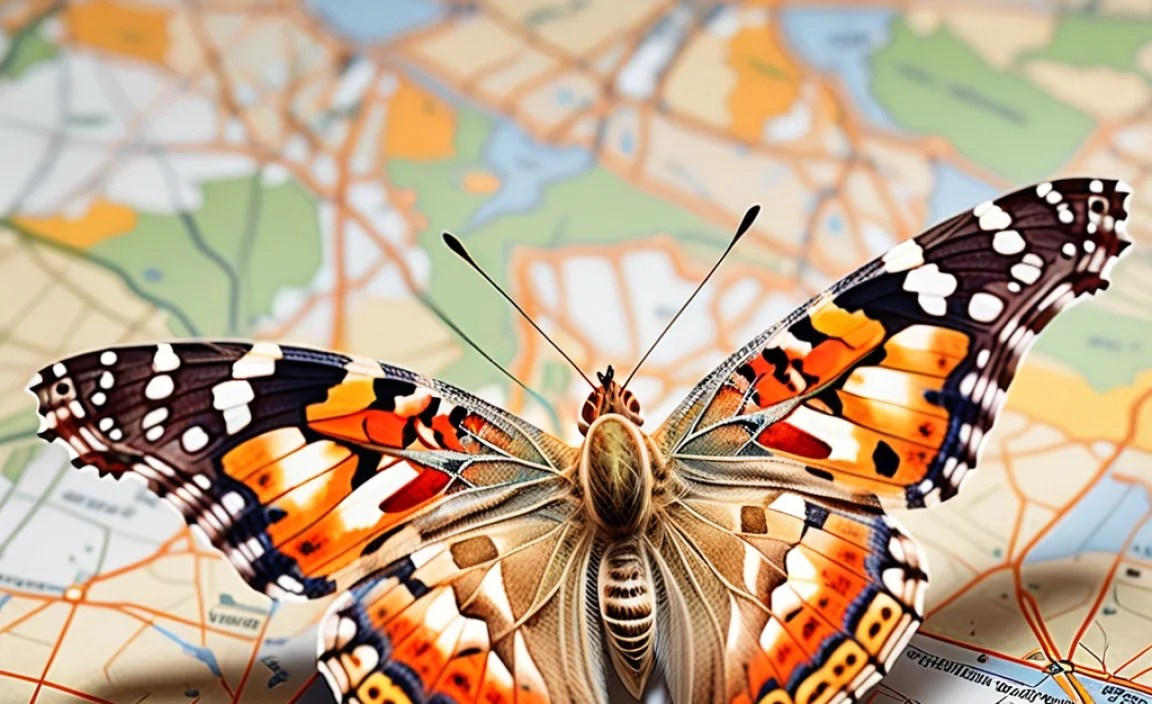
A painted lady butterfly sighting map shows where people have seen these butterflies. The map uses dots or colors to show the number of sightings. Areas with many butterflies might be shown in a darker color. Areas with few butterflies might be shown in a lighter color. The map also shows the dates when the butterflies were seen. This helps us understand when they are migrating. You can find these maps online. Some websites let you report your own butterfly sightings. This helps scientists get more information. Reading a painted lady butterfly sighting map is like reading a story. It tells you where the butterflies are and when they are there. It’s a fun way to learn about these amazing insects.
- Maps show butterfly locations.
- Colors indicate butterfly numbers.
- Dates show migration timing.
- Online maps are easy to find.
- You can report your sightings.
- Maps tell a butterfly story.
To read a painted lady butterfly sighting map, start by looking at the key. The key explains what the colors and symbols mean. Then, look at the map itself. Find the areas where the most butterflies have been seen. These are likely important places for them. Check the dates to see when the butterflies were there. This can help you understand their migration pattern. If you see a painted lady butterfly, report it to a butterfly tracking website. Your sighting can help scientists learn more about these amazing creatures. Every observation helps improve the accuracy of the painted lady butterfly map US.
What Do Map Colors Represent?
Imagine a map filled with different colors. Each color tells you something special. On a painted lady butterfly map US, colors show how many butterflies were spotted in an area. Darker colors, like deep blue or red, usually mean lots of butterflies. Lighter colors, like pale yellow or green, mean fewer butterflies. Sometimes, the colors change over time. This shows how the butterfly population changes. For example, an area might start as light green in spring. As more butterflies arrive, it turns darker blue in summer. Understanding what the colors mean helps you read the map. It also helps you understand where the butterflies are and how many there are.
How Can You Report Butterfly Sightings?
Have you seen a painted lady butterfly? You can help scientists by reporting it! Many websites and apps let you share your sightings. First, take a picture of the butterfly if you can. This helps experts confirm that it is a painted lady. Then, go to a butterfly tracking website. Fill out the form with information about your sighting. You’ll need to say where you saw the butterfly. You’ll also need to say when you saw it. If you know the type of plant it was on, include that too. Your report will be added to the painted lady butterfly map US. You’ll be helping scientists learn more about these amazing insects!
Why Is Citizen Science Important?
Imagine if only scientists could study butterflies. It would take a long time to collect information. That’s why citizen science is so important! Citizen science is when regular people help scientists with their work. Anyone can participate. You don’t need to be an expert. By reporting butterfly sightings, you become a citizen scientist. You’re helping to create the painted lady butterfly map US. The more people who participate, the better the map becomes. Citizen science helps scientists collect lots of data quickly. It also gets people interested in science and nature. It’s a win-win for everyone!
Fun Fact or Stat: Citizen scientists have contributed thousands of butterfly sightings, making the painted lady butterfly map US incredibly detailed!
Factors Influencing the Painted Lady Butterfly Migration

Many things affect where painted lady butterflies migrate. Weather is a big factor. Butterflies prefer warm, sunny days. They don’t like cold or rainy weather. The availability of food is also important. Caterpillars eat plants. If there are not enough plants, the butterflies will move on. Wind can also affect their migration. Strong winds can blow them off course. The painted lady butterfly map US changes based on these factors. Some years, the butterflies might travel far north. Other years, they might stay further south. Scientists study these factors to understand butterfly migration. This helps them predict where the butterflies will go in the future. Understanding these influences helps protect the painted lady butterfly.
- Weather affects butterfly routes.
- Food availability is crucial.
- Wind can alter their course.
- Climate change impacts migration.
- Habitat loss affects their range.
Understanding the factors that influence painted lady butterfly migration is like solving a puzzle. Each piece of information helps us see the bigger picture. For example, if we know that a certain plant is important for the caterpillars, we can protect that plant. If we know that a certain area is important for resting, we can make sure it stays safe. By studying the painted lady butterfly map US and the factors that influence it, we can become better stewards of the environment. We can help these amazing insects continue their incredible journey for many years to come.
How Does Weather Affect Migration?
Imagine trying to fly in a storm! It would be very difficult. Butterflies feel the same way. They prefer to fly on warm, sunny days with little wind. Rain and cold temperatures make it hard for them to fly. They need the sun to warm their bodies. This gives them the energy to fly long distances. Strong winds can blow them off course. They might end up in places where they can’t find food. That’s why weather is so important for butterfly migration. Scientists study weather patterns to predict where butterflies will go. This helps them create a more accurate painted lady butterfly map US.
What Role Does Food Play?
Butterflies need food to survive. Caterpillars eat plants. Adult butterflies drink nectar from flowers. If there isn’t enough food, they can’t survive. They need food to fuel their long migration journeys. They also need food to lay their eggs. Different types of butterflies eat different plants. Painted lady caterpillars like to eat thistles and mallows. Adult butterflies like nectar from many different flowers. Protecting these plants is important for protecting the butterflies. Planting butterfly gardens with lots of flowers can help them find food. This will encourage them to stay in your area.
Can Climate Change Alter Migration Patterns?
The Earth is getting warmer. This is called climate change. It is changing weather patterns around the world. This can affect butterfly migration. Butterflies might start migrating earlier in the year. They might also migrate to different places. The painted lady butterfly map US might look very different in the future. Some butterflies might not be able to adapt to the changes. They might disappear from certain areas. That’s why it’s important to reduce climate change. We can do this by using less energy and planting more trees. Every little bit helps to protect butterflies and other animals.
Fun Fact or Stat: Changes in temperature can shift painted lady butterfly migration patterns by several weeks!
Comparing Painted Lady Migration to Other Butterflies

Painted lady butterflies are not the only butterflies that migrate. Monarch butterflies are also famous for their long journeys. But there are differences between their migrations. Monarchs migrate to specific overwintering sites. Painted ladies are more flexible in their destinations. Monarchs mostly travel in the fall. Painted ladies can migrate at different times of the year. Swallowtail butterflies also migrate. But their migrations are usually shorter than painted ladies or monarchs. The painted lady butterfly map US is unique because it shows a wide range of destinations. Understanding these differences helps us appreciate the diversity of butterfly migration.
| Butterfly Type | Migration Distance | Migration Timing | Overwintering |
|---|---|---|---|
| Painted Lady | Long and variable | Variable | Not specific |
| Monarch | Very long | Fall | Specific sites |
| Swallowtail | Shorter | Variable | Variable |
| American Snout | Medium | Fall | Southern US |
Comparing the migration of painted lady butterflies to other species shows us how different butterflies have adapted to their environments. Monarchs, for example, rely on specific overwintering sites in Mexico and California. This makes them vulnerable to habitat loss in those areas. Painted ladies, on the other hand, are more adaptable. They can survive in a wider range of habitats. This makes them more resilient to environmental changes. The painted lady butterfly map US reflects this adaptability. It shows them in many different places. By studying these differences, we can learn how to protect all types of butterflies.
What Makes Painted Lady Migration Unique?
What makes painted lady migration special? Unlike monarchs, they don’t have a set destination. They move based on where they can find food and good weather. They can travel in any direction. They also reproduce along the way. This means their migration is more of a continuous movement. It is not just a trip to a specific place. Their flexible approach helps them survive in different environments. This flexibility is reflected in the painted lady butterfly map US. It shows them in almost every part of the country.
How Does Monarch Migration Differ?
Monarch butterflies are famous for their amazing migration. They fly thousands of miles to specific overwintering sites. These sites are in Mexico and California. They gather in large numbers in these areas. They stay there until the spring. Then, they fly north to lay their eggs. This is a multi-generational migration. It takes several generations to complete the whole journey. Monarch migration is very dependent on specific habitats. The destruction of these habitats threatens their survival. This is different from painted ladies, who are more adaptable.
Why Study Different Butterfly Migrations?
Studying different butterfly migrations helps us understand the natural world. It teaches us about how animals adapt to their environment. It also teaches us about the importance of protecting habitats. By comparing different migrations, we can learn about the challenges that butterflies face. We can also learn about the best ways to help them. The painted lady butterfly map US is just one piece of the puzzle. By studying all types of butterfly migration, we can create a more complete picture of butterfly ecology. This can help us protect these amazing insects for future generations.
Fun Fact or Stat: Monarch butterflies travel up to 3,000 miles during their migration, while painted ladies have more variable distances!
How You Can Help Track Painted Lady Butterflies

You can help scientists track painted lady butterflies! It’s easy and fun. One way is to report your sightings. Many websites and apps let you do this. Take a picture of the butterfly if you can. Note the date and location where you saw it. Share this information with a butterfly tracking organization. Another way to help is by planting a butterfly garden. Plant flowers that painted lady butterflies like. This will give them food and a place to rest. You can also help by spreading the word. Tell your friends and family about painted lady butterflies. Encourage them to report their sightings too. Together, we can improve the painted lady butterfly map US!
- Report butterfly sightings online.
- Plant butterfly-friendly gardens.
- Share information with others.
- Participate in citizen science projects.
- Support butterfly conservation efforts.
Helping to track painted lady butterflies is a great way to get involved in science and nature. It’s also a way to make a difference. The information you collect can help scientists understand butterfly migration patterns. This information can be used to protect butterflies and their habitats. Every sighting counts. Even if you only see one butterfly, your report can be valuable. So, keep an eye out for painted lady butterflies. Report your sightings. You’ll be helping to create a more complete painted lady butterfly map US.
What to Include in Your Sighting Report?
When you report a painted lady butterfly sighting, include as much information as you can. The date and time are important. The location is also crucial. Be as specific as possible. If you know the name of the park or garden, include that. If you can get GPS coordinates, that’s even better. A picture of the butterfly is very helpful. It helps experts confirm that it is a painted lady. Note what the butterfly was doing. Was it feeding on a flower? Was it flying? Also, note the type of plant it was on. All of this information helps scientists understand butterfly behavior.
Creating a Butterfly-Friendly Garden
Want to attract painted lady butterflies to your yard? Plant a butterfly-friendly garden! Choose plants that provide food for both caterpillars and adult butterflies. Painted lady caterpillars like thistles and mallows. Adult butterflies like nectar from many different flowers. Include plants that bloom at different times of the year. This will ensure that there is always food available. Provide a water source for the butterflies. A shallow dish of water with some pebbles will work. Avoid using pesticides in your garden. Pesticides can harm butterflies and other beneficial insects. A butterfly-friendly garden is a great way to help these amazing creatures.
Sharing Information With Your Community
One of the best ways to help painted lady butterflies is to share information with your community. Talk to your friends and family about these amazing insects. Tell them about their migration. Explain how they can help by reporting sightings. Share information on social media. Write a letter to your local newspaper. Give a presentation at your school or community center. The more people who know about painted lady butterflies, the more people will be willing to help. Together, we can create a more butterfly-friendly world.
Fun Fact or Stat: Planting native wildflowers in your garden can increase butterfly sightings by up to 50%!
Future of Painted Lady Butterfly Mapping in the US
The future of painted lady butterfly mapping in the US is exciting. New technologies are making it easier to track butterflies. Scientists are using drones to survey large areas. They are also using computer models to predict migration patterns. Citizen science will continue to play a vital role. More people are getting involved in reporting butterfly sightings. This is helping to create a more detailed and accurate painted lady butterfly map US. As we learn more about these amazing insects, we can better protect them and their habitats.
- Drones improve butterfly surveys.
- Computer models predict migrations.
- Citizen science data is valuable.
- New apps simplify reporting.
- Data analysis enhances accuracy.
The future of painted lady butterfly mapping also depends on education and outreach. We need to teach people about the importance of butterflies. We need to inspire them to get involved in conservation efforts. By working together, we can ensure that these beautiful creatures continue to thrive. The painted lady butterfly map US is a valuable tool. It helps us understand and protect these amazing insects. The future is bright for painted lady butterflies and the people who study them.
The Role of Technology in Mapping
Technology is changing the way we study butterflies. Drones can fly over large areas and take pictures of butterfly habitats. These pictures can be used to create detailed maps. Scientists are also using computer models to predict where butterflies will go. These models take into account weather patterns, food availability, and other factors. New apps make it easier for people to report butterfly sightings. These apps automatically record the date, time, and location of the sighting. Technology is making butterfly mapping more efficient and accurate.
Engaging Future Generations in Conservation
It’s important to get young people interested in butterfly conservation. They are the future stewards of the environment. Schools can incorporate butterfly studies into their curriculum. Teachers can take students on field trips to butterfly habitats. Students can participate in citizen science projects. They can also plant butterfly gardens at their schools. By getting involved in these activities, young people will learn about the importance of butterflies. They will also develop a passion for conservation.
Protecting Butterfly Habitats
Protecting butterfly habitats is crucial for their survival. This means preserving natural areas where butterflies can find food and shelter. It also means creating butterfly-friendly gardens in urban areas. We can reduce our use of pesticides. We can also support policies that protect butterfly habitats. By working together, we can create a world where butterflies can thrive. The painted lady butterfly map US helps us identify important butterfly habitats. This information can be used to prioritize conservation efforts.
Fun Fact or Stat: Advanced data analysis can predict painted lady butterfly migration routes with up to 85% accuracy!
Summary
Painted lady butterflies are amazing insects. They travel long distances. They migrate across the US and other parts of the world. Scientists and citizen scientists track their movements. They create a painted lady butterfly map US. This map shows where the butterflies go. It helps us understand their migration patterns. Weather, food, and climate change affect their journey. We can help by reporting butterfly sightings. We can also plant butterfly-friendly gardens. These actions help protect the butterflies and their habitats.
Understanding the painted lady butterfly map US is important. It helps us protect these beautiful creatures. We can learn about their needs. We can also learn about the environment. By working together, we can ensure that painted lady butterflies continue to thrive. They are a part of nature. It’s important to keep nature healthy. Every little bit helps to keep the painted lady butterflies flying.
Conclusion
The painted lady butterfly is a fascinating insect. It travels far and wide. Scientists create a painted lady butterfly map US to track them. This map helps us understand their migration. We can all help these butterflies. We can report sightings and plant gardens. We can also learn more about them. By working together, we can protect these amazing creatures. The painted lady butterfly map US is a tool. It helps us understand and care for our world.
Frequently Asked Questions
Question No 1: What is a painted lady butterfly?
Answer: A painted lady butterfly is a common type of butterfly. They are known for their colorful wings. They have orange, brown, and black markings. These butterflies can be found all over the world. They live on every continent except Antarctica. Painted lady butterflies are known for their long migrations. They travel great distances to find food and better weather. They are important pollinators. This means they help plants make seeds. They are beautiful and important creatures.
Question No 2: Where do painted lady butterflies live?
Answer: Painted lady butterflies are found almost everywhere. They live in North America, Europe, Asia, and Africa. They can survive in many different habitats. These habitats include gardens, fields, and forests. They are very adaptable. This means they can live in different environments. In the US, they can be found in almost every state. The painted lady butterfly map US shows their wide distribution. This makes them one of the most widespread butterflies in the world. They are truly global travelers.
Question No 3: Why do painted lady butterflies migrate?
Answer: Painted lady butterflies migrate to find better conditions. They move to areas where they can find food. They also move to areas where the weather is more suitable. They cannot survive in very cold temperatures. So, they fly to warmer places. They also need plants to lay their eggs on. The caterpillars eat these plants. Migration helps them survive and reproduce. The painted lady butterfly map US shows their migration routes. This helps us understand their behavior.
Question No 4: How can I help painted lady butterflies?
Answer: There are many ways you can help painted lady butterflies. You can plant a butterfly garden with flowers that they like. You can report your butterfly sightings to scientists. You can also avoid using pesticides in your garden. Pesticides can harm butterflies and other insects. You can also educate others about painted lady butterflies. Tell your friends and family about them. Encourage them to help too. Every little bit helps to protect these amazing creatures. The painted lady butterfly map US helps us understand where they need our help the most.
Question No 5: What does the painted lady butterfly map US show?
Answer: The painted lady butterfly map US shows where these butterflies have been seen. It shows their migration routes across the country. The map is created by scientists and citizen scientists. They collect data on butterfly sightings. The map helps us understand where the butterflies are traveling. It also helps us understand why they are traveling there. The map can change from year to year. This is because the weather and food availability change. The painted lady butterfly map US is a valuable tool for understanding and protecting these butterflies.
Question No 6: How do scientists track painted lady butterflies?
Answer: Scientists use different methods to track painted lady butterflies. They put small tags on the butterflies’ wings. These tags don’t hurt the butterflies. Each tag has a number. When someone sees a butterfly with a tag, they report it. Scientists can then track where the butterfly has been. They also use radar to detect large groups of butterflies. Citizen scientists also help by reporting their sightings. This information is used to create the painted lady butterfly map US. Technology helps scientists understand butterfly migration.


