
Swallowtail Butterfly in South America: Ultimate Guide

Quick Summary: South America boasts a stunning array of swallowtail butterflies! To identify them, look for their distinctive tail-like extensions on their hindwings. Observe their size, color patterns (stripes, spots, or iridescent patches), and the plants they frequent. Researching regional species guides and online butterfly databases will further refine your identification. Remember, protecting their habitat is vital for their survival.
Have you ever been captivated by a large, brightly colored butterfly flitting through a South American rainforest? Chances are, you’ve encountered a swallowtail! These butterflies are some of the most spectacular insects on the continent, but identifying them can feel overwhelming. With so many similar-looking species, how can you tell them apart?
Don’t worry, it’s easier than you think! This guide will walk you through the steps of identifying swallowtail butterflies in South America. We’ll cover key features to look for, helpful resources, and even how to attract these beauties to your own garden. Get ready to unlock the secrets of these winged jewels!
Identifying Swallowtail Butterflies in South America: A Beginner’s Guide

Swallowtail butterflies belong to the family Papilionidae and are found all over the world, except for Antarctica. South America is a hotspot for swallowtail diversity, with numerous species exhibiting an incredible range of colors, patterns, and sizes. Identifying these butterflies can be a rewarding experience, allowing you to appreciate the unique beauty of each species and contribute to citizen science efforts.
Step 1: Recognizing a Swallowtail
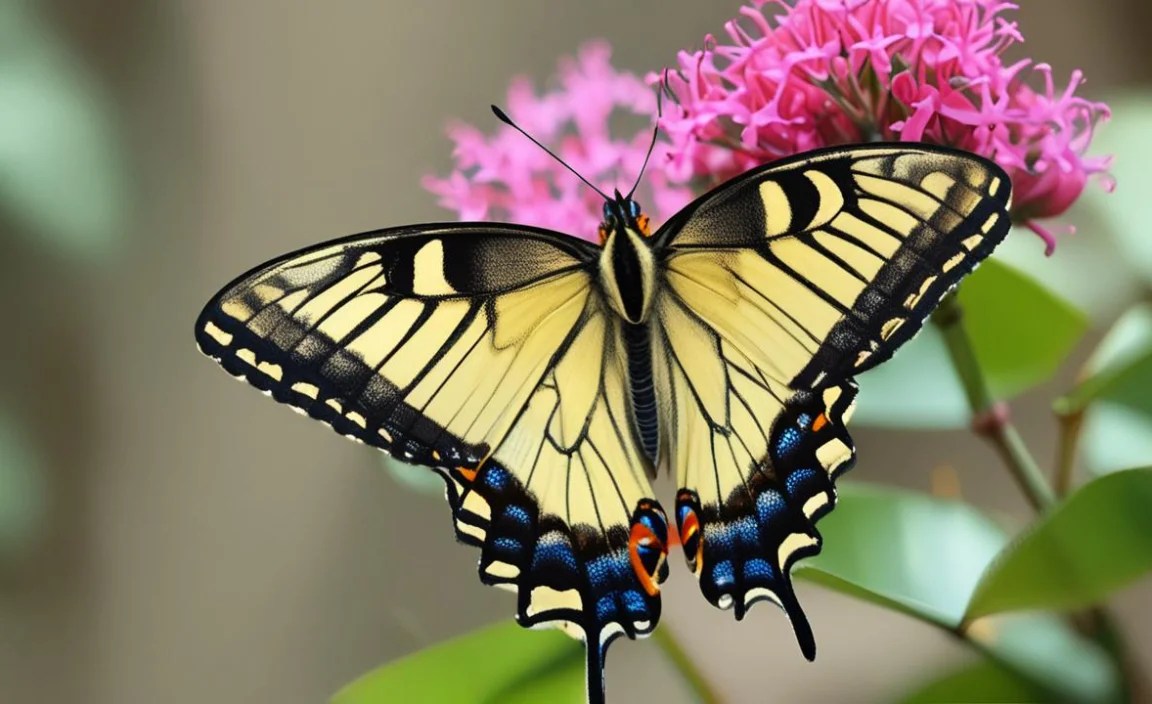
Before diving into specific species, let’s make sure you’re looking at a true swallowtail! Here are the key characteristics to look for:
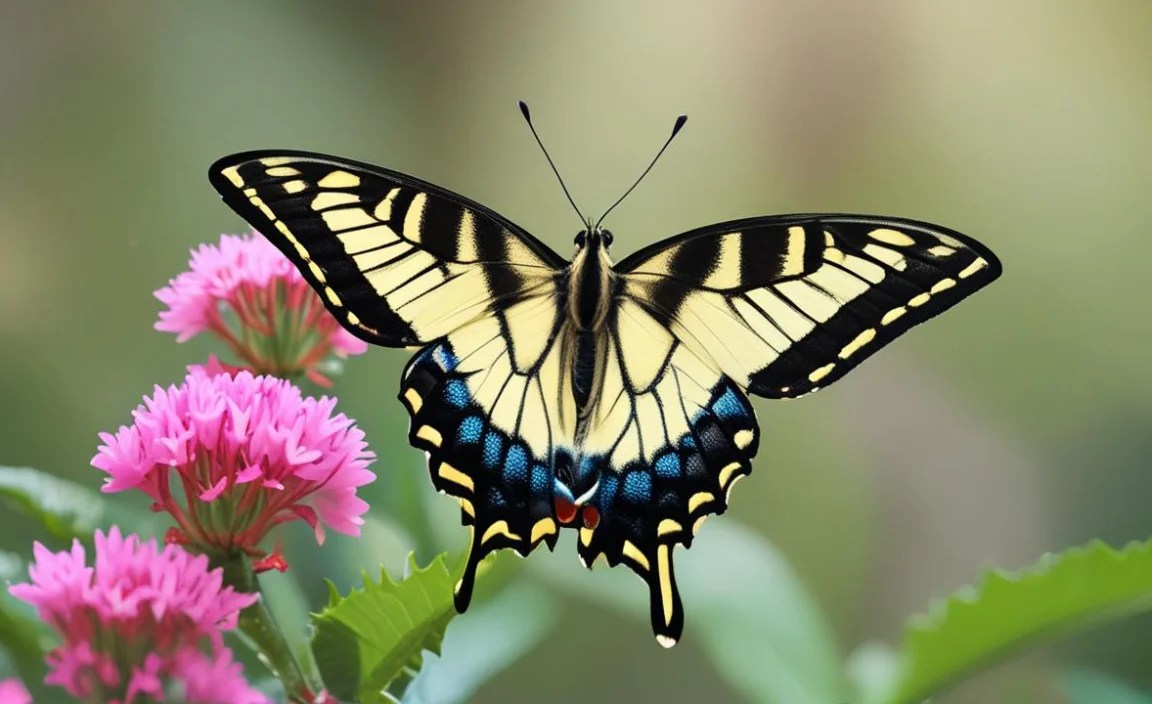
- Tail-like extensions: The most distinctive feature is the presence of “tails” on their hindwings. These tails can vary in length and shape depending on the species.
- Size: Swallowtails are generally large butterflies, with wingspans ranging from 3 to 6 inches (7.5 to 15 cm) or even larger.
- Bright colors: Many swallowtails are brightly colored with patterns of black, yellow, red, blue, and green. Some species also have iridescent scales that shimmer in the sunlight.
- Clubbed antennae: Like all butterflies, swallowtails have clubbed antennae, which they use to sense their environment.
Step 2: Observing Key Features
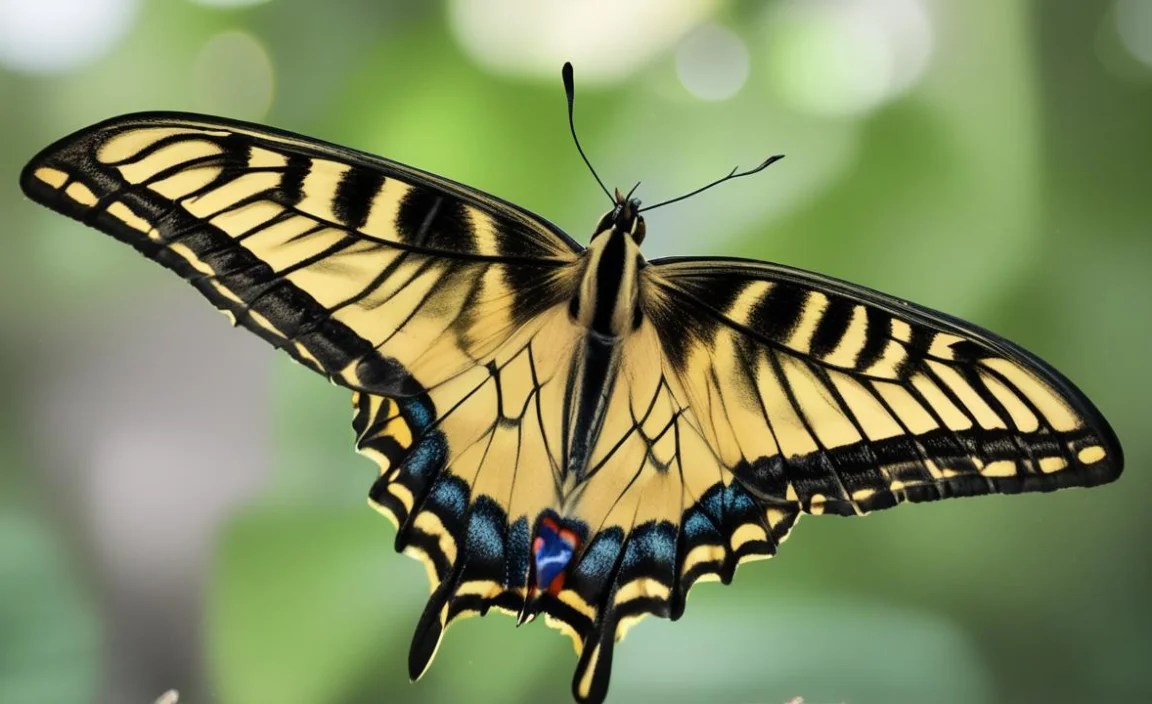
Once you’ve confirmed that you’re looking at a swallowtail, it’s time to observe the details that will help you narrow down the species. Pay attention to these features:
- Wing patterns: Note the colors, shapes, and arrangement of the patterns on the wings. Are there stripes, spots, or bands? Are the patterns symmetrical or asymmetrical?
- Tail shape: Observe the shape and length of the tails. Are they long and pointed, short and rounded, or spoon-shaped?
- Body color: The color of the butterfly’s body can also be a helpful identification clue. Is it black, brown, yellow, or another color?
- Size: Estimate the butterfly’s wingspan. This can help you rule out species that are significantly larger or smaller.
- Behavior: Observe the butterfly’s behavior. How does it fly? What plants does it visit? Does it perch with its wings open or closed?
Step 3: Considering Location and Habitat
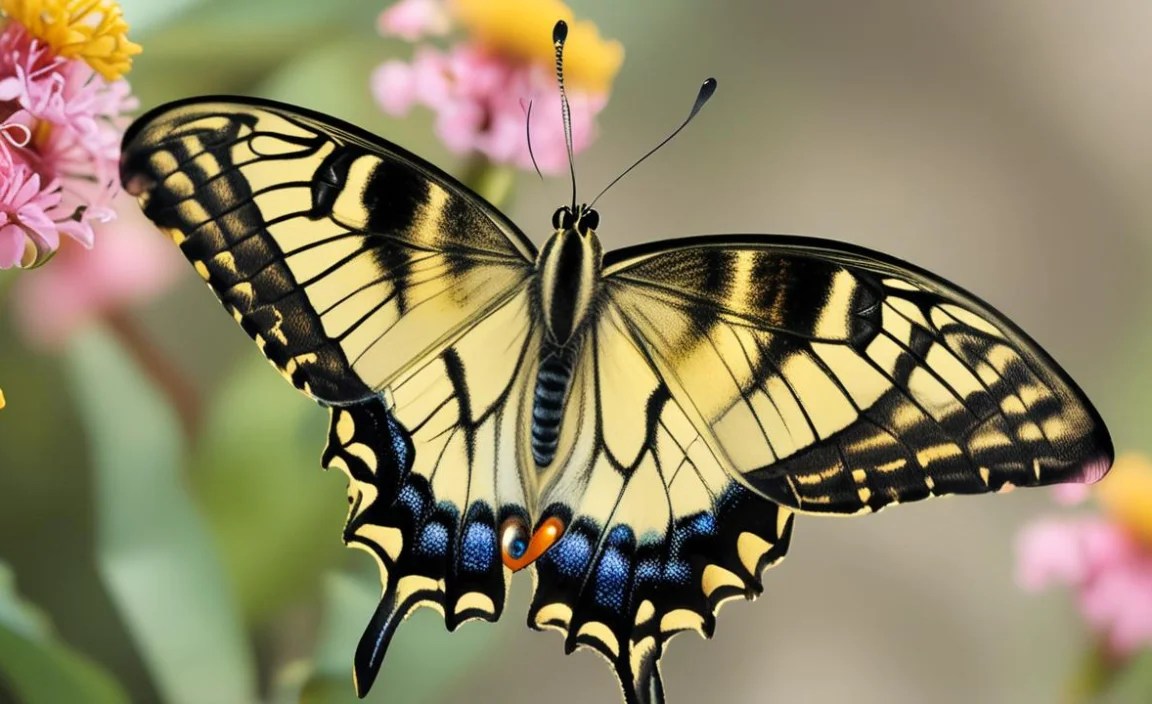
South America is a vast continent with diverse habitats, and different swallowtail species are found in different regions. Knowing the location where you saw the butterfly can greatly narrow down the possibilities. Also, consider the habitat.
- Geographic region: Is it in the Amazon rainforest, the Andes mountains, or the grasslands of the pampas?
- Habitat type: Was it in a forest, a meadow, a garden, or near a river?
- Elevation: Some species are found only at high elevations, while others prefer lowlands.
Step 4: Using Field Guides and Online Resources
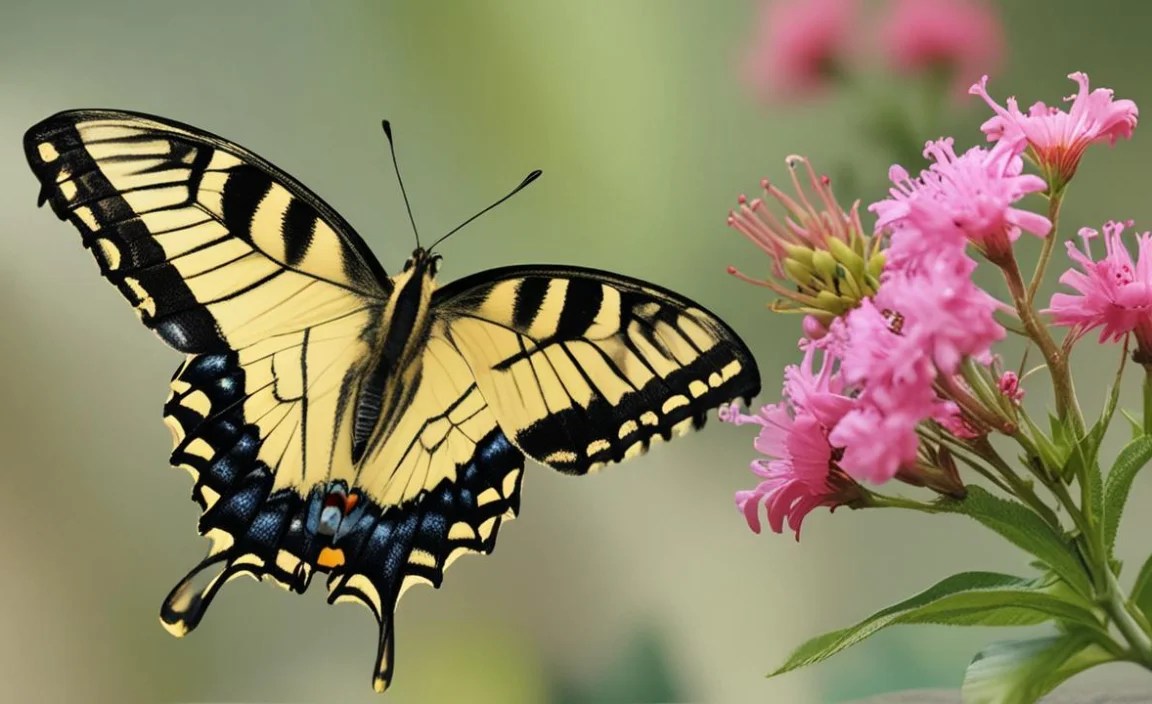
Now it’s time to consult some resources! Field guides and online databases are invaluable tools for identifying swallowtail butterflies. Here are some recommended resources:
- Field guides: Look for field guides specific to South American butterflies or to the region where you are located. These guides typically include detailed descriptions, illustrations, and range maps for each species.
- Online butterfly databases: Websites like iNaturalist and Butterflies of America have extensive collections of photos and information on butterflies from around the world. You can search for butterflies by location or by appearance.
- Butterfly identification apps: Several smartphone apps can help you identify butterflies based on photos you take in the field.
Step 5: Understanding Mimicry
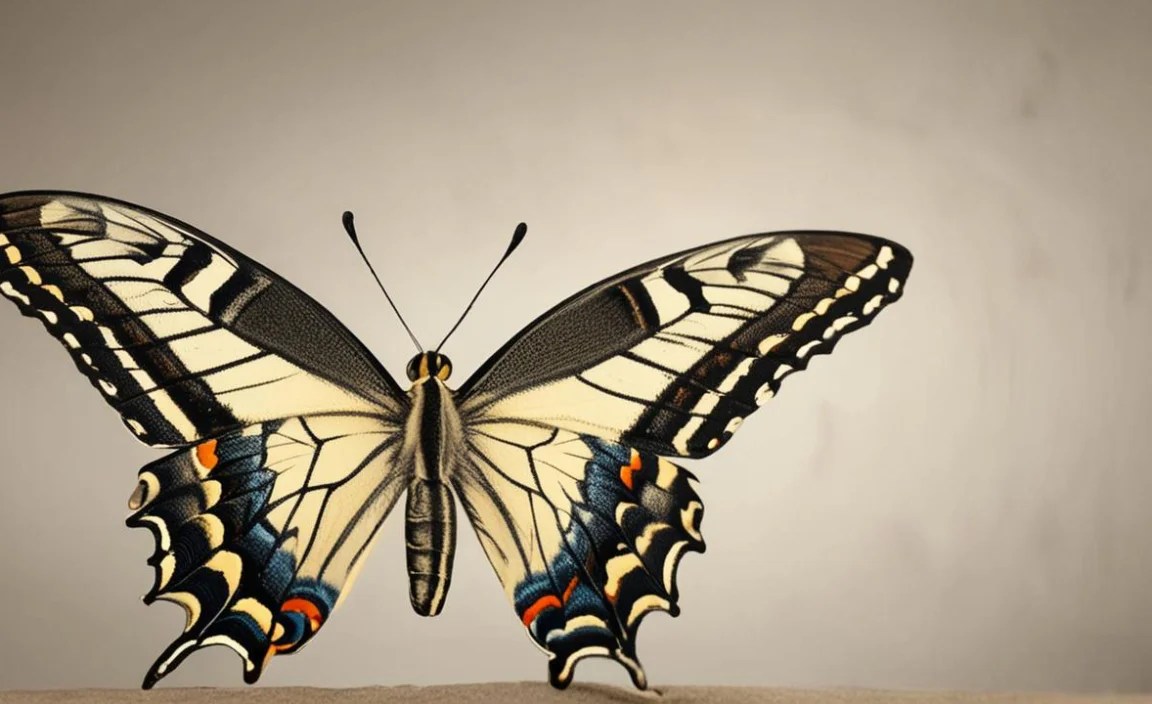
Mimicry is a common phenomenon among butterflies, where one species evolves to resemble another. Some swallowtail butterflies mimic poisonous or distasteful species to avoid predation. This can make identification more challenging, but understanding the concept of mimicry can help you avoid misidentification.
There are two main types of mimicry:
- Batesian mimicry: A harmless species mimics a harmful one. For example, some swallowtails mimic the poisonous pipevine swallowtails (Battus genus) to deter predators.
- Müllerian mimicry: Several harmful species resemble each other, reinforcing the warning signal to predators.
Step 6: Documenting Your Observations
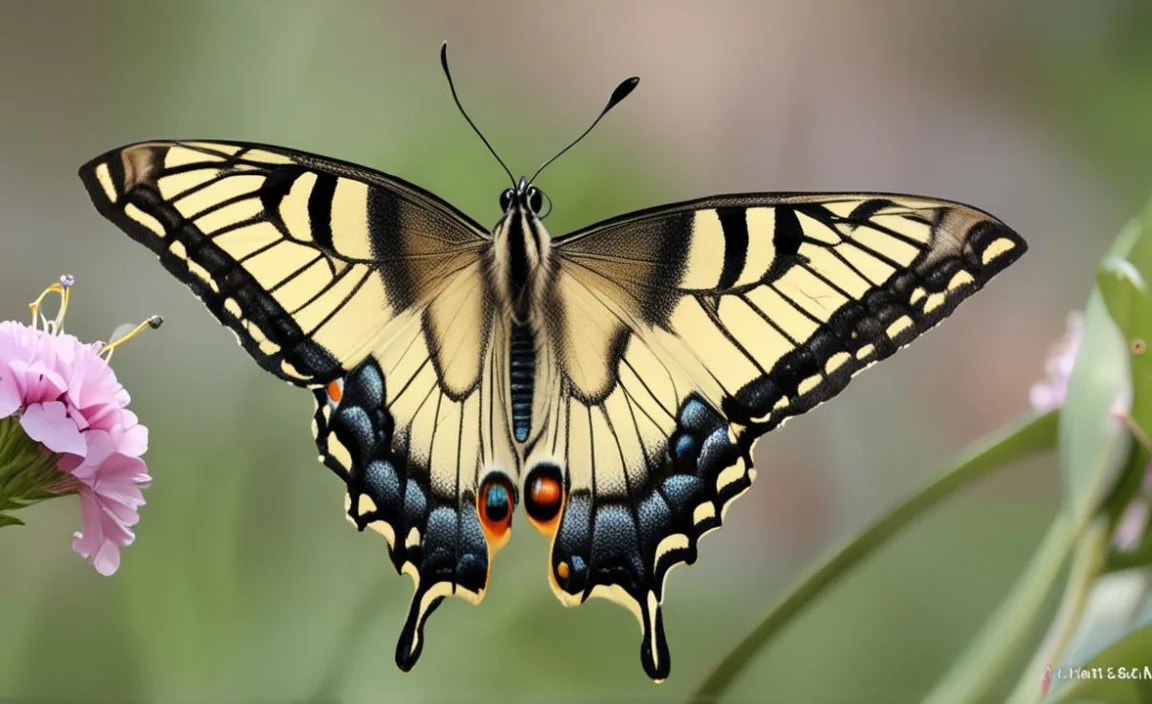
Whether you’re a beginner or an experienced butterfly enthusiast, documenting your observations is a valuable way to contribute to our understanding of these fascinating creatures. Here’s how you can document your sightings:
- Take photos: Capture clear photos of the butterfly from different angles, including the upper and lower sides of the wings.
- Record the date, time, and location: Note the date, time, and exact location where you saw the butterfly. GPS coordinates are especially helpful.
- Describe the habitat: Describe the habitat where you found the butterfly, including the type of vegetation and any nearby water sources.
- Note the butterfly’s behavior: Record any interesting behaviors you observed, such as feeding, mating, or egg-laying.
- Share your observations: Submit your photos and data to online butterfly databases like iNaturalist or Butterflies of America. This will help researchers track butterfly populations and distributions.
Step 7: Attracting Swallowtails to Your Garden

Want to see more swallowtail butterflies in your backyard? You can create a butterfly-friendly garden by providing the plants they need for food and shelter. Here are some tips:
- Plant host plants: Host plants are the plants that butterfly larvae (caterpillars) feed on. Different swallowtail species have different host plant preferences. Some popular host plants for South American swallowtails include citrus trees (for the giant swallowtail), pipevines (for pipevine swallowtails), and pawpaws (for zebra swallowtails).
- Plant nectar plants: Nectar plants provide food for adult butterflies. Choose a variety of nectar-rich flowers that bloom throughout the butterfly season. Some good choices include lantana, salvia, butterfly bush, and zinnias.
- Provide a water source: Butterflies need water to drink. You can provide a shallow dish of water with pebbles or sand for them to land on.
- Avoid pesticides: Pesticides can harm or kill butterflies and other beneficial insects. Use organic gardening practices to protect your butterfly garden.
- Provide shelter: Butterflies need shelter from wind and rain. Plant trees and shrubs to provide them with a safe place to rest.
Common Swallowtail Butterflies of South America

Here’s a glimpse into the diversity of swallowtail butterflies you might encounter in South America:
Giant Swallowtail (Papilio cresphontes)
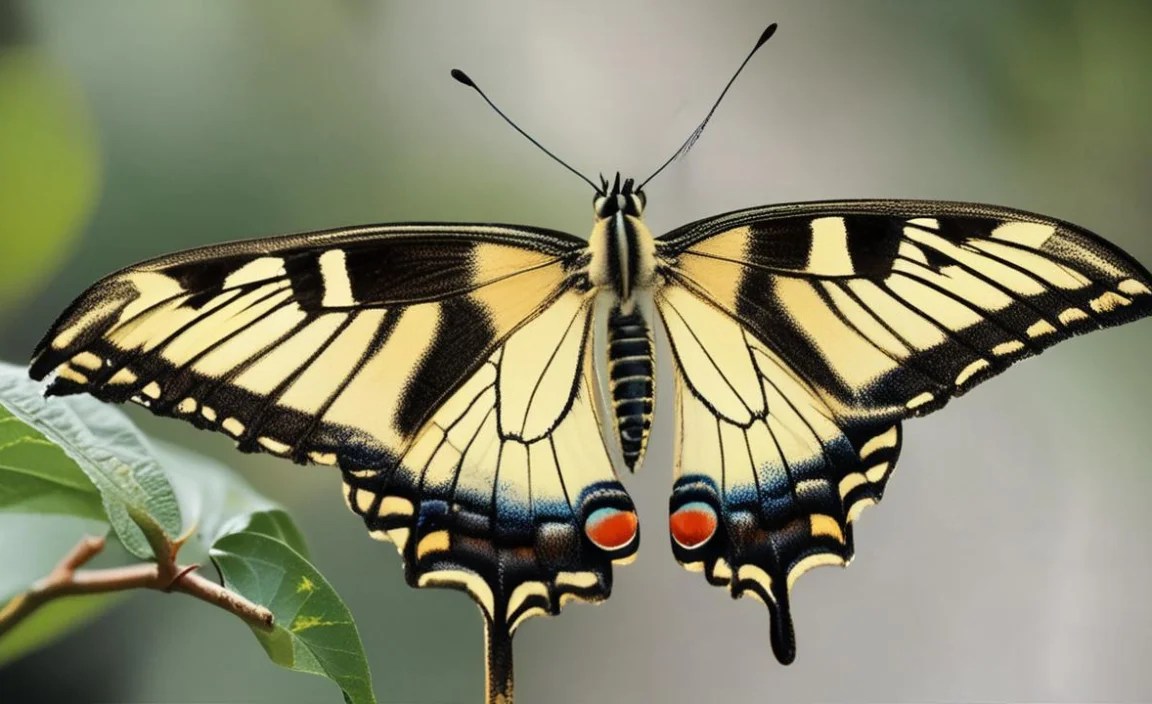
This large butterfly is found throughout much of South America. It is black with yellow markings and has a wingspan of up to 6 inches. The caterpillars feed on citrus trees, making them a common sight in orchards and gardens.
Zebra Swallowtail (Eurytides marcellus)
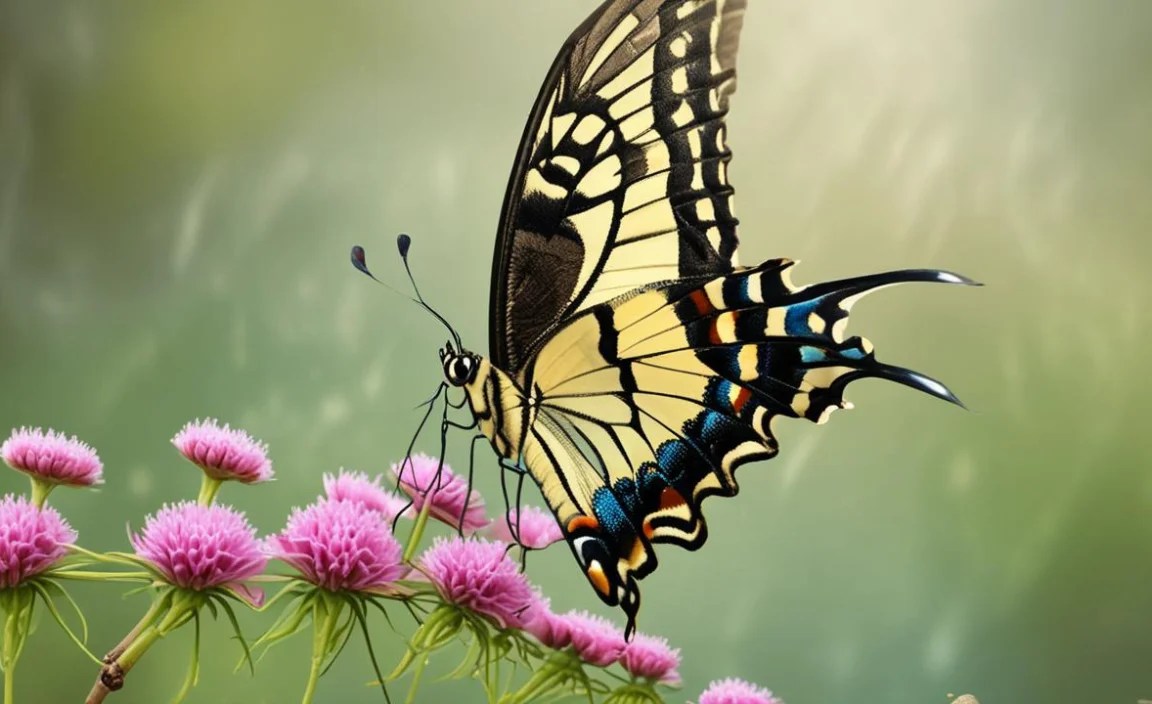
This elegant butterfly is named for its black and white stripes. It is found in eastern South America. The caterpillars feed on pawpaw trees.
Polydamas Swallowtail (Battus polydamas)
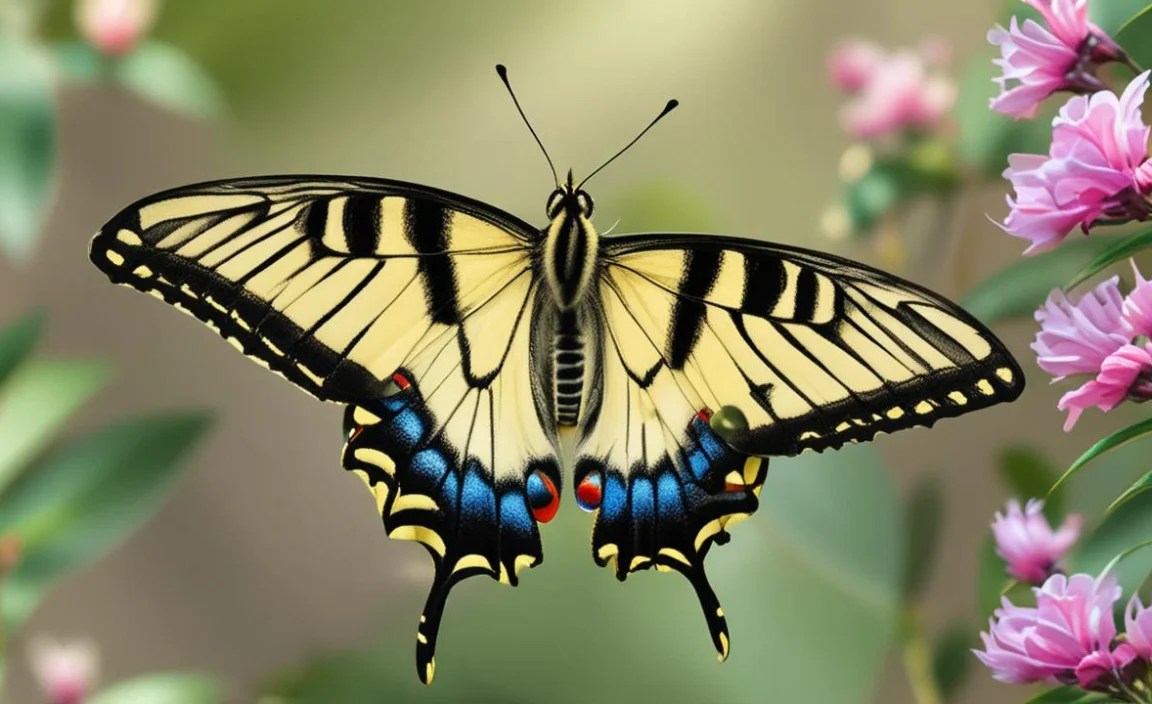
This black swallowtail has iridescent green or blue markings. It is found throughout South America. The caterpillars feed on pipevines, which contain toxins that make the butterfly unpalatable to predators.
Ornythion Swallowtail (Protographium marcellinus ornythion)
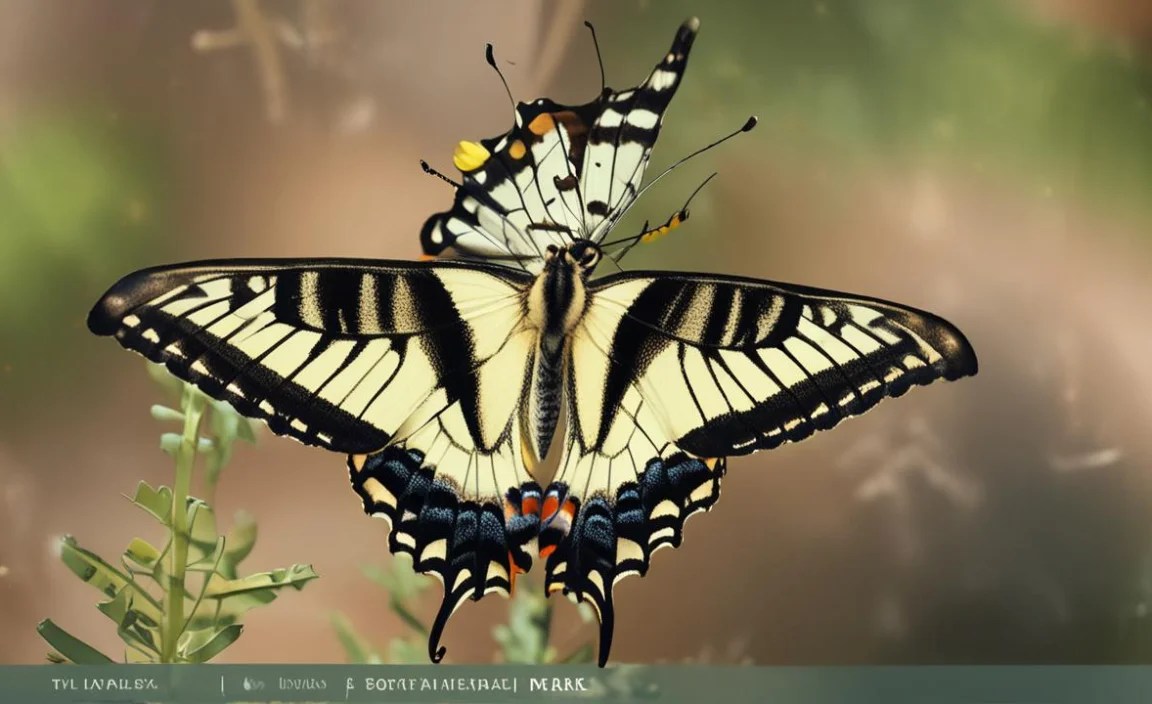
This swallowtail is known for its striking green and black coloration. It is found in Central and South America, often near forested areas. The Ornythion Swallowtail is a fast flyer and can be difficult to approach.
Cattleheart Butterflies (Parides species)

This genus encompasses a variety of swallowtail butterflies known for their heart-shaped wings and vibrant colors. They are commonly found in tropical regions of South America and often exhibit mimicry.
Table: Comparing Common South American Swallowtail Butterflies

| Species | Appearance | Habitat | Host Plant |
|---|---|---|---|
| Giant Swallowtail (Papilio cresphontes) | Black with yellow markings | Orchards, gardens | Citrus trees |
| Zebra Swallowtail (Eurytides marcellus) | Black and white stripes | Eastern South America | Pawpaw trees |
| Polydamas Swallowtail (Battus polydamas) | Black with iridescent green or blue markings | Throughout South America | Pipevines |
| Ornythion Swallowtail (Protographium marcellinus ornythion) | Green and black | Forested areas of Central and South America | Various species in the Annonaceae family |
| Cattleheart Butterflies (Parides species) | Heart-shaped wings, vibrant colors | Tropical regions of South America | Various Aristolochia species |
The Importance of Swallowtail Butterflies

Swallowtail butterflies are not only beautiful but also play important roles in the ecosystem. They are pollinators, helping to transfer pollen from flower to flower and ensure the reproduction of many plant species. They also serve as food for birds, lizards, and other animals. By understanding and appreciating these butterflies, we can help protect them and their habitats.
Swallowtail Butterfly Conservation
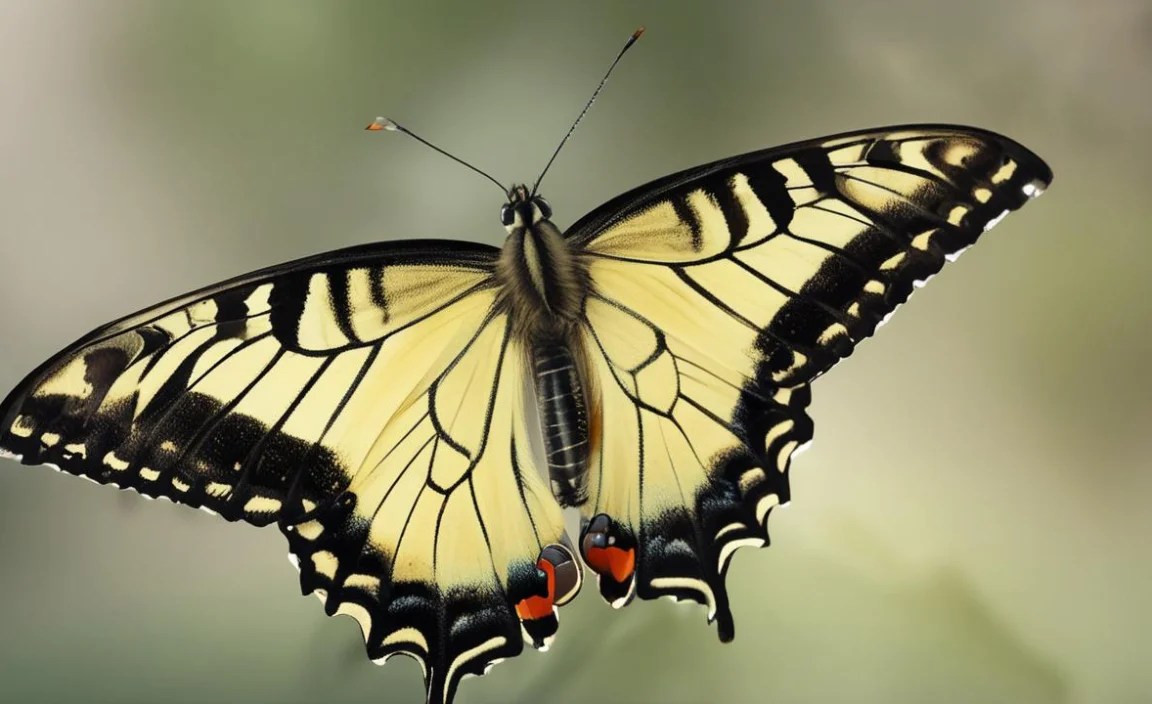
Many swallowtail butterfly species face threats from habitat loss, pesticide use, and climate change. Conservation efforts are essential to protect these butterflies and the ecosystems they inhabit. Here are some ways you can help:
- Support habitat conservation: Donate to organizations that protect forests, grasslands, and other natural habitats.
- Reduce pesticide use: Use organic gardening practices and avoid using pesticides that can harm butterflies and other beneficial insects.
- Plant a butterfly garden: Create a butterfly-friendly habitat in your own backyard by planting host plants and nectar plants.
- Educate others: Share your knowledge and passion for butterflies with friends, family, and community members.
- Participate in citizen science projects: Contribute to butterfly monitoring programs by recording your sightings and submitting data to online databases.
FAQ: Swallowtail Butterflies in South America
Here are some frequently asked questions about swallowtail butterflies in South America:
What is the easiest way to identify a swallowtail butterfly?

Look for the distinctive “tails” on their hindwings. Also, swallowtails are generally large and brightly colored.
What do swallowtail caterpillars eat?
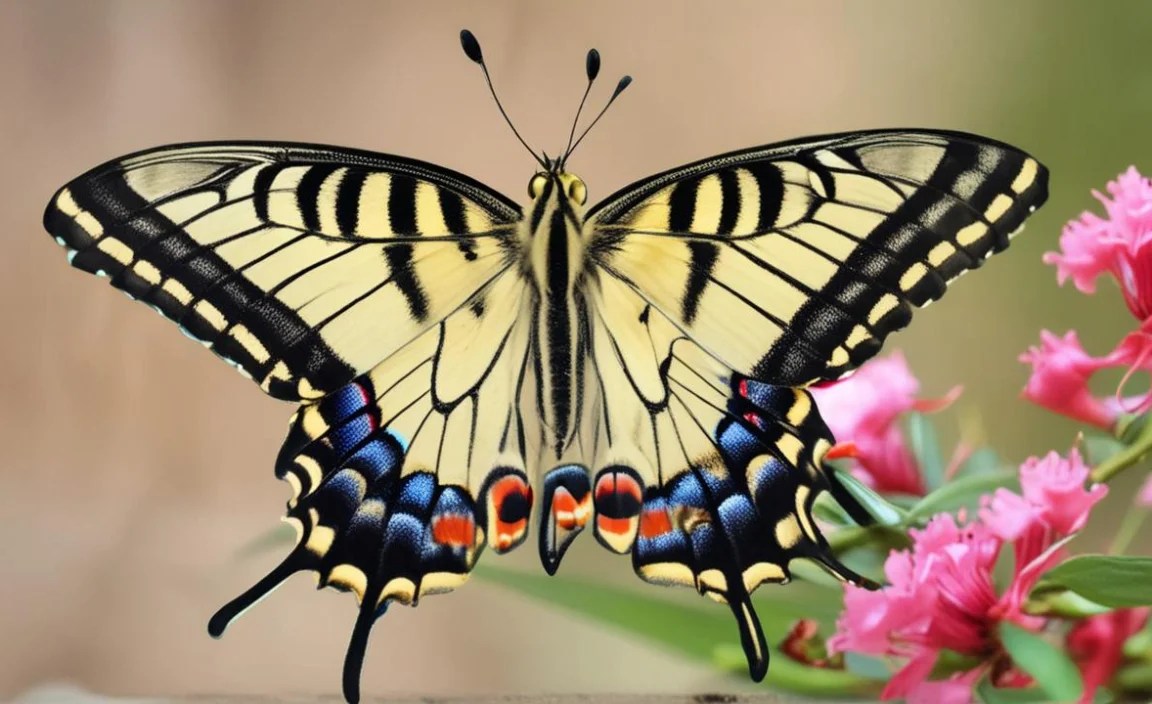
Swallowtail caterpillars eat specific host plants, which vary depending on the species. Common host plants include citrus trees, pipevines, and pawpaws.
Are swallowtail butterflies poisonous?

Some swallowtail butterflies are poisonous because their caterpillars feed on toxic plants. These butterflies often have bright colors and patterns that warn predators of their toxicity.
How can I attract swallowtail butterflies to my garden?

Plant host plants and nectar plants that are attractive to swallowtails. Also, provide a water source and avoid using pesticides.
Where can I find more information about swallowtail butterflies?

Consult field guides, online butterfly databases, and butterfly identification apps. You can also contact local butterfly experts or nature centers.
What is mimicry in butterflies?

Mimicry is when one butterfly species evolves to resemble another. This can involve resembling a poisonous species (Batesian mimicry) or another species with similar defenses (Müllerian mimicry).
Why are swallowtail butterflies important?
Swallowtail butterflies are important pollinators and play a crucial role in the food chain. They also serve as indicators of environmental health.
Conclusion
Identifying swallowtail butterflies in South America can be a fascinating and rewarding journey. By learning to recognize the key features, considering location and habitat, and using available resources, you can unlock the secrets of these beautiful creatures. Remember to document your observations and contribute to conservation efforts to help protect these butterflies for future generations. Happy butterflying!


