
Butterfly Identification in Appalachia: Easy Guide!

Have you ever seen a pretty butterfly? Did it flutter by too fast to know its name? The Appalachian region has many kinds of butterflies. Butterfly identification in Appalachia can be tricky. But it is also lots of fun! Let’s learn how to name these colorful insects.
Key Takeaways
- Use field guides and apps for butterfly identification in Appalachia.
- Look at size, color, and patterns on wings to identify butterflies.
- Many butterflies in Appalachia are unique to specific habitats.
- Knowing host plants helps to identify butterfly caterpillars.
- Citizen science projects help track butterfly populations in the area.
Butterfly Identification in Appalachia: An Overview

Appalachia is home to many different butterflies. These include swallowtails, monarchs, and fritillaries. Each kind has its own colors and patterns. Butterfly identification in Appalachia needs careful looking. You must notice the size, shape, and colors of the wings. Also, where you see the butterfly matters. Some like forests. Others live in meadows. The time of year also changes what butterflies you might see. Some fly in spring. Others appear in summer or fall. Learning about these things helps you name the butterflies you find. Good tools and knowing where to look make it easier. So, grab your guide and get ready to explore the world of butterflies!
- Swallowtails are large and colorful.
- Monarchs are famous for their long trips.
- Fritillaries often have orange wings.
- Location matters for finding butterflies.
- Time of year affects which butterflies you see.
Why is it important to know the names of butterflies? Knowing their names helps us understand them better. We can learn about their lives and what they need to live. This helps us protect them. Butterflies are also important for our environment. They help spread pollen. This helps plants make seeds. When we protect butterflies, we also protect the plants and animals that depend on them. So, learning about butterfly identification in Appalachia is good for everyone. It helps us care for our world and enjoy its beauty. Every small action counts toward helping these creatures thrive in their natural habitats.
Fun Fact or Stat: There are over 150 different butterfly species in the Appalachian region!
What Makes Appalachian Butterflies Unique?
Have you ever wondered why certain butterflies live in specific places? Appalachian butterflies are special because of where they live. The mountains offer different habitats. Some areas are cool and wet. Others are warm and dry. This creates different homes for different butterflies. For example, some butterflies only live near certain trees. Their caterpillars eat the leaves of those trees. If those trees disappear, the butterflies might too. So, the butterfly identification in Appalachia also means knowing about the plants around them. It’s like a puzzle where everything fits together. The mountains, plants, and butterflies all depend on each other.
Why Does Habitat Matter for Butterfly Identification?
Imagine trying to find a fish in the desert. It would be very hard, right? The same goes for butterflies. Different butterflies like different homes. Some prefer sunny meadows full of wildflowers. Others like shady forests with tall trees. When you are trying butterfly identification in Appalachia, look around. What kind of place are you in? Is it wet or dry? Are there many flowers? The answers can help you narrow down your choices. Some butterflies are only found in certain habitats. So, knowing the habitat is a big clue to naming the butterfly.
How Do Seasons Affect Butterfly Sightings?
Think about your favorite ice cream. You probably eat it more in the summer, right? Butterflies are similar. Some butterflies only fly during certain times of the year. Spring butterflies might be small and colorful. They come out when the first flowers bloom. Summer butterflies are often bigger and bolder. They enjoy the long, sunny days. Fall butterflies can be orange and brown. They get ready for winter. When you go butterfly identification in Appalachia, check the season. This can help you know which butterflies to look for. It’s like having a secret calendar of butterfly appearances.
Fun Fact or Stat: Some butterflies migrate thousands of miles, just like birds!
Tools for Butterfly Identification in Appalachia
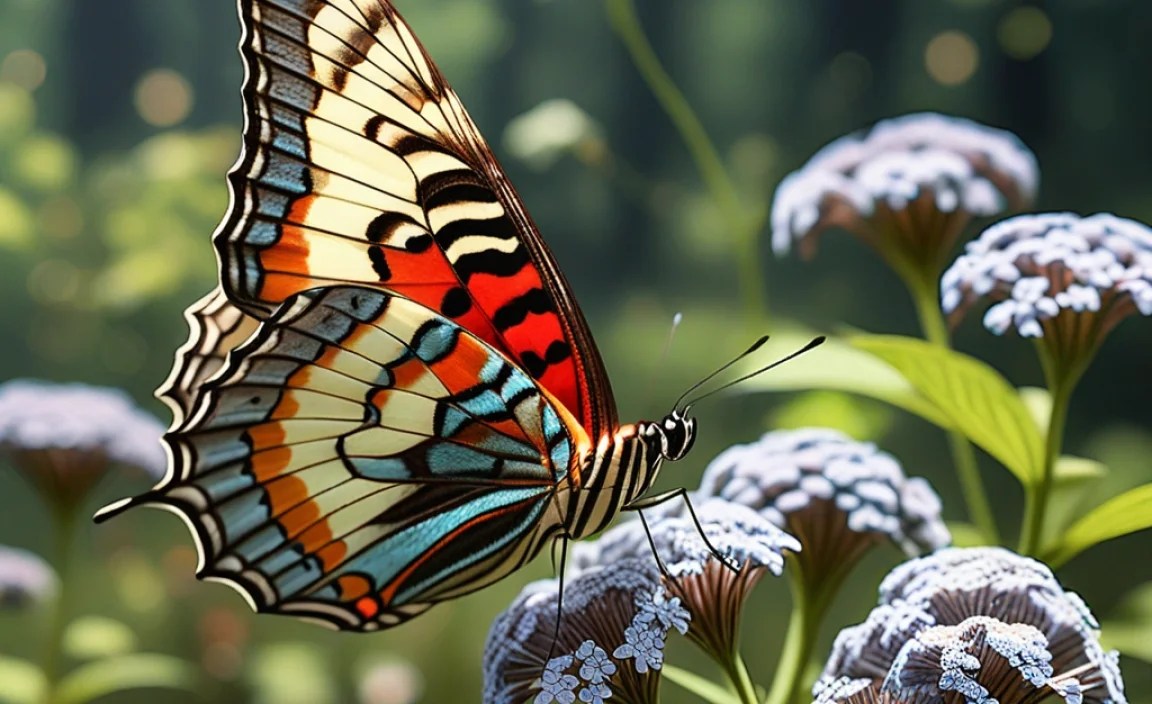
Naming butterflies can seem hard at first. But there are tools to help you. A good field guide is very useful. It has pictures and descriptions of different butterflies. You can compare the butterfly you see to the pictures in the guide. Also, there are many apps for your phone. These apps can help you name butterflies quickly. You can take a photo of the butterfly. The app will try to identify it. Some apps also have information about butterflies. They tell you where they live and what they eat. Using these tools makes butterfly identification in Appalachia easier and more fun. They help you learn and explore the butterfly world.
- Field guides show pictures and descriptions.
- Apps can identify butterflies from photos.
- Binoculars help you see butterflies up close.
- A notebook helps you record your findings.
- Websites offer information about butterflies.
It’s important to choose the right tools. A field guide should have good pictures. It should also describe the butterflies clearly. An app should be easy to use. It should also give you accurate information. You can also use other tools. Binoculars help you see butterflies that are far away. A notebook helps you write down what you see. You can note the colors, patterns, and location. All these tools help you become a better butterfly identifier. They make butterfly identification in Appalachia a fun and educational adventure. Remember, the best tool is the one that works best for you.
Fun Fact or Stat: Some field guides are waterproof, so you can use them in the rain!
What to Look for in a Good Field Guide?
Imagine you are going on a treasure hunt. You need a good map, right? A field guide is like a map for butterflies. It helps you find and name them. A good field guide has clear pictures. The pictures should show the butterflies from different angles. It should also describe the butterflies in detail. Look for information about size, color, and markings. The guide should also tell you where the butterflies live. Does it live in forests or meadows? What time of year does it fly? All this information helps with butterfly identification in Appalachia. A good field guide is your best friend on a butterfly adventure.
How Can Apps Help Identify Butterflies?
Have you ever used a phone to find information? Apps can also help you with butterflies. There are apps that can identify butterflies from photos. You just take a picture of the butterfly. The app compares it to pictures in its database. It then tells you the name of the butterfly. Some apps also have information about butterflies. They tell you about their lives and habits. These apps make butterfly identification in Appalachia very easy. But remember, apps are not always perfect. Sometimes they make mistakes. It’s always good to double-check with a field guide.
Why is a Notebook Important for Butterfly Watching?
Think of yourself as a butterfly detective. Detectives take notes, right? A notebook is important for butterfly watching. You can write down what you see. Note the date, time, and location. Describe the butterfly’s colors and patterns. What was it doing? Was it flying or resting? What kind of plant was it on? All these notes help you remember what you saw. They also help you learn about butterflies. You can look back at your notes later. You might notice patterns. You might discover something new. So, grab a notebook and start your butterfly adventure. Butterfly identification in Appalachia becomes more fun with a notebook.
Fun Fact or Stat: The first butterfly field guides were handwritten and illustrated!
Understanding Butterfly Anatomy for Identification
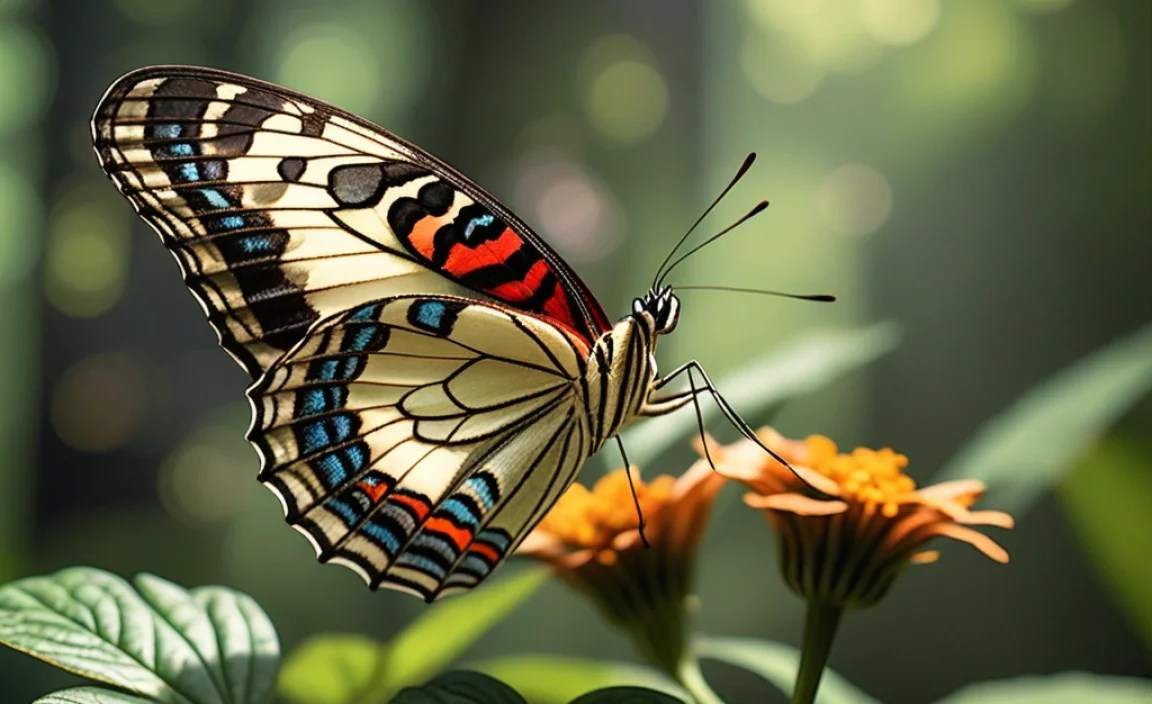
To name butterflies, you must know their body parts. Butterflies have three main parts: head, thorax, and abdomen. The head has eyes, antennae, and a proboscis. The thorax has wings and legs. The abdomen holds the butterfly’s organs. When you are doing butterfly identification in Appalachia, look at the wings. Notice the colors, patterns, and shapes. The veins on the wings can also help. The antennae can be different shapes. Some are clubbed. Others are feathery. The proboscis is like a straw. Butterflies use it to drink nectar from flowers. Knowing these body parts helps you name butterflies more easily. It’s like learning the alphabet of the butterfly world.
- Head: Contains eyes, antennae, and proboscis.
- Thorax: Has wings and legs attached.
- Abdomen: Holds the butterfly’s organs.
- Wings: Look for colors, patterns, and shapes.
- Antennae: Can be clubbed or feathery.
- Proboscis: Used for drinking nectar.
Why is it important to know butterfly anatomy? Knowing the parts of a butterfly helps you describe it better. You can say, “It has a black spot on its forewing.” Or, “Its antennae are clubbed.” These details help you compare the butterfly to pictures in a field guide. They also help you talk to other butterfly watchers. You can share what you saw and ask for help. So, learning butterfly anatomy is like learning a secret language. It helps you connect with other people who love butterflies. It also makes butterfly identification in Appalachia more accurate and rewarding.
Fun Fact or Stat: A butterfly’s wings are covered in thousands of tiny scales!
Why Are Wing Patterns Important?
Imagine you are trying to find your friend in a crowd. You look for their clothes, right? Wing patterns are like clothes for butterflies. They help you tell them apart. Some butterflies have stripes. Others have spots. Some have bright colors. Others have dull colors. These patterns are different for each kind of butterfly. When you are doing butterfly identification in Appalachia, pay close attention to the wings. What colors are they? Are there any spots or stripes? Where are the spots located? These details will help you narrow down your choices. Wing patterns are a key to solving the butterfly puzzle.
How Do Antennae Help with Identification?
Think of antennae as butterfly noses. They help butterflies smell and sense their surroundings. Antennae also come in different shapes. Some are thin and straight. Others have a club at the end. The shape of the antennae can help you name a butterfly. For example, swallowtail butterflies have clubbed antennae. Skipper butterflies have a hook at the end of their antennae. When you are doing butterfly identification in Appalachia, take a close look at the antennae. What shape are they? This can give you a big clue to the butterfly’s name. It’s like finding a secret code.
What is the Proboscis Used For?
Have you ever used a straw to drink a milkshake? A butterfly’s proboscis is like a straw. It uses it to drink nectar from flowers. The proboscis is usually curled up. When the butterfly wants to drink, it uncurls it. Then, it sticks it into the flower and sucks up the nectar. The proboscis is a very important tool for butterflies. It helps them get the food they need to live. While the proboscis doesn’t directly help with butterfly identification in Appalachia, knowing its function helps you understand the butterfly’s life. It’s a reminder that every part of the butterfly has a job to do.
Fun Fact or Stat: A butterfly can taste with its feet!
Common Appalachian Butterflies and Their Habitats
Appalachia is home to many kinds of butterflies. The monarch butterfly is very famous. It travels long distances. Swallowtail butterflies are large and colorful. They are often seen in gardens. Fritillary butterflies like meadows. They have orange wings with black spots. Azure butterflies are small and blue. They live in forests. Skipper butterflies are small and fast. They have hooked antennae. When you are doing butterfly identification in Appalachia, knowing these common butterflies helps. It gives you a starting point. You can learn to recognize them quickly. Then, you can start learning about the rarer ones.
| Butterfly Name | Habitat | Color | Size |
|---|---|---|---|
| Monarch | Fields, gardens | Orange and black | Large |
| Swallowtail | Gardens, woodlands | Yellow and black | Large |
| Fritillary | Meadows | Orange with black spots | Medium |
| Azure | Forests | Blue | Small |
| Skipper | Grasslands | Brown or orange | Small |
It’s important to learn about the habitats of these butterflies. Monarchs like fields with milkweed plants. Swallowtails like gardens with nectar-rich flowers. Fritillaries prefer meadows with violets. Azures live in forests with trees for shade. Skippers live in grasslands with lots of grasses. Knowing where to look helps you find these butterflies. It also helps you understand their needs. You can plant the right flowers to attract them to your yard. You can also protect their habitats from harm. So, learning about common Appalachian butterflies and their habitats is good for the butterflies and for you. It makes butterfly identification in Appalachia more meaningful.
Fun Fact or Stat: Monarch butterflies travel up to 3,000 miles during their migration!
Where Can You Find Monarch Butterflies?
Have you ever heard of a butterfly that travels thousands of miles? Monarch butterflies are famous for their long journeys. They fly from Canada and the United States to Mexico for the winter. Then, they fly back in the spring. Monarchs need milkweed plants to survive. Their caterpillars eat milkweed leaves. So, you can find monarchs in fields and gardens with milkweed. When you are doing butterfly identification in Appalachia, look for orange and black butterflies near milkweed. Monarchs are beautiful and important. Protecting their habitats helps them continue their amazing journey.
What Kind of Flowers Attract Swallowtails?
Imagine you are a butterfly looking for a tasty drink. You would want to find flowers with lots of nectar, right? Swallowtail butterflies love nectar-rich flowers. They are attracted to flowers like zinnias, butterfly bushes, and milkweed. These flowers provide them with the energy they need to fly. If you want to attract swallowtails to your yard, plant these flowers. You will see these large, colorful butterflies fluttering around. When you are doing butterfly identification in Appalachia, look for swallowtails near these flowers. They are a beautiful addition to any garden.
Why Are Meadows Important for Fritillaries?
Think of a meadow as a butterfly buffet. It has everything a butterfly needs. Fritillary butterflies love meadows. Meadows have lots of wildflowers. These flowers provide nectar for the butterflies. Meadows also have violets. Fritillary caterpillars eat violet leaves. So, meadows are important for both the adult butterflies and their young. When you are doing butterfly identification in Appalachia, look for fritillaries in meadows. They are often seen flying low to the ground. Protecting meadows helps protect these beautiful butterflies.
Fun Fact or Stat: Some butterflies can only lay their eggs on one specific type of plant!
Caterpillar Identification and Host Plants
Butterflies start as caterpillars. Caterpillars look very different from butterflies. They are often green, brown, or black. They have different patterns and markings. To find butterflies, you must find their caterpillars. Caterpillars eat specific plants. These plants are called host plants. For example, monarch caterpillars eat milkweed. Swallowtail caterpillars eat parsley or dill. When you are doing butterfly identification in Appalachia, learn about host plants. Look for caterpillars on these plants. If you find a caterpillar, you can raise it. Watch it turn into a butterfly. This is a great way to learn about butterflies.
- Caterpillars look different from butterflies.
- Host plants are food for caterpillars.
- Monarch caterpillars eat milkweed.
- Swallowtail caterpillars eat parsley.
- Raising caterpillars is a fun way to learn.
Why is caterpillar identification important? Knowing what caterpillars look like helps you protect them. You can avoid spraying pesticides on their host plants. You can also plant more host plants in your yard. This provides food for the caterpillars. It also attracts butterflies to your garden. Raising caterpillars is a fun and educational activity. You can learn about their life cycle. You can also share your knowledge with others. So, learning about caterpillar identification and host plants is good for the butterflies and for you. It makes butterfly identification in Appalachia more complete and rewarding.
Fun Fact or Stat: Some caterpillars can eat poisonous plants without getting sick!
What Do Monarch Caterpillars Eat?
Imagine you are a hungry monarch caterpillar. You need to find your favorite food, right? Monarch caterpillars only eat milkweed plants. Milkweed is a special plant. It contains a poison that protects the caterpillars from predators. When the caterpillar turns into a butterfly, it still has the poison. This makes the butterfly taste bad to birds. If you want to help monarch butterflies, plant milkweed in your yard. You will see monarch caterpillars munching on the leaves. This is a great way to support butterfly identification in Appalachia and conservation.
Where Can You Find Swallowtail Caterpillars?
Think of yourself as a swallowtail caterpillar detective. You need to find your favorite food, right? Swallowtail caterpillars eat plants in the parsley family. This includes parsley, dill, and fennel. Look for swallowtail caterpillars on these plants in your garden. They are often green with black and yellow stripes. If you find a swallowtail caterpillar, be careful not to disturb it. Let it eat and grow. Soon, it will turn into a beautiful swallowtail butterfly. This is a fun way to learn about butterfly identification in Appalachia.
How Can You Raise Caterpillars at Home?
Have you ever wanted to see a butterfly grow from a caterpillar? You can raise caterpillars at home. First, find a caterpillar on its host plant. Gently move the caterpillar and some of the plant to a container. Make sure the container has air holes. Keep the plant fresh by adding water. Clean the container every day. Watch the caterpillar eat and grow. Soon, it will turn into a chrysalis. This is the pupa stage. After a few weeks, a butterfly will emerge from the chrysalis. Release the butterfly into the wild. Raising caterpillars is a fun and educational way to learn about butterfly identification in Appalachia.
Fun Fact or Stat: Some caterpillars can change color to blend in with their surroundings!
Citizen Science and Butterfly Monitoring
You can help scientists study butterflies. Citizen science projects let you share your butterfly sightings. You can report what butterflies you see and where you see them. This information helps scientists track butterfly populations. It also helps them understand how butterflies are affected by climate change. There are many citizen science projects you can join. You can count butterflies in your yard. You can also participate in organized butterfly counts. When you do butterfly identification in Appalachia, you can contribute to science. Your observations can help protect butterflies and their habitats.
- Citizen science helps track butterfly populations.
- You can report your butterfly sightings.
- This helps scientists study climate change.
- You can count butterflies in your yard.
- Organized butterfly counts are also helpful.
Why is citizen science important? Scientists cannot be everywhere at once. They need help from volunteers like you. Your observations can provide valuable data. This data can help scientists make better decisions. It can also help them protect butterflies and their habitats. Participating in citizen science is a fun and rewarding experience. You can learn about butterflies and contribute to science at the same time. It makes butterfly identification in Appalachia more meaningful. You are not just naming butterflies. You are also helping to protect them for future generations.
Fun Fact or Stat: Some citizen science projects use photos to identify butterflies!
How Can You Participate in Butterfly Counts?
Imagine you are part of a butterfly detective team. You and other volunteers count butterflies in a specific area. This is called a butterfly count. Butterfly counts are organized by local groups or organizations. You can find information about counts online. During the count, you walk through a designated area. You record all the butterflies you see. You also note the date, time, and location. This information is sent to scientists. It helps them track butterfly populations. Participating in butterfly counts is a fun way to learn about butterfly identification in Appalachia and contribute to science.
What Data Do Scientists Collect About Butterflies?
Think of scientists as butterfly data collectors. They want to know everything about butterflies. They collect information about the number of butterflies. They also record the different kinds of butterflies. They note the location where the butterflies were seen. They also record the date and time. They may also collect information about the weather. All this data helps scientists understand butterfly populations. It also helps them study the effects of climate change. When you participate in citizen science, you are helping scientists collect this important data. This aids in butterfly identification in Appalachia and conservation efforts.
Why is Monitoring Butterfly Populations Important?
Have you ever wondered if butterflies are disappearing? Monitoring butterfly populations helps us answer this question. By tracking butterfly numbers, we can see if populations are increasing or decreasing. If we see a decline, we can investigate the cause. It could be habitat loss, pesticide use, or climate change. Once we know the cause, we can take action to protect the butterflies. Monitoring butterfly populations is essential for conservation. It helps us ensure that these beautiful creatures will be around for future generations. This relies on accurate butterfly identification in Appalachia.
Fun Fact or Stat: The data collected by citizen scientists has helped identify areas where butterfly populations are declining!
Summary
Butterfly identification in Appalachia can be a fun and rewarding hobby. You can learn about the different kinds of butterflies that live in the Appalachian region. You can also learn about their habitats and host plants. Tools like field guides and apps can help you name butterflies. Knowing butterfly anatomy also helps. You can participate in citizen science projects. This helps scientists track butterfly populations. By learning about butterflies, you can help protect them. You can also share your knowledge with others. This helps spread awareness about the importance of butterflies.
Remember to look at the wings, antennae, and body of the butterfly. Note its size, color, and patterns. Also, pay attention to the habitat and time of year. These clues will help you narrow down your choices. With practice, you will become a butterfly expert. You will be able to name butterflies quickly and easily. Most importantly, you will develop a deeper appreciation for these amazing creatures.
Conclusion
Learning about butterfly identification in Appalachia is a great way to connect with nature. Butterflies are beautiful and important insects. They play a vital role in our ecosystem. By learning to identify them, we can better appreciate and protect them. We can also share our knowledge with others. This helps spread awareness about the importance of butterflies. So, grab your field guide and head outside. Start your butterfly adventure today! You will be amazed by the diversity and beauty of these creatures.
Frequently Asked Questions
Question No 1: What is the best way to start learning about butterfly identification in Appalachia?
Answer: The best way to start learning about butterfly identification in Appalachia is to get a good field guide. Look for one that has clear pictures and descriptions of common Appalachian butterflies. You can also download a butterfly identification app for your phone. Visit local parks and gardens. Look for butterflies and try to name them using your field guide or app. Join a local butterfly watching group. This way, you can learn from experienced butterfly watchers. Start with the common butterflies. Then, gradually learn about the rarer ones. Remember to be patient and have fun!
Question No 2: What are some common mistakes people make when trying to identify butterflies?
Answer: One common mistake is not paying close enough attention to the details. People often focus on the overall color of the butterfly. They may not notice the small markings or patterns on the wings. Another mistake is not considering the habitat. Different butterflies live in different places. So, knowing the habitat can help you narrow down your choices. People also forget to consider the time of year. Some butterflies only fly during certain seasons. Finally, people sometimes rely too much on apps. Apps can be helpful, but they are not always accurate. It’s always good to double-check with a field guide.
Question No 3: How can I attract more butterflies to my yard?
Answer: You can attract more butterflies to your yard by planting butterfly-friendly flowers. Choose flowers that are rich in nectar. Some good choices include zinnias, butterfly bushes, and milkweed. Also, plant host plants for caterpillars. For example, plant milkweed for monarch caterpillars. Plant parsley or dill for swallowtail caterpillars. Avoid using pesticides in your yard. Pesticides can harm butterflies and caterpillars. Provide a water source for butterflies. A shallow dish of water with some stones for them to land on will work. These strategies support butterfly identification in Appalachia by increasing their presence.
Question No 4: Are there any poisonous butterflies in Appalachia?
Answer: While there aren’t butterflies with venomous stings in Appalachia, some butterflies are poisonous if eaten by predators. The monarch butterfly is a good example. Monarch caterpillars eat milkweed plants. Milkweed contains a poison that makes the caterpillars and butterflies taste bad to birds. This protects them from being eaten. Other butterflies may also have toxins in their bodies. These toxins come from the plants they eat as caterpillars. It’s always best to avoid touching or eating butterflies. Admire them from a distance. Remember butterfly identification in Appalachia is for observation, not consumption.
Question No 5: How does climate change affect butterflies in Appalachia?
Answer: Climate change can have a big impact on butterflies. Changes in temperature and rainfall can affect their habitats. Some butterflies may not be able to survive in warmer temperatures. Changes in plant growth can also affect butterflies. If their host plants disappear, they will not be able to lay their eggs. Climate change can also disrupt the timing of butterfly life cycles. For example, butterflies may emerge earlier in the spring. This can cause them to miss the peak bloom of their nectar flowers. Monitoring butterfly populations helps us understand these effects. It also helps us develop strategies to protect butterflies from climate change. Knowing what to look for is key for butterfly identification in Appalachia.
Question No 6: What is the difference between a butterfly and a moth?
Answer: Butterflies and moths are both insects in the order Lepidoptera. However, there are some key differences between them. Butterflies are usually active during the day. Moths are usually active at night. Butterflies have thin antennae with a club at the end. Moths have feathery or comb-like antennae. Butterflies usually hold their wings upright when they are resting. Moths usually hold their wings flat. Butterflies are often brightly colored. Moths are often dull colored. These differences can help you tell them apart. This makes butterfly identification in Appalachia easier and more interesting.


