
Peacock Butterfly Identification: The Ultimate Guide

Quick Summary: Identifying a Peacock butterfly is easy! Look for its distinctive, vibrant wings with large, eye-like spots. These butterflies have a wingspan of about 2-2.5 inches and a dark brown body. They are commonly found in gardens, meadows, and woodlands across Europe and parts of Asia. The striking eye spots are a key feature that helps them stand out.
Have you ever seen a butterfly with beautiful, eye-like patterns on its wings? Chances are, you’ve spotted a Peacock butterfly! These stunning creatures are a joy to see in gardens and woodlands. But how can you be sure it’s really a Peacock butterfly? Identifying butterflies can seem tricky, but with a few simple tips, you’ll become an expert in no time. This guide will walk you through each step, making it easy and fun to recognise these lovely insects. Get ready to discover the unique features that make the Peacock butterfly so special!
Identifying the Peacock Butterfly: A Step-by-Step Guide

Identifying the Peacock butterfly (Aglais io) is a delightful experience. These butterflies are not only beautiful but also quite common in many parts of the world. Knowing what to look for will help you confidently identify them in your garden or local park. Let’s explore the key characteristics that make the Peacock butterfly so unique.
1. Observe the Wing Patterns
The most distinctive feature of the Peacock butterfly is its striking wing patterns. These patterns serve as a defense mechanism, startling potential predators.
- Eye Spots: Each wing has a large, prominent eye spot. These spots are blue, black, and yellow, resembling the eyes on a peacock’s tail feathers.
- Coloration: The base color of the wings is a reddish-brown. This rich color provides a beautiful backdrop for the eye spots.
- Underside: The underside of the wings is a dark brown or black. This drab coloration helps the butterfly camouflage when its wings are closed.
2. Check the Size and Shape
Size and shape are also important clues in identifying the Peacock butterfly. These butterflies have a characteristic size and wing shape that sets them apart.
- Wingspan: The wingspan of a Peacock butterfly is typically between 2 to 2.5 inches (5 to 6.5 cm). This is a medium-sized butterfly, making it relatively easy to spot.
- Wing Shape: The wings have a slightly irregular shape with small points or scallops along the edges. This gives them a delicate, almost lacy appearance.
3. Note the Body Characteristics
The body of the Peacock butterfly also offers clues to its identification. Observing the body’s color and features can help confirm your identification.
- Color: The body is generally dark brown or black. This dark coloration contrasts with the bright colors of the wings.
- Fuzzy Texture: The body is covered in fine hairs, giving it a fuzzy appearance. This is common among many butterfly species.
4. Observe the Habitat and Location
Knowing where Peacock butterflies are commonly found can also aid in identification. Their habitat preferences can narrow down the possibilities.
- Habitat: They are commonly found in gardens, meadows, woodlands, and along the edges of forests. They prefer areas with plenty of nectar-rich flowers.
- Geographic Range: Peacock butterflies are native to Europe and parts of Asia. They are widespread throughout these regions.
5. Examine the Behavior
Observing the behavior of the butterfly can provide additional clues. Pay attention to how it flies, feeds, and interacts with its environment.
- Flight Pattern: They have a distinctive, erratic flight pattern. They often flutter and glide, making them easily noticeable.
- Feeding Habits: Peacock butterflies feed on nectar from various flowers. They are particularly fond of buddlejas, thistles, and knapweeds.
- Basking: They often bask in the sun with their wings open to absorb heat. This behavior is common among butterflies and helps them regulate their body temperature.
6. Compare with Similar Species
It’s essential to differentiate the Peacock butterfly from other species that might look similar. This helps avoid misidentification and ensures accurate observation.
- Red Admiral: The Red Admiral butterfly also has reddish-brown wings, but it lacks the distinctive eye spots of the Peacock butterfly. The Red Admiral has orange bands on its wings instead.
- Painted Lady: The Painted Lady butterfly has a similar size and shape, but its wing patterns are different. It has a mottled pattern of orange, brown, and black, without the eye spots.
Detailed Characteristics of the Peacock Butterfly

To further assist in identifying the Peacock butterfly, let’s delve into more specific details about its appearance and behavior. This will help you build a comprehensive understanding of this beautiful species.
Wing Details
The wings of the Peacock butterfly are its most defining feature. The intricate patterns and colors serve multiple purposes, from attracting mates to deterring predators.
- Dorsal Side: The dorsal (upper) side of the wings is a vibrant reddish-brown with the characteristic eye spots. The eye spots are positioned towards the outer edges of the wings.
- Ventral Side: The ventral (under) side of the wings is a dark, mottled brown. This provides excellent camouflage when the butterfly is at rest, blending in with tree bark and foliage.
- Eye Spot Function: The eye spots are believed to startle predators, giving the butterfly a chance to escape. Some studies suggest that the eye spots mimic the eyes of larger animals, deterring predators.
Life Cycle
Understanding the life cycle of the Peacock butterfly can also aid in identification. Knowing what the caterpillar and pupa look like can help you spot them in your garden.
- Eggs: The eggs are laid in clusters on the underside of nettle leaves. They are small and greenish in color.
- Caterpillar: The caterpillars are black with white spots and spines. They feed exclusively on nettle leaves.
- Pupa: The pupa is a mottled brown or green and hangs upside down from a stem or leaf. It blends in with its surroundings, providing camouflage.
- Adult Butterfly: The adult butterfly emerges from the pupa after a few weeks. It then begins the cycle anew, feeding on nectar and reproducing.
Behavioral Traits
The Peacock butterfly exhibits several interesting behaviors that can help in identification. These behaviors are adapted to help them survive and thrive in their environment.
- Hibernation: Adult Peacock butterflies hibernate during the winter. They seek shelter in sheds, garages, and other protected places.
- Territoriality: Male Peacock butterflies are territorial and will defend their chosen patch of nettles from other males.
- Nectar Feeding: They are attracted to a wide variety of nectar-rich flowers. They use their long proboscis to sip nectar from the blossoms.
Attracting Peacock Butterflies to Your Garden

One of the best ways to observe Peacock butterflies is to attract them to your garden. By providing the right plants and habitat, you can create a butterfly-friendly environment.
Plant Nectar-Rich Flowers
Peacock butterflies are attracted to a variety of nectar-rich flowers. Planting these flowers in your garden will provide them with a food source and encourage them to visit.
- Buddlejas (Butterfly Bush): Buddlejas are a favorite of many butterfly species, including the Peacock butterfly. They produce long, fragrant flower spikes that are irresistible to butterflies.
- Thistles: Thistles are another excellent choice for attracting Peacock butterflies. They provide a rich source of nectar and are also a food source for the caterpillars.
- Knapweeds: Knapweeds are native wildflowers that are highly attractive to butterflies. They produce purple or pink flowers that are rich in nectar.
- Lavender: Lavender is a fragrant herb that attracts many pollinators, including Peacock butterflies. It produces beautiful purple flowers that are rich in nectar.
- Verbena: Verbena is a popular garden plant that produces clusters of small, colorful flowers. It is a favorite of butterflies and other pollinators.
Provide Host Plants for Caterpillars
In addition to nectar-rich flowers, it’s also important to provide host plants for the caterpillars. Peacock butterfly caterpillars feed exclusively on nettle leaves.
- Nettles: Plant a patch of nettles in a sunny spot in your garden. This will provide a food source for the caterpillars and encourage the butterflies to breed in your garden.
Create a Butterfly-Friendly Habitat
Creating a butterfly-friendly habitat involves more than just planting flowers and host plants. It also includes providing shelter, water, and protection from pesticides.
- Shelter: Provide sheltered areas in your garden where butterflies can rest and escape from predators. This can include shrubs, trees, and tall grasses.
- Water Source: Provide a shallow dish of water with pebbles or stones for the butterflies to land on. This will allow them to drink without the risk of drowning.
- Avoid Pesticides: Avoid using pesticides in your garden, as they can harm or kill butterflies and other beneficial insects. Use natural pest control methods instead.
Peacock Butterfly Identification Table
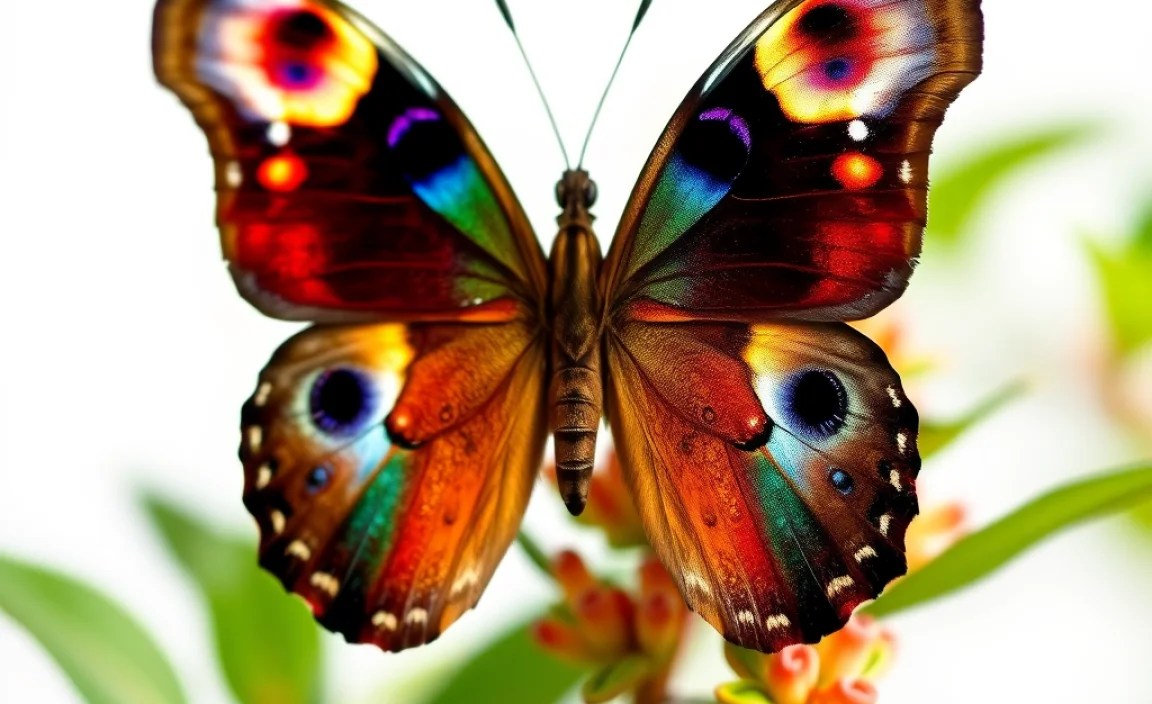
| Feature | Description |
|---|---|
| Wing Color | Reddish-brown |
| Eye Spots | Large, prominent blue, black, and yellow spots on each wing |
| Wingspan | 2 to 2.5 inches (5 to 6.5 cm) |
| Body Color | Dark brown or black |
| Habitat | Gardens, meadows, woodlands |
| Flight Pattern | Erratic, fluttering |
Comparing Peacock Butterflies to Similar Species

Even though Peacock butterflies have very distinct features, here is how to tell them apart from similar species:
| Species | Key Features | Distinguishing Marks |
|---|---|---|
| Peacock Butterfly (Aglais io) | Reddish-brown wings with large eye spots | Prominent eye spots on each wing |
| Red Admiral (Vanessa atalanta) | Dark brown wings with orange bands | Lacks eye spots; has distinctive orange bands |
| Painted Lady (Vanessa cardui) | Mottled orange, brown, and black wings | No eye spots; mottled wing pattern |
The Ecological Role of Peacock Butterflies
Peacock butterflies play an important role in the ecosystem. They are pollinators, helping to transfer pollen from flower to flower as they feed on nectar. This process is essential for the reproduction of many plants.
- Pollination: As they feed on nectar, they carry pollen on their bodies. This pollen is then transferred to other flowers, helping to fertilize them.
- Food Source: They serve as a food source for birds and other predators. Their caterpillars are also an important food source for birds.
- Indicator Species: They are considered indicator species, meaning that their presence or absence can indicate the health of the environment. A decline in their population can be a sign of environmental problems.
Conservation Status and Efforts
The Peacock butterfly is not currently considered to be endangered, but its population can be affected by habitat loss and climate change. Conservation efforts are important to ensure that these beautiful butterflies continue to thrive.
- Habitat Preservation: Protecting and restoring their natural habitats is crucial for their survival. This includes preserving meadows, woodlands, and other areas where they are commonly found.
- Climate Change Mitigation: Addressing climate change is also important, as changes in temperature and rainfall patterns can affect their distribution and abundance.
- Sustainable Gardening: Encouraging sustainable gardening practices can also help to protect Peacock butterflies. This includes planting native flowers, avoiding pesticides, and providing a butterfly-friendly habitat.
The Xerces Society is an excellent resource for learning more about butterfly conservation and how you can help.
Symbolism and Cultural Significance
Butterflies, including the Peacock butterfly, have long held symbolic and cultural significance in many societies. They are often associated with transformation, beauty, and freedom.
- Transformation: The butterfly’s life cycle, from egg to caterpillar to pupa to adult butterfly, is a powerful symbol of transformation and rebirth.
- Beauty: Their vibrant colors and delicate wings make them symbols of beauty and grace.
- Freedom: Their ability to fly freely represents freedom and independence.
Frequently Asked Questions
What is the wingspan of a Peacock butterfly?
The wingspan of a Peacock butterfly is typically between 2 to 2.5 inches (5 to 6.5 cm).
What do Peacock butterfly caterpillars eat?
Peacock butterfly caterpillars feed exclusively on nettle leaves.
Where are Peacock butterflies commonly found?
Peacock butterflies are commonly found in gardens, meadows, woodlands, and along the edges of forests.
What is the purpose of the eye spots on the wings?
The eye spots are believed to startle predators, giving the butterfly a chance to escape.
Do Peacock butterflies hibernate?
Yes, adult Peacock butterflies hibernate during the winter in sheltered places.
How can I attract Peacock butterflies to my garden?
Plant nectar-rich flowers like buddlejas, thistles, and knapweeds, and provide host plants like nettles.
Are Peacock butterflies endangered?
Peacock butterflies are not currently considered to be endangered, but their populations can be affected by habitat loss and climate change.
Conclusion
Identifying the Peacock butterfly is a rewarding experience that connects you with the beauty and wonder of nature. By observing their distinctive wing patterns, size, and behavior, you can confidently identify these stunning creatures in your garden or local park. Remember to look for the vibrant reddish-brown wings adorned with striking eye spots, a hallmark of this species. By creating a butterfly-friendly habitat, you can attract these beautiful insects to your garden and support their conservation. So, get outside, explore, and enjoy the magic of the Peacock butterfly! Their presence reminds us of the delicate balance of our ecosystems and the importance of preserving these natural wonders for future generations.


