Butterfly Buffer Strips: The Ultimate Guide

Butterfly buffer strips are areas of land planted with wildflowers and grasses to create habitats for butterflies and other pollinators. They provide food, shelter, and breeding grounds, helping to support butterfly populations in agricultural and urban landscapes. By creating these strips, you can make a big difference for these beautiful creatures!
Are you passionate about butterflies and want to help them thrive? Many butterfly populations are struggling due to habitat loss and pesticide use. Creating a butterfly buffer strip is a simple yet effective way to provide these vital insects with the resources they need. It might sound daunting, but it’s easier than you think! We’ll guide you through each step, from planning to planting. Get ready to transform a patch of land into a butterfly paradise!
What are Butterfly Buffer Strips and Why Do They Matter?

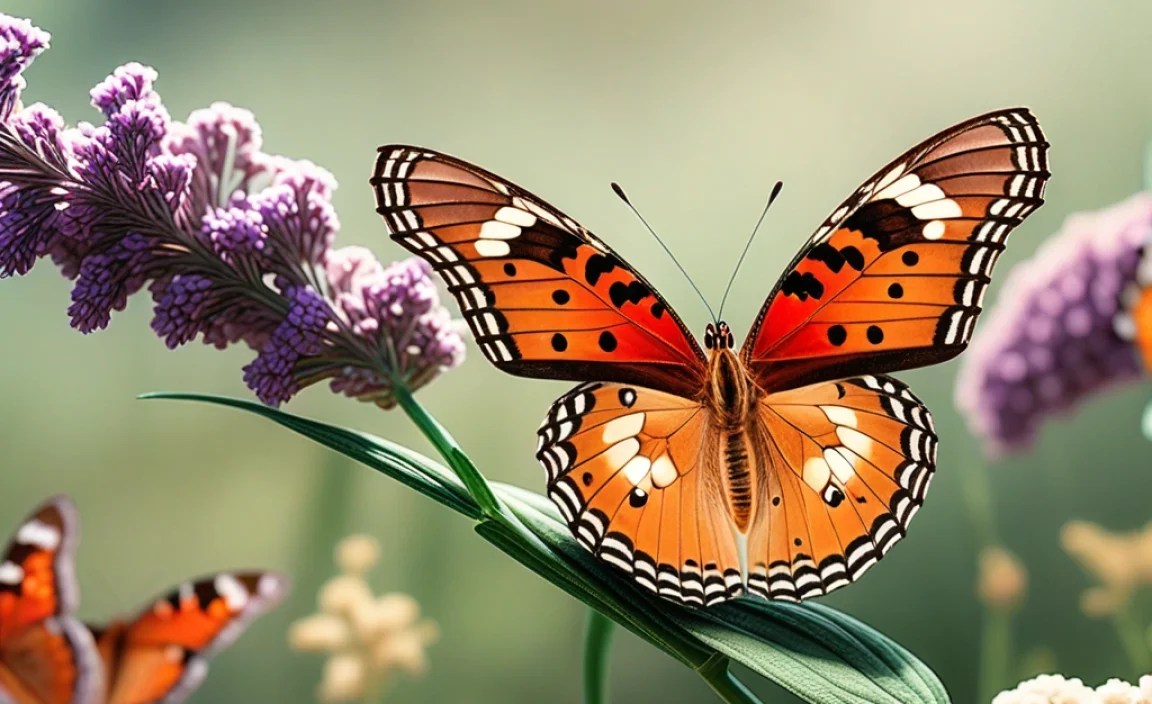
Butterfly buffer strips are specifically designed to support butterflies and other pollinators. These strips are typically planted along the edges of fields, gardens, or other areas where butterflies can benefit from a dedicated habitat. They provide a refuge from pesticides, a source of nectar and pollen, and a place for butterflies to lay their eggs.
The Importance of Pollinators
Pollinators, including butterflies, bees, and other insects, play a crucial role in our ecosystem. They are responsible for the pollination of many of the crops we rely on for food, as well as the plants that support wildlife. According to the USDA Forest Service, about one-third of the world’s food supply depends on pollinators. Without them, our food systems and natural environments would be in serious trouble.
The Decline of Butterfly Populations
Unfortunately, butterfly populations are declining in many parts of the world. Habitat loss, pesticide use, and climate change are all contributing factors. By creating butterfly buffer strips, we can help to reverse this trend and provide butterflies with the resources they need to survive and thrive.
Planning Your Butterfly Buffer Strip
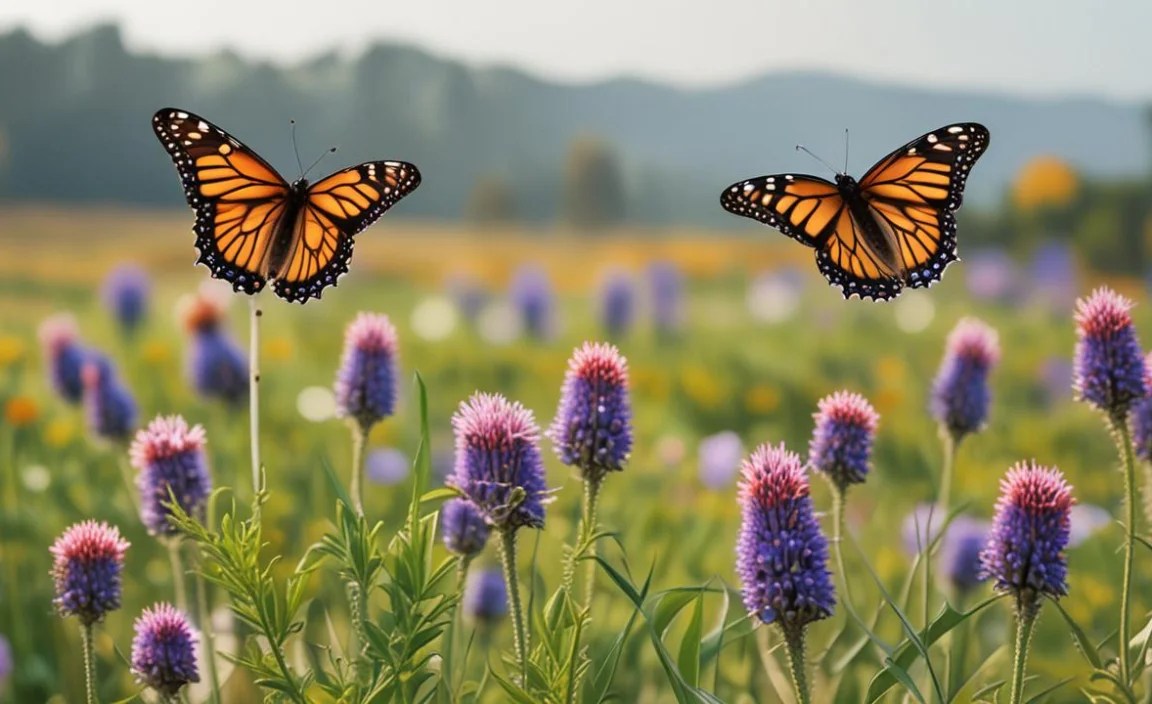

Before you start planting, it’s important to plan your butterfly buffer strip carefully. This will help ensure that it is effective in attracting and supporting butterflies.
1. Choose the Right Location
The location of your butterfly buffer strip is crucial. Here are some factors to consider:
- Sunlight: Butterflies need sunlight to warm their bodies and fly. Choose a location that receives at least six hours of sunlight per day.
- Shelter: Butterflies also need shelter from wind and rain. Plant shrubs or trees along the edge of your buffer strip to provide protection.
- Proximity to other habitats: If possible, locate your buffer strip near other natural habitats, such as woodlands or meadows. This will help butterflies find your buffer strip and move between different habitats.
- Soil type: Most wildflowers prefer well-drained soil. Avoid areas that are prone to flooding or have heavy clay soil.
2. Determine the Size and Shape
The size and shape of your butterfly buffer strip will depend on the space you have available and your goals. A narrow strip along the edge of a field or garden can be effective, but a larger area will provide more habitat for butterflies. Aim for a strip that is at least 6 feet wide and as long as possible. The Xerces Society recommends that buffer strips be at least 10-30 feet wide to provide adequate habitat.
3. Select the Right Plants
Choosing the right plants is essential for attracting butterflies to your buffer strip. Here are some key considerations:
- Nectar plants: These plants provide butterflies with the energy they need to fly and reproduce. Choose a variety of nectar plants that bloom at different times of the year to provide a continuous source of food.
- Host plants: These plants are used by butterflies as food for their caterpillars. Different butterfly species require different host plants, so it’s important to choose plants that are native to your area and support the butterfly species you want to attract.
- Native plants: Native plants are adapted to your local climate and soil conditions, and they are more likely to attract native butterflies. The Lady Bird Johnson Wildflower Center offers a native plant database to help you find the right plants for your region.
Here are some examples of nectar and host plants for butterfly buffer strips:
| Plant Type | Plant Name | Butterfly Attracted |
|---|---|---|
| Nectar Plant | Butterfly Bush (Buddleja davidii) | Monarch, Swallowtail |
| Nectar Plant | Purple Coneflower (Echinacea purpurea) | Monarch, Painted Lady |
| Nectar Plant | Zinnia (Zinnia elegans) | Monarch, Swallowtail |
| Host Plant | Milkweed (Asclepias spp.) | Monarch |
| Host Plant | Violets (Viola spp.) | Fritillary |
| Host Plant | Spicebush (Lindera benzoin) | Spicebush Swallowtail |
4. Consider the Soil
Before planting, assess your soil. Most wildflowers prefer well-drained soil. You can improve soil drainage by adding compost or other organic matter. A soil test can also help you determine if your soil is lacking any essential nutrients.
Step-by-Step Guide to Creating Your Butterfly Buffer Strip
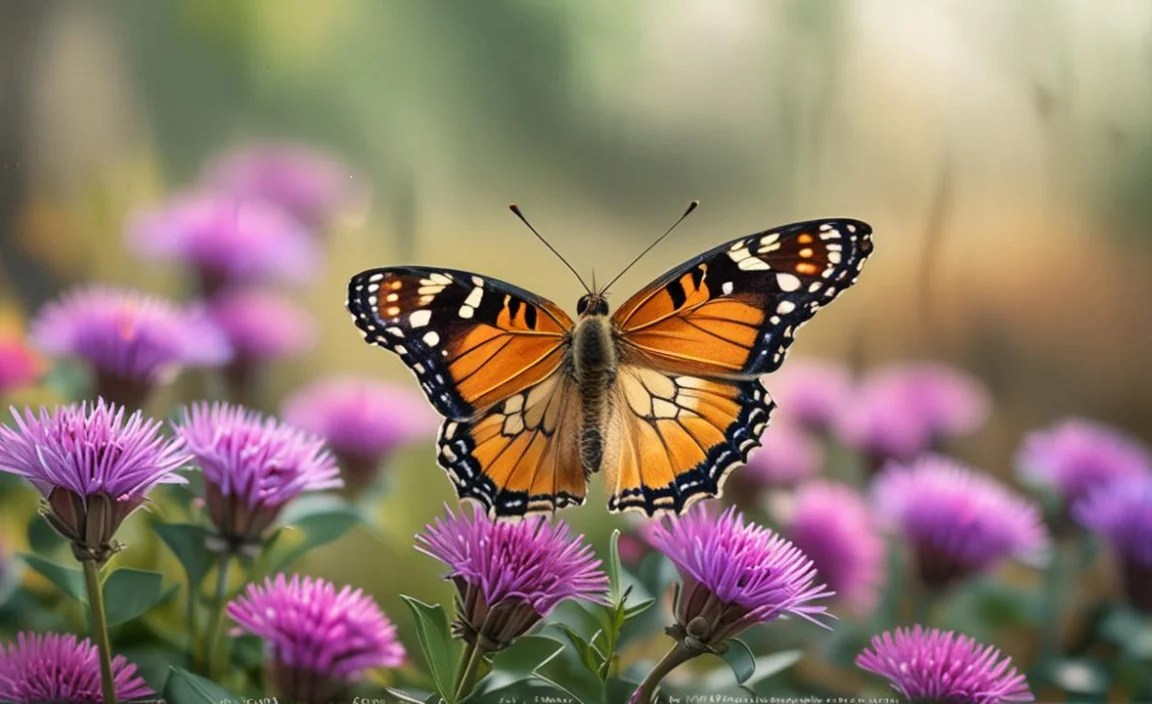
Now that you’ve planned your butterfly buffer strip, it’s time to get your hands dirty!
Step 1: Prepare the Site
Start by clearing the area of any existing vegetation. You can do this by hand, using a hoe or shovel, or by using a herbicide. If you use a herbicide, be sure to choose one that is safe for pollinators and follow the instructions carefully.
Next, prepare the soil by tilling or digging it up. This will help to loosen the soil and make it easier for the plants to establish. Remove any large rocks or debris.
Step 2: Sow the Seeds or Plant Seedlings
You can either sow seeds directly into the soil or plant seedlings. If you sow seeds, be sure to follow the instructions on the seed packet. Generally, you will need to scatter the seeds evenly over the soil and then lightly rake them in.
If you plant seedlings, dig a hole that is large enough to accommodate the roots of the plant. Gently remove the plant from its container and place it in the hole. Backfill the hole with soil and water thoroughly.
Step 3: Water and Mulch
After planting, water the area thoroughly. This will help the plants to establish their roots. You can also add a layer of mulch to help retain moisture and suppress weeds. Use a natural mulch such as straw, wood chips, or shredded leaves.
Step 4: Maintain Your Butterfly Buffer Strip
Once your butterfly buffer strip is established, it’s important to maintain it to ensure that it continues to provide habitat for butterflies. Here are some tips:
- Water regularly: Water your butterfly buffer strip during dry periods to keep the plants healthy.
- Weed regularly: Remove any weeds that compete with your plants for resources.
- Avoid pesticides: Pesticides can be harmful to butterflies and other pollinators. Avoid using pesticides in or near your butterfly buffer strip.
- Deadhead flowers: Deadheading, or removing spent flowers, can encourage plants to produce more blooms.
- Leave the leaves: In the fall, leave the leaves on the ground in your butterfly buffer strip. Many butterflies overwinter as pupae in leaf litter, so this will provide them with a safe place to spend the winter.
Choosing the Right Plants: A Deeper Dive
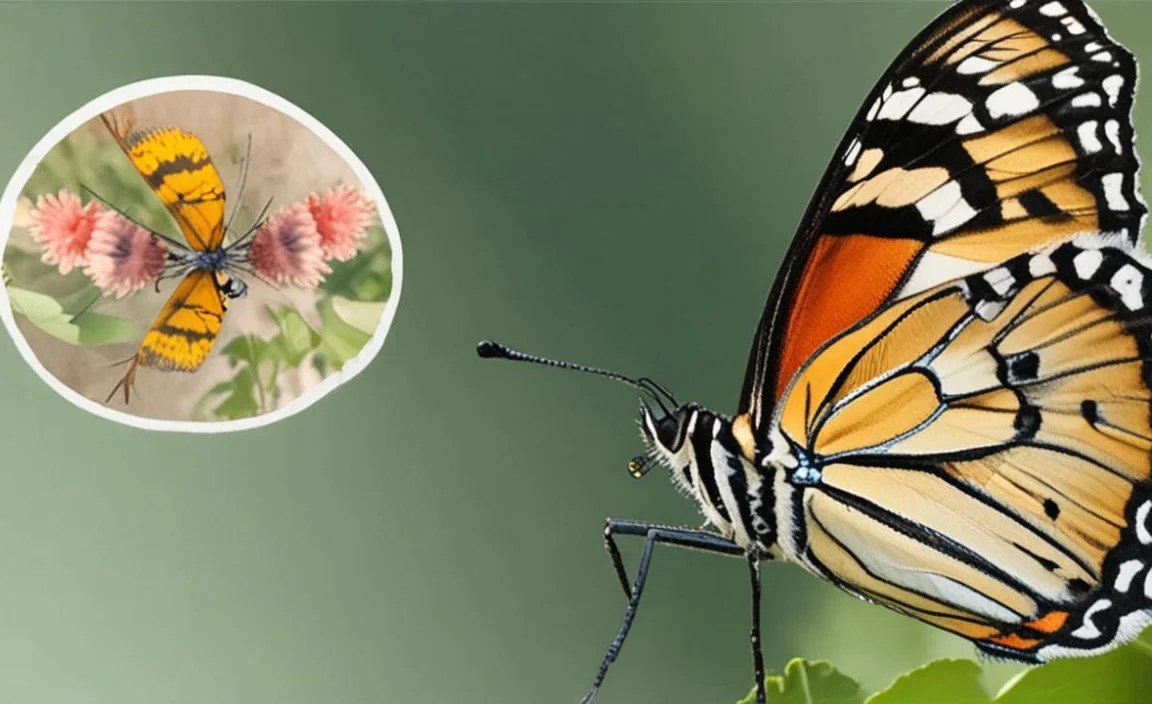
Selecting the right plants is a cornerstone of creating a thriving butterfly buffer strip. Let’s delve deeper into some plant categories and specific recommendations to enhance your butterfly garden.
Nectar-Rich Plants for Adult Butterflies
Adult butterflies need nectar for energy. These plants are excellent sources of nectar and will attract a wide variety of butterfly species:
- Butterfly Bush (Buddleja davidii): Despite some controversy over its invasiveness in certain regions, the butterfly bush is a magnet for butterflies. Choose non-invasive varieties if you are concerned.
- Purple Coneflower (Echinacea purpurea): A beautiful and hardy perennial that attracts butterflies and bees.
- Zinnia (Zinnia elegans): Easy to grow from seed, zinnias come in a variety of colors and provide a long-lasting source of nectar.
- Bee Balm (Monarda spp.): A native perennial that attracts hummingbirds and butterflies.
- Lantana (Lantana camara): A popular choice for attracting butterflies with its clusters of colorful flowers.
Host Plants for Butterfly Caterpillars
Host plants are essential for butterfly reproduction. These are plants that butterfly caterpillars feed on. Without the right host plants, butterflies cannot complete their life cycle:
- Milkweed (Asclepias spp.): The only food source for monarch caterpillars. Plant different varieties of milkweed to support monarch populations.
- Violets (Viola spp.): Host plant for fritillary butterflies.
- Spicebush (Lindera benzoin): Host plant for the spicebush swallowtail.
- Black Cherry (Prunus serotina): Host plant for several swallowtail species.
- Parsley, Dill, and Fennel (Apiaceae family): Host plants for swallowtail butterflies.
Creating a Succession of Blooms
To support butterflies throughout the growing season, it’s important to choose plants that bloom at different times. Here’s a table to help you plan your planting schedule:
| Bloom Time | Plant Examples | Benefits |
|---|---|---|
| Spring | Violets, Spring Beauty | Provides early nectar and host plants for overwintering butterflies. |
| Summer | Milkweed, Coneflower, Bee Balm | Offers peak nectar and host plant availability during butterfly breeding season. |
| Fall | Asters, Goldenrod, Zinnia | Provides late-season nectar for butterflies preparing to migrate or overwinter. |
The Benefits of Native Plants
Native plants are those that have evolved in a particular region over time. They are adapted to the local climate, soil conditions, and wildlife. Using native plants in your butterfly buffer strip has many benefits:
- Attract native butterflies: Native butterflies are more likely to be attracted to native plants.
- Require less maintenance: Native plants are adapted to your local climate and soil conditions, so they require less watering and fertilizing.
- Support local ecosystems: Native plants provide food and shelter for a variety of wildlife, including butterflies, bees, and birds.
To find native plants for your area, consult with your local native plant society or extension office. The National Wildlife Federation Native Plant Finder is another excellent resource.
Dealing with Challenges
Creating a butterfly buffer strip can be a rewarding experience, but it’s not without its challenges. Here are some common problems and how to address them:
- Weeds: Weeds can compete with your plants for resources and make your butterfly buffer strip less attractive to butterflies. Remove weeds regularly by hand or with a hoe. You can also use a mulch to suppress weeds.
- Pests: Pests such as aphids and caterpillars can damage your plants. Monitor your plants regularly and take action if you see signs of pests. You can use insecticidal soap or other organic pesticides to control pests.
- Disease: Diseases such as powdery mildew can affect your plants. Choose disease-resistant varieties of plants and provide good air circulation to prevent disease.
- Poor soil: If your soil is poor, your plants may not thrive. Improve your soil by adding compost or other organic matter. You can also use a fertilizer to provide your plants with the nutrients they need.
Frequently Asked Questions
1. What exactly is a butterfly buffer strip?
A butterfly buffer strip is a planted area, typically along the edge of a field or garden, designed to provide food, shelter, and breeding habitat for butterflies and other pollinators. It’s like a mini-nature reserve!
2. How wide should my butterfly buffer strip be?
Aim for at least 6 feet wide, but wider is better! The Xerces Society recommends 10-30 feet for optimal habitat.
3. What kind of plants should I include?
Focus on native nectar plants (like coneflowers and zinnias) for adult butterflies and host plants (like milkweed for monarchs) for caterpillars. A variety of plants ensures a continuous food supply.
4. How do I prepare the soil for planting?
Clear the area of existing vegetation, till or dig up the soil to loosen it, and remove any rocks or debris. Add compost to improve drainage and nutrient content.
5. How often should I water my butterfly buffer strip?
Water regularly during dry periods, especially when plants are first establishing. Once established, native plants are typically drought-tolerant.
6. How do I keep weeds out of my buffer strip?
Remove weeds regularly by hand or with a hoe. Mulch can also help suppress weeds and retain moisture.
7. Can I use pesticides in my butterfly buffer strip?
No! Avoid pesticides as they can harm or kill butterflies and other beneficial insects. Opt for organic gardening practices instead.
Conclusion: Creating a Butterfly Haven
Creating a butterfly buffer strip is a rewarding way to support these beautiful and important insects. By providing them with food, shelter, and breeding habitat, you can help to reverse the decline of butterfly populations and create a more vibrant and healthy ecosystem. Even a small buffer strip can make a big difference.
Remember to choose the right location, select a variety of nectar and host plants, and maintain your buffer strip regularly. With a little effort, you can transform a patch of land into a butterfly paradise. So get out there, start planting, and enjoy the beauty and wonder of butterflies in your own backyard!