
Species Classification Chart: The Easy Visual Guide

A species classification chart organizes living things into groups based on shared characteristics. It uses a hierarchical system, starting with broad categories like kingdoms and narrowing down to specific species. This helps us understand the relationships between different organisms and how they evolved.
Ever feel lost trying to understand how a butterfly is related to a beetle, or a daisy to an oak tree? It can be confusing! Understanding how living things are classified helps us make sense of the natural world. It’s like having a map that shows how everything is connected. This guide will walk you through creating and understanding a species classification chart, step by step. We’ll explore the different levels, provide examples, and show you how to build your own chart. Get ready to unlock the secrets of the natural world!
What is a Species Classification Chart?
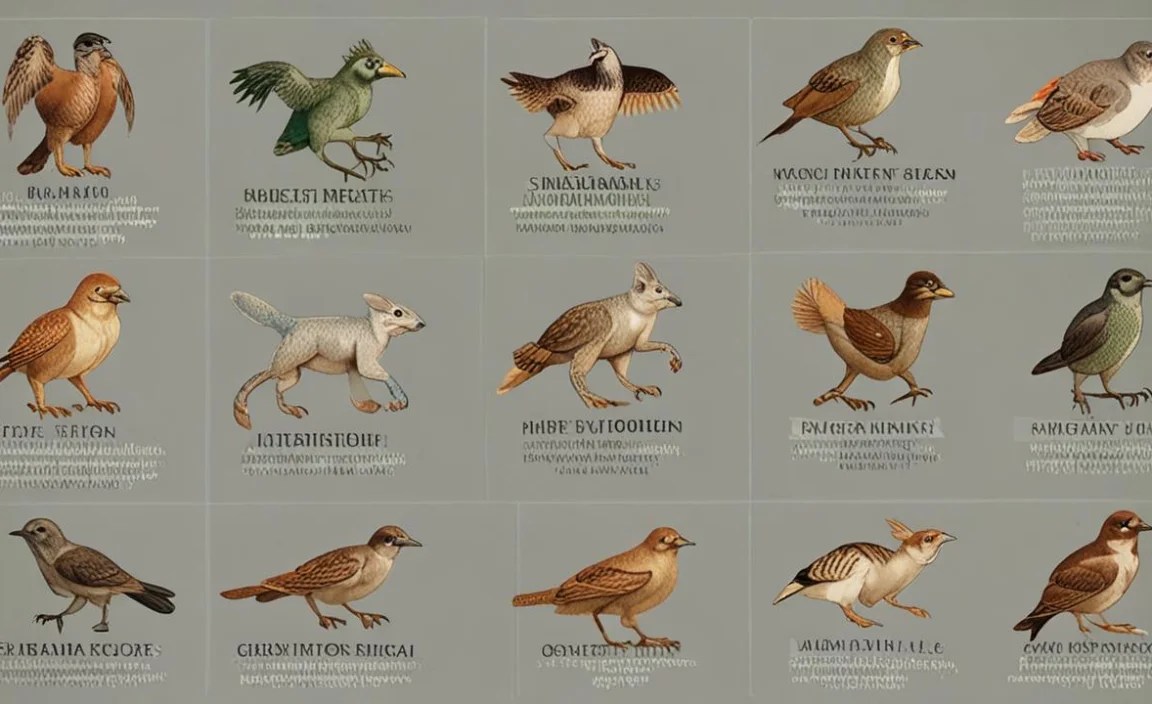
A species classification chart, also known as a taxonomic chart or biological classification chart, is a visual representation of how living organisms are organized based on their evolutionary relationships and shared characteristics. This system is called taxonomy. It’s a way to bring order to the incredible diversity of life on Earth. Think of it like organizing books in a library – each book (or organism) has its place based on its genre, author, and title.
The system used in species classification charts is hierarchical, meaning it has several levels. The most common levels, from broadest to most specific, are:
- Domain: The highest level of classification, grouping organisms based on fundamental cell structure.
- Kingdom: Groups organisms based on general characteristics like how they obtain food and their cell structure.
- Phylum: Divides kingdoms into groups based on body plan and development.
- Class: Subdivides phyla based on more specific characteristics.
- Order: Groups classes based on similarities in structure and function.
- Family: Groups genera with similar characteristics.
- Genus: A group of closely related species.
- Species: The most specific level, referring to a group of organisms that can interbreed and produce fertile offspring.
The famous biologist Carl Linnaeus developed this system in the 18th century, and it’s been refined ever since. This system helps scientists communicate about organisms clearly and consistently, no matter where they are in the world.
Why are Species Classification Charts Important?
Species classification charts aren’t just for scientists in labs. They are useful for anyone interested in nature. Here’s why:
- Understanding Biodiversity: Charts help us appreciate the vast variety of life on Earth and how different species are related.
- Conservation Efforts: By understanding how species are related, we can better protect endangered species and their habitats. For example, knowing that certain butterflies rely on specific host plants helps us conserve those plants. The Xerces Society is a great resource for learning about invertebrate conservation.
- Scientific Research: Charts provide a framework for organizing and sharing research findings. Scientists can use the classification system to study evolutionary relationships and track the spread of diseases.
- Education: Charts are valuable tools for teaching biology and ecology. They help students understand complex concepts in a clear and organized way.
- Communication: The classification system provides a universal language for scientists around the world. This ensures that everyone is talking about the same organism, regardless of their location or language.
How to Create a Species Classification Chart: A Step-by-Step Guide
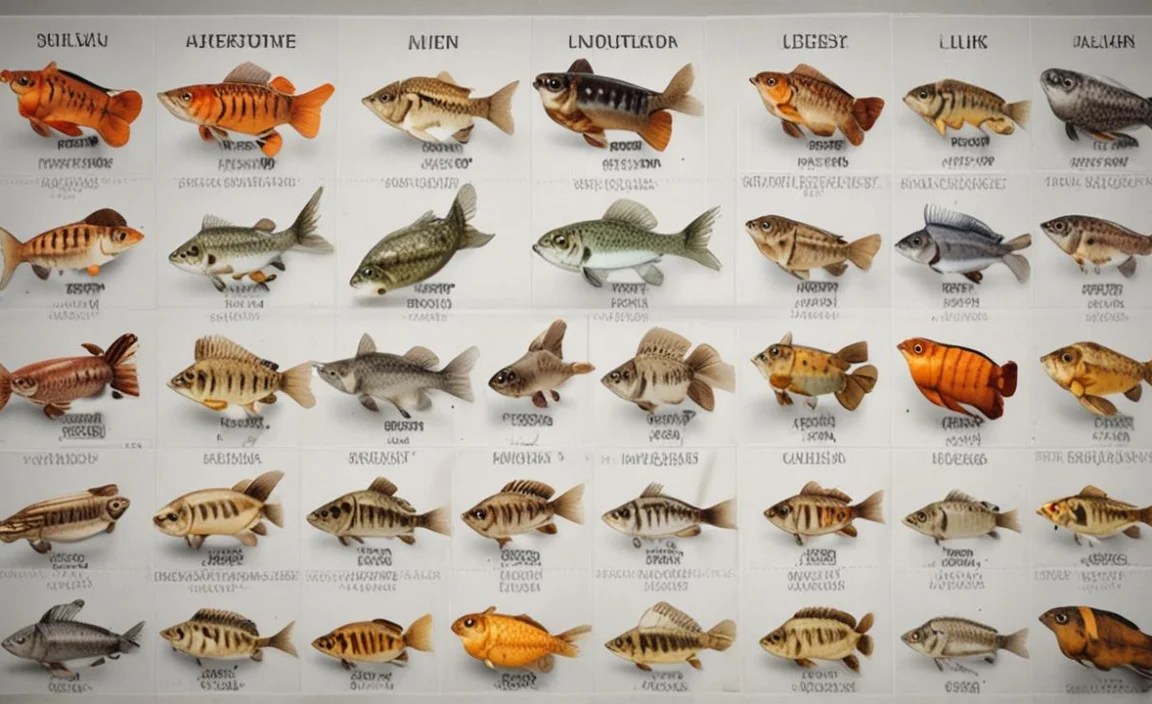
Creating your own species classification chart can be a fun and educational project. Here’s how to do it:
Step 1: Choose Your Organism
Select a plant or animal that interests you. For example, let’s choose the Monarch butterfly (Danaus plexippus). Monarch butterflies are not only beautiful but also ecologically important as pollinators and indicators of environmental health.
Step 2: Gather Information
Research the classification of your chosen organism. You can use online databases like the Integrated Taxonomic Information System (ITIS) or the Encyclopedia of Life. These resources provide detailed classification information for a wide range of species.
Step 3: Build Your Chart
Start with the broadest category (Domain) and work your way down to the most specific (Species). Here’s how the classification chart for the Monarch butterfly would look:
- Domain: Eukaryota (organisms with cells that have a nucleus)
- Kingdom: Animalia (animals)
- Phylum: Arthropoda (insects, spiders, crustaceans)
- Class: Insecta (insects)
- Order: Lepidoptera (butterflies and moths)
- Family: Nymphalidae (brush-footed butterflies)
- Genus: Danaus (milkweed butterflies)
- Species: Danaus plexippus (Monarch butterfly)
Step 4: Visualize Your Chart
You can create a visual representation of your chart using a table, a diagram, or even a hand-drawn illustration. Here’s an example of a table:
| Classification Level | Category | Description |
|---|---|---|
| Domain | Eukaryota | Organisms with cells containing a nucleus |
| Kingdom | Animalia | Multicellular organisms that obtain food by ingestion |
| Phylum | Arthropoda | Animals with an exoskeleton, segmented body, and jointed appendages |
| Class | Insecta | Arthropods with three body sections (head, thorax, abdomen), six legs, and usually wings |
| Order | Lepidoptera | Insects with scaled wings |
| Family | Nymphalidae | Brush-footed butterflies with reduced front legs |
| Genus | Danaus | Milkweed butterflies that feed on milkweed plants |
| Species | Danaus plexippus | Monarch butterfly, known for its orange and black wings and long migrations |
Step 5: Add Details
Enhance your chart by adding interesting facts and descriptions about each level. For example:
- Eukaryota: Includes all plants, animals, fungi, and protists.
- Animalia: Contains over a million known species, from sponges to humans.
- Arthropoda: The most diverse phylum, with insects making up the majority.
- Insecta: Insects play crucial roles in pollination, decomposition, and nutrient cycling.
- Lepidoptera: Butterflies and moths undergo complete metamorphosis.
- Nymphalidae: Many species have brightly colored wings and complex patterns.
- Danaus: Milkweed butterflies are toxic to predators due to the cardenolides they ingest from milkweed plants.
- Danaus plexippus: Monarch butterflies migrate thousands of miles each year, a truly amazing phenomenon.
Examples of Species Classification Charts
Let’s look at a few more examples to illustrate how species classification works.
Example 1: American Robin (Turdus migratorius)
- Domain: Eukaryota
- Kingdom: Animalia
- Phylum: Chordata (animals with a spinal cord)
- Class: Aves (birds)
- Order: Passeriformes (perching birds)
- Family: Turdidae (thrushes)
- Genus: Turdus
- Species: Turdus migratorius
Example 2: Sugar Maple (Acer saccharum)
- Domain: Eukaryota
- Kingdom: Plantae (plants)
- Phylum: Tracheophyta (vascular plants)
- Class: Magnoliopsida (dicotyledons)
- Order: Sapindales
- Family: Sapindaceae (maple family)
- Genus: Acer
- Species: Acer saccharum
Example 3: Common Earthworm (Lumbricus terrestris)
- Domain: Eukaryota
- Kingdom: Animalia
- Phylum: Annelida (segmented worms)
- Class: Clitellata
- Order: Haplotaxida
- Family: Lumbricidae
- Genus: Lumbricus
- Species: Lumbricus terrestris
These examples show how the classification system applies to a wide variety of organisms, from animals to plants. Each level provides more specific information about the organism’s characteristics and evolutionary relationships.
Tips for Creating Effective Charts
Here are some tips to make your species classification charts as clear and informative as possible:
- Use Reliable Sources: Always use reputable sources like ITIS, the Encyclopedia of Life, or academic journals to ensure the accuracy of your information.
- Be Consistent: Use the same classification system throughout your chart.
- Add Visuals: Include images or illustrations to make your chart more engaging and easier to understand.
- Keep it Simple: Avoid overcrowding your chart with too much information. Focus on the most important details.
- Use Color-Coding: Use different colors to highlight different levels of classification.
- Double-Check Your Work: Before finalizing your chart, double-check all the information to ensure it is accurate and up-to-date.
Common Mistakes to Avoid
Here are some common mistakes to avoid when creating species classification charts:
- Using Outdated Information: Classification systems can change as new research emerges. Make sure you are using the most current information.
- Inconsistent Classification: Mixing different classification systems can lead to confusion. Stick to one system throughout your chart.
- Including Too Much Detail: Overloading your chart with unnecessary information can make it difficult to read and understand.
- Ignoring Exceptions: There are always exceptions to the rules in biology. Be aware of any unique characteristics or variations within the species you are classifying.
- Relying on Unreliable Sources: Not all online sources are accurate. Always use reputable databases and academic journals.
The Future of Species Classification
Species classification is an evolving field. New technologies like DNA sequencing are constantly providing new insights into the relationships between organisms. This leads to revisions and refinements in the classification system. The use of molecular data has revolutionized our understanding of evolutionary relationships, leading to the reclassification of many species.
One of the biggest challenges in species classification is dealing with the vast number of unknown species. Scientists estimate that there are millions of species yet to be discovered. Classifying these new species will require ongoing research and collaboration among scientists around the world.
FAQ About Species Classification Charts
Here are some frequently asked questions about species classification charts:
1. What is the difference between taxonomy and classification?
Taxonomy is the science of naming, describing, and classifying organisms. Classification is the process of arranging organisms into groups based on their evolutionary relationships and shared characteristics. Taxonomy provides the rules and principles for classification.
2. Why is the scientific name of a species always in italics?
The scientific name, or binomial nomenclature, is written in italics to distinguish it from common names and other terms. The genus name is always capitalized, while the species name is not.
3. How often does the classification of a species change?
The classification of a species can change as new research emerges. This is especially true with the advent of molecular data and DNA sequencing. Changes are made to reflect our improved understanding of evolutionary relationships.
4. What is a “clade”?
A clade is a group of organisms that includes a common ancestor and all of its descendants. Clades are used to represent evolutionary relationships in a phylogenetic tree, which shows how different groups of organisms are related to each other.
5. How do scientists determine the classification of a newly discovered species?
Scientists use a combination of morphological (physical characteristics) and molecular data to determine the classification of a new species. They compare the new species to known species and analyze its DNA to determine its evolutionary relationships.
6. Can the classification of a species be controversial?
Yes, the classification of a species can sometimes be controversial. Different scientists may interpret the available data in different ways, leading to disagreements about the proper classification. These controversies are usually resolved as more data becomes available.
7. Where can I find reliable information about species classification?
You can find reliable information about species classification from reputable sources like the Integrated Taxonomic Information System (ITIS), the Encyclopedia of Life, the National Museum of Natural History and academic journals. These resources provide detailed and up-to-date information about the classification of a wide range of species.
Creating and understanding species classification charts is a great way to explore the fascinating world of biology. By organizing living things into groups based on their shared characteristics, we can gain a deeper appreciation for the incredible diversity of life on Earth. So, go ahead and create your own chart, and discover the hidden connections between all living things! It’s a journey of discovery that brings us closer to nature and helps us understand our place within it. Happy classifying!


