
Butterfly Biodiversity Index: Your Easy Guide

Butterfly Biodiversity Index: A Beginner’s Guide
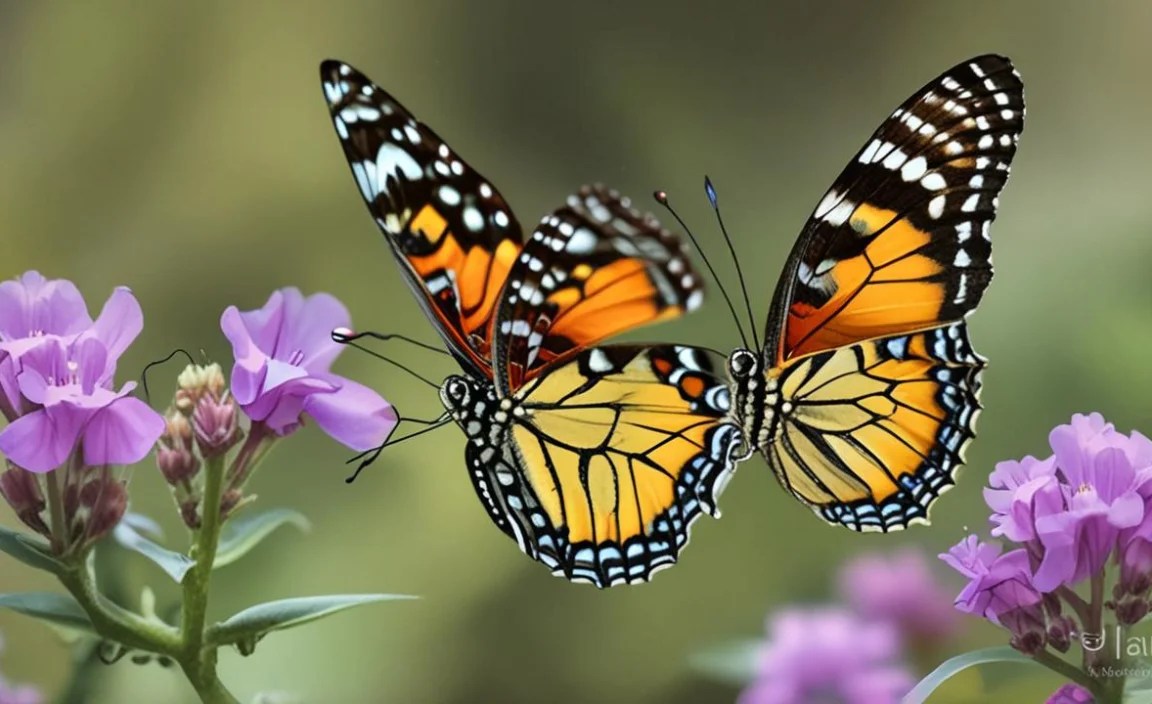
The Butterfly Biodiversity Index helps us understand the health of our environment by counting the different types of butterflies in an area. A high index means a healthy ecosystem with plenty of butterfly species, while a low index can signal environmental problems. By monitoring butterfly populations, we can take steps to protect these beautiful creatures and the habitats they depend on.
Butterflies are more than just pretty insects flitting through our gardens. They are vital indicators of environmental health. Have you ever wondered how scientists measure the well-being of an ecosystem? One key tool is the Butterfly Biodiversity Index. This index helps us understand how many different types of butterflies live in an area and what that tells us about the overall health of the environment.
Understanding the Butterfly Biodiversity Index might seem daunting, but don’t worry! This guide will walk you through each step in simple terms. We’ll explore why butterflies are so important, how the index is calculated, and what you can do to help protect these delicate creatures. Get ready to discover the fascinating world of butterfly biodiversity!
Why Butterflies Matter: More Than Just Pretty Wings

Butterflies are often admired for their beauty, but their role in the environment is far more significant. They are important pollinators, transferring pollen from flower to flower as they feed on nectar. This process helps plants reproduce, which is essential for maintaining healthy ecosystems. According to the US Forest Service, butterflies contribute significantly to plant pollination.
- Pollination: Butterflies help pollinate many plant species, ensuring the continuation of plant life.
- Food Source: They serve as a food source for birds, bats, and other animals.
- Indicators of Environmental Health: Changes in butterfly populations can signal broader environmental issues like habitat loss or pollution.
Butterflies are highly sensitive to changes in their environment, making them excellent indicators of ecological health. A decline in butterfly populations can be a warning sign that something is wrong, prompting scientists and conservationists to investigate further.
Understanding the Butterfly Biodiversity Index

The Butterfly Biodiversity Index is a measure of the variety and abundance of butterfly species in a specific area. It helps scientists and conservationists assess the health of an ecosystem and track changes over time. The index considers both the number of different butterfly species (species richness) and the number of individuals within each species (abundance).
Key Components of the Index
- Species Richness: The number of different butterfly species present in the area.
- Abundance: The number of individuals within each species.
- Evenness: How evenly the individuals are distributed among the different species.
A high biodiversity index indicates a healthy ecosystem with a wide variety of butterfly species. This suggests that the habitat is diverse and provides the resources that butterflies need to thrive. A low index, on the other hand, may indicate habitat degradation, pollution, or other environmental stressors.
Calculating the Butterfly Biodiversity Index: A Step-by-Step Guide

Calculating the Butterfly Biodiversity Index involves several steps, from data collection to analysis. Here’s a simplified guide to help you understand the process.
Step 1: Data Collection
The first step is to gather data on butterfly populations in the area you want to study. This can be done through visual surveys, trapping, or a combination of both.
- Visual Surveys: Walking through the area and identifying and counting butterflies.
- Trapping: Using nets or traps to capture butterflies for identification and counting.
When conducting surveys, it’s important to be consistent and systematic. Choose a specific route or area to survey and record the number of butterflies you see, along with their species. Repeat the survey at regular intervals to get a comprehensive picture of butterfly populations over time. The Xerces Society offers detailed guides on butterfly monitoring techniques.
Step 2: Identifying Butterfly Species
Accurate identification of butterfly species is crucial for calculating the biodiversity index. Use field guides, online resources, or expert assistance to identify the butterflies you observe.
Here are some helpful resources for identifying butterflies:
- Field Guides: Peterson Field Guide to Eastern Butterflies, Kaufman Field Guide to Butterflies of North America.
- Online Resources: Butterfly Identification websites, online forums with butterfly experts.
Take clear photos of the butterflies you see to help with identification. Pay attention to key features such as wing patterns, size, and color. If you’re unsure about a particular species, consult with a local butterfly expert or entomologist.
Step 3: Calculating Species Richness
Species richness is simply the number of different butterfly species you identified during your survey. For example, if you identified 10 different butterfly species, your species richness is 10.
To calculate species richness, create a list of all the butterfly species you observed and count the number of unique species. This is a straightforward measure of the diversity of butterfly life in the area.
Step 4: Calculating Abundance
Abundance refers to the number of individuals within each species. For example, if you counted 20 Monarch butterflies, the abundance of Monarch butterflies is 20.
To calculate abundance, count the number of individuals for each butterfly species you identified. This gives you an idea of how common each species is in the area.
Step 5: Calculating the Biodiversity Index
There are several different biodiversity indices you can use, but one of the most common is the Shannon Diversity Index. The Shannon Diversity Index takes into account both species richness and abundance to provide a more comprehensive measure of biodiversity.
The formula for the Shannon Diversity Index is:
H = -Σ (pi * ln(pi))
Where:
- H is the Shannon Diversity Index
- Σ means “sum of”
- pi is the proportion of individuals in the i-th species
- ln is the natural logarithm
Here’s how to calculate the Shannon Diversity Index:
- Calculate the proportion (pi) of each species by dividing the number of individuals of that species by the total number of individuals of all species.
- Multiply each proportion by its natural logarithm (ln(pi)).
- Sum the results from step 2 and multiply by -1.
You can also use online calculators to calculate the Shannon Diversity Index. Simply enter your data on species abundance, and the calculator will do the rest.
The Shannon Diversity Index typically ranges from 1.5 to 3.5 in ecological studies. Higher values indicate greater biodiversity.
Example Calculation
Let’s say you conducted a butterfly survey and found the following:
- Monarch: 30 individuals
- Swallowtail: 25 individuals
- Painted Lady: 15 individuals
- Total: 70 individuals
Here’s how you would calculate the Shannon Diversity Index:
- Calculate the proportions:
- Monarch: 30/70 = 0.43
- Swallowtail: 25/70 = 0.36
- Painted Lady: 15/70 = 0.21
- Calculate pi * ln(pi) for each species:
- Monarch: 0.43 * ln(0.43) = -0.36
- Swallowtail: 0.36 * ln(0.36) = -0.36
- Painted Lady: 0.21 * ln(0.21) = -0.33
- Sum the results and multiply by -1:
- H = -(-0.36 + -0.36 + -0.33) = 1.05
In this example, the Shannon Diversity Index is 1.05.
Interpreting the Butterfly Biodiversity Index

Once you’ve calculated the Butterfly Biodiversity Index, it’s important to understand what the results mean. A high index indicates a healthy and diverse ecosystem, while a low index may signal environmental problems.
High Biodiversity Index
- Indicates a healthy ecosystem
- Suggests a wide variety of butterfly species
- Implies that the habitat is diverse and provides the resources that butterflies need to thrive
Low Biodiversity Index
- May indicate habitat degradation, pollution, or other environmental stressors
- Suggests a decline in butterfly populations
- Can be a warning sign that something is wrong with the ecosystem
It’s important to compare the biodiversity index over time to track changes in butterfly populations and assess the effectiveness of conservation efforts. A declining index may warrant further investigation and action to protect butterfly habitats.
Factors Affecting Butterfly Biodiversity
Several factors can influence butterfly biodiversity, including habitat loss, climate change, pollution, and pesticide use.
Habitat Loss
Habitat loss is one of the biggest threats to butterfly populations. As natural habitats are converted for agriculture, urban development, and other uses, butterflies lose their food sources and breeding grounds. Protecting and restoring butterfly habitats is crucial for maintaining biodiversity.
Climate Change
Climate change can also have a significant impact on butterfly populations. Changes in temperature and rainfall patterns can disrupt butterfly life cycles and alter the distribution of butterfly species. Some butterfly species may be unable to adapt to these changes, leading to declines in their populations.
Pollution
Pollution, including air and water pollution, can harm butterflies and their habitats. Air pollution can damage butterfly host plants, while water pollution can contaminate butterfly breeding sites. Reducing pollution is essential for protecting butterfly biodiversity.
Pesticide Use
Pesticides can be harmful to butterflies, especially when they are used indiscriminately. Insecticides can kill butterflies directly, while herbicides can eliminate butterfly host plants. Using pesticides sparingly and opting for more sustainable pest control methods can help protect butterfly populations.
How You Can Help: Supporting Butterfly Biodiversity
There are many things you can do to help support butterfly biodiversity, from creating butterfly-friendly gardens to advocating for conservation policies.
Create a Butterfly-Friendly Garden
One of the best ways to help butterflies is to create a butterfly-friendly garden. Plant a variety of nectar-rich flowers to provide food for adult butterflies, and include host plants for butterfly caterpillars. Avoid using pesticides in your garden, and provide a source of water for butterflies.
Here are some popular butterfly-friendly plants:
- Nectar Plants: Butterfly Bush, Lavender, Bee Balm, Zinnia
- Host Plants: Milkweed (for Monarchs), Dill (for Swallowtails), Violets (for Fritillaries)
Support Conservation Organizations
Many conservation organizations are working to protect butterfly habitats and promote butterfly conservation. Support these organizations by donating your time or money, and help spread the word about their important work.
Advocate for Conservation Policies
You can also help butterflies by advocating for conservation policies that protect butterfly habitats and promote sustainable land use. Contact your elected officials and let them know that you support butterfly conservation.
Participate in Citizen Science Projects
Citizen science projects allow you to contribute to scientific research by collecting data on butterfly populations. These projects can help scientists track changes in butterfly biodiversity and assess the effectiveness of conservation efforts. The National Geographic website lists many citizen science projects that you can participate in.
Tools and Resources for Butterfly Biodiversity Assessment
Assessing butterfly biodiversity requires the right tools and resources. Here’s a list to get you started:
| Tool/Resource | Description |
|---|---|
| Butterfly Field Guides | Essential for identifying different butterfly species. |
| Butterfly Net | Used for capturing butterflies for closer observation. |
| Camera | For photographing butterflies to aid in identification. |
| Notebook and Pen | For recording observations and data. |
| GPS Device | For marking locations where butterflies are observed. |
| Online Butterfly Databases | Websites with information and images to help identify species. |
| Shannon Diversity Index Calculator | Online tools for calculating biodiversity indices. |
FAQ: Butterfly Biodiversity Index
What is a good Butterfly Biodiversity Index score?
A “good” score depends on the specific ecosystem. Generally, a higher index (closer to 3.5 using the Shannon Diversity Index) indicates greater biodiversity and a healthier environment. Compare your results with data from similar habitats for context.
Why is the Butterfly Biodiversity Index important?
It’s crucial because butterflies are excellent indicators of environmental health. Changes in their populations can signal habitat loss, pollution, or climate change impacts, alerting us to potential ecological problems.
How often should I monitor butterfly biodiversity?
Regular monitoring, such as monthly or seasonally, is ideal. This helps track changes over time and identify trends that might indicate environmental issues. Consistent data collection is key.
What if I can’t identify all the butterfly species I see?
Take clear photos and consult field guides or online resources. Local butterfly experts or entomologists can also assist. Accurate identification is important for a reliable index.
Can I use the Butterfly Biodiversity Index in my backyard?
Yes! It’s a great way to assess the health of your garden and local environment. Track the butterfly species you observe and make changes to support a diverse butterfly population.
What is species evenness, and why does it matter?
Species evenness refers to how equally abundant each species is in an area. High evenness means no single species dominates, indicating a balanced and healthy ecosystem.
What are some common mistakes to avoid when calculating the index?
Incorrectly identifying species, inconsistent survey methods, and errors in data entry are common mistakes. Double-check your data and methods to ensure accuracy.
Conclusion: Protecting Our Winged Wonders
The Butterfly Biodiversity Index is a valuable tool for understanding and protecting our environment. By monitoring butterfly populations, we can gain insights into the health of ecosystems and take action to address environmental challenges. Whether you’re a seasoned naturalist or a beginner butterfly enthusiast, there are many ways you can contribute to butterfly conservation. So get outside, explore the world of butterflies, and help protect these beautiful creatures for generations to come. Together, we can make a difference.


