
Species Identification in the Field: An Easy Guide

Have you ever seen a cool bird and wondered what it was? Or a neat flower you couldn’t name? That’s where species identification in the field comes in handy. It’s like being a nature detective. You use clues to figure out what living thing you’re looking at.
It can be fun to learn about plants and animals. Knowing their names helps us understand the world around us. Let’s learn how to become good at species identification in the field.
Key Takeaways
- Species identification in the field helps us name and understand living things around us.
- Use field guides, apps, and online resources to help identify species quickly.
- Look at size, shape, color, and behavior to identify different plants and animals.
- Practice observing details and comparing them to known species descriptions.
- Learn basic botany and zoology to improve your species identification skills.
Why is Species Identification Important?

Have you ever wondered why it is important to know the names of plants and animals? Species identification is more than just knowing names. It helps us understand how living things interact with each other. Imagine a forest. Each plant and animal has a role. Some eat plants, others eat animals, and some help spread seeds. When we know what these species are, we can better understand how the forest works. We can also protect the species that are in danger. Without species identification in the field, it’s hard to protect our environment.
- It helps us understand ecosystems.
- We can protect endangered species.
- It is important for scientific research.
- Knowing species helps with conservation efforts.
- Identification helps track changes in the environment.
Think of it like this. Imagine you are a doctor. You need to know what disease a patient has before you can treat them. Species identification is like that. We need to know what species we are dealing with before we can help them. It is also important for farmers. They need to know what pests are eating their crops. Then, they can find ways to protect their plants. Knowing the names of things around us makes us better caretakers of our planet. Species identification in the field is a very useful skill.
Why Classify Living Things?
Have you ever wondered why scientists classify living things? Imagine a library with no system. It would be hard to find any book. Classifying living things is like organizing a library. It helps us understand how different species are related. It also helps us keep track of all the different types of life on Earth. Species identification is the first step in this process. We need to know what a species is before we can classify it. Scientists use things like DNA to classify organisms. It helps us understand how they evolved over time. Classification makes the world easier to understand.
What are the Benefits of Naming Species?
Have you ever given a pet a name? Naming things makes us care about them more. It is the same with species identification. When we name a species, we start to care about it. We want to protect it. Naming also helps us communicate with others. If we all use the same name for a plant or animal, we can share information more easily. Imagine if everyone used different names for the same bird. It would be very confusing! Naming species helps us learn and share information. It connects us to the natural world.
How Does Taxonomy Help?
Have you ever heard of taxonomy? It is the science of classifying living things. Taxonomy helps us organize all the species on Earth. It uses a system of groups. These groups go from broad to specific. The broadest group is called a kingdom. The most specific group is called a species. Think of it like a set of boxes. Each box is inside a bigger box. Taxonomy helps us understand how species are related. It also helps us identify new species. Species identification in the field is a key part of taxonomy. Taxonomy is important for science and conservation.
Fun Fact or Stat: There are about 8.7 million species on Earth, but only about 1.2 million have been identified and described!
Tools for Species Identification in the Field

Do you want to become a nature detective? You’ll need some tools! Field guides are like cheat sheets for nature. They have pictures and descriptions of plants and animals. Binoculars can help you see things far away. A magnifying glass can help you see small details. There are also apps for your phone that can help you identify species. Some apps can even identify a plant just from a picture! Don’t forget a notebook and pencil. You can write down your observations and draw pictures. All these tools can help you with species identification in the field. They make learning about nature fun and easy.
- Use field guides with pictures and descriptions.
- Binoculars help you see things far away.
- A magnifying glass helps see small details.
- Use apps on your phone for quick identification.
- Keep a notebook to write down your observations.
- Take pictures to help you remember details.
Imagine you are on a hike. You see a bird you don’t recognize. You can use your binoculars to get a closer look. Then, you can use your field guide to find a picture that matches. You can also use an app on your phone to identify the bird. If you are not sure, you can write down some notes about the bird. What color is it? What size is it? What is it doing? Later, you can look up the bird in a more detailed guide. With the right tools, species identification in the field becomes much easier. It’s like having a team of experts with you!
How to Use a Field Guide
Have you ever tried to use a field guide? It can seem a little confusing at first. But, it’s easier than you think! First, find the section for the type of plant or animal you are looking at. If it’s a bird, go to the bird section. Then, look at the pictures. Try to find a picture that looks like the plant or animal you saw. Read the description. Does it match what you saw? Look at the size, color, and shape. Field guides often have maps. These maps show where the species lives. Using a field guide is a great way to learn about nature. It makes species identification fun and rewarding.
Benefits of Using Apps for Identification
Have you ever used an app to identify a plant or animal? It’s like magic! Just take a picture, and the app tells you what it is. Apps are very useful for species identification in the field. They are fast and easy to use. Many apps have lots of information. They can tell you about the species’ habitat, diet, and behavior. Some apps even let you record your sightings. This helps scientists track where different species are found. Apps can also help you learn. They can quiz you on different species. Using apps is a fun way to become a nature expert.
Tips for Choosing the Right Tools
Choosing the right tools can make species identification in the field easier. Think about what you want to identify. Are you interested in birds? Then, get a good pair of binoculars and a bird field guide. Are you interested in plants? Then, get a magnifying glass and a plant field guide. Consider your location. Some field guides are specific to certain areas. Look for tools that are easy to use and carry. A small notebook and pencil are always helpful. Don’t be afraid to try different tools. Find what works best for you. The right tools can make all the difference!
Fun Fact or Stat: Some apps can identify plants with over 90% accuracy just from a photo!
Observational Skills for Species ID

Want to be a super spotter? Good species identification in the field means looking closely. Notice the little things. What color is it? How big is it? What shape is it? Does it have any special markings? Watch how it moves. Does it fly, swim, or crawl? Listen to the sounds it makes. Does it sing, chirp, or croak? Pay attention to where you find it. Is it in a forest, a field, or a pond? All these clues can help you figure out what it is. Practice makes perfect. The more you observe, the better you will get at species identification.
- Look closely at color, size, and shape.
- Observe how the animal moves.
- Listen to the sounds it makes.
- Note the habitat where you find it.
- Look for any unique markings or features.
Imagine you are looking at a tree. Don’t just see a green blob. Look at the leaves. Are they pointy or round? Are they smooth or rough? How are they arranged on the branch? Look at the bark. Is it smooth or rough? Does it have any patterns? Look at the overall shape of the tree. Is it tall and thin or short and wide? All these details can help you identify the tree. The same goes for animals. Pay attention to the little things. They can tell you a lot. Species identification in the field is all about seeing the details.
Focusing on Key Characteristics
When trying to identify a species, focus on the key characteristics. These are the features that make it different from other species. For birds, look at the beak shape, wing patterns, and tail length. For plants, look at the leaf shape, flower color, and stem type. For insects, look at the number of legs, wing shape, and antennae. These key characteristics are like clues. They help you narrow down the possibilities. Species identification becomes easier when you know what to look for. Learning these key characteristics takes time and practice.
Importance of Noting Behavior
Have you ever watched a bird building a nest? Or a squirrel burying a nut? Behavior can be a big clue for species identification in the field. Some birds are very territorial. They will chase away other birds. Some insects are very social. They live in colonies. Some animals are active during the day. Others are active at night. By watching how an animal behaves, you can learn a lot about it. Behavior can help you tell the difference between similar species. It adds another piece to the puzzle. Observing behavior makes species identification more interesting.
Using Multiple Senses for Identification
Did you know you can use more than just your eyes for species identification in the field? Listening is important too. Birds have different songs and calls. You can learn to identify them by their sounds. Some plants have a distinctive smell. You can identify them by their fragrance. Touch can also be helpful. Some leaves are smooth, while others are rough. Some animals have fur, while others have scales. Using all your senses can help you identify species more accurately. It makes the experience more engaging and memorable. It’s like being a super-sensor!
Fun Fact or Stat: Some birds can be identified by their songs alone, even in dense forests!
Understanding Basic Botany and Zoology
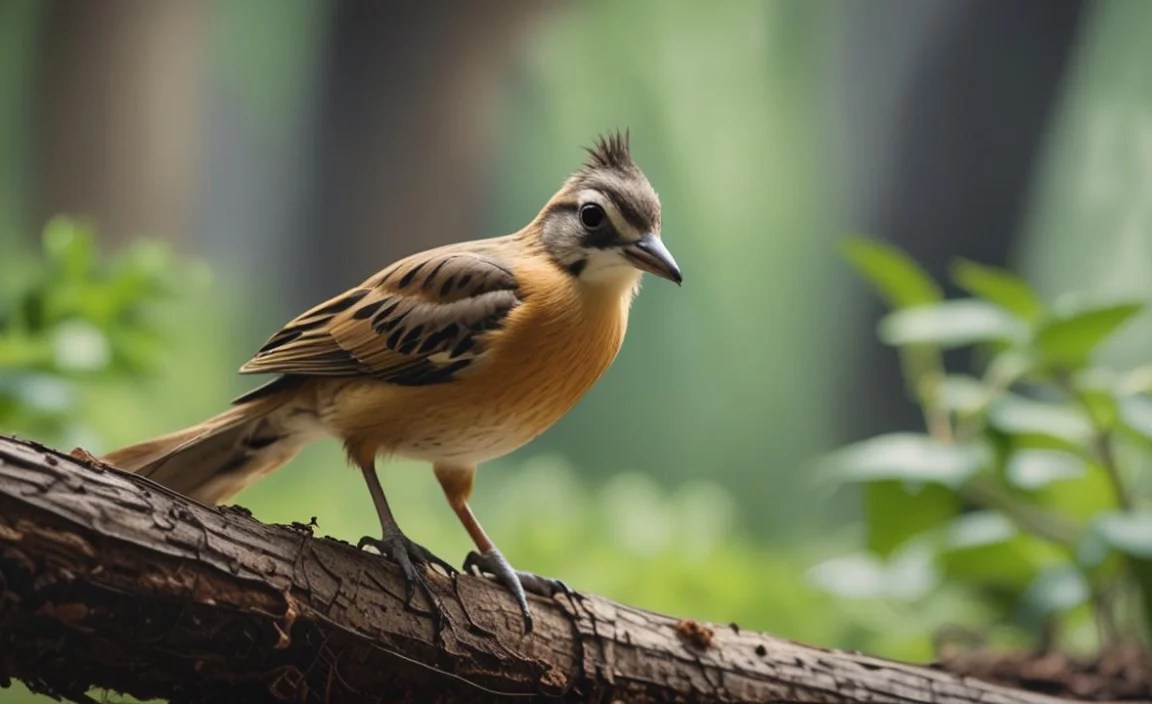
Want to become a super scientist? Knowing some basics about plants and animals helps with species identification in the field. Botany is the study of plants. Zoology is the study of animals. Learning about plant parts like leaves, stems, and flowers can help you identify plants. Learning about animal parts like bones, muscles, and organs can help you identify animals. Understanding how plants and animals live and grow can also be helpful. The more you know, the easier it will be to identify different species. Don’t worry, you don’t need to know everything. Just a few basics can make a big difference.
- Learn about plant parts like leaves and stems.
- Study animal parts like bones and muscles.
- Understand how plants and animals live.
- Know basic ecological relationships.
- Learn about different plant and animal groups.
Imagine you are looking at a flower. Knowing the different parts of a flower can help you identify it. Does it have petals? How many? What shape are they? Does it have sepals? What color are they? Does it have stamens? How many? Does it have a pistil? What shape is it? All these details can help you figure out what kind of flower it is. The same goes for animals. Knowing the different parts of an animal can help you identify it. What kind of teeth does it have? What kind of feet does it have? What kind of tail does it have? Basic botany and zoology make species identification easier and more interesting.
Key Plant Structures to Know
Do you know the parts of a plant? Knowing these parts helps with species identification in the field. Leaves are the food factories of the plant. Stems support the plant and carry water and nutrients. Roots anchor the plant and absorb water and nutrients. Flowers are the reproductive parts of the plant. Fruits protect the seeds and help them spread. Knowing the different types of leaves, stems, roots, flowers, and fruits can help you identify different plants. It’s like learning a new language. Once you know the vocabulary, you can understand what the plant is telling you.
Important Animal Anatomy Concepts
Have you ever looked at an animal skeleton? Knowing about animal anatomy can help you with species identification. Vertebrates have a backbone. Invertebrates do not. Mammals have fur or hair and give birth to live young. Birds have feathers and lay eggs. Reptiles have scales and lay eggs. Amphibians have smooth, moist skin and live in water and on land. Fish have gills and live in water. Knowing these basic groups and their characteristics can help you identify animals. It’s like having a secret code. You can unlock the mystery of what animal you are seeing.
Understanding Habitats and Niches
Where an animal or plant lives is its habitat. What it does in its habitat is its niche. Understanding habitats and niches can help with species identification in the field. Some animals live in forests. Others live in deserts. Some plants grow in sunny areas. Others grow in shady areas. Some animals eat plants. Others eat animals. Some plants get pollinated by insects. Others get pollinated by wind. Knowing where a species lives and what it does can help you identify it. It’s like knowing someone’s address and job. You know more about who they are.
Fun Fact or Stat: Plants and animals are adapted to live in specific habitats. Cacti are adapted to live in the desert.
Using Dichotomous Keys for ID

Have you ever used a key to unlock a door? A dichotomous key is like a key for identifying species. It asks a series of questions. Each question has two choices. You choose the answer that is true for the species you are trying to identify. Each choice leads you to another question. Eventually, you will reach the name of the species. Dichotomous keys are very useful for species identification in the field. They help you narrow down the possibilities step by step. They can be a little tricky at first. But, with practice, you will become a master of using them.
- Dichotomous keys use a series of questions.
- Each question has two choices.
- Choose the answer that is true for the species.
- Each choice leads to another question.
- Eventually, you reach the species’ name.
Imagine you are trying to identify a tree. The first question in the key might be: “Does the tree have needles or leaves?” If the tree has needles, you follow that branch of the key. If the tree has leaves, you follow the other branch. The next question might be: “Are the leaves simple or compound?” If the leaves are simple, you follow that branch. If the leaves are compound, you follow the other branch. You keep answering questions until you reach the name of the tree. Species identification in the field becomes a fun game with dichotomous keys. It’s like solving a puzzle!
How Dichotomous Keys Work
Dichotomous keys work by breaking down the identification process into small steps. Each step presents two choices. These choices are based on easily observable characteristics. By answering these questions, you eliminate possibilities. You narrow down the list of potential species. The key leads you to the correct identification. Dichotomous keys are based on clear, objective criteria. This makes them reliable and accurate. They are a valuable tool for anyone interested in species identification in the field. They make the process systematic and logical.
Benefits of Using Dichotomous Keys
There are many benefits to using dichotomous keys. They help you be systematic in your identification. They force you to look at specific characteristics. They help you learn about different species. They can be used by beginners and experts. They are a great way to learn about the natural world. Species identification in the field becomes more organized. It makes the process more efficient and accurate. Dichotomous keys are a valuable tool for scientists and nature lovers alike.
Tips for Using Dichotomous Keys Effectively
To use dichotomous keys effectively, read each question carefully. Make sure you understand what it is asking. Observe the species closely. Be sure you are answering the question correctly. If you are not sure, try both choices. See where they lead you. If you get stuck, go back and check your answers. Make sure you haven’t made a mistake. Practice using dichotomous keys. The more you use them, the better you will get. Species identification in the field becomes easier with practice. Dichotomous keys are a valuable tool, but they require patience and attention to detail.
Fun Fact or Stat: Dichotomous keys are used in many fields of science, including biology, geology, and medicine!
Ethical Considerations in Field ID
It’s important to be a good nature friend. When doing species identification in the field, be respectful. Don’t disturb plants or animals. Don’t collect anything unless you have permission. Stay on trails to avoid damaging habitats. Be careful not to introduce new species to an area. Clean your boots and equipment before entering a new area. Share your knowledge with others. Teach them how to identify species and respect nature. Being a responsible observer helps protect the environment. We want to keep nature healthy for everyone to enjoy.
- Don’t disturb plants or animals.
- Stay on trails to protect habitats.
- Don’t collect anything without permission.
- Clean your equipment to avoid spreading species.
- Share your knowledge with others.
Imagine you are looking at a rare flower. You might be tempted to pick it. But, that could harm the plant. It could also prevent it from producing seeds. This could lead to the plant disappearing from the area. Instead, take a picture. Draw a picture. Write down some notes about it. Share your observations with others. You can help protect the flower by leaving it alone. Species identification in the field should always be done with respect and care. We are visitors in nature’s home. We should act like good guests.
Minimizing Disturbance to Wildlife
When observing wildlife, it’s important to minimize disturbance. Keep a safe distance. Use binoculars to get a closer look. Avoid making loud noises. Don’t feed the animals. Feeding can change their behavior. It can also make them dependent on humans. Be aware of your surroundings. Avoid disturbing nests or dens. If an animal seems stressed, back away. Your presence could be causing it harm. Species identification in the field should never come at the expense of the animal’s well-being. We want to observe them without interfering in their lives.
Respecting Plant Life and Habitats
Plants are just as important as animals. They provide food and shelter for many species. They also help clean the air and water. When identifying plants, be careful not to damage them. Don’t trample them. Don’t break off branches. Don’t dig them up. Stay on trails to avoid damaging habitats. Be aware of sensitive areas. Some areas are home to rare or endangered plants. Species identification in the field should be done with respect for plant life and their habitats. We want to protect these valuable resources.
Responsible Data Collection and Sharing
If you are collecting data on species, be responsible. Keep accurate records. Note the date, time, and location of your observations. Take pictures or draw sketches. Share your data with scientists or conservation organizations. Your data can help them track populations and monitor changes in the environment. Be careful about sharing the location of rare or endangered species. Poachers could use this information to harm them. Species identification in the field can contribute to science and conservation. But, it’s important to do it responsibly.
Fun Fact or Stat: Many citizen science projects rely on volunteers to collect data on species distribution and abundance!
Species ID Resources and Communities
Want to learn more? Many resources can help you with species identification in the field. Libraries have books and field guides. Museums have exhibits and experts. Nature centers offer classes and workshops. Online forums and communities connect you with other nature lovers. These resources can help you expand your knowledge and skills. Don’t be afraid to ask questions. There are many people who are willing to help you learn. Learning about nature is a lifelong journey. There’s always something new to discover.
| Resource Type | Examples | Benefits |
|---|---|---|
| Books and Field Guides | Audubon Guides, Peterson Field Guides | Detailed descriptions, illustrations, portable |
| Online Databases | iNaturalist, GBIF | Vast data, images, community support |
| Museums and Nature Centers | Local museums, botanical gardens | Expert knowledge, physical specimens, educational programs |
| Citizen Science Projects | eBird, Project Noah | Contribute to research, learn from others, track sightings |
Imagine you are trying to identify a butterfly. You can start by looking in a field guide. If you can’t find it there, you can search online. There are many websites that have pictures and information about butterflies. You can also post a picture of the butterfly on an online forum. Other butterfly enthusiasts can help you identify it. Species identification in the field becomes easier when you use all the resources available to you. It’s like having a network of experts at your fingertips.
Finding Local Experts and Mentors
Do you want to learn from the best? Finding local experts and mentors can help you with species identification in the field. Nature centers often have knowledgeable staff. Birdwatching clubs have experienced birders. Botanical gardens have expert botanists. These people can share their knowledge and skills with you. They can also help you connect with other nature lovers. Don’t be afraid to reach out and ask for help. Most experts are happy to share their passion for nature. Learning from a mentor can accelerate your learning and make the experience more rewarding.
Joining Citizen Science Projects
Have you ever wanted to be a scientist? Joining citizen science projects can help you contribute to real research. Many projects rely on volunteers to collect data on species. You can track bird migrations, monitor plant growth, or identify insects. Your observations can help scientists understand how species are changing over time. Species identification in the field is a key part of many citizen science projects. It’s a great way to learn about nature and contribute to science at the same time. You can make a difference in the world!
Utilizing Online Forums and Communities
The internet connects people from all over the world. Online forums and communities can help you connect with other nature lovers. You can share your observations, ask questions, and learn from others. Many forums have experts who can help you identify species. You can also find information about local events and activities. Species identification in the field becomes a shared experience. You can learn from others and contribute to the community. Online forums are a great way to stay connected and continue learning.
Fun Fact or Stat: Citizen scientists contribute millions of hours of data collection each year, helping scientists track changes in the environment!
Summary
Species identification in the field is like being a nature detective. You use clues to figure out what plants and animals you are seeing. Tools like field guides, binoculars, and apps can help. Observing details like color, size, shape, and behavior is important. Learning about basic botany and zoology can also help. Dichotomous keys provide a step-by-step method for identification. Remember to be respectful of nature and minimize disturbance. Many resources and communities can help you learn more. These include books, museums, and online forums.
Conclusion
Learning about species identification in the field is a fun and rewarding experience. It helps us understand the world around us. It connects us to nature. It also helps us protect the environment. By using the tools and techniques we have discussed, you can become a skilled nature detective. Keep exploring, keep learning, and keep sharing your knowledge with others. Together, we can make a difference in the world.
Frequently Asked Questions
Question No 1: What is the best way to start learning about species identification in the field?
Answer: A great starting point is to pick up a local field guide for an area near you. Begin with a group of organisms that interests you. For example, wildflowers, birds, or insects. Focus on learning to identify a few common species well. Practice observing them in their natural habitats. Join a local nature club or take a guided nature walk. These are great ways to learn from experienced naturalists. Online resources like iNaturalist can also be helpful for identifying species and connecting with other nature enthusiasts.
Question No 2: What are some common mistakes people make when trying to identify species?
Answer: One common mistake is not paying close enough attention to details. Size, shape, color, and behavior are all important clues. Another mistake is relying too heavily on just one characteristic. It is crucial to consider multiple features for accurate identification. People sometimes jump to conclusions without carefully comparing the organism to the descriptions in a field guide or online resource. It’s also common to misinterpret information. Always double-check your observations and use reliable sources. Avoid damaging the environment while trying to identify species.
Question No 3: How can I improve my observation skills for species identification?
Answer: Improving observation skills takes practice and patience. Start by focusing on one specific feature at a time. For example, leaf shape in plants or beak shape in birds. Use all your senses to gather information. Look closely, listen carefully, and even smell or touch (when appropriate and safe). Keep a nature journal to record your observations. Draw sketches of the organisms you see. This forces you to pay closer attention to details. Spend time in nature regularly. The more you observe, the better you will become at noticing subtle differences.
Question No 4: Are there any ethical considerations I should keep in mind when identifying species in the field?
Answer: Yes, ethical considerations are very important. Always respect the environment and minimize your impact. Avoid disturbing plants, animals, or their habitats. Stay on trails and avoid trampling vegetation. Do not collect specimens unless you have a permit or are participating in a sanctioned research project. Be mindful of sensitive areas. These are home to rare or endangered species. Never introduce non-native species to an area. Clean your boots and equipment before entering a new habitat to prevent the spread of invasive species. Share your knowledge and promote responsible nature observation.
Question No 5: What are some good resources for learning more about botany and zoology?
Answer: There are many great resources available. Libraries are a good place to start. Look for books on botany, zoology, and local flora and fauna. Online resources like the Encyclopedia of Life and the Biodiversity Heritage Library offer vast amounts of information. Many universities and museums have online educational materials. Consider taking a class or workshop at a local nature center or botanical garden. These can provide hands-on learning experiences. Look for opportunities to volunteer with conservation organizations. This is a great way to gain practical experience and learn from experts. A basic understanding of botany and zoology greatly enhances your ability in species identification in the field.
Question No 6: How can I use technology to help with species identification in the field?
Answer: Technology offers many tools for species identification. There are numerous apps for smartphones and tablets that can identify plants, animals, and fungi using photos or sound recordings. Some popular apps include iNaturalist, PictureThis, and Merlin Bird ID. These apps use image recognition technology and vast databases to provide accurate identifications. Online databases like the Global Biodiversity Information Facility (GBIF) provide access to millions of species records. Digital field guides can be easily carried in the field. GPS devices can help you record the location of your observations. Remember to use technology responsibly and avoid relying on it entirely. Always double-check your identifications with other resources.


