
Butterfly Identification Near Great Lakes: Easy Guide

Do you love colorful butterflies? Have you ever wondered what kind they are? Figuring out butterfly identification near Great Lakes can be fun. Imagine walking near the lakes and spotting a bright orange butterfly. Knowing its name makes the moment even better.
Key Takeaways
- Butterfly identification near Great Lakes helps us appreciate nature more.
- Use field guides and apps for easy butterfly identification.
- Look for key features like color, size, and wing patterns.
- Visit local parks and gardens to see different butterflies.
- Join a butterfly club to learn from experts.
Butterfly Spotting Near the Great Lakes

Do you want to find butterflies? The Great Lakes region has many. You can see different kinds of butterflies there. It is important to know where to look. Some butterflies like open fields. Others prefer forests. Learning about their habitats helps a lot. Knowing when they are most active is also helpful. Most butterflies fly during the day. Sunny days are the best for spotting them. Look for them near flowers. Butterflies love nectar. You can also plant flowers in your garden. This will attract them to your yard. Bring a notebook and a camera. You can write down what you see. Taking pictures helps you remember details. It’s fun to learn about these beautiful creatures.
- Look in fields and forests.
- Butterflies love sunny days.
- Find them near flowers.
- Bring a notebook.
- Take pictures.
When you go out looking for butterflies, be patient. Sometimes they are hard to find. Don’t give up! Keep looking carefully. Watch how they fly. Notice what flowers they visit. Pay attention to the colors and patterns on their wings. All these things can help you identify them. Butterfly identification near Great Lakes becomes easier with practice. The more you look, the more you will learn. You might even discover a butterfly you have never seen before. Always be respectful of nature. Do not touch the butterflies. Just enjoy watching them. They are a gift to us all.
What Habitats Do Butterflies Prefer?
Have you ever wondered where butterflies like to live? They have favorite spots. Some love sunny meadows. Others prefer shady forests. Monarchs like fields with milkweed. Swallowtails are often found near woodlands. Each butterfly has its own special place. Learning about these habitats can help you find them. When you know where to look, you have a better chance of seeing them. Think about where you have seen butterflies before. Was it near a stream? Or in a garden? These clues can guide you. Understanding butterfly habitats is a key part of butterfly identification near Great Lakes. So, explore different places. You might be surprised at what you find.
What Time of Day Are Butterflies Most Active?
Butterflies are not active all day. They have a favorite time. Most butterflies love the morning sun. They need the warmth to fly. As the day gets hotter, they may rest. They often hide in the shade. Then, they might come out again in the late afternoon. If you want to see lots of butterflies, go out early. You will have the best chance. Pay attention to the temperature. On cool days, butterflies might stay hidden. On warm days, they will be more active. Knowing when to look is important. This helps with butterfly identification near Great Lakes. So, plan your trip for the right time. You will see more butterflies.
What Flowers Attract Butterflies?
Do you want to attract butterflies to your yard? Plant the right flowers. Butterflies love nectar. Different flowers have different kinds of nectar. Some butterflies like certain flowers more than others. Monarchs love milkweed. Swallowtails enjoy zinnias. Plant a variety of flowers. This will attract many kinds of butterflies. Choose flowers with bright colors. Butterflies can see them easily. Also, plant flowers that bloom at different times. This will give butterflies food all season. Creating a butterfly garden is fun. It also helps the environment. It’s a great way to support butterfly identification near Great Lakes. So, get planting and enjoy the butterflies!
Fun Fact or Stat: The Karner Blue butterfly is endangered and lives in oak savannas near the Great Lakes!
Key Features for Butterfly Identification
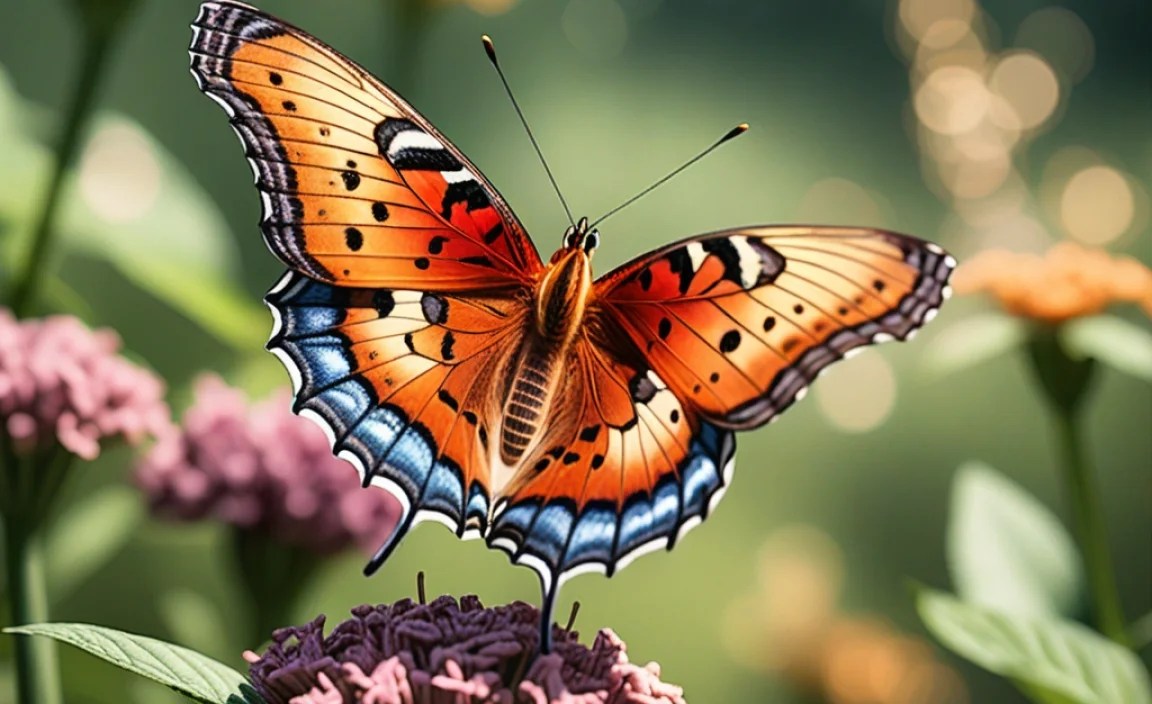
How can you tell one butterfly from another? Look at their key features. Size, color, and wing patterns are important. Some butterflies are big. Others are small. Some are bright. Others are dull. The patterns on their wings can be simple or complex. All these things help you identify them. Use a field guide. It shows pictures of different butterflies. Match the butterfly you see to the picture in the book. Pay attention to the details. Look closely at the wings. Notice any spots or stripes. These details are clues. Learning about these features makes butterfly identification near Great Lakes easier and more fun.
- Note the size of the butterfly.
- Observe the colors on its wings.
- Study the wing patterns carefully.
- Use a field guide for help.
- Look for spots and stripes.
When you start identifying butterflies, don’t worry about getting it right away. It takes practice. The more you look, the better you will get. Start with common butterflies. These are easier to identify. Once you know them, you can move on to harder ones. Ask for help from experts. Join a butterfly club. Go on a butterfly walk. There are many ways to learn. Butterfly identification near Great Lakes is a skill you can develop over time. Just be patient and keep exploring. Soon you will be a butterfly expert!
What Role Does Size Play in Identification?
Size is a big clue when identifying butterflies. Some are tiny. Others are huge. Monarchs are large and easy to spot. Little blues are very small. Knowing the size helps narrow down the possibilities. Compare the butterfly to something you know. Is it bigger than your thumb? Or smaller than a coin? This gives you a sense of its size. Use a ruler if you need to. Measure the wingspan. This is the distance from one wingtip to the other. Size, combined with other features, helps with butterfly identification near Great Lakes. So, pay attention to how big or small the butterfly is.
How Do Colors Help in Butterfly Identification?
Colors are a key part of butterfly identification. Butterflies come in every color you can imagine. Some are bright and bold. Others are muted and subtle. Monarchs are famous for their orange color. Blue Morphos are a brilliant blue. The colors help you tell them apart. Notice the different shades. Is it a light blue or a dark blue? Are there multiple colors on the wings? All these details matter. Use a field guide to compare colors. Butterfly identification near Great Lakes relies heavily on color. So, open your eyes and see the rainbow of butterflies.
How Important Are Wing Patterns?
Wing patterns are like fingerprints for butterflies. Each kind has its own unique design. Some have spots. Others have stripes. Some have intricate patterns. These patterns help you tell them apart. Look closely at the wings. Notice the shapes and lines. Are there circles or squares? Do the patterns repeat? Draw the patterns in your notebook. This helps you remember them. Wing patterns are very important for butterfly identification near Great Lakes. So, study those wings carefully. You will discover a world of amazing designs.
Fun Fact or Stat: Some butterflies have patterns that look like eyes to scare away predators!
Using Field Guides for Butterfly Identification
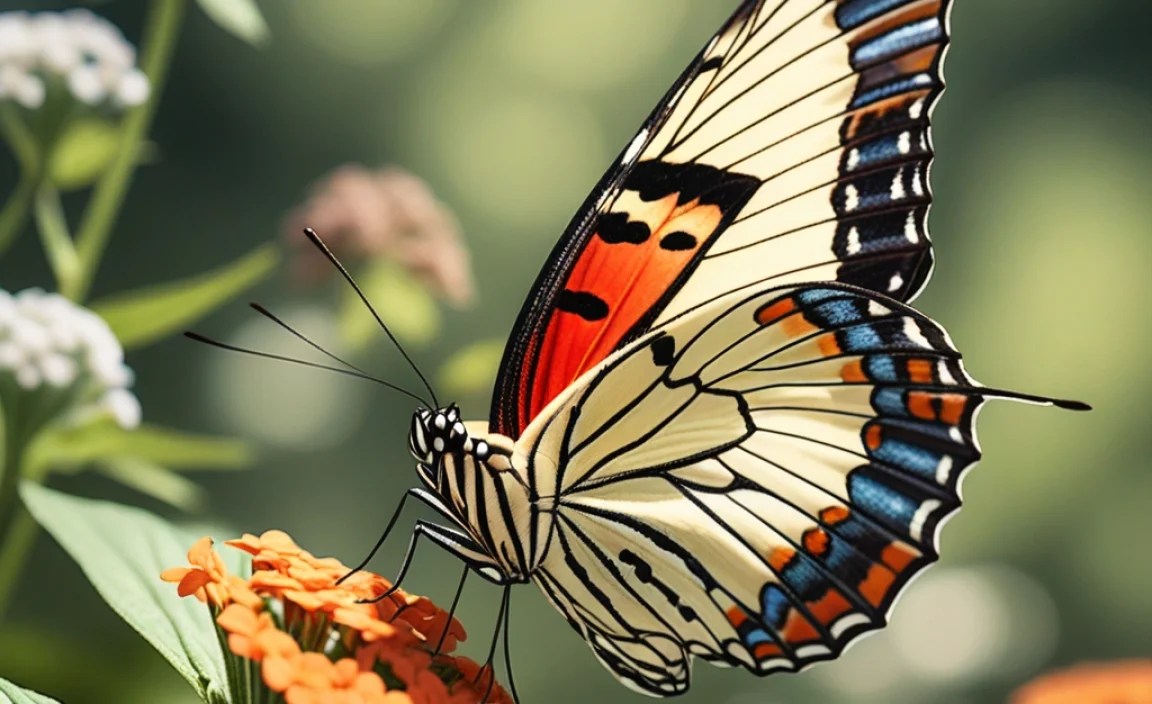
Field guides are your best friends for identifying butterflies. These books show pictures of different butterflies. They also tell you about their key features. A good field guide has clear photos. It also has descriptions of size, color, and wing patterns. Some guides also include information about habitats and food. Using a field guide is like having an expert with you. You can compare the butterfly you see to the pictures in the book. This helps you figure out what kind it is. Butterfly identification near Great Lakes is much easier with a field guide. So, get one and start exploring.
- Field guides show pictures of butterflies.
- They describe key features.
- Good guides have clear photos.
- They include habitat information.
- Field guides make identification easier.
When you use a field guide, take your time. Don’t rush. Look closely at the pictures. Read the descriptions carefully. Compare the butterfly you see to the information in the book. Pay attention to the details. Notice any differences. Sometimes the butterfly you see might not look exactly like the picture. This is okay. There can be variations. But the key features should be the same. With practice, you will become better at using field guides. You will be able to identify butterflies quickly and easily. Remember, butterfly identification near Great Lakes is a fun journey. Enjoy the process.
What Makes a Good Butterfly Field Guide?
A good butterfly field guide is easy to use. It has clear pictures. The descriptions are easy to understand. It covers the butterflies in your area. It also includes helpful information. Look for a guide with range maps. These show where each butterfly lives. A good guide also has a glossary. This explains any confusing words. The best field guides are small enough to carry. You can take them with you on your adventures. A good field guide is essential for butterfly identification near Great Lakes. So, choose wisely.
How to Use a Field Guide Effectively?
To use a field guide well, start by knowing your area. Find the section on butterflies in your region. Then, look for the butterfly that looks most like the one you saw. Compare the pictures carefully. Read the descriptions closely. Pay attention to the key features. Check the range map. Does the butterfly live in your area? If everything matches, you probably have a good identification. But if something doesn’t seem right, keep looking. There might be another butterfly that is a better match. Using a field guide takes practice. But it is a valuable skill for butterfly identification near Great Lakes.
Are There Digital Field Guides Available?
Yes, there are digital field guides for butterflies! These are apps you can download on your phone or tablet. Digital field guides have many advantages. They are easy to carry. They often have more pictures than printed guides. Some apps even have sound recordings. You can hear the sounds the butterflies make. Digital guides can also be updated easily. This means you always have the latest information. Many digital guides also have interactive features. You can zoom in on pictures. You can also take quizzes to test your knowledge. Digital field guides are a great tool for butterfly identification near Great Lakes. Give them a try!
Fun Fact or Stat: Some field guides include information on caterpillars, too!
Apps for Butterfly Identification
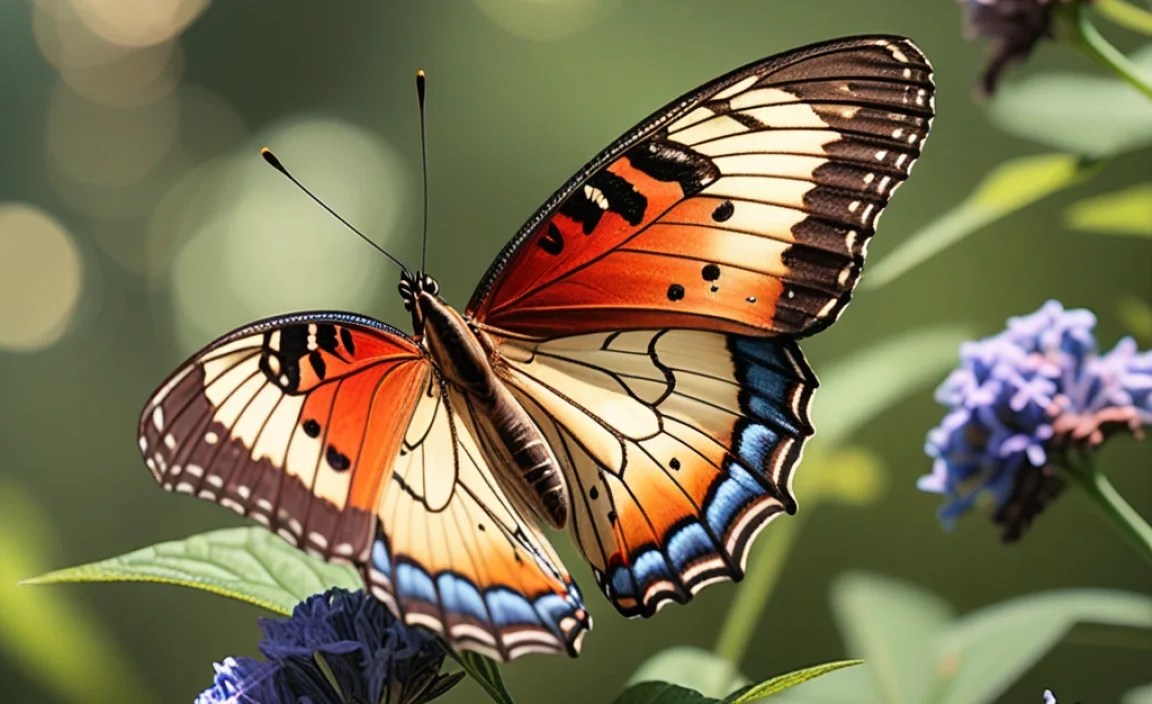
Did you know you can use your phone to identify butterflies? There are many apps for that. These apps use your phone’s camera. You take a picture of the butterfly. The app then tries to identify it. Some apps also let you enter information. You can describe the butterfly’s size, color, and patterns. The app then suggests possible matches. These apps are fun and easy to use. They are like having a butterfly expert in your pocket. Butterfly identification near Great Lakes has never been easier. Just download an app and start exploring.
- Apps use your phone’s camera.
- You take a picture of the butterfly.
- The app tries to identify it.
- Some apps let you enter information.
- Apps are fun and easy to use.
When choosing an app, read the reviews. See what other people say about it. Some apps are more accurate than others. Some apps have more features. Find an app that works well for you. Remember that apps are not always perfect. They might not be able to identify every butterfly. Sometimes the picture is not clear enough. Or the butterfly might be rare. In these cases, you can still use a field guide. Or you can ask an expert for help. But for most common butterflies, apps are a great tool. They make butterfly identification near Great Lakes more accessible to everyone.
How Accurate Are Butterfly Identification Apps?
Butterfly identification apps are getting better all the time. But they are not always perfect. The accuracy depends on a few things. The quality of the photo matters. A clear, close-up picture works best. The app also needs a good database of butterflies. Some apps have more butterflies than others. And some butterflies are just harder to identify. Rare or unusual butterflies might not be in the app. But for common butterflies, the apps are usually pretty accurate. They can be a great starting point for butterfly identification near Great Lakes. Just don’t rely on them completely. Always double-check with a field guide or expert.
What Features Do These Apps Offer?
Butterfly identification apps offer many cool features. Most apps let you take a picture of the butterfly. They then try to identify it automatically. Some apps also let you enter information manually. You can describe the butterfly’s size, color, and patterns. The app then suggests possible matches. Many apps have detailed information about each butterfly. You can learn about their habitat, food, and life cycle. Some apps also let you keep a record of your sightings. You can create a list of all the butterflies you have seen. These features make butterfly identification near Great Lakes more fun and informative.
Are These Apps Free to Use?
Some butterfly identification apps are free. Others cost money. Free apps often have ads. They might also have limited features. Paid apps usually have more features. They might also be more accurate. It depends on the app. Do some research before you download one. Read the reviews. See what other people say. Try out a few different apps. See which one you like best. There are many great options available. You can find an app that fits your needs and budget. Using an app can make butterfly identification near Great Lakes easier and more enjoyable.
| App Name | Cost | Accuracy | Features |
|---|---|---|---|
| Picture Insect | Free with ads | High | Automatic identification, insect encyclopedia |
| Seek by iNaturalist | Free | Medium | Automatic identification, connects to iNaturalist community |
| SmartPlant | Subscription | High | Plant and insect identification, plant care tips |
| Butterfly ID | $4.99 | Very High | Butterfly identification, detailed species information |
Fun Fact or Stat: Some apps can identify butterflies from their caterpillars!
Visiting Butterfly Gardens
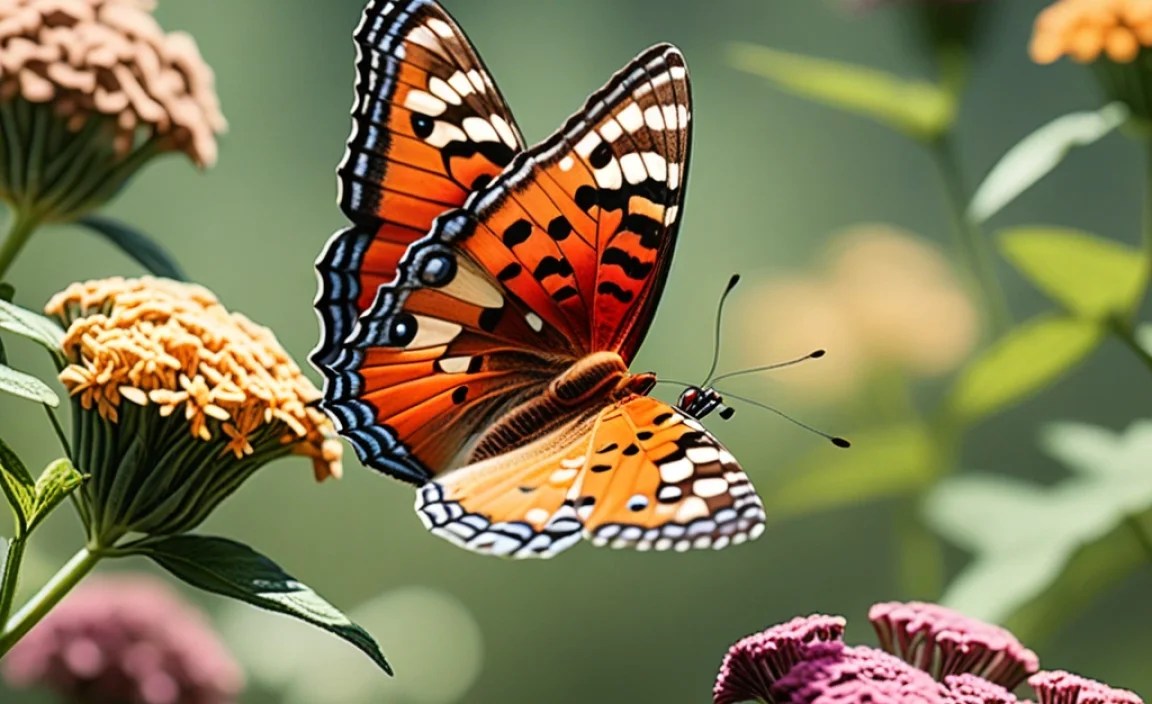
Want to see many butterflies at once? Visit a butterfly garden! These gardens are designed to attract butterflies. They have lots of flowers that butterflies love. You can see many different kinds of butterflies there. They fly all around you. It’s a magical experience. Butterfly gardens are also a great place to learn. Many gardens have signs that tell you about the different butterflies. You can learn about their life cycle and their habitat. Some gardens even have experts who can answer your questions. Butterfly identification near Great Lakes is easy in a butterfly garden. You can see the butterflies up close and compare them to pictures in a field guide.
- Butterfly gardens attract butterflies.
- They have lots of flowers.
- You can see many kinds of butterflies.
- Gardens have signs with information.
- Experts can answer your questions.
Before you visit a butterfly garden, check their website. See what butterflies are in season. Some butterflies only fly at certain times of the year. You can also find out about special events. Some gardens have butterfly releases. This is when they release new butterflies into the garden. It’s a beautiful sight to see. When you visit a butterfly garden, be respectful. Don’t touch the butterflies. Don’t pick the flowers. Just enjoy the beauty around you. Butterfly gardens are a great way to support butterfly identification near Great Lakes and to appreciate nature.
What Kinds of Plants Attract Butterflies to Gardens?
Butterflies love certain plants. Milkweed is a favorite of Monarchs. Zinnias attract many kinds of butterflies. Butterfly bush is also very popular. These plants provide nectar for the butterflies. Nectar is like food for them. Choose plants with bright colors. Butterflies can see them easily. Also, choose plants that bloom at different times. This will give butterflies food all season long. Plant these flowers in your garden. You will attract many beautiful butterflies. It’s a great way to help with butterfly identification near Great Lakes. You can see them up close in your own backyard.
What Are Some Butterfly Gardens Near the Great Lakes?
The Great Lakes region has many beautiful butterfly gardens. One popular garden is the Frederik Meijer Gardens & Sculpture Park in Grand Rapids, Michigan. They have a butterfly exhibit every year. Another great garden is the Krohn Conservatory in Cincinnati, Ohio. They have a butterfly show in the spring. Many local parks and nature centers also have butterfly gardens. Check your local listings to find one near you. These gardens are a great place to see butterflies. They also help with butterfly identification near Great Lakes. You can learn about the different kinds of butterflies and the plants they love.
How Can You Create Your Own Butterfly Garden?
Creating your own butterfly garden is easy. First, choose a sunny spot in your yard. Butterflies love the sun. Then, plant some butterfly-friendly flowers. Milkweed, zinnias, and butterfly bush are good choices. Make sure to plant a variety of flowers. This will attract different kinds of butterflies. Also, provide a water source. A shallow dish of water with some stones will work. The butterflies can land on the stones and drink. Avoid using pesticides. These can harm the butterflies. With a little effort, you can create a beautiful butterfly garden. It’s a great way to support butterfly identification near Great Lakes and to enjoy nature.
Fun Fact or Stat: Butterflies can taste with their feet!
Joining a Butterfly Club
Do you want to learn more about butterflies? Join a butterfly club! These clubs are full of people who love butterflies. You can learn from experts. You can go on butterfly walks. You can share your own knowledge. Butterfly clubs are a great way to meet new friends. You can also help with conservation efforts. Some clubs work to protect butterfly habitats. They also educate the public about butterflies. Joining a butterfly club is a great way to support butterfly identification near Great Lakes. You will learn so much and have fun too.
- Clubs are full of butterfly lovers.
- You can learn from experts.
- Go on butterfly walks.
- Share your knowledge.
- Help with conservation.
To find a butterfly club near you, search online. Look for local nature centers or conservation organizations. They often have butterfly programs. You can also ask at your local library. They might know of some clubs in the area. When you join a club, attend the meetings. Participate in the activities. Ask questions. Share your experiences. You will learn so much from the other members. Butterfly clubs are a great way to connect with nature. They also help you become a butterfly expert. Remember, butterfly identification near Great Lakes is a lifelong journey. Enjoy the ride!
What Activities Do Butterfly Clubs Offer?
Butterfly clubs offer many fun activities. They often have regular meetings. At these meetings, you can learn about different butterfly species. You can also hear from guest speakers. Some clubs organize butterfly walks. These are guided tours of local butterfly habitats. You can learn how to identify butterflies in the field. Other clubs participate in citizen science projects. They collect data on butterfly populations. This data helps scientists track butterfly trends. Butterfly clubs also host workshops. You can learn how to create a butterfly garden. Or how to photograph butterflies. These activities make butterfly identification near Great Lakes more engaging and rewarding.
How Can a Butterfly Club Help You Improve Your Identification Skills?
Butterfly clubs are a great way to improve your identification skills. You can learn from experienced butterfly enthusiasts. They can share their tips and tricks. You can also practice identifying butterflies with other members. The more you practice, the better you will get. Butterfly clubs often have field trips. These trips give you the chance to see butterflies in their natural habitat. You can learn how to identify them in the field. You can also ask questions and get help from experts. Being part of a club makes butterfly identification near Great Lakes easier and more fun. You will learn from others and grow as a butterfly enthusiast.
Are There Online Butterfly Communities?
Yes, there are many online butterfly communities. These are online forums and groups where people share their love of butterflies. You can ask questions, share photos, and learn from others. Online communities are a great way to connect with butterfly enthusiasts from all over the world. You can learn about different butterfly species. You can also get advice on butterfly gardening. Some online communities also organize virtual events. You can attend webinars and online workshops. These communities make butterfly identification near Great Lakes more accessible. You can learn from experts and connect with others from the comfort of your own home.
Fun Fact or Stat: Some butterfly clubs help tag Monarch butterflies to track their migration!
Respecting Butterfly Habitats
When you are out looking for butterflies, remember to be respectful. Protect their homes. Do not destroy their habitats. Stay on the trails. Do not trample plants. Do not disturb the butterflies. Observe them from a distance. Do not try to catch them. Butterflies are delicate creatures. They need our protection. We must take care of their environment. Butterfly identification near Great Lakes is important. But it is also important to protect the butterflies themselves. Be a responsible butterfly watcher. Leave no trace behind.
- Stay on the trails.
- Do not trample plants.
- Observe from a distance.
- Do not try to catch butterflies.
- Leave no trace behind.
You can also help protect butterfly habitats by supporting conservation organizations. These organizations work to protect butterfly habitats. They also educate the public about butterflies. You can donate to these organizations. You can also volunteer your time. Every little bit helps. Protecting butterfly habitats is important for the future. We want to make sure that butterflies will be around for many years to come. Butterfly identification near Great Lakes helps us appreciate these beautiful creatures. But we must also do our part to protect them and their homes.
Why Is It Important to Protect Butterfly Habitats?
It is important to protect butterfly habitats because butterflies need these places to survive. They need food, shelter, and places to breed. When we destroy their habitats, we take away their homes. This can lead to a decline in butterfly populations. Many butterfly species are already threatened or endangered. Protecting their habitats is essential for their survival. It also benefits other wildlife. Butterfly habitats often support a variety of plants and animals. By protecting these habitats, we are protecting the entire ecosystem. This is why butterfly identification near Great Lakes goes hand in hand with conservation. We need to know what we have in order to protect it.
How Can You Help Protect Butterfly Habitats?
There are many ways you can help protect butterfly habitats. You can plant native plants in your yard. Native plants provide food and shelter for butterflies. You can also avoid using pesticides. Pesticides can harm butterflies and other insects. Support local conservation organizations. These organizations work to protect butterfly habitats. You can also educate others about the importance of butterfly conservation. Spread the word about the need to protect these beautiful creatures. Every little bit helps. Together, we can make a difference. Butterfly identification near Great Lakes is a great way to start. The more you learn, the more you will want to protect them.
What Role Does Climate Change Play in Butterfly Habitats?
Climate change is a serious threat to butterfly habitats. As the climate changes, butterfly habitats are changing too. Temperatures are rising, and rainfall patterns are shifting. This can make it difficult for butterflies to survive. Some butterfly species are moving to new areas. Others are struggling to adapt. We need to take action to reduce climate change. We can reduce our carbon footprint by using less energy. We can also support policies that promote clean energy. Protecting butterfly habitats is more important than ever. We need to do everything we can to help them survive. Butterfly identification near Great Lakes can help us track these changes. By monitoring butterfly populations, we can see how they are affected by climate change.
Fun Fact or Stat: Some butterflies migrate thousands of miles each year!
Summary
Butterfly identification near Great Lakes is a fun and rewarding activity. You can learn about the different kinds of butterflies that live in this region. You can also help protect them and their habitats. Use field guides and apps to identify butterflies. Visit butterfly gardens and join butterfly clubs. Remember to be respectful of butterfly habitats. Protect their homes and their environment. By learning about butterflies, you can appreciate them more. You can also help ensure that they will be around for many years to come. So get outside and start exploring the world of butterflies!
Conclusion
Butterfly identification near Great Lakes is more than just a hobby. It’s a way to connect with nature. It helps us appreciate the beauty and diversity of the natural world. By learning about butterflies, we can become better stewards of the environment. We can protect their habitats and ensure their survival. So, embrace the challenge. Learn about the butterflies in your area. Share your knowledge with others. Together, we can make a difference for butterflies and for the planet.
Frequently Asked Questions
Question No 1: What is the best time of year for butterfly identification near Great Lakes?
Answer: The best time for butterfly identification near Great Lakes is during the warmer months. From late spring to early fall, many butterflies are active. This is when you’ll see the most variety. Different species emerge at different times. So, you can find new butterflies throughout the season. Spring is good for seeing early butterflies. Summer is the peak season for most species. Fall is when some butterflies migrate. Keep an eye on the weather. Sunny days are best for butterfly watching. Check local resources for specific emergence times.
Question No 2: What equipment do I need for butterfly identification near Great Lakes?
Answer: You don’t need much equipment to start. A good field guide is essential. This will help you identify different species. A pair of binoculars can be helpful. They allow you to see butterflies from a distance. A camera is great for taking pictures. You can use the pictures to study the butterflies later. A notebook and pen are useful for taking notes. You can record what you see and where you saw it. Comfortable shoes are important. You’ll be doing a lot of walking. And don’t forget sunscreen and a hat to protect yourself from the sun.
Question No 3: How can I attract more butterflies to my yard for easier identification?
Answer: To attract more butterflies, plant butterfly-friendly flowers. Butterflies love nectar-rich flowers. Milkweed is a must-have for Monarchs. Zinnias and butterfly bushes are also great choices. Plant a variety of flowers that bloom at different times. This will provide a continuous food source. Provide a water source. A shallow dish of water with stones will work. Avoid using pesticides. These can harm butterflies. Provide shelter. Plant trees and shrubs. These will give butterflies a place to rest and hide. With a little effort, you can create a butterfly paradise in your yard. This will make butterfly identification near Great Lakes much easier and more enjoyable.
Question No 4: Are there any poisonous butterflies near the Great Lakes?
Answer: Some butterflies near the Great Lakes are not poisonous. However, some butterflies are toxic. These butterflies get their toxins from the plants they eat as caterpillars. Monarch butterflies are a good example. They eat milkweed, which is poisonous. This makes them toxic to predators. Other butterflies mimic the appearance of toxic butterflies. This helps protect them from predators. It’s important to be aware of this. Avoid touching or eating any butterflies. Just enjoy watching them from a distance. This is especially important when performing butterfly identification near Great Lakes to avoid any accidental contact or harm.
Question No 5: What should I do if I find an injured butterfly?
Answer: If you find an injured butterfly, handle it with care. Gently pick it up by its wings. Avoid touching the powdery scales. Place the butterfly in a safe place. A small box or container will work. Provide it with food. You can offer it a sugar-water solution. Mix one part sugar with four parts water. Soak a cotton ball in the solution and place it near the butterfly. If the butterfly is severely injured, it may not survive. In that case, you can euthanize it humanely. Place it in the freezer for a few hours. This is a quick and painless way to end its suffering. For minor injuries, the butterfly may recover. You can then release it back into the wild. Always prioritize the butterfly’s well-being. This is important for butterfly identification near Great Lakes and conservation efforts.
Question No 6: How can I contribute to butterfly conservation efforts near the Great Lakes?
Answer: There are many ways to help butterfly conservation. You can plant native plants in your yard. This provides food and shelter for butterflies. You can avoid using pesticides. These can harm butterflies. Support local conservation organizations. They work to protect butterfly habitats. Participate in citizen science projects. You can help collect data on butterfly populations. Educate others about the importance of butterfly conservation. Spread the word about the need to protect these beautiful creatures. By taking these actions, you can make a difference. This is crucial for the long-term success of butterfly identification near Great Lakes and the preservation of their habitats.


![Insect vs Butterfly: How to Tell [Easy Guide]](https://i2.wp.com/butterflyask.com/wp-content/uploads/2026/02/insect-vs-butterfly-how-to-tell-easy-guide-1-768x469.webp)
