
North American Butterfly Species: The Ultimate Guide

Quick Summary: North America boasts diverse butterfly species, from the iconic Monarch to the vibrant Swallowtails and delicate Blues. Identifying these butterflies involves observing their size, color patterns, and habitat. Understanding their host plants and behaviors is crucial for accurate identification and conservation efforts. Explore the beauty and importance of these winged wonders!
Butterflies captivate us with their beauty and grace. But with so many different kinds fluttering around North America, identifying them can feel overwhelming. Don’t worry! This guide will help you learn about some of the most common and fascinating North American butterfly species. We’ll explore their unique characteristics, habitats, and behaviors, making it easier for you to recognize and appreciate these amazing creatures. Get ready to discover the wonderful world of butterflies!
Discovering North American Butterfly Species

North America is home to a dazzling array of butterfly species, each with unique characteristics and ecological roles. From the migratory Monarch to the brightly colored Swallowtails, these insects enrich our landscapes and contribute to biodiversity. Let’s explore some of the most notable species and learn how to identify them.
Common Butterfly Families in North America

Butterflies are classified into families based on shared characteristics. Recognizing these families can help narrow down the possibilities when identifying a specific butterfly.
- Nymphalidae (Brush-footed Butterflies): This is one of the largest butterfly families. Their front legs are small and hairy, resembling brushes. Examples include Monarchs, Viceroys, and Admirals.
- Papilionidae (Swallowtail Butterflies): These are often large and have distinctive tails on their hindwings. Common species include the Eastern Tiger Swallowtail and Black Swallowtail.
- Pieridae (Whites and Sulphurs): These butterflies are typically white, yellow, or orange. Examples include the Cabbage White and Clouded Sulphur.
- Lycaenidae (Gossamer-winged Butterflies): This family includes small, often brightly colored butterflies like Blues, Coppers, and Hairstreaks.
- Hesperiidae (Skippers): Skippers are small, stout-bodied butterflies with hooked antennae. They have a rapid, darting flight.
Identifying Common North American Butterflies
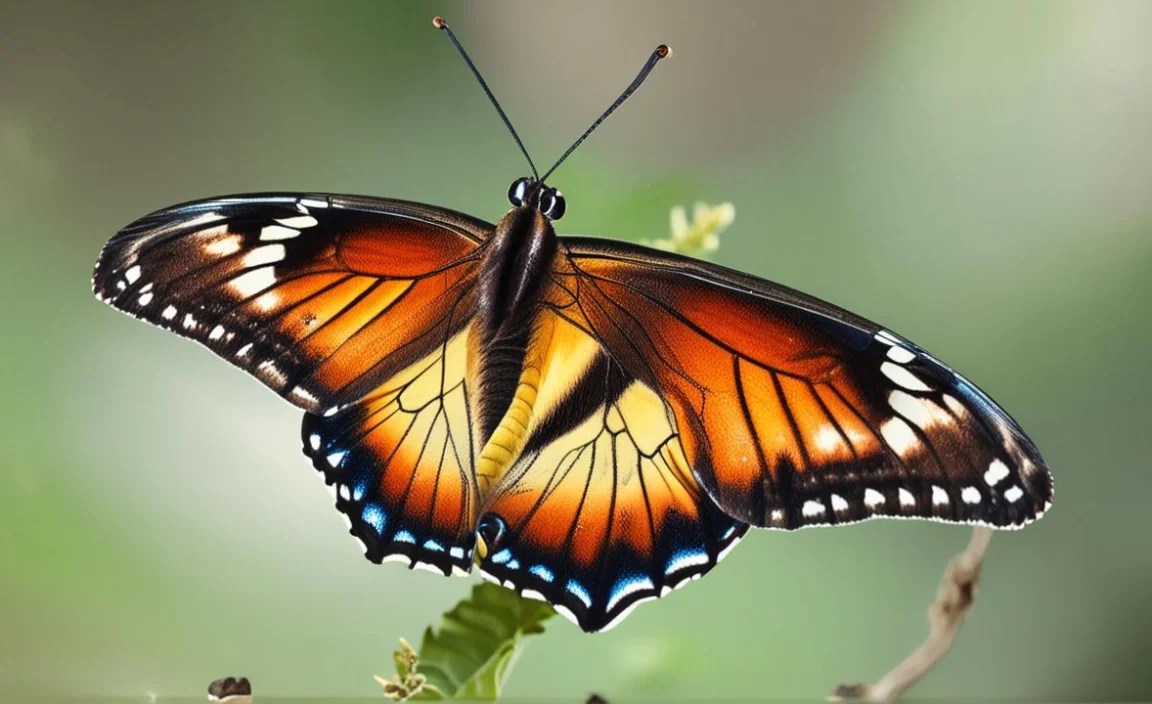
Let’s take a closer look at some specific butterfly species you’re likely to encounter in North America.
Monarch (Danaus plexippus)
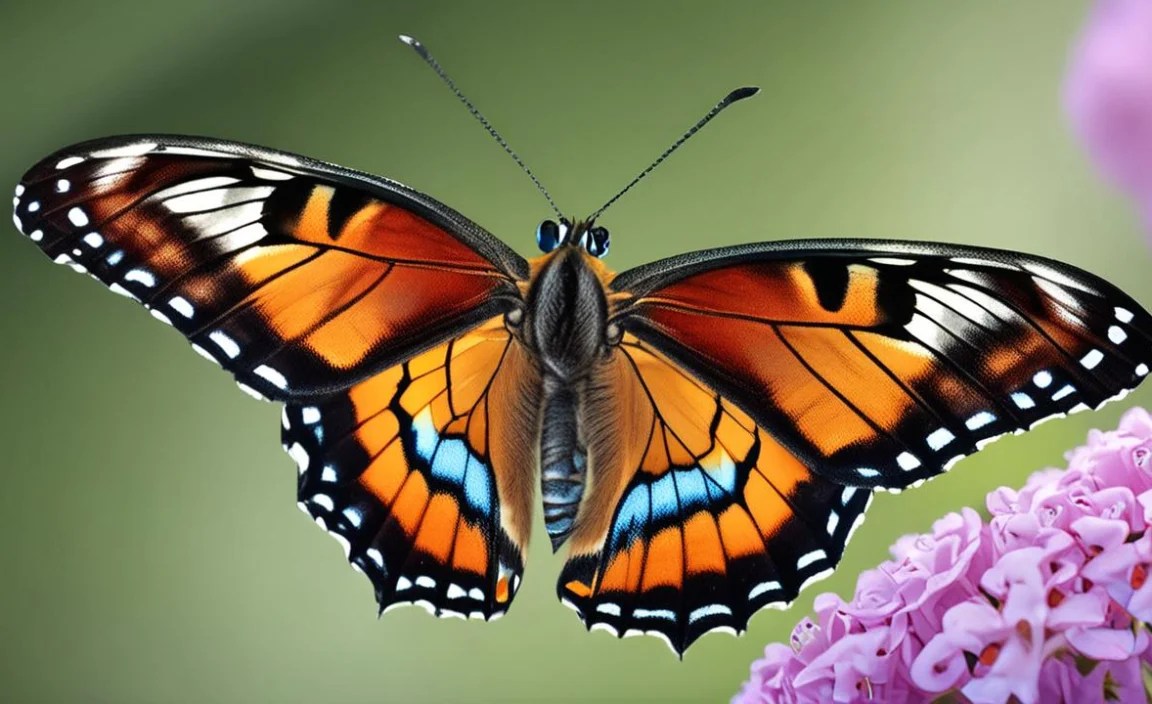
The Monarch is perhaps the most recognizable butterfly in North America, known for its incredible migration.
- Appearance: Bright orange wings with black veins and a black border containing white spots.
- Habitat: Open fields, meadows, and gardens where milkweed (their host plant) grows.
- Range: Found throughout North America, migrating between Canada and Mexico.
- Fun Fact: Monarch caterpillars feed exclusively on milkweed, which makes them poisonous to predators.
Eastern Tiger Swallowtail (Papilio glaucus)
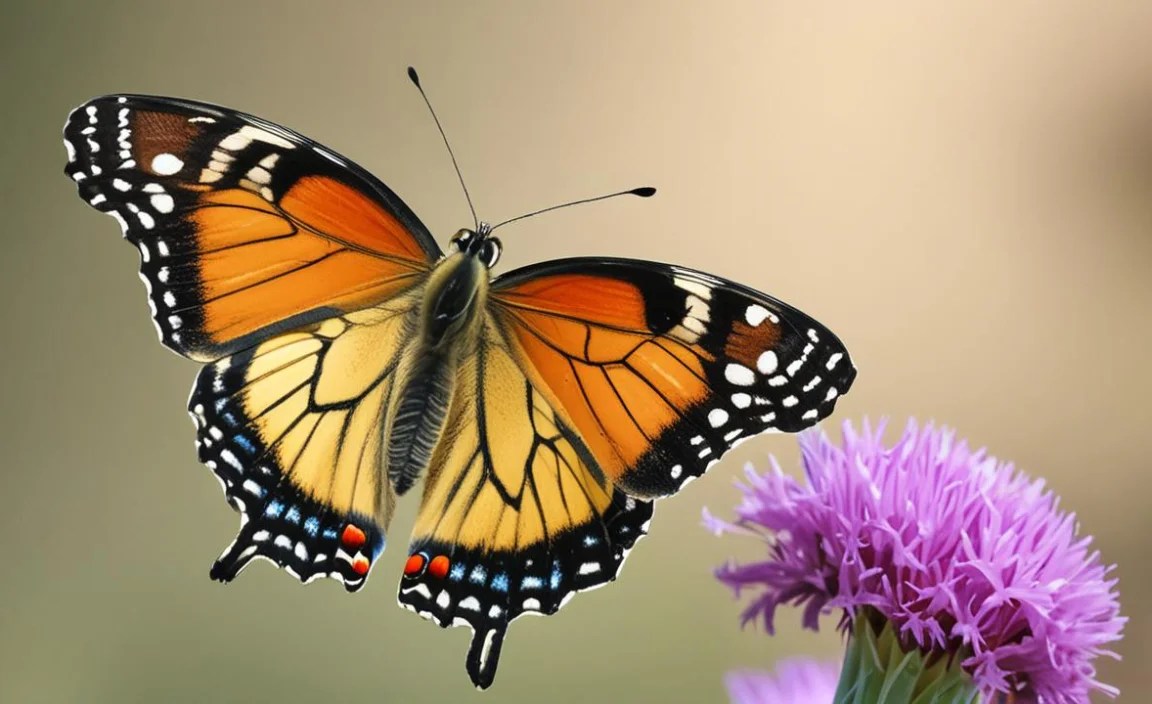
The Eastern Tiger Swallowtail is a large, striking butterfly found in eastern North America.
- Appearance: Yellow wings with black stripes, resembling a tiger. Females can also be black.
- Habitat: Woodlands, gardens, and river valleys.
- Range: Eastern North America, from Canada to Florida.
- Fun Fact: The caterpillars mimic bird droppings to avoid being eaten by predators.
Black Swallowtail (Papilio polyxenes)
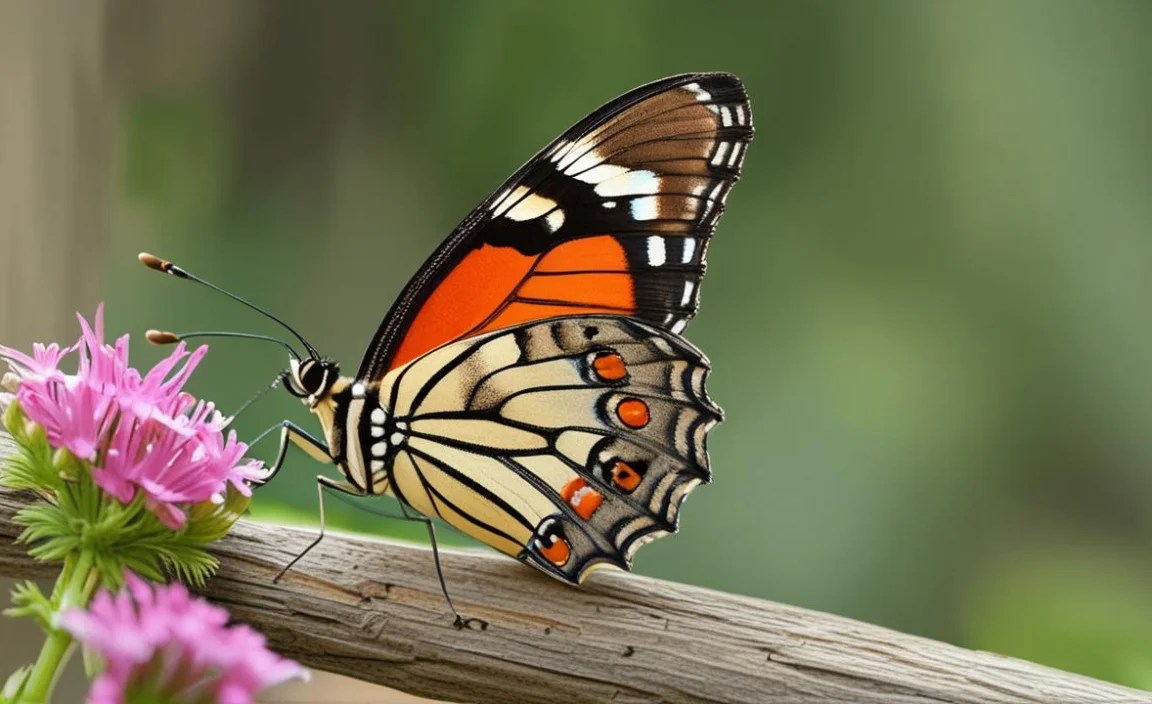
The Black Swallowtail is a beautiful butterfly with a preference for gardens and open areas.
- Appearance: Black wings with rows of yellow spots. Females have iridescent blue markings.
- Habitat: Gardens, fields, and open woodlands.
- Range: Throughout North America, except for the Pacific Northwest.
- Fun Fact: Caterpillars feed on plants in the parsley family, like dill and fennel.
Cabbage White (Pieris rapae)
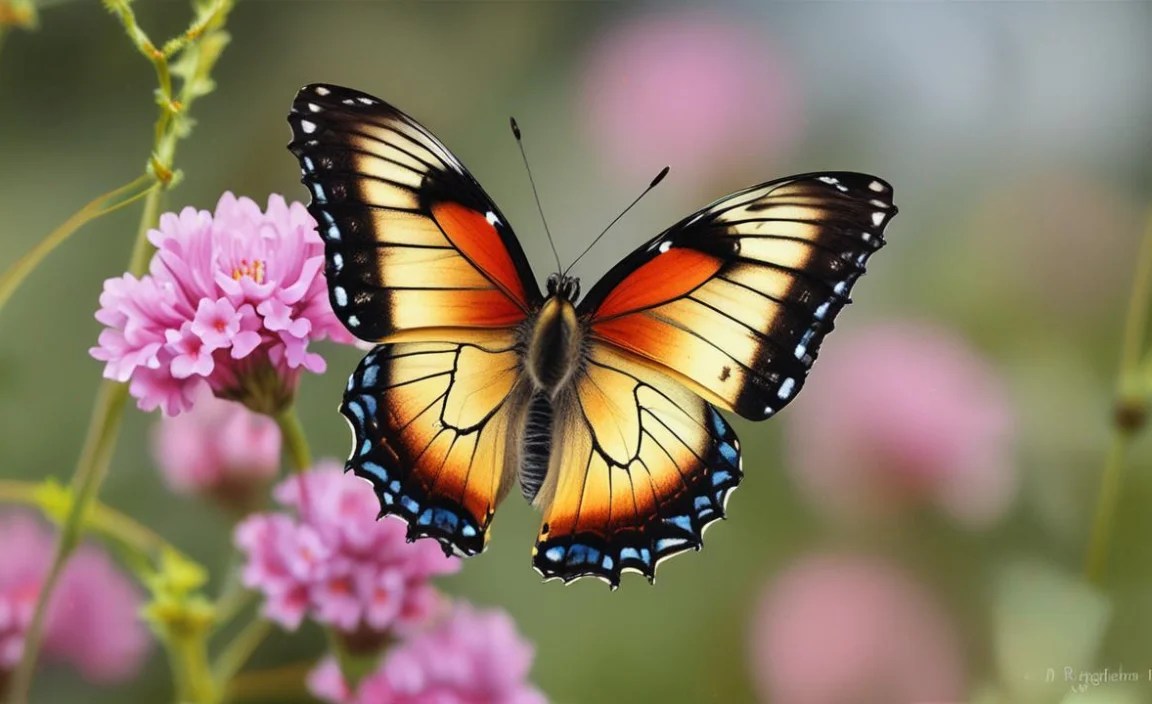
The Cabbage White is a common, often unwelcome, visitor to gardens.
- Appearance: White wings with small black spots.
- Habitat: Gardens, fields, and disturbed areas.
- Range: Throughout North America.
- Fun Fact: This butterfly is an introduced species from Europe and is considered a pest because its caterpillars feed on cabbage and other crops.
Clouded Sulphur (Colias philodice)
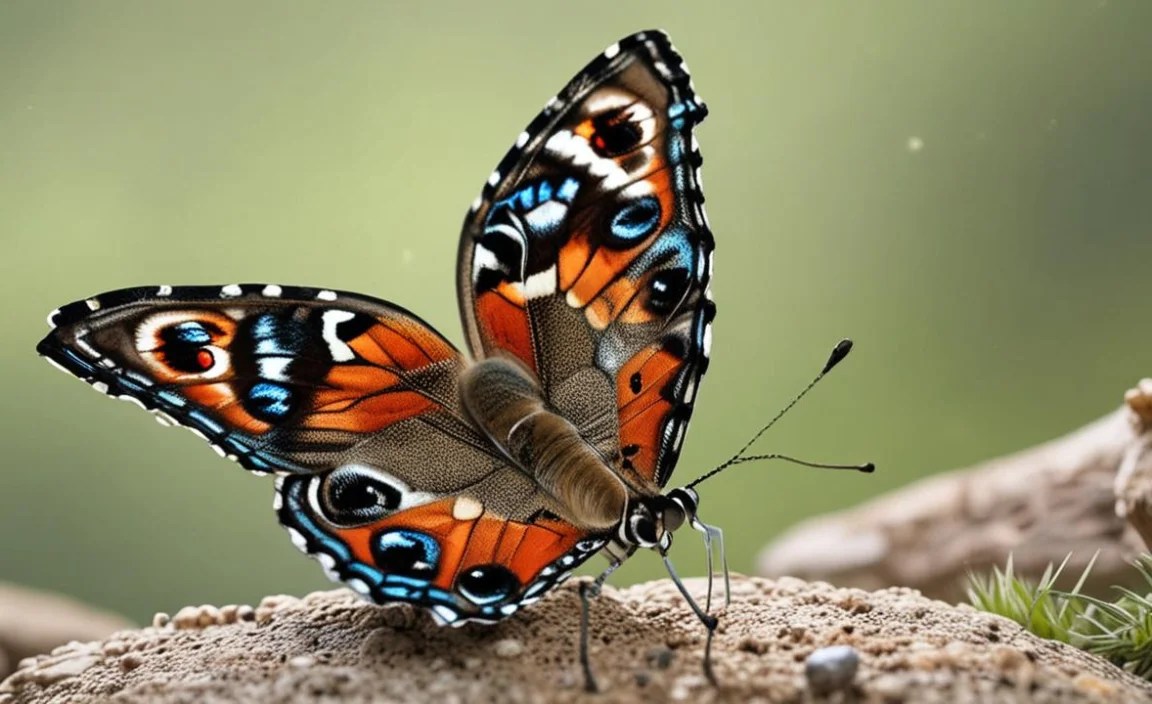
The Clouded Sulphur is a bright yellow butterfly often seen in fields and meadows.
- Appearance: Yellow wings with black borders. Females can be white.
- Habitat: Fields, meadows, and roadsides.
- Range: Throughout North America.
- Fun Fact: Caterpillars feed on legumes, like clover and alfalfa.
Viceroy (Limenitis archippus)
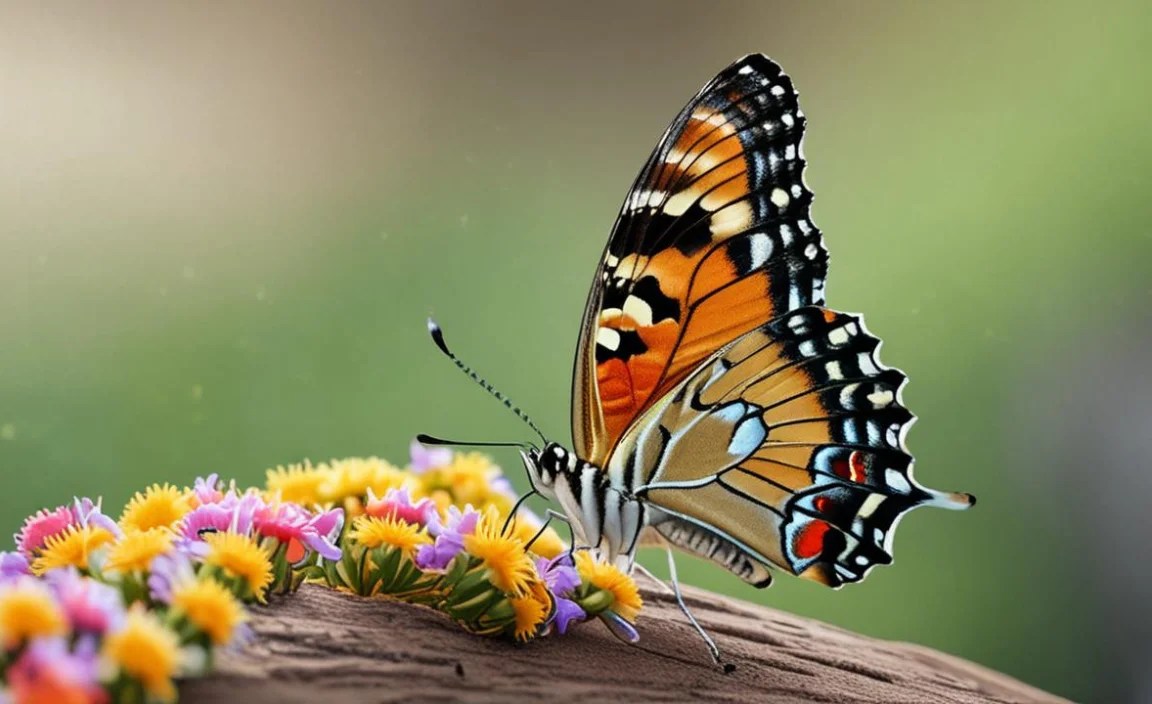
The Viceroy is a butterfly that mimics the Monarch in appearance.
- Appearance: Orange wings with black veins and a black border containing white spots, similar to the Monarch. A black line crosses the hindwing.
- Habitat: Wetlands, meadows, and woodlands.
- Range: Throughout North America.
- Fun Fact: The Viceroy was once thought to be a palatable mimic of the poisonous Monarch, but it is now known to be mildly poisonous itself.
Red Admiral (Vanessa atalanta)
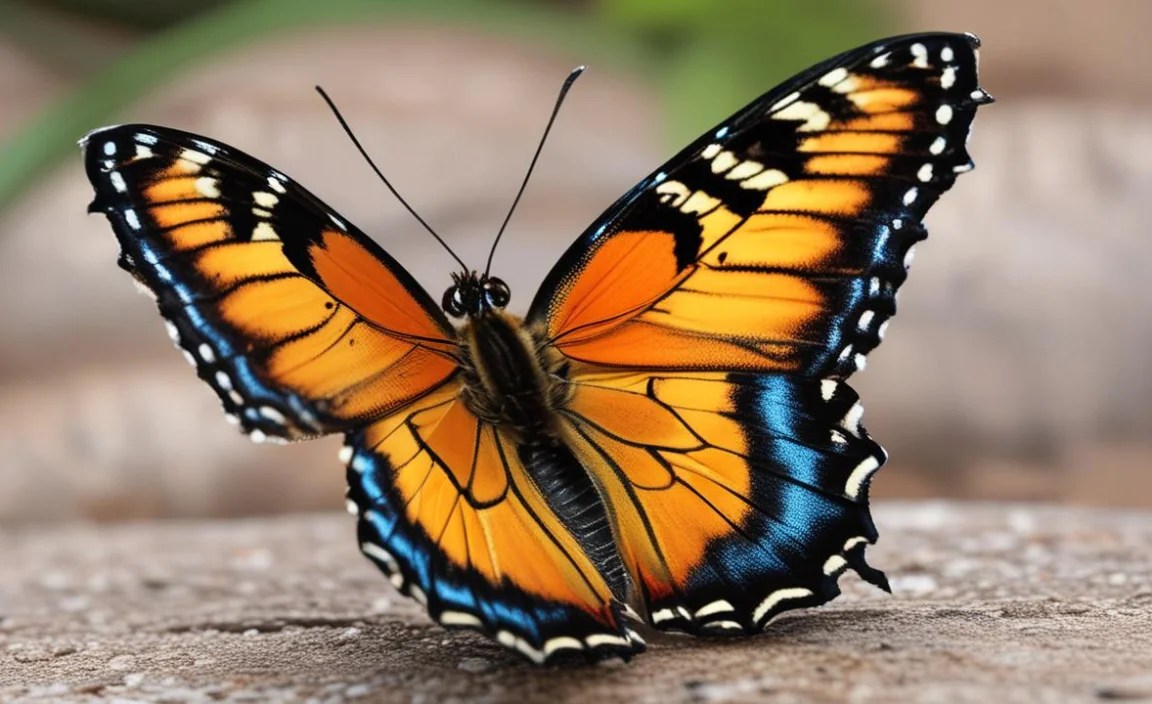
The Red Admiral is a striking butterfly with distinctive red markings.
- Appearance: Dark brown wings with red bands and white spots.
- Habitat: Gardens, woodlands, and parks.
- Range: Throughout North America.
- Fun Fact: Red Admirals are migratory butterflies, but their migration patterns are not as well-defined as those of Monarchs.
Painted Lady (Vanessa cardui)
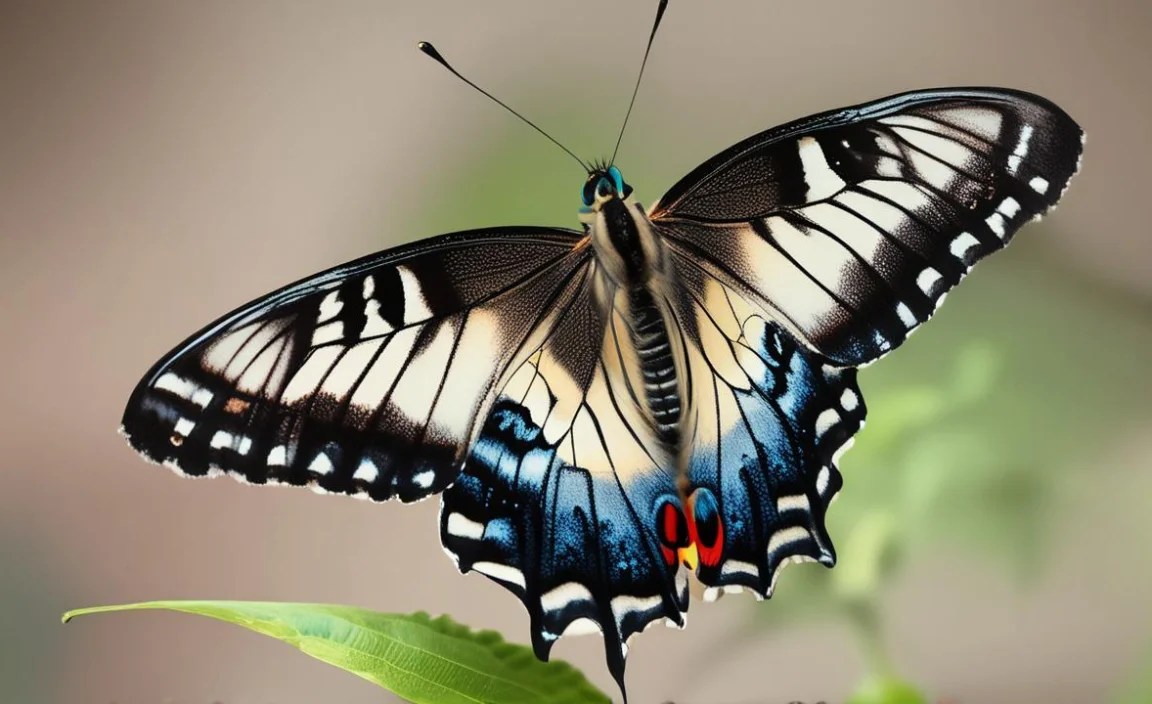
The Painted Lady is a widely distributed butterfly known for its migratory habits.
- Appearance: Orange and brown wings with black and white markings.
- Habitat: Open areas, gardens, and fields.
- Range: Found on every continent except Antarctica.
- Fun Fact: Painted Ladies are strong fliers and can travel long distances during their migrations.
American Lady (Vanessa virginiensis)

The American Lady is similar to the Painted Lady but has distinctive markings on its hindwings.
- Appearance: Orange and brown wings with black and white markings. Two large eyespots on the hindwing underside.
- Habitat: Open areas, gardens, and fields.
- Range: Throughout North America.
- Fun Fact: The caterpillars of the American Lady feed on plants in the aster family, like sunflowers and asters.
Spring Azure (Celastrina ladon)
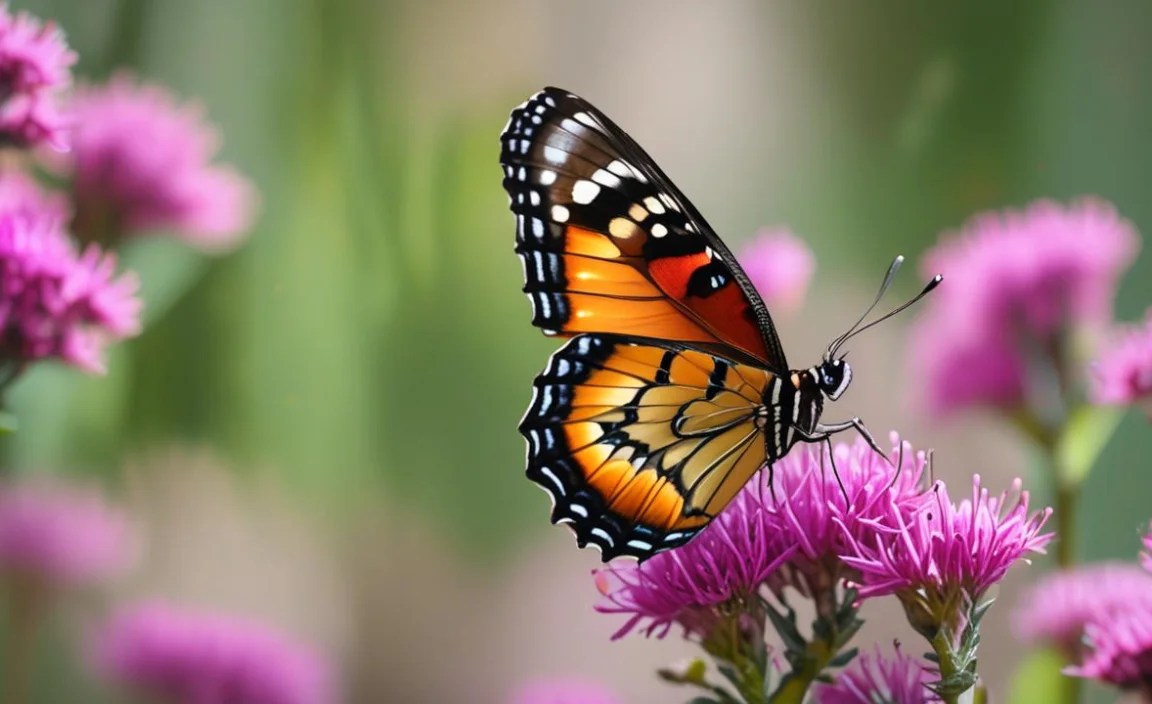
The Spring Azure is a small, delicate blue butterfly often seen in early spring.
- Appearance: Pale blue wings.
- Habitat: Woodlands and forests.
- Range: Throughout North America.
- Fun Fact: The Spring Azure has multiple broods per year, and the appearance of each brood can vary slightly.
Butterfly Identification Table
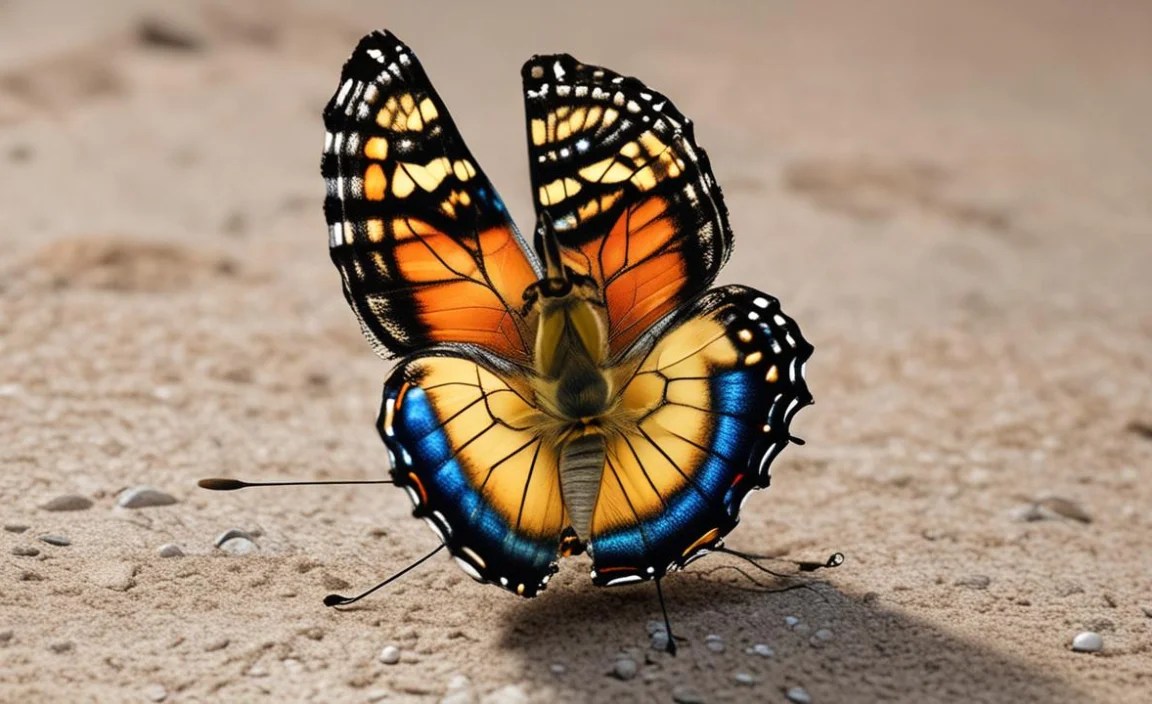
Here’s a table summarizing the key features of these common North American butterfly species:
| Species | Appearance | Habitat | Range |
|---|---|---|---|
| Monarch (Danaus plexippus) | Orange wings with black veins and white spots | Open fields, meadows, gardens | Throughout North America |
| Eastern Tiger Swallowtail (Papilio glaucus) | Yellow wings with black stripes; females can be black | Woodlands, gardens, river valleys | Eastern North America |
| Black Swallowtail (Papilio polyxenes) | Black wings with yellow spots; females have blue markings | Gardens, fields, open woodlands | Throughout North America (except Pacific Northwest) |
| Cabbage White (Pieris rapae) | White wings with small black spots | Gardens, fields, disturbed areas | Throughout North America |
| Clouded Sulphur (Colias philodice) | Yellow wings with black borders; females can be white | Fields, meadows, roadsides | Throughout North America |
| Viceroy (Limenitis archippus) | Orange wings with black veins and white spots; black line on hindwing | Wetlands, meadows, woodlands | Throughout North America |
| Red Admiral (Vanessa atalanta) | Dark brown wings with red bands and white spots | Gardens, woodlands, parks | Throughout North America |
| Painted Lady (Vanessa cardui) | Orange and brown wings with black and white markings | Open areas, gardens, and fields | Throughout North America |
| American Lady (Vanessa virginiensis) | Orange and brown wings with black and white markings; two large eyespots on the hindwing underside | Open areas, gardens, and fields | Throughout North America |
| Spring Azure (Celastrina ladon) | Pale blue wings | Woodlands and forests | Throughout North America |
Tips for Butterfly Identification
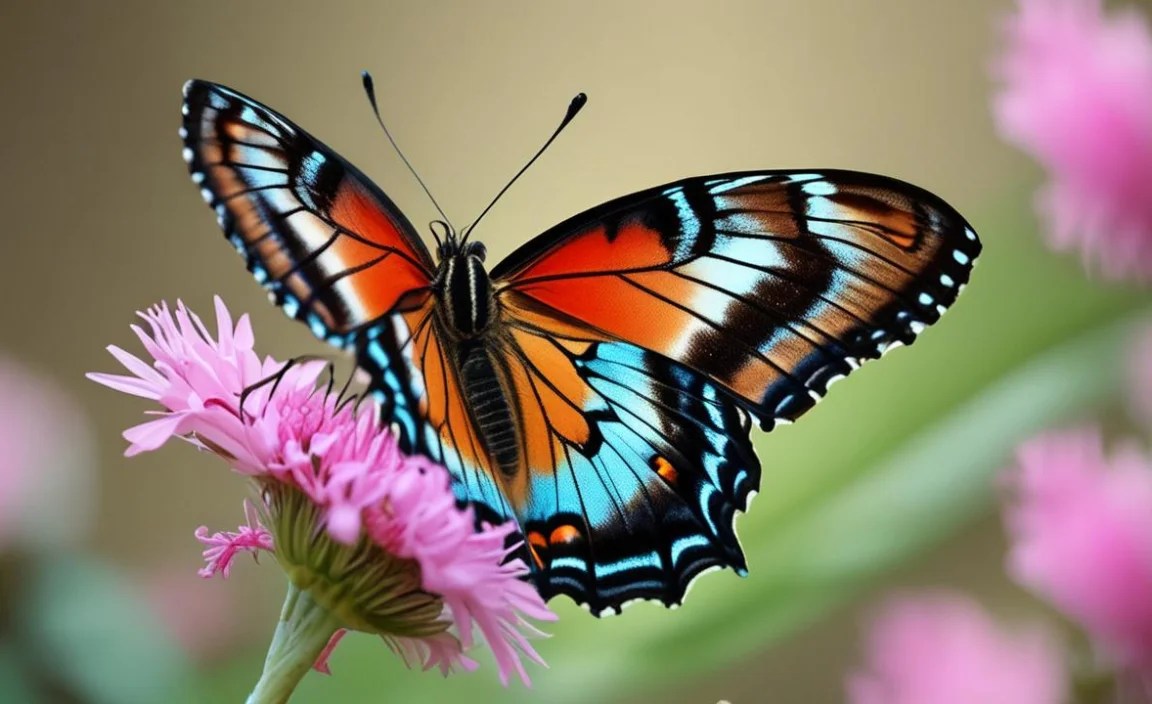
Identifying butterflies can be a rewarding experience. Here are some tips to help you:
- Observe the Size and Shape: Note the butterfly’s wingspan and body shape. Skippers, for example, are typically smaller and stouter than Swallowtails.
- Examine the Wing Patterns: Pay attention to the colors, spots, bands, and other markings on the wings. These patterns are often unique to each species.
- Consider the Habitat: Where did you see the butterfly? Different species prefer different habitats.
- Note the Behavior: How does the butterfly fly? What plants is it visiting? Some butterflies are fast fliers, while others glide gracefully.
- Use Field Guides and Apps: There are many excellent field guides and smartphone apps that can help you identify butterflies. The Audubon Butterfly Field Guide and apps like iNaturalist are great resources.
Attracting Butterflies to Your Garden

Creating a butterfly-friendly garden is a great way to support these important pollinators. Here’s how:
- Plant Host Plants: Provide plants that caterpillars can feed on. For Monarchs, this means planting milkweed. For Black Swallowtails, plant dill, parsley, or fennel.
- Plant Nectar Plants: Offer a variety of nectar-rich flowers to provide food for adult butterflies. Some favorites include butterfly bush, zinnias, and coneflowers.
- Provide a Water Source: Butterflies need water to stay hydrated. A shallow dish of water with pebbles for them to land on is perfect.
- Avoid Pesticides: Pesticides can harm or kill butterflies and other beneficial insects. Choose organic gardening methods instead.
- Provide Shelter: Plant trees and shrubs to offer butterflies protection from wind and predators.
The Importance of Butterfly Conservation

Butterflies play a crucial role in ecosystems as pollinators and indicators of environmental health. Many butterfly species are facing threats due to habitat loss, pesticide use, and climate change. Supporting butterfly conservation is essential for maintaining biodiversity and healthy ecosystems.
Here are some ways you can help:
- Create Butterfly-Friendly Habitats: Plant native host and nectar plants in your garden or community.
- Support Conservation Organizations: Donate to or volunteer with organizations that work to protect butterflies and their habitats, such as the Xerces Society.
- Reduce Pesticide Use: Choose organic gardening methods and avoid using pesticides that can harm butterflies.
- Educate Others: Share your knowledge and passion for butterflies with friends, family, and community members.
- Citizen Science: Participate in butterfly monitoring programs to help track populations and identify conservation needs. The North American Butterfly Association (NABA) offers many opportunities. NABA Website
Butterfly Symbolism and Cultural Significance

Butterflies have captivated human imagination for centuries, symbolizing transformation, hope, and beauty. In many cultures, butterflies are seen as symbols of the soul or spirit. Their metamorphosis from caterpillar to chrysalis to butterfly represents personal growth and rebirth.
Here’s how butterflies are perceived in different cultures:
- Greek Mythology: The Greek word for butterfly is “psyche,” which also means soul. Butterflies were often depicted in art and literature as symbols of the human soul.
- Chinese Culture: Butterflies are associated with love, joy, and marital bliss. They are often given as gifts to newlyweds.
- Native American Cultures: Butterflies are seen as messengers of the spirit world and symbols of transformation and healing.
- Christian Symbolism: The butterfly’s life cycle is often used to represent the resurrection of Christ and the transformation of the soul.
Resources for Further Learning
Want to learn more about North American butterflies? Here are some valuable resources:
- The Xerces Society: A non-profit organization dedicated to protecting invertebrates and their habitats. Xerces Society Website
- North American Butterfly Association (NABA): An organization that promotes butterfly conservation and education. NABA Website
- Audubon Butterfly Field Guide: A comprehensive guide to identifying butterflies in North America.
- iNaturalist: A citizen science app that allows you to identify and record your observations of plants and animals, including butterflies. iNaturalist Website
Frequently Asked Questions (FAQ)
Here are some common questions about North American butterflies:
What is the most common butterfly in North America?

The Cabbage White is one of the most common butterflies in North America. It can be found in gardens, fields, and disturbed areas throughout the continent.
How can I attract Monarch butterflies to my garden?

To attract Monarch butterflies, plant milkweed, their host plant. Also, provide nectar-rich flowers like butterfly bush, zinnias, and coneflowers.
What do butterfly caterpillars eat?
Butterfly caterpillars have specific host plants. For example, Monarch caterpillars eat milkweed, while Black Swallowtail caterpillars eat plants in the parsley family, like dill and fennel.
Are butterflies important for the environment?
Yes, butterflies are important pollinators. They help transfer pollen from one flower to another, which is essential for plant reproduction. They also serve as food for birds and other animals.
How long do butterflies live?
The lifespan of a butterfly varies depending on the species. Some butterflies live only a few weeks, while others, like Monarchs, can live for several months.
What is the difference between a butterfly and a moth?
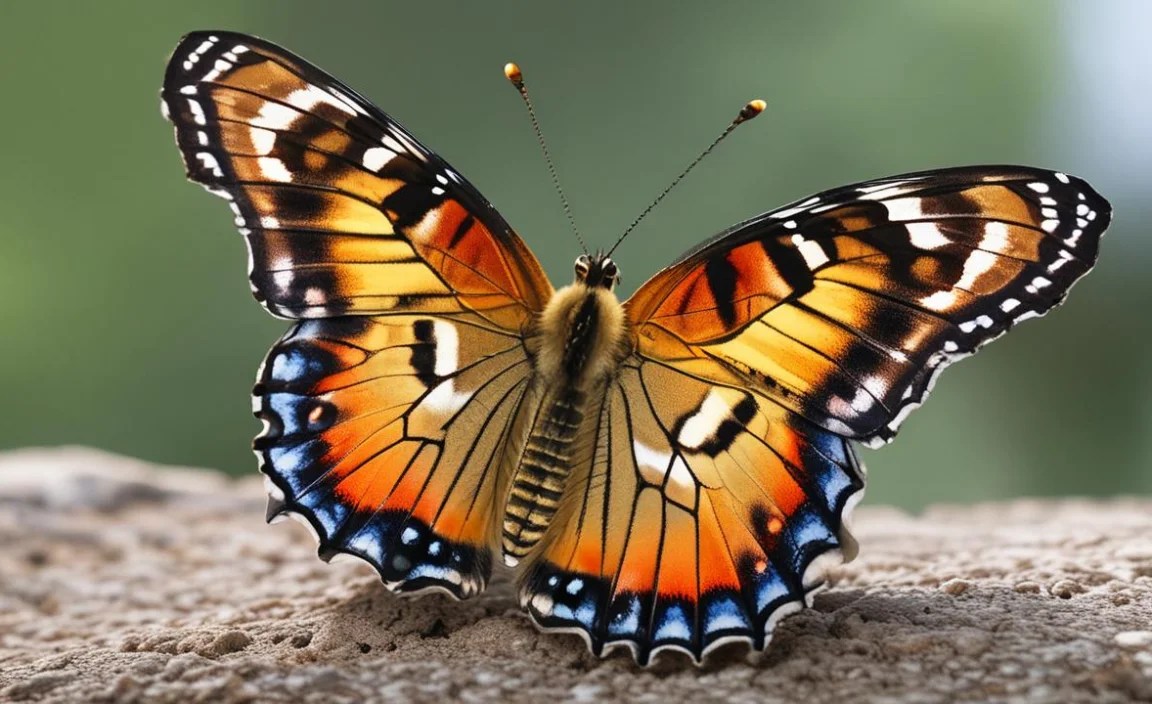
Butterflies are typically active during the day, have brightly colored wings, and hold their wings upright when at rest. Moths are often active at night, have duller-colored wings, and hold their wings flat when at rest. Butterflies also have clubbed antennae, while moths have feathery or comb-like antennae.
Why are butterfly populations declining?
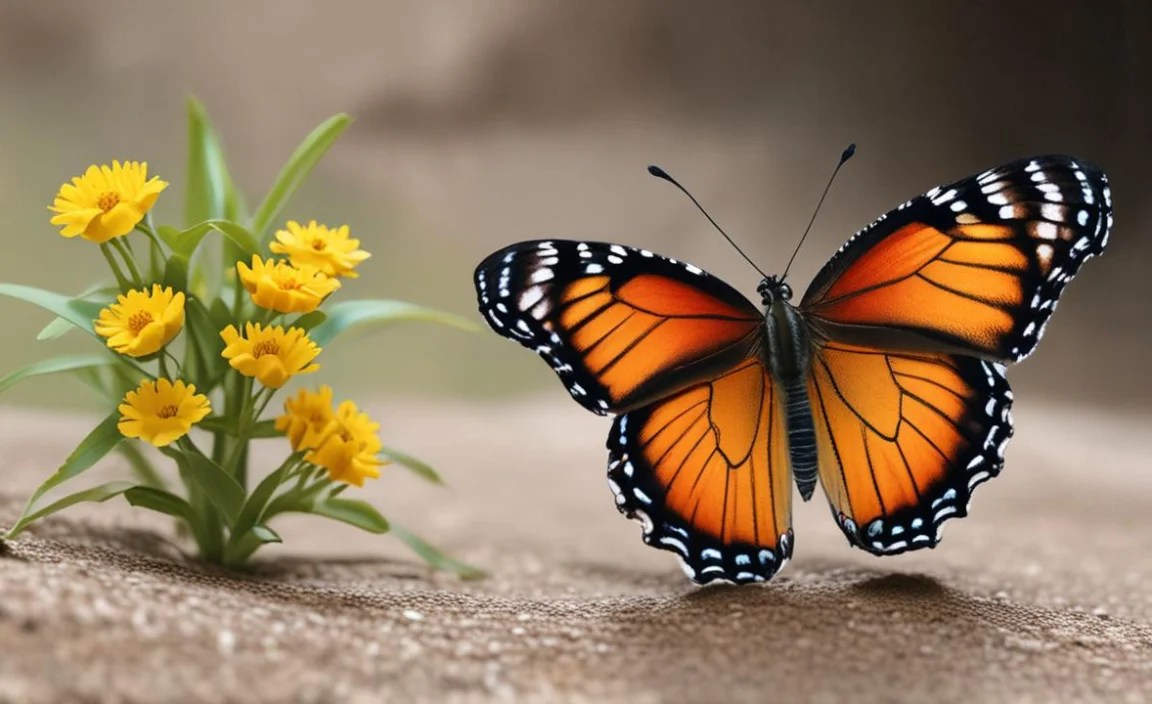
Butterfly populations are declining due to habitat loss, pesticide use, climate change, and disease. Protecting and restoring their habitats, reducing pesticide use, and supporting conservation efforts can help reverse this trend.
Conclusion
Exploring the world of North American butterfly species is a journey filled with beauty and wonder. By learning to identify these fascinating creatures and understanding their ecological importance, you can contribute to their conservation and enjoy the magic they bring to our world. Whether you’re a seasoned naturalist or a curious beginner, there’s always something new to discover about butterflies. So, grab your field guide, head outside, and start exploring!


