Bush Brown Butterfly Species: The Ultimate Guide

The bush brown butterfly is a common sight in many parts of the world, known for its earthy tones and adaptable nature. Identifying specific bush brown species can be tricky due to their subtle differences, but observing key markings, habitat, and behavior will help you distinguish them.
Have you ever been captivated by a small, brown butterfly flitting through the bushes, wondering what kind it is? Bush brown butterflies are masters of camouflage, blending seamlessly into their surroundings. While their understated beauty is charming, identifying the specific species can be a bit of a puzzle. Don’t worry, you’re not alone! Many butterfly enthusiasts find these little browns a challenge. This guide will walk you through the key characteristics to look for, helping you confidently identify different bush brown butterflies. Get ready to discover the hidden details that make each species unique and fascinating.
Understanding Bush Brown Butterflies
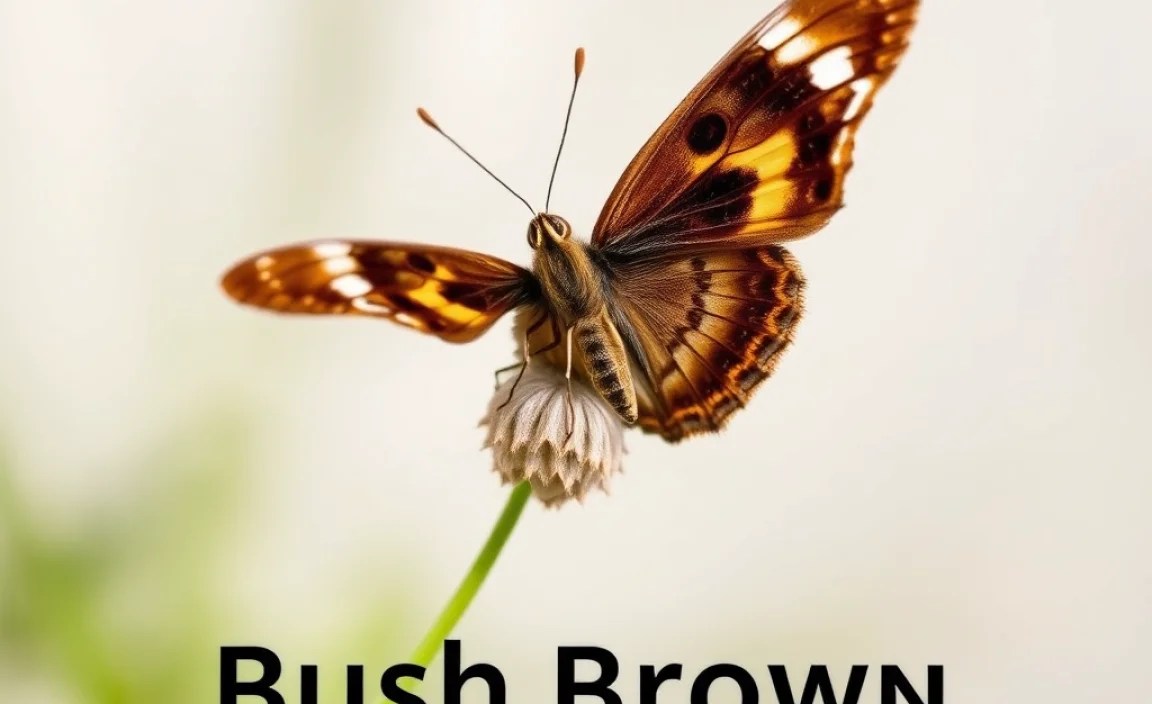
Bush brown butterflies belong to the Nymphalidae family, also known as brush-footed butterflies. This large family includes many familiar species, such as monarchs and admirals. Bush browns are typically small to medium-sized, with a wingspan ranging from 1 to 2.5 inches. They are found in a variety of habitats, from forests and woodlands to grasslands and gardens, often near shrubs and bushes, hence their name.
General Characteristics
Before diving into specific species, let’s review the general traits that define bush brown butterflies:
- Coloration: Predominantly brown, with varying shades and patterns.
- Size: Small to medium, with a delicate appearance.
- Flight: Often low to the ground, with a fluttering or skipping motion.
- Habitat: Found in diverse environments, favoring areas with dense vegetation.
- Markings: Eyespots (small, circular markings) are common, providing camouflage and deterring predators.
Key Features for Identification
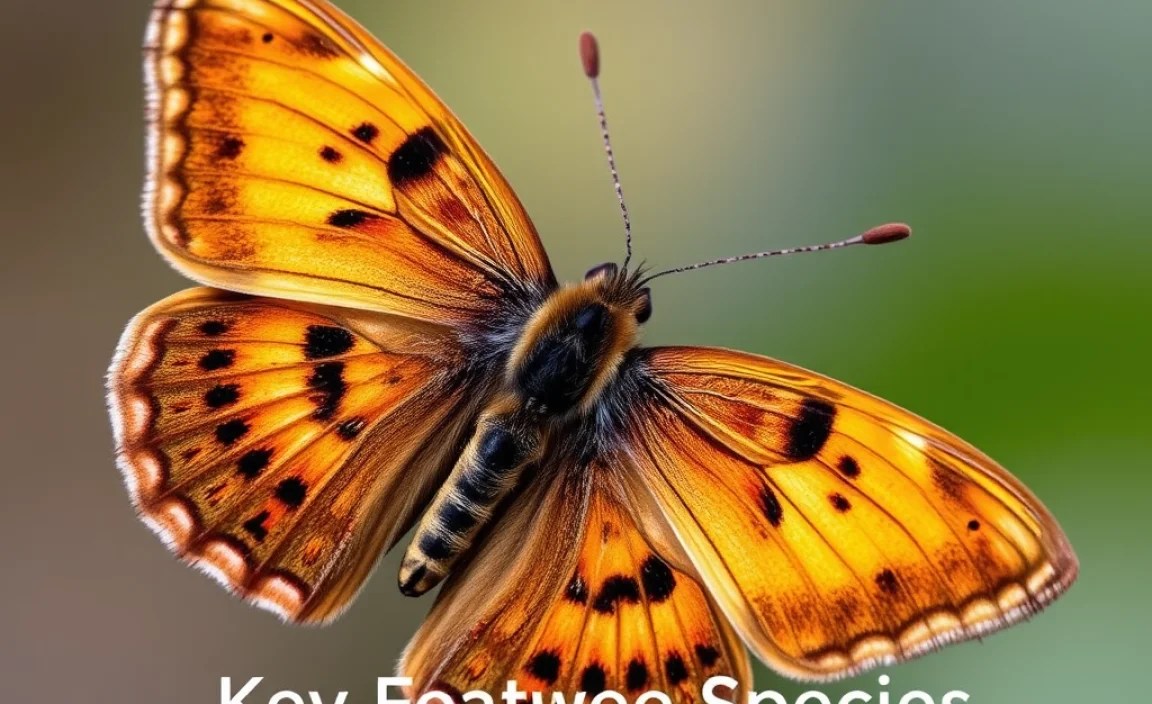
Identifying bush brown butterflies requires a keen eye and attention to detail. Here are the primary features to focus on:
- Wing Shape and Size: Note the overall shape of the wings and their size relative to the butterfly’s body.
- Color Patterns: Pay close attention to the arrangement and intensity of colors on both the upper and lower wing surfaces.
- Eyespots: Observe the number, size, and location of eyespots.
- Habitat: Consider the butterfly’s preferred habitat, as this can narrow down the possibilities.
- Behavior: Watch how the butterfly flies, feeds, and rests.
Common Bush Brown Butterfly Species

Let’s explore some of the more commonly encountered bush brown butterfly species.
1. Common Bush Brown (Mycalesis perseus)
The Common Bush Brown is widespread and frequently seen. Here’s how to identify it:
- Appearance: Light to medium brown with a series of small eyespots along the edge of the hindwing.
- Eyespots: Typically five to six eyespots on the hindwing.
- Habitat: Open grassy areas, gardens, and lightly wooded regions.
- Range: Found across South Asia and Australia.
- Flight Period: Throughout the year in warmer climates.
2. Dark Bush Brown (Mycalesis mineus)
The Dark Bush Brown is similar to the Common Bush Brown but has some distinct differences:
- Appearance: Darker brown overall compared to the Common Bush Brown.
- Eyespots: Usually fewer eyespots, often three to five, and they may be less distinct.
- Habitat: Denser forests and shaded areas.
- Range: Found in Southeast Asia and parts of India.
- Flight Period: Most active during the monsoon season.
3. Glad-eye Bush Brown (Mycalesis patiana)
The Glad-eye Bush Brown has unique markings that set it apart:
- Appearance: Medium brown with prominent, large eyespots.
- Eyespots: Characterized by a large, distinct eyespot on the forewing.
- Habitat: Forest edges and clearings.
- Range: Found in the Philippines.
- Flight Period: Year-round.
4. Orange Bush Brown (Mycalesis igoleta)
The Orange Bush Brown can be distinguished by its orange hue:
- Appearance: Brown with an orange tint, especially on the underside of the wings.
- Eyespots: Small, but well-defined eyespots.
- Habitat: Forested areas.
- Range: Endemic to the Philippines.
- Flight Period: Throughout the year.
5. Dingy Bush Brown (Mycalesis maianeas)
The Dingy Bush Brown is one of the plainer species:
- Appearance: A dull, light brown colour, with the wing edges a slightly darker brown.
- Eyespots: Very small, indistinct eyespots.
- Habitat: Grassy areas.
- Range: Endemic to Australia.
- Flight Period: Spring to Autumn.
Detailed Identification Guide
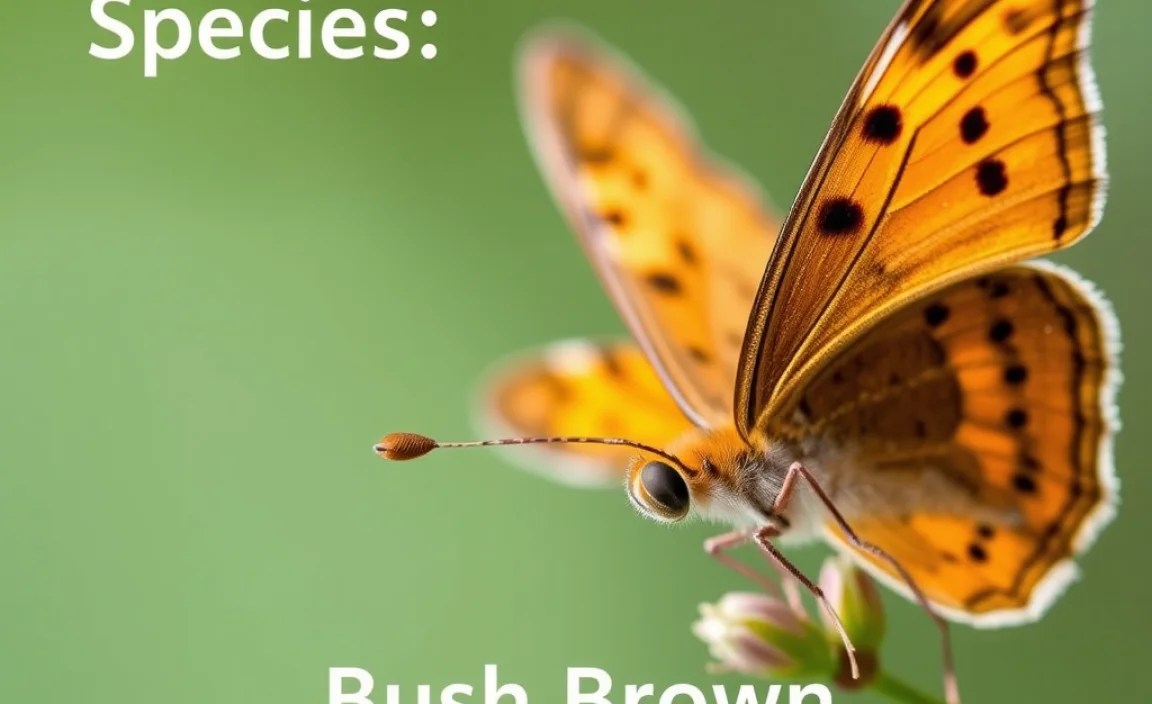
To accurately identify bush brown butterflies, consider the following steps:
Step 1: Observe the Wing Shape
Examine the shape of the wings. Are they rounded or more angular? Note any distinct features, such as elongated tips or scalloped edges. This will help narrow down the possibilities.
Step 2: Analyze Color Patterns
Carefully study the color patterns on both the upper and lower wing surfaces. Pay attention to the shades of brown and any contrasting markings. Are there bands, spots, or streaks? Note their color, size, and arrangement.
Step 3: Count and Describe Eyespots
Eyespots are a crucial identification feature. Count the number of eyespots on each wing and describe their size, shape, and location. Are they large and prominent, or small and faint? Do they have distinct pupils or are they just simple dots?
Step 4: Consider the Habitat
The habitat where you found the butterfly can provide valuable clues. Was it in a dense forest, an open field, or a garden? Different species prefer different environments. Check the known habitat preferences of various bush brown species in your region.
Step 5: Observe Behavior
Pay attention to the butterfly’s behavior. How does it fly? What flowers does it visit? Does it prefer sun or shade? These observations can further aid in identification.
Step 6: Use Field Guides and Online Resources
Field guides and online resources are invaluable tools for butterfly identification. Look for guides specific to your region, as they will include detailed descriptions and photographs of local species. Websites like Butterflies and Moths of North America and iNaturalist are excellent resources.
Comparative Analysis of Bush Brown Species

To further illustrate the differences between bush brown species, here’s a comparative table:
| Species | Appearance | Eyespots | Habitat | Range |
|---|---|---|---|---|
| Common Bush Brown (Mycalesis perseus) | Light to medium brown | 5-6 small eyespots | Open grassy areas, gardens | South Asia, Australia |
| Dark Bush Brown (Mycalesis mineus) | Darker brown | 3-5 less distinct eyespots | Denser forests | Southeast Asia, India |
| Glad-eye Bush Brown (Mycalesis patiana) | Medium brown | Large eyespot on forewing | Forest edges, clearings | Philippines |
| Orange Bush Brown (Mycalesis igoleta) | Brown with orange tint | Small, well-defined eyespots | Forested areas | Philippines |
| Dingy Bush Brown (Mycalesis maianeas) | Dull, light brown | Very small, indistinct eyespots | Grassy areas | Australia |
Attracting Bush Brown Butterflies to Your Garden
Creating a butterfly-friendly garden is a rewarding way to observe these fascinating creatures up close. Here are some tips to attract bush brown butterflies:
- Plant Host Plants: Bush browns often feed on grasses. Incorporate native grasses into your garden to provide food for caterpillars.
- Provide Nectar Sources: Plant a variety of nectar-rich flowers that bloom throughout the growing season. Some favorites include lantana, butterfly bush, and zinnias.
- Offer Shelter: Provide shrubs and bushes for shelter and protection from predators.
- Avoid Pesticides: Pesticides can harm or kill butterflies and other beneficial insects. Opt for natural pest control methods.
- Provide Water: Butterflies need water to stay hydrated. Create a shallow dish of water with pebbles or sand for them to land on.
Conservation Concerns
While many bush brown butterfly species are relatively common, some face threats due to habitat loss, pesticide use, and climate change. Supporting conservation efforts is crucial to protect these delicate creatures and their habitats. Here are some ways you can help:
- Support Butterfly Conservation Organizations: Donate to or volunteer with organizations dedicated to butterfly conservation. The Xerces Society is a leading organization focused on invertebrate conservation.
- Create Butterfly-Friendly Habitats: Plant native plants in your garden or community to provide food and shelter for butterflies.
- Reduce Pesticide Use: Avoid using pesticides in your garden and encourage others to do the same.
- Educate Others: Share your knowledge and passion for butterflies with friends, family, and community members.
- Advocate for Conservation Policies: Support policies that protect butterfly habitats and promote sustainable land management practices.
The Broader Ecological Role of Bush Brown Butterflies
Bush brown butterflies, while small, play a significant role in their ecosystems. As pollinators, they help transfer pollen from flower to flower, aiding in plant reproduction. This pollination is vital for maintaining plant diversity and supporting food webs. Additionally, bush brown caterpillars serve as a food source for various birds, reptiles, and other insects, contributing to the overall biodiversity of their habitats.
Bush Brown Butterflies in Culture and Symbolism
Butterflies, in general, hold deep cultural and symbolic meanings across various societies. They often represent transformation, rebirth, and the beauty of nature. While bush brown butterflies may not be as prominently featured in folklore as some of their more colorful relatives, their presence is still significant.
- Transformation: The metamorphosis from caterpillar to butterfly symbolizes personal growth and change.
- Resilience: The ability of bush browns to thrive in diverse environments reflects adaptability and resilience.
- Nature’s Beauty: Their understated beauty reminds us to appreciate the subtle wonders of the natural world.
Frequently Asked Questions
Here are some frequently asked questions about bush brown butterflies:
What do bush brown caterpillars eat?
Bush brown caterpillars primarily feed on grasses. Different species may have specific grass preferences, so providing a variety of native grasses in your garden is beneficial.
How long do bush brown butterflies live?
The lifespan of a bush brown butterfly varies depending on the species and environmental conditions. Generally, they live for a few weeks to a few months as adults.
Are bush brown butterflies migratory?
Most bush brown butterflies are not migratory. They typically stay within a relatively small area throughout their lives.
How can I tell the difference between male and female bush brown butterflies?
In some species, males and females may have slightly different wing patterns or coloration. However, this can be subtle and difficult to discern. Observing their behavior can also provide clues, as males may be more active in seeking out mates.
What is the best time of day to see bush brown butterflies?
Bush brown butterflies are most active during the warmer parts of the day, typically from mid-morning to late afternoon. They prefer sunny conditions but may also be seen in lightly shaded areas.
Are bush brown butterflies endangered?
While some bush brown butterfly species may face localized threats, most are not currently considered endangered. However, habitat loss and pesticide use can negatively impact their populations, so conservation efforts are important.
How do bush brown butterflies protect themselves from predators?
Bush brown butterflies rely on camouflage to blend in with their surroundings and avoid detection by predators. Their eyespots can also startle or distract predators, giving them a chance to escape.
Conclusion
Identifying bush brown butterflies can be a rewarding experience, allowing you to appreciate the subtle beauty and diversity of these often-overlooked creatures. By paying close attention to wing shape, color patterns, eyespots, habitat, and behavior, you can confidently distinguish between different species. Creating butterfly-friendly habitats and supporting conservation efforts will help ensure that these fascinating insects continue to thrive for generations to come. So, grab your field guide, head outdoors, and start exploring the world of bush brown butterflies!