
Butterfly Genus Comparison: Find Your Perfect Species

Quick Summary:
Comparing butterfly genera helps us understand their unique traits. Each genus, like Danaus (Monarchs) and Papilio (Swallowtails), has distinct characteristics. Key differences include wing patterns, sizes, host plants, and geographical distribution. Knowing these differences aids in identification and understanding butterfly evolution and ecology.
Have you ever been mesmerized by a butterfly flitting through your garden, wondering what kind it is? Identifying butterflies can be tricky because there are so many different types. But don’t worry! Understanding the different butterfly genera is a great way to start. It’s like learning the families in the butterfly world.
This guide will walk you through comparing different butterfly genera. We’ll look at their unique features, where they live, and what plants they love. Ready to become a butterfly expert? Let’s dive in and explore the amazing world of butterflies together!
What is a Butterfly Genus?
Think of a butterfly genus as a family name. Just like people have family names that group them together, butterflies are grouped into genera based on shared characteristics. This helps scientists organize and understand the relationships between different types of butterflies.
Each genus contains several species that are closely related. For example, the genus Danaus includes the Monarch butterfly (Danaus plexippus) and other similar species. By comparing different genera, we can learn about the incredible diversity of butterflies and how they have evolved over time.
Why Compare Butterfly Genera?
Comparing butterfly genera isn’t just for scientists. It’s a fun and useful way for anyone to learn more about these beautiful creatures. Here’s why you might want to compare them:
- Identification: Knowing the characteristics of different genera makes it easier to identify butterflies you see in your backyard or on a hike.
- Understanding Ecology: Different genera often have different host plants (the plants their caterpillars eat) and habitats. Comparing them helps us understand their ecological roles.
- Conservation: By understanding the needs of different butterfly genera, we can better protect them and their habitats.
- Appreciation: Learning about the unique features of each genus deepens our appreciation for the diversity and beauty of the butterfly world.
Key Characteristics to Compare
When comparing butterfly genera, there are several key characteristics to look at. These include:
- Wing Patterns and Colors: Butterfly wings come in a dazzling array of colors and patterns. These can vary greatly between genera.
- Size: Some genera contain very large butterflies, while others contain small ones.
- Shape: The shape of the wings and body can also differ between genera.
- Host Plants: The plants that caterpillars eat are often specific to a particular genus.
- Geographical Distribution: Some genera are found worldwide, while others are restricted to certain regions.
- Behavior: Differences in flight patterns and other behaviors can also help distinguish between genera.
Comparing Popular Butterfly Genera
Let’s take a closer look at some popular butterfly genera and compare their key characteristics.
Danaus (Monarchs and Queens)
The genus Danaus is famous for the Monarch butterfly (Danaus plexippus), known for its long migration. These butterflies are found in North and South America, as well as parts of Europe and Asia. Monarchs are known for their striking orange and black wings.
- Wing Patterns and Colors: Bright orange with black veins and a black border containing white spots.
- Size: Medium to large.
- Host Plants: Milkweed (Asclepias spp.).
- Geographical Distribution: North and South America, parts of Europe and Asia.
- Migration: Known for their long-distance migration. You can learn more about their epic journeys from resources like the National Geographic website.
Papilio (Swallowtails)
Papilio is a large and diverse genus of swallowtail butterflies. They are found worldwide, with many species in tropical regions. Swallowtails are known for their distinctive tails on their hindwings.
- Wing Patterns and Colors: Highly variable, often with black, yellow, and blue markings. Some have iridescent scales.
- Size: Large.
- Host Plants: Various, including citrus, spicebush, and tulip trees.
- Geographical Distribution: Worldwide.
- Distinctive Features: Presence of “tails” on the hindwings.
Pieris (Whites)
Pieris butterflies, often called “whites,” are a common sight in gardens and fields. They are found in Europe, Asia, and North America. The Cabbage White (Pieris rapae) is a well-known species in this genus.
- Wing Patterns and Colors: Mostly white with black markings.
- Size: Small to medium.
- Host Plants: Cabbage, broccoli, and other cruciferous plants.
- Geographical Distribution: Europe, Asia, North America.
- Ecological Impact: Some species are considered agricultural pests.
Vanessa (Painted Ladies and Admirals)
The genus Vanessa includes the Painted Lady (Vanessa cardui) and various admiral butterflies. They are found worldwide and are known for their migratory behavior.
- Wing Patterns and Colors: Orange, brown, and black with intricate patterns.
- Size: Medium.
- Host Plants: Thistles, nettles, and other herbaceous plants.
- Geographical Distribution: Worldwide.
- Migration: Many species are migratory.
Lycaena (Coppers)
Lycaena butterflies, known as “coppers,” are small and often brightly colored. They are found in North America, Europe, and Asia. Their metallic sheen is a key identifying feature.
- Wing Patterns and Colors: Copper, orange, or red with metallic sheen.
- Size: Small.
- Host Plants: Various, including docks and sorrels.
- Geographical Distribution: North America, Europe, Asia.
- Habitat: Often found in meadows and grasslands.
Detailed Comparison Table
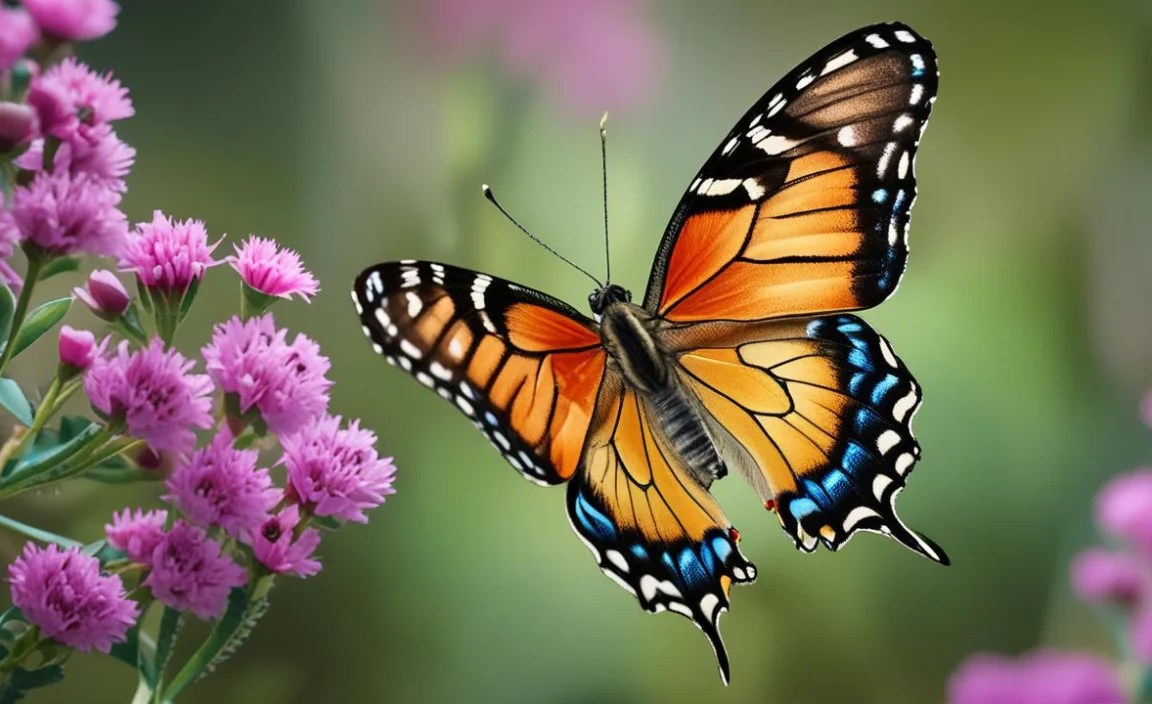
Here’s a table that summarizes the key differences between these butterfly genera:
| Genus | Wing Patterns and Colors | Size | Host Plants | Geographical Distribution | Distinctive Features |
|---|---|---|---|---|---|
| Danaus | Orange with black veins and white spots | Medium to Large | Milkweed | North and South America, parts of Europe and Asia | Long migration |
| Papilio | Variable, often black, yellow, and blue | Large | Citrus, spicebush, tulip trees | Worldwide | “Tails” on hindwings |
| Pieris | Mostly white with black markings | Small to Medium | Cabbage, broccoli | Europe, Asia, North America | Agricultural pests |
| Vanessa | Orange, brown, and black with intricate patterns | Medium | Thistles, nettles | Worldwide | Migratory behavior |
| Lycaena | Copper, orange, or red with metallic sheen | Small | Docks, sorrels | North America, Europe, Asia | Metallic sheen on wings |
How to Identify Butterflies by Genus
Now that you know the key characteristics of different butterfly genera, here’s how to use that knowledge to identify butterflies you see in the wild:
- Observe the Wing Patterns and Colors: Note the colors and patterns on the butterfly’s wings. Are they bright and bold, or muted and subtle?
- Estimate the Size: Is the butterfly small, medium, or large? This can help narrow down the possibilities.
- Identify the Host Plant: If you see a caterpillar, try to identify the plant it’s eating. This can provide a clue to the butterfly’s genus.
- Consider the Location: Where are you seeing the butterfly? Some genera are more common in certain regions than others.
- Use a Field Guide: A good butterfly field guide can be an invaluable tool for identification.
- Take a Photo: If you’re unsure, take a photo and compare it to images online or in a field guide.
Tips for Attracting Butterflies from Different Genera
Want to attract more butterflies to your garden? Here are some tips for attracting butterflies from different genera:
- Plant Host Plants: Different butterfly genera have different host plants. Plant milkweed to attract Monarchs, citrus trees to attract Swallowtails, and cruciferous plants to attract Whites.
- Provide Nectar Sources: Butterflies need nectar for energy. Plant flowers that provide nectar, such as butterfly bush, zinnias, and asters.
- Offer a Water Source: Butterflies need water to stay hydrated. Provide a shallow dish of water with pebbles for them to land on.
- Avoid Pesticides: Pesticides can harm butterflies and other beneficial insects. Avoid using them in your garden.
- Provide Shelter: Butterflies need shelter from the wind and rain. Plant trees and shrubs to provide them with a safe place to rest.
The Importance of Butterfly Conservation
Butterflies are an important part of our ecosystem. They pollinate plants, serve as food for other animals, and are indicators of environmental health. Unfortunately, many butterfly species are threatened by habitat loss, climate change, and pesticide use.
By learning about butterfly genera and their needs, we can help protect these beautiful creatures. Here are some ways you can help:
- Create Butterfly-Friendly Habitats: Plant host plants and nectar sources in your garden.
- Support Conservation Organizations: Donate to organizations that work to protect butterflies and their habitats, like the Xerces Society.
- Educate Others: Share your knowledge about butterflies with friends, family, and neighbors.
- Reduce Pesticide Use: Avoid using pesticides in your garden and encourage others to do the same.
Resources for Further Learning
Want to learn more about butterfly genera? Here are some resources to check out:
- Butterfly Field Guides: Peterson Field Guide to Butterflies, National Audubon Society Field Guide to Butterflies
- Websites: Butterfly Identification websites, university entomology pages
- Books: “Butterflies of North America” by Jim P. Brock and Kenn Kaufman
FAQ
What is the difference between a butterfly genus and a species?
A genus is a broader classification grouping together closely related species. Think of it like this: genus is the family name, while species is the individual’s name. For example, the Monarch butterfly (Danaus plexippus) belongs to the genus Danaus and the species plexippus.
How many butterfly genera are there?
There are hundreds of butterfly genera worldwide. The exact number varies depending on the classification system used, but it’s safe to say there’s a lot of diversity!
Why are some butterfly species placed in the same genus?
Species are placed in the same genus if they share a common ancestor and have similar characteristics, such as wing patterns, body structure, and behavior.
Can butterflies from different genera interbreed?
Generally, butterflies from different genera cannot interbreed. They are too genetically different to produce viable offspring.
What is the most diverse butterfly genus?
One of the most diverse butterfly genera is Papilio (Swallowtails), which includes hundreds of species found around the world.
How does understanding butterfly genera help with conservation efforts?
Understanding butterfly genera helps us identify specific habitat and food plant requirements for different groups of butterflies. This knowledge is crucial for creating effective conservation strategies.
Are butterfly genera the same in different parts of the world?
While some butterfly genera are found worldwide, others are specific to certain regions. This is due to differences in climate, habitat, and evolutionary history.
Conclusion
Comparing butterfly genera is a fascinating way to deepen your understanding and appreciation of these incredible insects. By learning about their unique characteristics, host plants, and geographical distribution, you can become a better butterfly identifier and contribute to their conservation. So, next time you see a butterfly fluttering by, take a moment to observe its features and see if you can identify its genus. You might be surprised at what you discover!
Keep exploring, keep learning, and let’s work together to protect these beautiful creatures for generations to come. Happy butterflying!


