Blue Pansy Butterfly: See This Beauty!

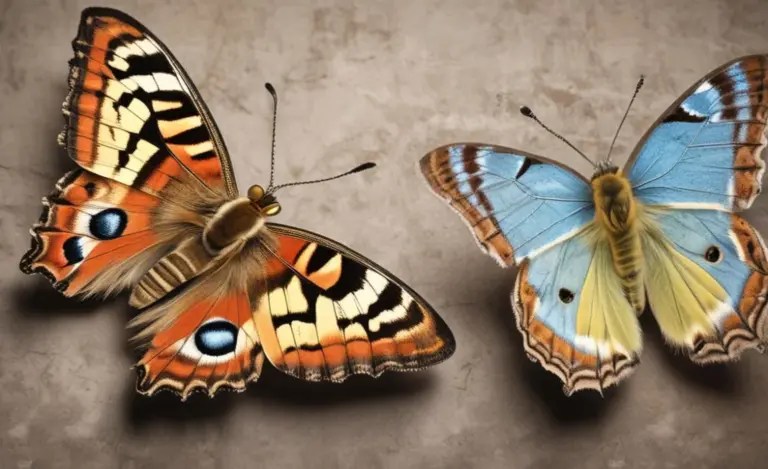
The Blue Pansy butterfly (Junonia orithya) is a beautiful and widespread butterfly known for its striking blue eyespots and intricate wing patterns. Found across South Asia, Southeast Asia, and Australia, this butterfly is relatively easy to identify and a delight to observe in gardens and natural habitats. With a wingspan of about 5-6 centimeters, it’s a medium-sized butterfly that adds a splash of color wherever it flits!
Have you ever been captivated by a butterfly with dazzling blue markings, only to wonder what it was? Identifying butterflies can sometimes feel like solving a complex puzzle, especially with so many species fluttering around. The Blue Pansy butterfly is one that often catches the eye, and thankfully, it’s quite distinctive! In this guide, we’ll walk you through everything you need to know about this lovely creature, from its appearance and habitat to its life cycle and how to attract it to your garden. Let’s dive in and uncover the secrets of the Blue Pansy!
Identifying the Blue Pansy Butterfly
Identifying the Blue Pansy butterfly is relatively straightforward, thanks to its unique color patterns and markings. Here’s what to look for:
Key Features
- Wingspan: Typically ranges from 5 to 6 centimeters (2 to 2.4 inches).
- Coloration: The upperside of the wings features a ground color that varies from pale blue to brownish, adorned with distinctive black markings and prominent blue eyespots.
- Eyespots: The most striking feature is the large, iridescent blue eyespots on both the forewings and hindwings. These eyespots are often surrounded by black and orange rings.
- Underside: The underside of the wings is a paler, more subdued version of the upperside, with similar patterns but less vibrant colors.
Distinguishing Males from Females
One of the interesting aspects of Blue Pansy butterflies is the difference in appearance between males and females. This is known as sexual dimorphism.
- Males: Generally have brighter and more vibrant blue coloration on the upperside of their wings. The blue eyespots tend to be more prominent.
- Females: Usually have a more subdued brownish ground color with less extensive blue markings. Their eyespots are present but may not be as vivid as those of the males.
Similar Species
While the Blue Pansy is quite distinctive, it can sometimes be confused with other butterfly species that share similar markings or coloration. Here are a couple of butterflies that you might mix up with the Blue Pansy:
- Peacock Pansy (Junonia almana): The Peacock Pansy also has eyespots but generally exhibits more prominent orange and yellow coloration. Its overall pattern is quite different from the Blue Pansy.
- Grey Pansy (Junonia atlites): As the name suggests, the Grey Pansy has a predominantly greyish coloration. While it also has eyespots, they are less vibrant and lack the distinct blue hue of the Blue Pansy.
Habitat and Distribution
Understanding where the Blue Pansy butterfly lives can help you spot it in the wild. This butterfly is quite adaptable and can be found in a variety of habitats.
Geographical Range
The Blue Pansy butterfly is widespread across several regions:
- South Asia: Including India, Sri Lanka, and parts of the Himalayan foothills.
- Southeast Asia: Found in countries like Thailand, Malaysia, Indonesia, and the Philippines.
- Australia: Particularly in northern and eastern parts of the continent.
Preferred Habitats
Blue Pansies thrive in diverse environments, making them a common sight in both natural and human-modified landscapes:
- Gardens: Often seen in gardens with flowering plants, which provide nectar for adults and host plants for caterpillars.
- Open Woodlands: They frequent open woodlands and forest edges where sunlight penetrates, creating suitable conditions for foraging and breeding.
- Grasslands: Blue Pansies can be found in grasslands, especially those with a mix of flowering herbs and shrubs.
- Agricultural Areas: They also inhabit agricultural areas, including fields and plantations, where host plants are available.
Climate Considerations
The Blue Pansy butterfly prefers warm, tropical, and subtropical climates. They are active throughout the year in regions with consistent warm weather. In areas with cooler seasons, their activity may decrease, and they may enter a period of reduced activity or dormancy.
Life Cycle of the Blue Pansy

The life cycle of the Blue Pansy butterfly is a fascinating journey, transforming from a tiny egg to a beautiful winged adult. Understanding each stage can deepen your appreciation for these creatures.
Egg Stage
- Appearance: The eggs are typically small, spherical, and greenish-white.
- Location: Females lay their eggs singly on the leaves of host plants.
- Duration: The egg stage lasts for about 3 to 5 days, depending on environmental conditions like temperature and humidity.
Larval Stage (Caterpillar)
- Appearance: The caterpillars are cylindrical and vary in color depending on their instar (stage of development). They often have spines or bristles.
- Feeding: Caterpillars are voracious eaters, feeding on the leaves of host plants to fuel their growth.
- Instars: They go through several instars, shedding their skin as they grow. Each instar may have a slightly different appearance.
- Duration: The larval stage typically lasts for 2 to 3 weeks.
Pupal Stage (Chrysalis)
- Appearance: The pupa, or chrysalis, is usually green or brown and blends in with its surroundings for camouflage.
- Attachment: The caterpillar pupates by hanging upside down from a leaf or stem.
- Transformation: Inside the pupa, the caterpillar undergoes a remarkable transformation, reorganizing its tissues to form the adult butterfly.
- Duration: The pupal stage lasts for about 7 to 10 days.
Adult Stage
- Emergence: The adult butterfly emerges from the pupal case, its wings crumpled and wet.
- Wing Expansion: It takes a little time for the wings to expand and dry fully. The butterfly pumps hemolymph (insect blood) into the veins of the wings to inflate them.
- Reproduction: Adult butterflies focus on reproduction, finding mates, and laying eggs to continue the life cycle.
- Lifespan: The adult Blue Pansy butterfly typically lives for about 2 to 3 weeks, depending on factors like food availability, predation, and weather conditions.
Host Plants and Nectar Sources
To attract and support Blue Pansy butterflies, it’s essential to provide both host plants for the caterpillars and nectar sources for the adults.
Host Plants for Caterpillars
Host plants are plants on which the female butterfly lays her eggs, and the caterpillars feed upon hatching. Some popular host plants for Blue Pansy caterpillars include:
- Alternanthera species: Commonly known as Joyweed, these plants are readily accepted by Blue Pansy caterpillars.
- Asystasia gangetica: Also known as Chinese Violet or Creeping Foxglove, this plant is another favorite.
- Barleria species: Plants in the Barleria genus, such as Barleria prionitis (Porcupine Flower), are also used.
- Lepidagathis formosensis: This plant is another suitable host for Blue Pansy caterpillars.
Nectar Sources for Adult Butterflies
Adult butterflies need nectar for energy. Planting a variety of nectar-rich flowers can attract Blue Pansies to your garden:
- Lantana: Lantana flowers are a favorite nectar source for many butterflies, including Blue Pansies.
- Pentas: Pentas, also known as Egyptian Starflowers, offer abundant nectar and come in various colors.
- Zinnia: Zinnias are easy to grow and provide a colorful display of nectar-rich flowers.
- Cosmos: Cosmos flowers are another excellent choice for attracting butterflies with their daisy-like blooms.
- Marigolds: Marigolds are not only beautiful but also attract butterflies and other beneficial insects.
Attracting Blue Pansy Butterflies to Your Garden

Creating a butterfly-friendly garden is a rewarding experience. Here are some tips to attract Blue Pansy butterflies:
Plant Host Plants and Nectar Sources
The most effective way to attract Blue Pansies is to provide their essential resources: host plants for caterpillars and nectar sources for adults. Plant a mix of the species mentioned above to cater to all life stages of the butterfly.
Provide a Water Source
Butterflies need water, but they can’t drink from open water sources like bird baths, as they risk drowning. Instead, create a “butterfly puddle” by filling a shallow dish with water and adding pebbles or marbles for the butterflies to land on while they drink.
Offer Shelter
Butterflies need shelter from wind and rain. Plant shrubs and trees to provide protected areas where they can rest and take refuge from harsh weather conditions.
Avoid Pesticides
Pesticides can be harmful to butterflies and other beneficial insects. Avoid using chemical pesticides in your garden. Instead, opt for organic gardening practices to manage pests.
Provide Sunlight
Butterflies are cold-blooded and need sunlight to warm up. Ensure that your garden has plenty of sunny spots where butterflies can bask and raise their body temperature.
Create a Butterfly Feeding Station
In addition to nectar-rich flowers, you can create a butterfly feeding station by offering overripe fruit. Place slices of overripe bananas, oranges, or watermelons on a plate or platform in your garden to attract butterflies.
Conservation Status and Threats
While the Blue Pansy butterfly is not currently listed as endangered, it’s important to understand the potential threats it faces and how we can help protect it.
Current Status
The Blue Pansy butterfly is widespread and relatively common throughout its range. It is not currently considered to be threatened or endangered. However, like many butterfly species, it faces potential threats from habitat loss and degradation.
Potential Threats
- Habitat Loss: The destruction and fragmentation of natural habitats due to urbanization, agriculture, and deforestation can reduce the availability of host plants and nectar sources for Blue Pansy butterflies.
- Pesticide Use: The use of chemical pesticides in agriculture and gardening can directly harm butterflies and other beneficial insects.
- Climate Change: Changes in temperature and rainfall patterns can affect the distribution and abundance of Blue Pansy butterflies, as well as their host plants and nectar sources.
- Invasive Species: The introduction of invasive plant species can outcompete native host plants and nectar sources, reducing the availability of food for Blue Pansy butterflies.
Conservation Efforts
While specific conservation efforts targeting the Blue Pansy butterfly may not be widespread, general conservation measures aimed at protecting butterfly habitats and promoting sustainable gardening practices can benefit this species:
- Habitat Preservation: Protecting and restoring natural habitats, such as forests, grasslands, and wetlands, is crucial for conserving butterfly populations.
- Sustainable Agriculture: Promoting sustainable agricultural practices that minimize pesticide use and preserve natural habitats can help protect butterflies and other beneficial insects.
- Butterfly Gardening: Encouraging butterfly gardening and providing host plants and nectar sources in urban and suburban areas can create valuable habitats for butterflies.
- Education and Awareness: Raising awareness about the importance of butterflies and their role in the ecosystem can help promote conservation efforts and encourage individuals to take action to protect these beautiful creatures.
Blue Pansy Butterfly in Culture and Symbolism
Butterflies have long held cultural and symbolic significance in many societies. The Blue Pansy butterfly, with its vibrant colors and graceful flight, is no exception.
Symbolism
- Transformation: Like all butterflies, the Blue Pansy symbolizes transformation and change. Its life cycle, from egg to caterpillar to pupa to butterfly, represents the process of personal growth and evolution.
- Beauty: The Blue Pansy’s striking blue eyespots and intricate wing patterns make it a symbol of beauty and grace. Its presence in a garden or natural setting is often seen as a sign of good fortune and joy.
- Freedom: Butterflies are often associated with freedom and liberation. The Blue Pansy, with its ability to fly effortlessly from flower to flower, embodies this sense of freedom and independence.
- Spirituality: In some cultures, butterflies are believed to be messengers from the spirit world. The Blue Pansy may be seen as a symbol of spiritual guidance and connection to the divine.
Cultural Significance
- Art and Literature: The Blue Pansy butterfly has inspired artists and writers throughout history. Its image can be found in paintings, poems, and stories, often used to represent themes of beauty, transformation, and freedom.
- Gardening: In many cultures, butterflies are seen as essential components of a healthy garden ecosystem. Attracting Blue Pansy butterflies to your garden is not only aesthetically pleasing but also beneficial for pollination and overall ecological balance.
- Conservation: The Blue Pansy butterfly serves as a reminder of the importance of protecting our natural world. By conserving butterfly habitats and promoting sustainable gardening practices, we can help ensure that future generations can enjoy the beauty and wonder of these creatures.
Frequently Asked Questions (FAQs)
Here are some common questions about the Blue Pansy butterfly:
What do Blue Pansy caterpillars eat?
Blue Pansy caterpillars primarily feed on the leaves of host plants like Alternanthera species (Joyweed), Asystasia gangetica (Chinese Violet), and Barleria species.
How long do Blue Pansy butterflies live?
Adult Blue Pansy butterflies typically live for about 2 to 3 weeks, depending on factors like food availability, predation, and weather conditions.
Where can I find Blue Pansy butterflies?
Blue Pansy butterflies are found across South Asia, Southeast Asia, and Australia. They inhabit gardens, open woodlands, grasslands, and agricultural areas.
Are Blue Pansy butterflies poisonous?
No, Blue Pansy butterflies are not poisonous. However, their caterpillars may sequester (store) compounds from their host plants, making them distasteful to some predators.
How can I attract Blue Pansy butterflies to my garden?
To attract Blue Pansy butterflies, plant host plants for caterpillars (like Joyweed) and nectar-rich flowers for adults (like Lantana and Zinnias). Also, provide a water source, shelter, and avoid pesticides.
What is the difference between male and female Blue Pansy butterflies?
Males typically have brighter and more vibrant blue coloration on their wings, while females have a more subdued brownish color. The blue eyespots on males are also more prominent.
Do Blue Pansy butterflies migrate?
While not known for long-distance migrations like Monarch butterflies, Blue Pansy butterflies may exhibit local movements in response to seasonal changes or resource availability.
Conclusion
The Blue Pansy butterfly is a delightful creature that adds beauty and wonder to our natural world. From its striking blue eyespots to its fascinating life cycle, there’s so much to appreciate about this butterfly. By understanding its habitat, host plants, and nectar sources, we can create butterfly-friendly gardens and contribute to its conservation. Whether you’re a seasoned naturalist or just starting to explore the world of butterflies, the Blue Pansy is sure to captivate your heart and inspire a deeper connection with nature. So, get outside, keep your eyes peeled, and enjoy the enchanting presence of the Blue Pansy in your backyard or local park!