
Alkaloids in Glasswing Butterflies: Powerful Secrets

Quick Summary: Glasswing butterflies use alkaloids for defense! They get these chemicals from the plants they eat as caterpillars. These alkaloids make them taste bad to predators and protect them from being eaten. It’s a clever strategy that helps them survive in the wild.
Have you ever wondered how some butterflies manage to survive despite being so delicate? One of the secrets lies in their diet! Some butterflies, like the amazing glasswings, use a clever trick to protect themselves: they collect alkaloids from the plants they eat. These natural chemicals make them taste awful to predators, giving them a much better chance of flying away unharmed. It’s a fascinating example of how butterflies adapt to survive. Ready to learn more about how these beautiful creatures use alkaloids to their advantage?
What are Alkaloids and Why Do Butterflies Need Them?

Alkaloids are natural chemical compounds found in many plants. They often have strong effects on animals, including insects. For example, some alkaloids are poisonous, while others have medicinal properties. For butterflies, alkaloids can be a powerful defense mechanism.
Butterflies, especially as caterpillars, are a tasty snack for birds, lizards, and other predators. To survive, they need ways to protect themselves. Some use camouflage, blending in with their surroundings. Others have bright colors that warn predators they are poisonous. Glasswing butterflies use a different strategy: they accumulate alkaloids in their bodies, making themselves unpalatable.
How Alkaloids Work as a Defense
When a predator tries to eat a butterfly containing alkaloids, it gets a nasty surprise. The alkaloids taste bitter or even cause a burning sensation. This unpleasant experience teaches the predator to avoid butterflies with similar colors or patterns in the future. This is known as aposematism, where bright colors or patterns warn predators of the butterfly’s toxicity.
Glasswing Butterflies: Masters of Alkaloid Acquisition

Glasswing butterflies (Greta oto) are famous for their transparent wings. But their defense strategy is just as remarkable. These butterflies are particularly adept at acquiring and using alkaloids for protection. Here’s how they do it:
Caterpillar Stage: The Alkaloid Buffet
The glasswing butterfly’s journey to alkaloid protection begins in its caterpillar stage. Glasswing caterpillars primarily feed on plants in the genus *Cestrum*, commonly known as jessamine or strumpet bush. These plants are rich in pyrrolizidine alkaloids, which are particularly effective at deterring predators. The caterpillars can consume and store these alkaloids without being harmed.
Here’s what happens during the caterpillar stage:
- Selective Feeding: Glasswing caterpillars have evolved to specifically feed on *Cestrum* plants, which are packed with alkaloids.
- Accumulation: As they eat, the caterpillars store the alkaloids in their bodies.
- Transformation: The caterpillars can even modify the alkaloids to make them more effective.
Adult Stage: Maintaining the Defense
The alkaloids acquired during the caterpillar stage remain in the butterfly’s body even after it transforms into an adult. This means that adult glasswing butterflies are also protected from predators. Furthermore, adult male glasswing butterflies use these alkaloids in courtship.
Here’s how alkaloids play a role in the adult stage:
- Continued Protection: The alkaloids continue to protect the adult butterflies from predators.
- Sexual Selection: Male glasswing butterflies convert the pyrrolizidine alkaloids into a pheromone which they display using special organs called coremata to attract females. Females prefer males with higher concentrations of these pheromones, indicating better alkaloid stores and thus, better protection for their offspring.
- Egg Protection: The female butterfly passes the alkaloids on to her eggs, providing the next generation with a head start in defense.
Step-by-Step: How Glasswing Butterflies Use Alkaloids
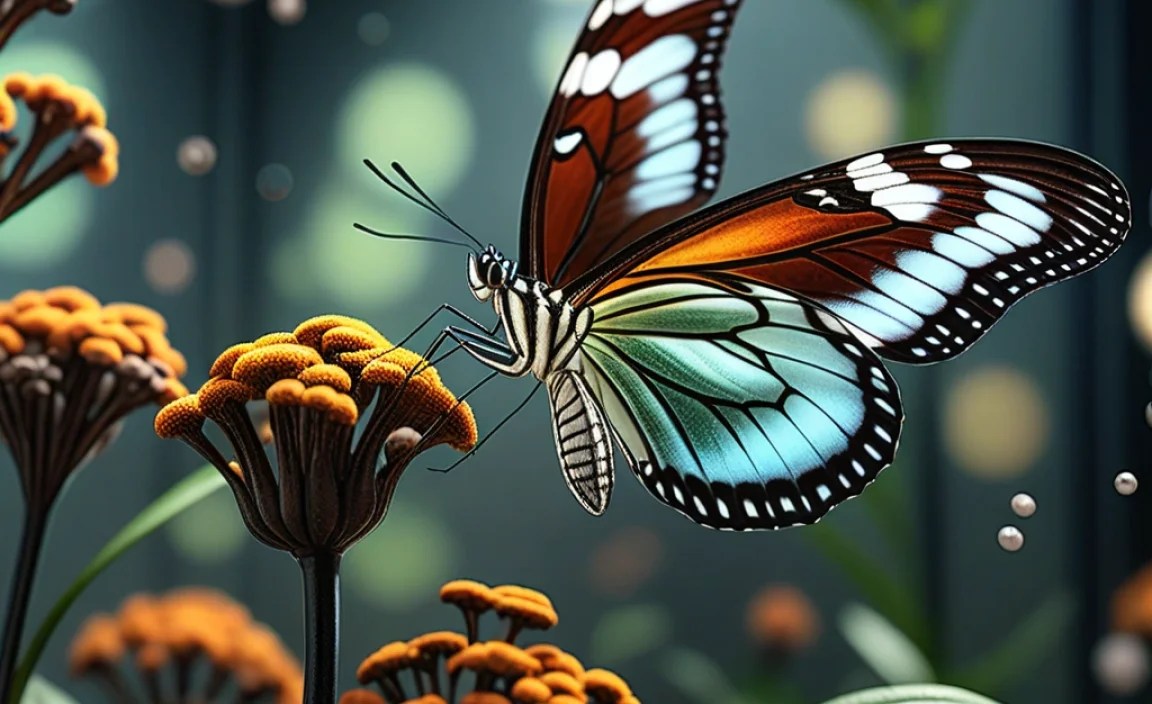
Let’s break down the process of how glasswing butterflies use alkaloids, step-by-step:
- Find the Right Plant: The female glasswing butterfly lays her eggs on *Cestrum* plants, ensuring the caterpillars have access to alkaloids from the start.
- Caterpillar Feeds: The caterpillar hatches and begins to feed on the *Cestrum* leaves, ingesting the alkaloids.
- Storage and Modification: The caterpillar stores the alkaloids in its body and may even modify them to increase their effectiveness.
- Pupation: The caterpillar transforms into a pupa (chrysalis), and the alkaloids remain in its system.
- Adult Emerges: The adult butterfly emerges, still carrying the alkaloids for protection.
- Mating Rituals: Male butterflies use the alkaloids to produce pheromones, attracting females for mating.
- Egg Laying: The female butterfly lays her eggs, passing on the alkaloids to the next generation.
Identifying *Cestrum* Plants
If you’re interested in attracting glasswing butterflies to your garden, you’ll need to identify *Cestrum* plants. Here are some characteristics to look for:
- Leaves: *Cestrum* plants have simple, alternate leaves that are usually oval or lance-shaped.
- Flowers: They produce clusters of small, tubular flowers that can be white, green, yellow, or purple.
- Scent: Many *Cestrum* species have a strong, sweet fragrance, especially at night.
- Growth Habit: *Cestrum* plants can range in size from small shrubs to large trees, depending on the species.
It’s important to note that some *Cestrum* species can be toxic to humans and animals, so handle them with care and do your research before planting them in your garden. Always consult local botanical experts before planting.
The Science Behind Alkaloids in Butterflies
Scientists have studied alkaloids in glasswing butterflies for years, uncovering fascinating details about their role in defense and sexual selection. Here are some key findings:
- Alkaloid Types: Pyrrolizidine alkaloids are the primary defense compounds found in glasswing butterflies.
- Concentration: The concentration of alkaloids in butterflies can vary depending on the availability of *Cestrum* plants and the individual butterfly’s feeding habits.
- Predator Deterrence: Studies have shown that predators are less likely to attack glasswing butterflies with higher concentrations of alkaloids.
- Sexual Selection: Research has demonstrated that female glasswing butterflies prefer males with higher pheromone levels derived from alkaloids.
Research and Studies
Several scientific studies have highlighted the importance of alkaloids in glasswing butterfly survival. For example, research published in the journal *Chemoecology* found that glasswing butterflies sequester pyrrolizidine alkaloids from their host plants, which provide protection against predators. Another study in *Functional Ecology* showed that male glasswing butterflies use alkaloid-derived pheromones to attract females, influencing mate selection.
Here is a table summarizing some of the key research findings:
| Study | Focus | Key Finding |
|---|---|---|
| Chemoecology | Alkaloid Sequestration | Glasswing butterflies sequester pyrrolizidine alkaloids from *Cestrum* plants for defense. |
| Functional Ecology | Pheromone Production | Male glasswing butterflies use alkaloid-derived pheromones to attract females. |
| Journal of Chemical Ecology | Predator Deterrence | Higher concentrations of alkaloids in butterflies deter predators. |
Tools and Resources for Butterfly Enthusiasts
If you’re interested in learning more about glasswing butterflies and their use of alkaloids, here are some helpful tools and resources:
- Field Guides: A good butterfly field guide can help you identify glasswing butterflies and their host plants.
- Online Databases: Websites like the Butterflies and Moths of North America provide information on butterfly species, distribution, and host plants.
- Scientific Journals: Access to scientific journals can provide in-depth information on alkaloid research.
- Local Experts: Contacting local butterfly clubs or entomologists can provide valuable insights and guidance.
- Butterfly Gardens: Visit butterfly gardens to observe glasswing butterflies in a natural setting and learn about their life cycle.
Creating a Butterfly-Friendly Garden
One of the best ways to support glasswing butterflies is to create a butterfly-friendly garden. Here are some tips:
- Plant Host Plants: Include *Cestrum* plants to provide food for glasswing caterpillars.
- Provide Nectar Sources: Plant flowers that provide nectar for adult butterflies.
- Avoid Pesticides: Pesticides can harm butterflies and other beneficial insects.
- Provide Water: Offer a shallow dish of water with pebbles for butterflies to drink from.
- Offer Shelter: Plant shrubs and trees to provide shelter from wind and rain.
Challenges and Conservation
Glasswing butterflies, like many other butterfly species, face several challenges. Habitat loss, pesticide use, and climate change all threaten their populations. Conservation efforts are essential to protect these beautiful creatures and their unique defense strategies.
Threats to Glasswing Butterflies
Here are some of the main threats to glasswing butterflies:
- Habitat Loss: Deforestation and urbanization destroy the natural habitats of glasswing butterflies and their host plants.
- Pesticide Use: Pesticides can kill butterflies and their caterpillars, disrupting their life cycle.
- Climate Change: Changes in temperature and rainfall patterns can affect the distribution and abundance of glasswing butterflies.
- Invasive Species: Invasive plants can outcompete native host plants, reducing the availability of food for caterpillars.
Conservation Efforts
Here are some ways to help conserve glasswing butterflies:
- Habitat Preservation: Support efforts to protect and restore butterfly habitats.
- Sustainable Gardening: Use organic gardening practices and avoid pesticides.
- Citizen Science: Participate in butterfly monitoring programs to track population trends.
- Education and Awareness: Educate others about the importance of butterflies and their conservation.
- Support Conservation Organizations: Donate to organizations that work to protect butterflies and their habitats.
The Cultural Significance of Butterflies
Butterflies have long held cultural significance in many societies around the world. They are often seen as symbols of transformation, beauty, and hope. In some cultures, butterflies are believed to be messengers from the spirit world. Glasswing butterflies, with their transparent wings, add an extra layer of mystique to these symbolic meanings.
Here’s how butterflies are viewed in different cultures:
- Transformation: The butterfly’s life cycle, from egg to caterpillar to pupa to adult, is a powerful symbol of transformation and rebirth.
- Beauty: Butterflies are admired for their vibrant colors and delicate wings, representing beauty and grace.
- Hope: Butterflies are often seen as symbols of hope and new beginnings, reminding us that change is possible.
- Spirituality: In some cultures, butterflies are believed to carry the souls of the deceased or to be messengers from the spirit world.
FAQ About Alkaloids in Glasswing Butterflies
Here are some frequently asked questions about alkaloids in glasswing butterflies:
- What are alkaloids?
- Alkaloids are natural chemical compounds found in plants. They often have strong effects on animals, including insects. In the case of glasswing butterflies, alkaloids act as a defense mechanism against predators.
- How do glasswing butterflies get alkaloids?
- Glasswing caterpillars get alkaloids by feeding on plants in the genus *Cestrum*. These plants are rich in pyrrolizidine alkaloids, which the caterpillars store in their bodies.
- Why do glasswing butterflies need alkaloids?
- Alkaloids protect glasswing butterflies from predators. They make the butterflies taste bad, deterring predators from eating them.
- Do adult glasswing butterflies still use alkaloids?
- Yes, adult glasswing butterflies retain the alkaloids they acquired as caterpillars. Male butterflies also use alkaloids to produce pheromones that attract females.
- Are *Cestrum* plants safe to grow in my garden?
- Some *Cestrum* species can be toxic to humans and animals, so handle them with care. Do your research and consult local botanical experts before planting them in your garden.
- How can I attract glasswing butterflies to my garden?
- Plant *Cestrum* plants to provide food for glasswing caterpillars. Also, provide nectar sources for adult butterflies and avoid using pesticides.
- What can I do to help conserve glasswing butterflies?
- Support habitat preservation, use sustainable gardening practices, participate in citizen science projects, and educate others about the importance of butterfly conservation.
Conclusion
The story of alkaloids in glasswing butterflies is a testament to the incredible adaptations found in nature. These delicate creatures have evolved a clever strategy to protect themselves from predators, using natural chemicals to their advantage. By understanding and appreciating these adaptations, we can better support butterfly conservation and ensure that future generations can enjoy the beauty and wonder of glasswing butterflies. So, go explore your garden, learn about local butterfly species, and contribute to creating a world where these amazing insects can thrive!


