
Blue Morpho Altitude Range: The Secret to Thriving

Have you ever seen a butterfly so blue it looks like the sky? That might have been a Blue Morpho! These amazing butterflies live in rainforests. But where exactly do they live? The Blue Morpho altitude range is an important part of their lives.
These butterflies are not found everywhere. They like specific places. Their homes have different heights above the sea. It’s like some people like living in tall buildings, and some don’t. What makes these altitudes so special for Blue Morphos?
Blue Morphos need certain plants to survive. These plants grow best at certain heights. The Blue Morpho altitude range helps them find food. It also keeps them safe from predators. Let’s find out more about where these blue beauties live!
Key Takeaways
- The Blue Morpho altitude range is typically between sea level and 4,600 feet.
- These butterflies prefer rainforests with high humidity and warm temperatures.
- Altitude affects the availability of food and suitable habitats for Blue Morphos.
- Blue Morphos are found in Central and South American rainforests.
- Understanding their altitude range helps protect their natural habitats.
Understanding Blue Morpho Altitude Range

The Blue Morpho altitude range is vital for its survival. These butterflies live in rainforests. Rainforests are full of tall trees and many plants. Blue Morphos are usually found from sea level up to about 4,600 feet. This height is important because it affects the climate. The climate must be just right for them. Too cold or too hot, and they can’t survive. The right altitude also means the right amount of rain. Rainforests need a lot of rain. This helps the plants grow. Blue Morphos eat from these plants. They also lay their eggs on specific plants. The altitude helps keep them safe from strong winds too. Higher up, the wind can be very strong. Lower down, it’s calmer and easier to fly.
- Altitude affects temperature and humidity.
- Rainforests provide food and shelter.
- Blue Morphos need specific plants to live.
- Climate affects butterfly survival.
- Wind conditions are better at lower altitudes.
Blue Morphos are picky about where they live. They need the perfect mix of everything. The altitude range gives them that perfect mix. Think of it like making a cake. You need the right amount of each ingredient. Too much sugar, and it’s too sweet. Not enough flour, and it’s too runny. The Blue Morpho altitude range is like the perfect recipe. It has the right amount of sunlight, rain, and plants. This helps the Blue Morphos thrive. If the altitude changes too much, they might not be able to live there anymore. Protecting their habitat is very important. It ensures they have the perfect place to call home.
Why Is Altitude Important?
Why does altitude matter so much to Blue Morphos? Well, it’s all about what grows where. Different plants grow better at different heights. The plants that Blue Morphos eat and lay eggs on need specific conditions. These conditions are found within their altitude range. Think about mountains. At the bottom, it’s warm, and you see lots of green trees. As you go higher, it gets colder, and the trees change. Eventually, there are no trees at all, just snow! Blue Morphos need the warm, wet conditions of the lower rainforest. The right altitude provides this. It’s like finding the perfect spot in your backyard to plant a garden. You need the right amount of sun and water for your plants to grow well.
How Does Climate Affect Them?
Climate plays a big role in the lives of Blue Morphos. These butterflies need warm and humid conditions. The right altitude helps provide this climate. If it gets too cold, they can’t fly or find food. Imagine trying to play outside in the snow without a coat. You’d get cold very quickly! Blue Morphos are the same way. They need the warmth of the rainforest to stay active. Humidity is also important. Rainforests are very wet places. This moisture helps the plants grow. It also keeps the butterflies from drying out. The altitude helps maintain the right balance of temperature and humidity.
What About Food Sources?
Food is essential for all living things. Blue Morphos are no different. They rely on specific plants for food. Both as caterpillars and as butterflies, they have particular needs. Caterpillars eat the leaves of certain plants. Butterflies drink nectar from flowers. These plants are found within the Blue Morpho altitude range. If the altitude were different, these plants might not grow. This would mean the butterflies would have no food. It’s like going to your favorite restaurant and finding out they don’t serve your favorite dish anymore. You’d be very disappointed! The right altitude ensures the Blue Morphos have a constant supply of food.
Fun Fact or Stat: Blue Morpho butterflies taste with sensors on their feet!
Ideal Habitats Within the Altitude Range

Within the Blue Morpho altitude range, certain habitats are better than others. These butterflies love rainforests. Rainforests have tall trees, thick plants, and lots of water. The best habitats are those that are undisturbed. This means they haven’t been cut down or damaged by humans. These areas have the most plants and insects. Blue Morphos need these to survive. They also prefer areas with plenty of sunlight. Sunlight helps keep the rainforest warm. It also helps the plants grow. The ideal habitat has a mix of sunny and shady spots. This allows the butterflies to regulate their temperature. They can warm up in the sun and cool down in the shade. Finding the perfect habitat is like finding the perfect house. It needs to have everything you need to be comfortable and safe.
- Undisturbed rainforests are ideal.
- Sunlight helps keep the rainforest warm.
- A mix of sunny and shady spots is best.
- Tall trees provide shelter from wind.
- Thick plants offer hiding places.
Think about a playground. Some playgrounds have lots of equipment. Others are just empty fields. Blue Morphos prefer the playground with lots of equipment. This means lots of plants, trees, and flowers. These provide food, shelter, and places to lay eggs. The best habitats also have plenty of water. This could be a stream, river, or even just a puddle. Water is important for drinking and keeping the air humid. The Blue Morpho altitude range helps ensure these habitats exist. It provides the right conditions for rainforests to thrive. Protecting these habitats is crucial. It ensures Blue Morphos have a safe and healthy place to live. It’s like taking care of your own backyard. You want to make sure it’s a nice place for you and your family to enjoy.
What Makes a Good Rainforest Habitat?
What exactly makes a rainforest a good home for a Blue Morpho? The answer lies in its biodiversity. Biodiversity means lots of different kinds of plants and animals. A healthy rainforest has many layers of vegetation. This includes tall trees, smaller trees, shrubs, and ground plants. Each layer provides different resources for the Blue Morphos. The tall trees offer shelter from wind and rain. The smaller trees and shrubs provide food and places to lay eggs. The ground plants offer hiding places for caterpillars. This variety is crucial. The Blue Morpho altitude range often supports these diverse ecosystems.
How Does Sunlight Affect Habitat Quality?
Sunlight is like food for plants. Without it, they can’t grow. In a rainforest, sunlight filters through the canopy. The canopy is the layer of leaves at the top of the trees. Some areas get more sunlight than others. Blue Morphos prefer areas with dappled sunlight. This means a mix of sun and shade. Too much direct sunlight can be too hot. Too much shade can be too cold. Dappled sunlight provides the perfect balance. It allows the plants to grow well. It also keeps the butterflies comfortable. The right altitude can influence how much sunlight reaches the rainforest floor.
Why Is Water Important?
Water is essential for all life. Rainforests are known for their high rainfall. This water supports the lush vegetation. It also provides drinking water for the animals. Blue Morphos need water to survive. They drink nectar from flowers. Nectar is mostly water. They also need water to keep their bodies hydrated. The humidity in the rainforest helps with this. High humidity means there is a lot of water in the air. This prevents the butterflies from drying out. The Blue Morpho altitude range often corresponds to areas with high rainfall and humidity.
Fun Fact or Stat: Blue Morphos use their bright blue wings to startle predators, then fly away!
Impact of Altitude on Food Availability

The altitude has a big impact on what food is available for Blue Morphos. As caterpillars, they eat the leaves of specific plants. As butterflies, they drink nectar from flowers. These plants and flowers grow best at certain heights. If the altitude is too high or too low, the plants might not grow. This would mean the Blue Morphos would have nothing to eat. The plants that Blue Morphos eat are often found in the mid-range altitudes of rainforests. This is because these areas have the right amount of sunlight, rain, and temperature. Think of it like planting a garden. You need to choose plants that will grow well in your area. Blue Morphos are the same way. They need to live where their food sources thrive.
- Caterpillars eat specific plant leaves.
- Butterflies drink nectar from flowers.
- Plants grow best at certain altitudes.
- Altitude affects sunlight, rain, and temperature.
- Food availability depends on altitude.
Imagine your favorite food suddenly disappeared. That’s what would happen to Blue Morphos if their food sources vanished. The Blue Morpho altitude range ensures that doesn’t happen. The right height above sea level means the right conditions for their food. It’s like a carefully planned menu for them. Without the right plants, the caterpillars can’t grow. Without the right flowers, the butterflies can’t get energy. This balance is very important. Changes in altitude or climate can disrupt this balance. That’s why protecting their habitat is so important. It’s like making sure your favorite restaurant stays open and keeps serving your favorite dish.
What Do Caterpillars Eat?
Blue Morpho caterpillars are picky eaters. They only eat the leaves of certain plants. These plants are called host plants. Different species of Blue Morphos have different host plants. Some common host plants include legumes. Legumes are plants like beans and peas. The caterpillars eat a lot of leaves. This helps them grow quickly. They need to grow big enough to turn into butterflies. The availability of these host plants depends on the altitude. If the altitude is too high or too low, the host plants might not grow.
What Do Butterflies Eat?
Adult Blue Morphos drink nectar from flowers. Nectar is a sweet liquid that flowers produce. It’s like a sugary drink for butterflies. They use their long tongues to suck the nectar from the flowers. Butterflies also drink sap from trees. Sap is another sweet liquid. It’s found under the bark of trees. The availability of nectar and sap depends on the altitude. Different flowers and trees grow at different heights. The Blue Morpho altitude range ensures that there are enough flowers and trees for the butterflies to feed on.
How Does Climate Affect Plant Growth?
Climate plays a big role in plant growth. Temperature, rainfall, and sunlight all affect how well plants grow. Blue Morpho host plants need warm temperatures and plenty of rainfall. They also need a good amount of sunlight. The Blue Morpho altitude range provides these conditions. At higher altitudes, it can be too cold for the plants to grow. At lower altitudes, it might not rain enough. The mid-range altitudes of rainforests are ideal. These areas have the perfect mix of temperature, rainfall, and sunlight. This helps the host plants thrive. This, in turn, supports the Blue Morpho population.
Fun Fact or Stat: Blue Morpho caterpillars sometimes eat each other!
Threats to Blue Morpho Habitats

Blue Morpho habitats face many threats. One of the biggest threats is deforestation. Deforestation is when people cut down trees. They do this to make room for farms, houses, or roads. When trees are cut down, the rainforest disappears. This destroys the Blue Morpho’s home. It also reduces the amount of food available. Another threat is climate change. Climate change is causing the Earth to get warmer. This can change the weather patterns in rainforests. It can also affect the plants that Blue Morphos rely on. Pollution is another threat. Pollution can harm the plants and animals in the rainforest. Protecting these habitats is very important. It ensures that Blue Morphos have a safe place to live. The Blue Morpho altitude range is also threatened.
- Deforestation destroys rainforests.
- Climate change alters weather patterns.
- Pollution harms plants and animals.
- Habitat loss reduces food availability.
- Human activities threaten their homes.
Imagine someone tearing down your house. That’s what deforestation does to Blue Morphos. It destroys their home and everything they need to survive. Climate change is like the weather getting really weird. It can make it too hot, too cold, or too dry. This can kill the plants that Blue Morphos eat. Pollution is like putting poison in the rainforest. It can harm the plants and animals that live there. The Blue Morpho altitude range is particularly vulnerable. Changes in altitude or climate can have a big impact. That’s why it’s so important to protect these habitats. We need to make sure that Blue Morphos have a safe and healthy place to live. It’s like taking care of our planet. We want to make sure it’s a good place for everyone to live.
What Is Deforestation?
Deforestation is the clearing of forests for other uses. This often involves cutting down trees. The trees are then used for timber or to make way for agriculture. Deforestation is a major problem in rainforests. It destroys the habitats of many animals, including Blue Morphos. When trees are cut down, the soil can erode. Erosion is when the soil is washed away by rain or wind. This can make it difficult for new plants to grow. Deforestation also contributes to climate change. Trees absorb carbon dioxide from the atmosphere. When they are cut down, this carbon dioxide is released. The Blue Morpho altitude range is affected by deforestation.
How Does Climate Change Affect Habitats?
Climate change is causing the Earth to get warmer. This is because of greenhouse gases in the atmosphere. Greenhouse gases trap heat from the sun. This causes the Earth’s temperature to rise. Climate change can have many effects on rainforests. It can change the rainfall patterns. Some areas might get more rain, while others get less. It can also cause more extreme weather events, such as droughts and floods. These changes can affect the plants and animals that live in the rainforest. The Blue Morpho altitude range is particularly vulnerable. Changes in temperature and rainfall can affect the plants that Blue Morphos rely on.
What Is the Impact of Pollution?
Pollution comes in many forms. It can be air pollution, water pollution, or soil pollution. Air pollution can harm plants and animals. It can also cause respiratory problems for humans. Water pollution can contaminate drinking water. It can also harm aquatic life. Soil pollution can make it difficult for plants to grow. Pollution can come from many sources. It can come from factories, cars, or farms. It can also come from improper waste disposal. The Blue Morpho altitude range is affected by pollution. Pollution can harm the plants and animals that live in these areas.
Fun Fact or Stat: The bright blue color on a Blue Morpho’s wings isn’t pigment, but rather light reflecting off tiny scales!
Conservation Efforts and the Altitude Range
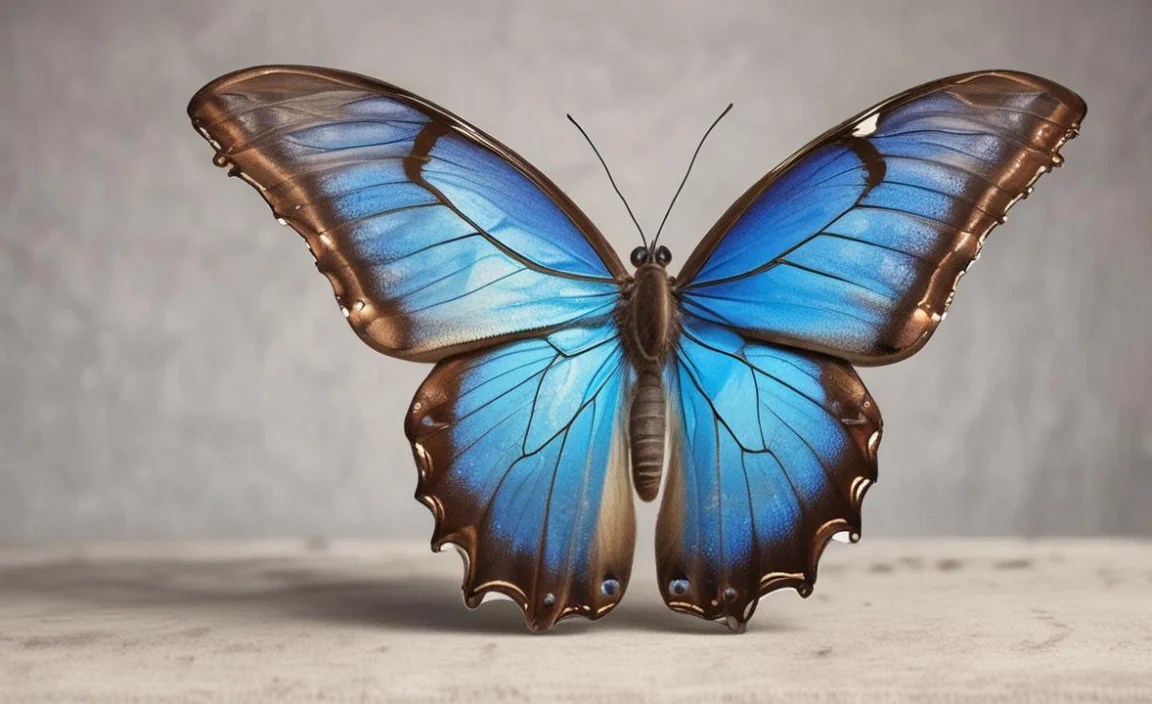
Many people are working to protect Blue Morpho habitats. These efforts focus on stopping deforestation. They also work to reduce pollution. Some organizations are planting new trees. This helps to restore rainforests. Others are working with local communities. They teach them about sustainable farming practices. This helps them to protect the rainforest while still making a living. Protecting the Blue Morpho altitude range is also important. This means setting aside areas where logging and farming are not allowed. It also means monitoring the climate. This helps to detect any changes that could harm the Blue Morphos. Conservation efforts need everyone’s help. We can all do our part to protect these amazing butterflies.
- Stopping deforestation is crucial.
- Reducing pollution is also important.
- Planting new trees helps restore rainforests.
- Working with local communities is key.
- Protecting the altitude range is essential.
Think about a team working together to build something. That’s what conservation efforts are like. Everyone has a role to play. Some people are like the architects. They design the plans. Others are like the builders. They do the actual work. Local communities are like the homeowners. They live in the area and benefit from the project. The Blue Morpho altitude range is like the foundation of the building. It needs to be strong and stable. Without it, the whole structure could collapse. By working together, we can protect Blue Morpho habitats. We can ensure that these beautiful butterflies continue to thrive. It’s like taking care of our neighborhood. We want to make sure it’s a good place for everyone to live.
What Can Be Done to Stop Deforestation?
Stopping deforestation requires a multi-pronged approach. One important step is to enforce laws that protect forests. This means punishing people who cut down trees illegally. Another step is to promote sustainable forestry practices. Sustainable forestry means managing forests in a way that doesn’t harm them. This includes selectively logging trees. It also includes replanting trees after they are cut down. Another important step is to reduce the demand for products that contribute to deforestation. This includes products like palm oil and beef. Consumers can choose to buy products that are certified sustainable. The Blue Morpho altitude range benefits from these efforts.
How Can Local Communities Help?
Local communities play a vital role in conservation efforts. They live in and around the rainforest. They often have a deep understanding of the environment. They can help to monitor the forest. They can also help to prevent illegal logging and hunting. Local communities can also benefit from ecotourism. Ecotourism is tourism that is focused on protecting the environment. It can provide jobs and income for local communities. It can also help to raise awareness about the importance of conservation. The Blue Morpho altitude range is often within the territory of local communities.
What Is the Role of Governments?
Governments have a responsibility to protect the environment. They can do this by passing laws and regulations. They can also create protected areas, such as national parks. Governments can also provide funding for conservation efforts. They can also work with international organizations to address global environmental problems. The Blue Morpho altitude range often falls within the jurisdiction of different governments. These governments need to work together to protect these habitats. They can also work with local communities and NGOs to implement conservation programs.
Fun Fact or Stat: Some Blue Morpho species can live for up to a year!
Comparing Different Altitudes and Habitats

The Blue Morpho altitude range isn’t just one type of place. It includes different kinds of habitats. At lower altitudes, you might find dense rainforests. These areas are very humid and have lots of plants. At higher altitudes within their range, the rainforest might be a bit cooler. There might be fewer tall trees. The types of plants and animals also change. Some species prefer the lower altitudes. Others prefer the higher ones. The Blue Morphos themselves might even behave differently. They might be more active at certain altitudes. Understanding these differences is important for conservation. It helps us to protect the specific habitats that Blue Morphos need. Here is a simple comparison:
| Altitude | Temperature | Humidity | Vegetation |
|---|---|---|---|
| Lower (Sea Level – 1,500 feet) | Warm | High | Dense rainforest with tall trees |
| Mid (1,500 – 3,000 feet) | Warm to Mild | High | Diverse rainforest with varied plants |
| Higher (3,000 – 4,600 feet) | Mild to Cool | Moderate | Cooler rainforest with fewer tall trees |
| Above 4,600 feet | Cool | Lower | Montane forests, less suitable for Blue Morphos |
- Lower altitudes have dense rainforests.
- Higher altitudes are cooler with fewer trees.
- Plant and animal species vary by altitude.
- Blue Morpho behavior might change.
- Understanding these differences is key.
Imagine exploring different parts of a park. Some areas might be sunny and open. Others might be shady and wooded. The Blue Morpho altitude range is like a park with different zones. Each zone has its own unique characteristics. The plants and animals that live there are adapted to those conditions. Blue Morphos have adapted to live within this range. They can tolerate the different temperatures and humidity levels. They can also find food and shelter in the different habitats. Protecting these different habitats is important. It ensures that Blue Morphos have a variety of options. It’s like having different rooms in your house. You can choose the room that’s most comfortable for you at any given time.
How Does Temperature Vary with Altitude?
Temperature decreases as altitude increases. This is because the air is thinner at higher altitudes. Thinner air holds less heat. For every 1,000 feet you climb, the temperature drops by about 3 to 5 degrees Fahrenheit. This can have a big impact on the plants and animals that live in an area. Blue Morphos prefer warm temperatures. They are most active in the lower altitudes of their range. At higher altitudes, they might be less active. They might also need to find shelter to stay warm. The Blue Morpho altitude range represents their ability to adapt to these temperature variations.
What About Humidity Levels?
Humidity is the amount of water vapor in the air. Rainforests are known for their high humidity. This is because they receive a lot of rainfall. The plants also release water vapor into the air through transpiration. Humidity levels tend to be higher at lower altitudes. This is because the air is warmer. Warmer air can hold more water vapor. Blue Morphos need high humidity to survive. It helps to keep their bodies hydrated. It also helps to prevent them from drying out. The Blue Morpho altitude range generally corresponds to areas with high humidity.
How Do Plant Species Differ?
Different plant species are adapted to different altitudes. At lower altitudes, you might find tall trees with broad leaves. These trees are adapted to the warm, humid conditions. At higher altitudes, you might find smaller trees with needle-like leaves. These trees are adapted to the cooler, drier conditions. The types of plants that grow in an area affect the animals that live there. Blue Morphos rely on specific plants for food and shelter. The Blue Morpho altitude range is determined by the availability of these plants. Protecting these plant communities is crucial for the survival of Blue Morphos.
Fun Fact or Stat: Blue Morphos are iridescent, meaning their color changes depending on the angle you view them from!
The Future of Blue Morphos and Their Altitude
The future of Blue Morphos depends on protecting their habitats. This includes maintaining the Blue Morpho altitude range. Climate change poses a significant threat. Rising temperatures and changing rainfall patterns could alter rainforest ecosystems. Deforestation continues to destroy valuable habitat. Conservation efforts are crucial. These efforts need to focus on reducing deforestation. They also need to address climate change. Working with local communities is essential. This helps to ensure the long-term survival of Blue Morphos. Education is also important. The more people know about these butterflies, the more likely they are to help protect them. The Blue Morpho altitude range is a key factor in their survival.
- Protecting habitats is essential.
- Climate change is a major threat.
- Deforestation destroys habitat.
- Conservation efforts are crucial.
- Education raises awareness.
- Working with communities helps.
Imagine a world without Blue Morphos. It would be a much less beautiful place. These butterflies are an important part of the rainforest ecosystem. They help to pollinate plants. They also serve as food for other animals. Their bright blue wings bring joy to people around the world. The Blue Morpho altitude range is essential to their survival. By protecting their habitats, we can ensure that these butterflies continue to thrive. It’s like investing in the future. We want to make sure that future generations can enjoy these amazing creatures. By understanding and protecting their altitude needs, we help secure their future.
How Can We Combat Climate Change?
Combating climate change requires global action. We need to reduce our greenhouse gas emissions. This can be done by using renewable energy sources. These sources include solar, wind, and geothermal power. We also need to improve energy efficiency. This means using less energy to do the same amount of work. We can also reduce our carbon footprint by making sustainable choices. This includes eating less meat, using public transportation, and reducing waste. Governments need to implement policies that promote these changes. The Blue Morpho altitude range will benefit from these efforts. Reducing climate change will help to maintain the stability of rainforest ecosystems.
What Role Does Education Play?
Education is crucial for conservation. The more people know about Blue Morphos and their habitats, the more likely they are to help protect them. Education can take many forms. It can include school programs, public awareness campaigns, and ecotourism. It can also involve training local communities in sustainable practices. Education can help to change people’s attitudes and behaviors. It can also empower them to take action. The Blue Morpho altitude range can be protected through education. By raising awareness about the importance of these habitats, we can inspire people to care.
How Can Individuals Make a Difference?
Individuals can make a big difference in conservation. We can support organizations that are working to protect Blue Morpho habitats. We can also make sustainable choices in our daily lives. This includes reducing our carbon footprint, buying sustainable products, and supporting local businesses. We can also educate others about the importance of conservation. We can talk to our friends and family about Blue Morphos and their habitats. We can also share information on social media. The Blue Morpho altitude range can be protected by individual actions. Every little bit helps to make a difference.
Fun Fact or Stat: Blue Morphos are among the largest butterflies in the world!
Summary
The Blue Morpho altitude range is a key factor in the survival of these beautiful butterflies. They typically live between sea level and 4,600 feet in rainforests. This altitude provides the right climate, food sources, and habitat. Climate change, deforestation, and pollution threaten their habitats. Conservation efforts are essential. These efforts include stopping deforestation, reducing pollution, and working with local communities. Education is also important. By understanding the needs of Blue Morphos, we can help protect them. We can also ensure that future generations can enjoy these amazing creatures. Protecting the Blue Morpho altitude range helps to maintain the stability of rainforest ecosystems.
Conclusion
Blue Morphos are truly remarkable butterflies. Their bright blue wings and fascinating life cycle capture our imagination. The Blue Morpho altitude range is a critical aspect of their survival. Protecting their rainforest habitats is essential. We must address threats like deforestation and climate change. By supporting conservation efforts and making sustainable choices, we can help ensure that these beautiful butterflies continue to thrive. Let’s work together to protect the Blue Morpho altitude range and the rainforests they call home.
Frequently Asked Questions
Question No 1: What is the typical Blue Morpho altitude range?
Answer: Blue Morphos are usually found from sea level up to about 4,600 feet. This altitude range is important because it provides the right climate and food sources for these butterflies. The temperature and humidity at these altitudes are ideal for the plants that Blue Morphos rely on. The right altitude also ensures that there is enough rainfall to support the rainforest ecosystem. This makes it a perfect place for them to live and thrive. Understanding this range helps scientists protect their habitats effectively.
Question No 2: Why is altitude important for Blue Morpho survival?
Answer: Altitude affects the temperature, humidity, and availability of food sources for Blue Morphos. Different plants grow best at different altitudes. Blue Morphos rely on specific plants for food, both as caterpillars and as butterflies. The right altitude also ensures that the climate is suitable for them. If it’s too cold or too hot, they won’t be able to survive. Therefore, the Blue Morpho altitude range provides the ideal conditions for their survival. This highlights the importance of preserving their natural habitats within these specific elevations.
Question No 3: What kind of habitats do Blue Morphos prefer?
Answer: Blue Morphos prefer rainforests. These forests are full of tall trees, thick plants, and lots of water. They need undisturbed areas. This means areas that haven’t been cut down or damaged by humans. These habitats have the most plants and insects. Blue Morphos need these to survive. The ideal habitat has a mix of sunny and shady spots. This allows the butterflies to control their temperature. The right altitude supports the rainforest ecosystem. This makes it a great home for them.
Question No 4: What are the main threats to Blue Morpho habitats?
Answer: The main threats to Blue Morpho habitats include deforestation, climate change, and pollution. Deforestation destroys the rainforest. Climate change alters weather patterns. Pollution harms plants and animals. These threats reduce food availability. They also destroy the Blue Morpho’s home. The Blue Morpho altitude range is also affected. Changes in altitude or climate can have a big impact. Protecting these habitats is very important to ensure Blue Morphos have a safe place to live and thrive.
Question No 5: How can we help protect Blue Morphos and their habitats?
Answer: We can help protect Blue Morphos by supporting conservation efforts. This includes stopping deforestation. It also includes reducing pollution. Planting new trees is another important step. We can also work with local communities. They can teach us about sustainable farming practices. Protecting the Blue Morpho altitude range is essential. We can also reduce our carbon footprint. This helps to combat climate change. By working together, we can protect these amazing butterflies and their homes.
Question No 6: What is the role of climate change in affecting the Blue Morpho altitude range?
Answer: Climate change can significantly impact the Blue Morpho altitude range. Rising temperatures and changing rainfall patterns can alter the rainforest ecosystems. These changes can affect the plants that Blue Morphos rely on for food and shelter. If the climate becomes too hot or dry, the plants may not be able to survive. This would force the Blue Morphos to move to higher altitudes. However, the higher altitudes may not be suitable for them. Reducing greenhouse gas emissions is crucial to protect their habitats.


