
Island Marble Butterfly: Discover This Rare Beauty

The Island marble butterfly is a rare and beautiful butterfly found only in specific areas of the San Juan Islands in Washington State and nearby British Columbia. Conservation efforts are underway to protect its habitat and help this unique species thrive. By learning about their life cycle and supporting habitat restoration, you can help save these butterflies!
Have you ever heard of a butterfly so rare it’s only found in a few special places? The Island marble butterfly is one of those incredible creatures. These butterflies are struggling to survive, and it can feel overwhelming to know how to help. But don’t worry! Understanding their needs and how to protect their habitat is something anyone can do.
In this guide, we’ll walk you through everything you need to know about the Island marble butterfly, from its unique features to simple steps you can take to support its conservation. Get ready to explore the fascinating world of these butterflies and discover how you can make a difference!
What is the Island Marble Butterfly?

The Island marble butterfly (Euchloe ausonides insulanus) is a subspecies of the large marble butterfly. What makes it special is that it’s only found in the San Juan Islands of Washington State and nearby parts of British Columbia. It’s a true local treasure!
Appearance
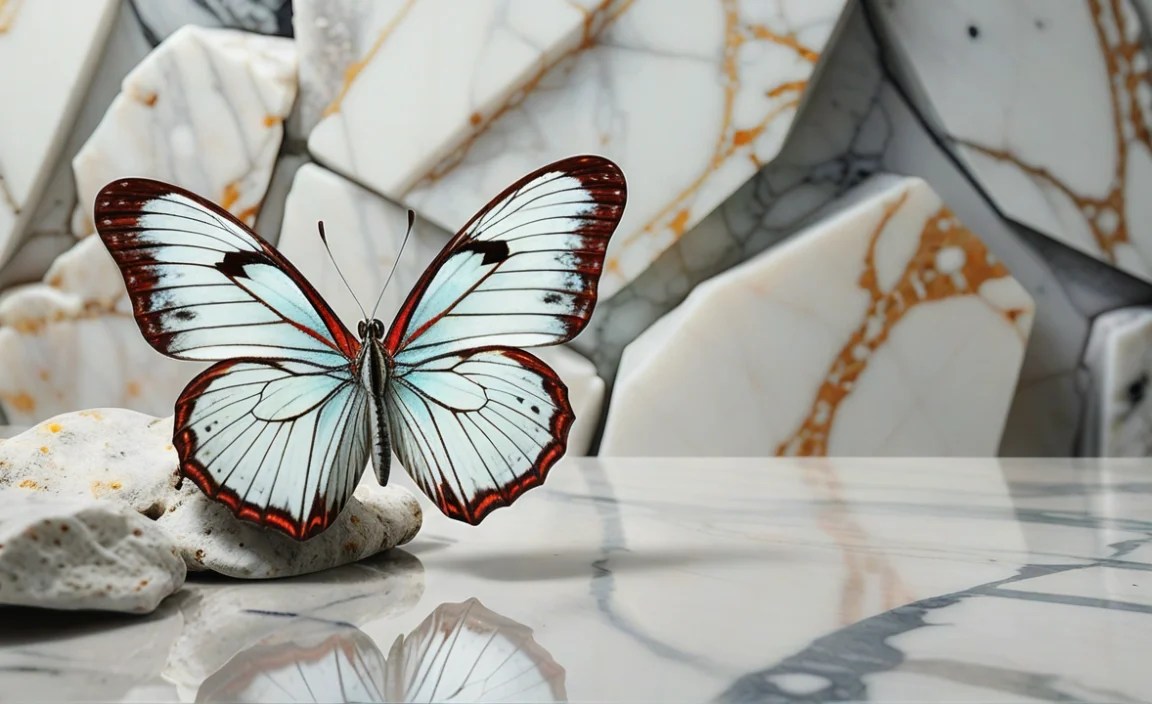
Island marble butterflies are known for their striking appearance. They have a wingspan of about 1.5 to 2 inches (3.8 to 5 cm). The upper side of their wings is white with dark gray or black markings along the edges. The underside of their hindwings has a beautiful pattern of green and white marbling, which gives them their name.
- Wingspan: 1.5 – 2 inches (3.8 – 5 cm)
- Color: White with dark gray or black markings
- Distinctive Feature: Green and white marbled pattern on hindwings
Habitat and Distribution
These butterflies live in open grasslands and meadows. They need specific plants to survive, especially those in the mustard family (Brassicaceae). Historically, they were found on several islands, but now they’re mostly limited to a few protected areas. You can find them in places like American Camp on San Juan Island, which is part of the San Juan Island National Historical Park.
Life Cycle
The Island marble butterfly has a fascinating life cycle, just like other butterflies. Here’s a quick breakdown:
- Eggs: Females lay their eggs on the leaves and stems of host plants.
- Larvae (Caterpillars): The caterpillars hatch and feed on the host plants. They are green and blend in well with the foliage.
- Pupae (Chrysalis): The caterpillar forms a chrysalis, which is usually attached to a stem or leaf.
- Adult Butterfly: After a period of time, the adult butterfly emerges from the chrysalis. They then mate, lay eggs, and the cycle starts again.
The entire life cycle takes about a year, with most of the time spent in the pupal stage. This is why protecting their habitat is so important – it ensures they have the resources they need throughout their entire life cycle.
Why are Island Marble Butterflies Endangered?
The Island marble butterfly is listed as endangered, and understanding why is crucial to helping them. Several factors have contributed to their decline.
Habitat Loss
One of the biggest threats is habitat loss. As land is developed for housing, agriculture, and other uses, the open grasslands and meadows where these butterflies live disappear. This leaves them with fewer places to find food and lay their eggs.
Invasive Species
Invasive plant species can also harm the Island marble butterfly. These plants can outcompete the native host plants that the caterpillars need to survive. For example, non-native grasses can take over meadows, reducing the availability of mustard plants.
Climate Change
Climate change is another serious threat. Changes in temperature and rainfall patterns can affect the timing of plant growth and butterfly emergence. This can disrupt the delicate balance between the butterflies and their host plants, making it harder for them to survive. Learn more about climate change impacts from the EPA’s climate change indicators.
Small Population Size
Because the Island marble butterfly is only found in a small area, its population size is naturally limited. Small populations are more vulnerable to extinction because they have less genetic diversity and are more susceptible to random events like diseases or natural disasters.
How to Identify an Island Marble Butterfly

Identifying an Island marble butterfly can be exciting, especially if you’re in their limited range. Here’s what to look for:
Key Identification Features
- Size: They have a wingspan of about 1.5 to 2 inches (3.8 to 5 cm).
- Wing Color: The upper side of the wings is mostly white with dark markings along the edges.
- Hindwing Pattern: The underside of the hindwings has a distinctive green and white marbled pattern.
- Flight Pattern: They tend to fly low to the ground in open areas.
Similar Species
It’s important to be able to distinguish Island marble butterflies from other similar species. Here are a few to watch out for:
- Large Marble (Euchloe ausonides): This is the broader species to which the Island marble belongs. The Island marble has a more distinct and intricate marbled pattern on the hindwings.
- Western White Butterfly (Pontia occidentalis): This butterfly is also white with dark markings, but it lacks the green marbling on the hindwings.
- Spring White (Pontia sisymbrii): Similar to the Western White, but usually appears earlier in the season.
To help you compare, here’s a table highlighting the key differences:
| Species | Size | Wing Color (Upper Side) | Hindwing Pattern (Underside) |
|---|---|---|---|
| Island Marble Butterfly | 1.5-2 inches | White with dark markings | Green and white marbled pattern |
| Large Marble | Similar to Island Marble | White with dark markings | Less distinct marbled pattern |
| Western White Butterfly | Similar to Island Marble | White with dark markings | No green marbling |
Best Time and Place to Spot Them
The best time to see Island marble butterflies is during their flight season, which typically runs from April to June. They are most active on sunny days in open grasslands and meadows. Focus your search on areas where their host plants, like mustard species, are abundant.
Conservation Efforts: How You Can Help
There are many ways you can contribute to the conservation of the Island marble butterfly. Every little bit helps!
Supporting Habitat Restoration
One of the most effective ways to help is by supporting habitat restoration projects. These projects focus on restoring and maintaining the open grasslands and meadows that the butterflies need. This can involve removing invasive species, planting native host plants, and managing vegetation to create suitable habitat.
You can get involved by:
- Volunteering: Join local conservation groups in habitat restoration activities.
- Donating: Support organizations that are working to protect and restore butterfly habitats.
- Advocating: Speak up for the protection of butterfly habitats in your community.
Creating a Butterfly-Friendly Garden
Even if you don’t live near the Island marble’s habitat, you can still help by creating a butterfly-friendly garden. Here’s how:
- Plant Host Plants: Include plants from the mustard family (Brassicaceae), which are essential for the caterpillars.
- Provide Nectar Sources: Plant a variety of flowering plants that provide nectar for adult butterflies.
- Avoid Pesticides: Pesticides can harm butterflies and other beneficial insects. Use natural pest control methods instead.
- Provide Water: Butterflies need water to stay hydrated. You can provide a shallow dish of water with pebbles for them to land on.
Raising Awareness
Raising awareness about the Island marble butterfly is another important way to help. The more people know about these butterflies and the threats they face, the more support there will be for conservation efforts.
You can raise awareness by:
- Sharing Information: Talk to your friends, family, and neighbors about the Island marble butterfly.
- Using Social Media: Share articles, photos, and videos about the butterflies on social media.
- Supporting Education Programs: Encourage schools and organizations to include information about the Island marble butterfly in their education programs.
Supporting Sustainable Practices
Supporting sustainable practices in your daily life can also benefit the Island marble butterfly. This includes reducing your carbon footprint, conserving water, and buying locally sourced and sustainable products.
Here are some specific actions you can take:
- Reduce Energy Consumption: Use energy-efficient appliances, turn off lights when you leave a room, and consider renewable energy sources.
- Conserve Water: Take shorter showers, fix leaks, and water your garden efficiently.
- Buy Local: Support local farmers and businesses that use sustainable practices.
- Reduce, Reuse, Recycle: Minimize waste by reducing consumption, reusing items, and recycling materials.
The Future of the Island Marble Butterfly
The future of the Island marble butterfly depends on continued conservation efforts and increased awareness. While the challenges are significant, there is reason for optimism. With dedicated research, habitat restoration, and community support, it is possible to protect these beautiful butterflies for future generations.
Ongoing Research and Monitoring
Scientists are actively studying the Island marble butterfly to better understand its needs and the threats it faces. This research includes:
- Population Monitoring: Tracking the size and distribution of butterfly populations.
- Habitat Assessment: Evaluating the quality and availability of butterfly habitats.
- Genetic Studies: Investigating the genetic diversity of butterfly populations.
This information is used to inform conservation strategies and monitor the effectiveness of restoration efforts. Organizations like the Xerces Society and the U.S. Fish and Wildlife Service are key players in these research and monitoring efforts. You can read more about their work on the U.S. Fish and Wildlife Service website.
Community Involvement
Community involvement is essential for the long-term success of Island marble butterfly conservation. Local residents, landowners, and organizations all have a role to play in protecting these butterflies and their habitat.
Here are some ways the community can get involved:
- Participating in Citizen Science Projects: Contributing to data collection by reporting butterfly sightings.
- Adopting Sustainable Land Management Practices: Managing land in a way that benefits butterflies and other wildlife.
- Supporting Local Conservation Organizations: Providing financial and volunteer support to organizations working to protect the Island marble butterfly.
FAQ About Island Marble Butterflies
Here are some frequently asked questions about Island marble butterflies:
What do Island marble butterflies eat?
Island marble butterfly caterpillars primarily eat plants in the mustard family (Brassicaceae). Adult butterflies feed on nectar from various flowering plants.
Where can I see Island marble butterflies?
Island marble butterflies are primarily found in the San Juan Islands of Washington State and nearby parts of British Columbia, particularly in open grasslands and meadows.
Why are Island marble butterflies endangered?
They are endangered due to habitat loss, invasive species, climate change, and small population size.
How can I help protect Island marble butterflies?
You can help by supporting habitat restoration, creating a butterfly-friendly garden, raising awareness, and supporting sustainable practices.
What is the lifespan of an Island marble butterfly?
The Island marble butterfly has a lifespan of about one year, with most of that time spent in the pupal stage.
What is the role of the Island Marble Butterfly in its ecosystem?
As pollinators, they help plants reproduce. They also serve as a food source for birds and other insects, contributing to the food web.
How do climate change and global warming affect the Island Marble Butterfly?
Climate change can disrupt the timing of plant growth and butterfly emergence, affecting the availability of food and suitable habitat, making it harder for them to survive.
Conclusion
The Island marble butterfly is a unique and precious species that faces many challenges. By understanding their needs and taking action to protect their habitat, we can all play a part in ensuring their survival. Whether it’s supporting habitat restoration, creating a butterfly-friendly garden, or raising awareness, every effort counts. Let’s work together to protect these beautiful butterflies and the natural world they call home. The future of the Island marble butterfly depends on our collective commitment to conservation, and with your help, we can make a difference.


