Miami Blue Butterfly: Spot This Rare Beauty!

The Miami blue butterfly is one of the rarest butterflies in the world. Once abundant in South Florida, it faced near extinction due to habitat loss and pesticide use. Conservation efforts, including captive breeding and habitat restoration, are crucial for its survival. Spotting one is a special experience, a testament to the power of conservation.
Have you ever dreamed of seeing a butterfly so rare it’s like a tiny, fluttering jewel? The Miami blue butterfly is just that – a creature of incredible beauty and fragility. Once common in South Florida, it almost vanished completely. But don’t worry; this guide will give you the essential facts about this endangered butterfly, explaining its life cycle, habitat needs, and the amazing efforts to bring it back from the brink. Get ready to discover the magic of the Miami blue!
What is the Miami Blue Butterfly?

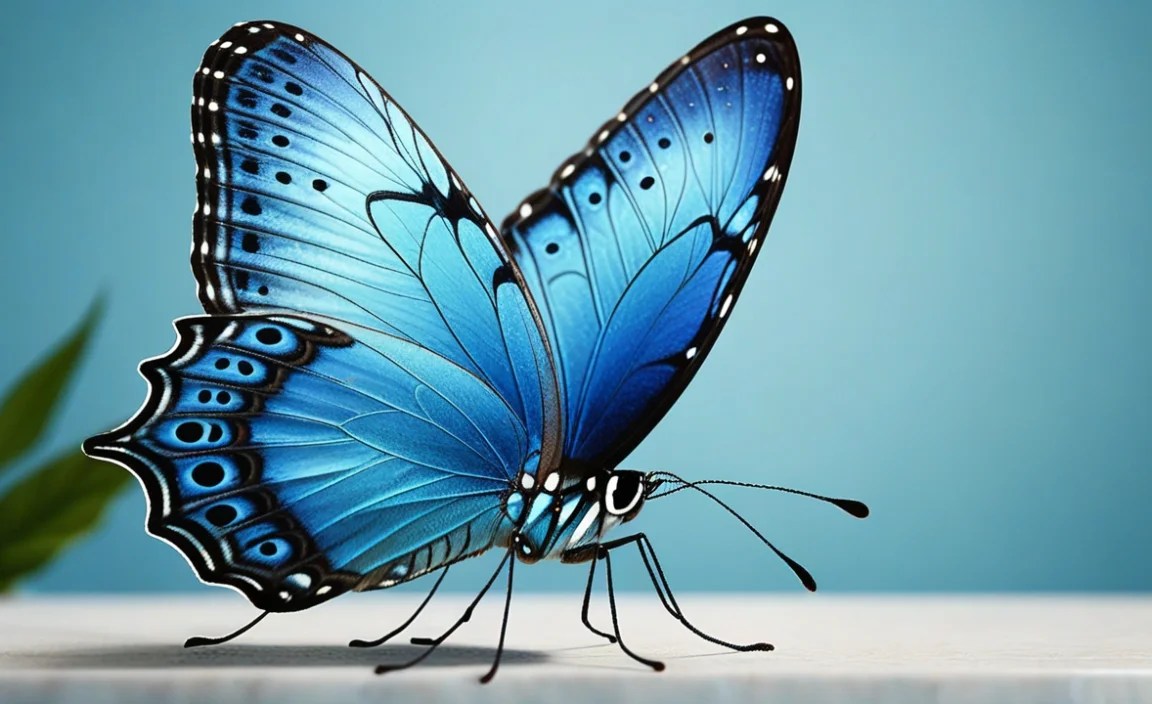
The Miami blue butterfly (Cyclargus thomasi bethune-bakeri) is a small butterfly native to South Florida. It’s known for its bright blue wings in males and grayish-brown wings with blue scaling in females. This butterfly is critically endangered, making it a high priority for conservation efforts.
Identifying the Miami Blue Butterfly

Identifying the Miami blue butterfly can be tricky, as it’s small and similar to other blue butterflies. Here’s what to look for:
- Size: Small, with a wingspan of about 1 inch.
- Color: Males have bright blue wings; females are grayish-brown with some blue scaling.
- Markings: Look for small black spots with white borders on the underside of the wings.
- Habitat: Found in coastal areas of South Florida, particularly near its larval host plants.
Life Cycle of the Miami Blue Butterfly
Understanding the life cycle of the Miami blue butterfly is key to appreciating its vulnerability. Here’s a breakdown:
- Egg: Tiny, greenish-white eggs are laid on the host plant.
- Larva (Caterpillar): The caterpillar feeds on the host plant, growing and molting several times.
- Pupa (Chrysalis): The caterpillar forms a chrysalis, where it undergoes metamorphosis.
- Adult: The adult butterfly emerges from the chrysalis, ready to reproduce.
Habitat and Distribution

The Miami blue butterfly’s habitat is very specific, which contributes to its endangered status. It prefers coastal areas with its host plants.
- Primary Habitat: Coastal areas of South Florida, including beaches, dunes, and coastal hardwood hammocks.
- Host Plants: The primary host plant is gray nickerbean (Caesalpinia bonduc). Other host plants include blackbead (Pithecellobium keyense) and balloon vine (Cardiospermum corindum).
- Current Distribution: Limited to a few isolated locations in the Florida Keys and potentially mainland South Florida.
Threats to the Miami Blue Butterfly
Several factors have led to the decline of the Miami blue butterfly:
- Habitat Loss: Coastal development has destroyed much of its natural habitat.
- Pesticide Use: Insecticides can directly kill the butterflies and their larvae.
- Natural Disasters: Hurricanes and other storms can devastate populations and habitats.
- Climate Change: Rising sea levels and changing weather patterns threaten coastal habitats.
Conservation Efforts
Bringing the Miami blue butterfly back from the brink requires dedicated conservation efforts. Here are some key strategies:
- Captive Breeding: Rearing butterflies in a controlled environment to increase population numbers.
- Habitat Restoration: Planting host plants and removing invasive species to improve habitat quality.
- Pesticide Reduction: Promoting the use of butterfly-friendly gardening practices and reducing pesticide use in critical habitats.
- Monitoring: Regularly surveying populations to track their numbers and distribution.
How You Can Help
Even if you don’t live in South Florida, you can support Miami blue butterfly conservation:
- Support Conservation Organizations: Donate to or volunteer with organizations working to protect endangered species and their habitats.
- Educate Others: Share information about the Miami blue butterfly and its conservation needs with friends, family, and your community.
- Practice Butterfly-Friendly Gardening: Avoid using pesticides and plant native flowers that provide nectar for butterflies in your garden.
- Advocate for Conservation Policies: Support policies that protect endangered species and their habitats.
Captive Breeding Programs
Captive breeding is a critical tool for boosting the Miami blue butterfly population. Here’s how it works:
- Collection: A small number of butterflies are collected from the wild.
- Breeding: Butterflies are bred in a controlled environment to maximize reproduction.
- Larval Rearing: Caterpillars are raised on host plants until they pupate.
- Release: Adult butterflies are released back into suitable habitats to augment wild populations.
Habitat Restoration Projects
Restoring and protecting the Miami blue butterfly’s habitat is essential for its long-term survival. These projects typically involve:
- Host Plant Planting: Planting gray nickerbean, blackbead, and other host plants to provide food for caterpillars.
- Invasive Species Removal: Removing invasive plants that compete with host plants and degrade habitat quality.
- Habitat Management: Implementing practices such as prescribed burns to maintain healthy coastal habitats.
- Protection: Establishing protected areas where development and other threats are limited.
The Role of Gray Nickerbean
Gray nickerbean (Caesalpinia bonduc) is the primary host plant for the Miami blue butterfly. The caterpillars feed on its leaves, making it essential for their survival.
- Importance: Provides food for Miami blue butterfly larvae.
- Characteristics: A sprawling shrub with prickly stems and yellow flowers.
- Habitat: Found in coastal areas of South Florida.
Monitoring Butterfly Populations
Regular monitoring helps track the success of conservation efforts and identify new threats. Monitoring typically involves:
- Surveys: Counting butterflies at specific locations to estimate population size.
- Habitat Assessment: Evaluating the quality of habitat and identifying areas for restoration.
- Data Analysis: Analyzing data to track population trends and assess the effectiveness of conservation actions.
The Future of the Miami Blue Butterfly
The future of the Miami blue butterfly depends on continued conservation efforts and increased awareness. While challenges remain, there is hope for its recovery.
- Ongoing Efforts: Captive breeding, habitat restoration, and monitoring continue to be essential.
- Challenges: Habitat loss, climate change, and pesticide use remain significant threats.
- Hope: With continued dedication and support, the Miami blue butterfly can thrive once again.
Table: Comparison of Butterfly Conservation Methods
| Method | Description | Pros | Cons |
|---|---|---|---|
| Captive Breeding | Breeding butterflies in a controlled environment. | Increases population size, reduces risk of extinction. | Can be expensive, may reduce genetic diversity. |
| Habitat Restoration | Restoring and protecting butterfly habitats. | Provides long-term benefits, supports other species. | Can be time-consuming, requires significant resources. |
| Pesticide Reduction | Reducing pesticide use in critical habitats. | Protects butterflies and other beneficial insects. | Requires changes in agricultural and gardening practices. |
| Monitoring | Tracking butterfly populations and habitat quality. | Provides data for informed decision-making, identifies threats. | Can be labor-intensive, requires specialized expertise. |
Table: Miami Blue Butterfly Life Cycle Stages
| Stage | Description | Duration |
|---|---|---|
| Egg | Tiny, greenish-white eggs laid on host plants. | Several days |
| Larva (Caterpillar) | Caterpillar feeds on host plant, molting several times. | Several weeks |
| Pupa (Chrysalis) | Caterpillar forms a chrysalis and undergoes metamorphosis. | About a week |
| Adult | Butterfly emerges from chrysalis, reproduces, and dies. | Several days to a few weeks |
External Resources
- U.S. Fish and Wildlife Service
- Florida Museum of Natural History
- The Xerces Society for Invertebrate Conservation
FAQ About the Miami Blue Butterfly
What does the Miami blue butterfly look like?
Male Miami blue butterflies have bright blue wings, while females are grayish-brown with some blue scaling. They are small, with a wingspan of about 1 inch.
Where does the Miami blue butterfly live?
They live in coastal areas of South Florida, particularly near their host plants like gray nickerbean.
Why is the Miami blue butterfly endangered?
Habitat loss, pesticide use, and natural disasters have significantly reduced their populations.
What can I do to help the Miami blue butterfly?
Support conservation organizations, educate others, and practice butterfly-friendly gardening by avoiding pesticides and planting native flowers.
What is captive breeding?
Captive breeding involves raising butterflies in a controlled environment to increase their numbers and then releasing them back into the wild.
What is habitat restoration?
Habitat restoration includes planting host plants, removing invasive species, and managing habitats to improve the quality of the butterfly’s environment.
What is the main host plant for the Miami blue butterfly?
The primary host plant is gray nickerbean (Caesalpinia bonduc), which the caterpillars feed on.
Conclusion
The Miami blue butterfly is more than just a pretty insect; it’s a symbol of the challenges facing endangered species and the power of conservation. By understanding its life cycle, habitat needs, and the threats it faces, we can all play a role in its survival. Whether you’re supporting conservation organizations, planting native flowers in your garden, or simply spreading awareness, your efforts can make a difference. Let’s work together to ensure that future generations can witness the beauty of the Miami blue butterfly fluttering in its natural habitat. The journey to recovery is ongoing, but with dedicated efforts, there is hope for this tiny jewel of the butterfly world.