
Butterfly Wing Texture Photos: + Free Stunning Details

Quick Summary
Butterfly wing texture photos reveal intricate patterns and microscopic structures. These aren’t just colors; they’re tiny scales that create vibrant displays and help butterflies fly! You can capture these details with macro lenses or even your smartphone using clip-on lenses. Understanding this texture helps us appreciate butterfly beauty and its role in nature.
Have you ever been captivated by the vibrant colors and delicate patterns on a butterfly’s wings? It’s easy to get lost in their beauty, but have you ever wondered what makes up that beauty? What if I told you that the texture of a butterfly’s wing is just as fascinating as its colors?
Many people struggle to see the intricate details of butterfly wings. In this guide, I’ll show you how to explore the hidden world of butterfly wing texture through photography. We’ll cover the equipment you need, the best techniques for capturing stunning images, and how to appreciate the science behind these amazing structures. Get ready to discover a whole new level of butterfly appreciation!
Understanding Butterfly Wing Texture
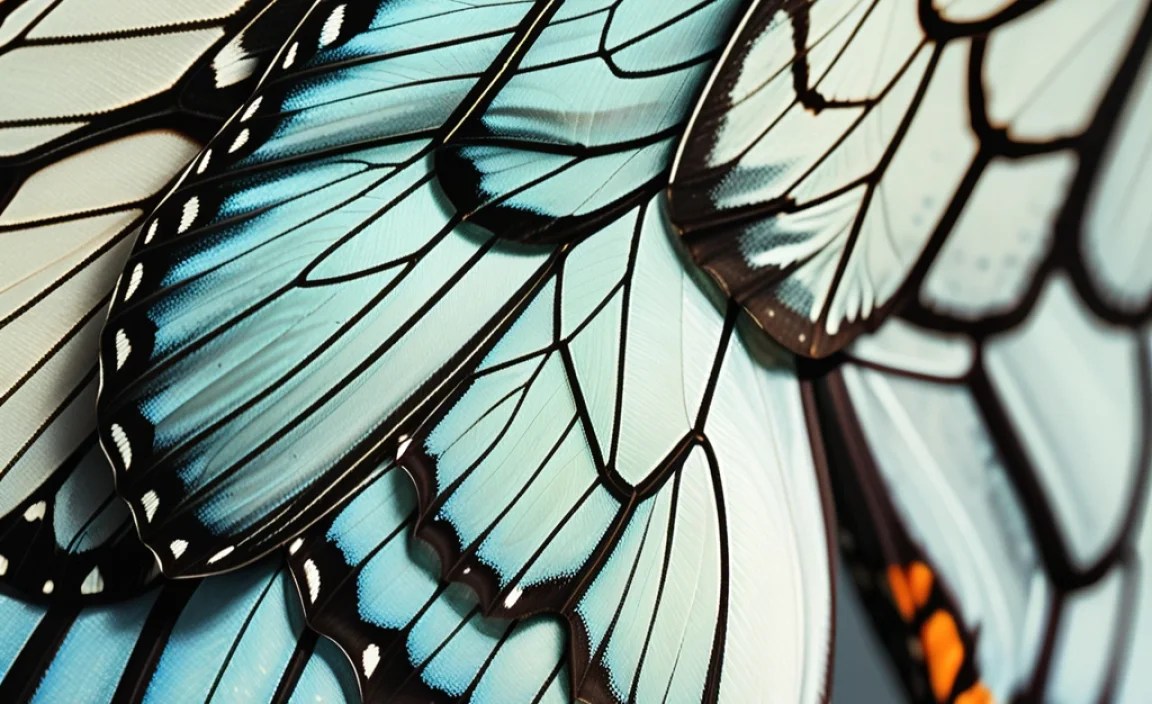
Butterfly wings aren’t just smooth surfaces painted with color. They are covered in thousands of tiny scales, much like roof shingles. These scales create the colors and patterns we see, and they also play a vital role in flight and insulation.
The Microscopic World of Scales
Each scale is a tiny, ridged structure that reflects light in different ways. The arrangement and pigmentation of these scales determine the colors and patterns we see. Under a microscope, the scales look like tiny jewels, each contributing to the overall beauty of the wing.
- Color Creation: Pigments within the scales absorb certain wavelengths of light and reflect others, creating the colors we perceive.
- Structural Color: Some colors, like the iridescent blues and greens, are created by the structure of the scales themselves, which bend and scatter light.
- Insulation: The scales provide a layer of insulation, helping butterflies regulate their body temperature.
- Flight: The scales help reduce drag and improve airflow over the wings, making flight more efficient.
Why Photographing Wing Texture Matters
Photographing butterfly wing texture allows us to appreciate the intricate details that are often invisible to the naked eye. It’s a way to connect with nature on a deeper level and to understand the science behind these beautiful creatures. Plus, the images can be stunning works of art in themselves.
Equipment for Capturing Butterfly Wing Texture Photos

To capture stunning butterfly wing texture photos, you’ll need the right equipment. Here’s a breakdown of what you’ll need:
Camera Options
- DSLR or Mirrorless Camera: These cameras offer the most control and flexibility, allowing you to adjust settings like aperture, shutter speed, and ISO.
- Macro Lens: A macro lens is essential for capturing close-up details. Look for a lens with a 1:1 magnification ratio, which means that the image on the sensor is the same size as the subject in real life.
- Smartphone with Macro Lens Attachment: Smartphones have come a long way in terms of camera quality. A clip-on macro lens can turn your phone into a powerful tool for capturing butterfly wing texture.
Lighting Equipment
Good lighting is crucial for capturing detail. Natural light is ideal, but you may need to supplement it with artificial light, especially in shaded areas.
- Reflector: A reflector can bounce sunlight onto the butterfly, filling in shadows and bringing out detail.
- Diffuser: A diffuser softens harsh sunlight, creating a more even and pleasing light.
- Macro Flash: A macro flash is designed to provide even lighting for close-up photography. It can be especially useful in low-light conditions.
Other Essential Gear
- Tripod: A tripod is essential for keeping your camera steady, especially when using a macro lens.
- Remote Shutter Release: A remote shutter release allows you to take photos without touching the camera, reducing the risk of camera shake.
- Spray Bottle: A fine mist of water can enhance the texture of the butterfly’s wings.
Step-by-Step Guide to Photographing Butterfly Wing Texture

Now that you have the equipment, let’s dive into the steps for capturing stunning butterfly wing texture photos.
Step 1: Finding Your Subject
The first step is to find a cooperative butterfly. Look for butterflies in gardens, meadows, and other areas where they are likely to be found. The best time to photograph butterflies is in the early morning or late afternoon when they are less active and the light is softer.
Step 2: Approaching the Butterfly
Approach the butterfly slowly and carefully to avoid startling it. Move in small increments and avoid sudden movements. If the butterfly flies away, don’t give up! Try again later or look for another subject.
Step 3: Setting Up Your Camera
Set up your camera on a tripod and attach your macro lens. If you’re using a smartphone, attach the clip-on macro lens. Adjust your camera settings as follows:
- Aperture: Use a narrow aperture (e.g., f/8 or f/11) to maximize depth of field. This will ensure that more of the wing is in focus.
- Shutter Speed: Use a fast enough shutter speed to avoid motion blur. A good starting point is 1/200th of a second.
- ISO: Keep the ISO as low as possible to minimize noise. Start with ISO 100 and increase it only if necessary.
- Focus: Use manual focus for precise control. Zoom in on the butterfly’s wing and adjust the focus until the scales are sharp.
Step 4: Lighting and Composition
Pay attention to the lighting and composition of your shot. Use a reflector or diffuser to control the light. Experiment with different angles and perspectives to find the most visually appealing composition.
Step 5: Capturing the Shot
Once you’re happy with the setup, take the shot. Use a remote shutter release to avoid camera shake. Take multiple shots, varying the focus and composition slightly, to increase your chances of getting a great image.
Step 6: Post-Processing
After you’ve captured the shots, it’s time to process them. Use photo editing software like Adobe Photoshop or Lightroom to adjust the exposure, contrast, and sharpness. You can also use these tools to remove any distractions and enhance the colors.
Techniques for Enhancing Texture in Butterfly Wing Photos

Here are some advanced techniques to help you capture even more stunning butterfly wing texture photos:
Focus Stacking
Focus stacking is a technique that involves taking multiple photos of the same subject at different focus points and then combining them in post-processing. This creates an image with a much greater depth of field than would be possible with a single shot. Focus stacking is especially useful for macro photography, where depth of field is often very shallow. Software like Helicon Focus or Zerene Stacker can be used for this purpose.
Using Water Droplets
Spraying a fine mist of water on the butterfly’s wings can enhance the texture and make the scales stand out more. Use a spray bottle with a fine mist setting and be careful not to overdo it. Too much water can damage the butterfly’s wings.
Experimenting with Light
Experiment with different types of light to see how they affect the texture of the butterfly’s wings. Side lighting can bring out the texture, while backlighting can create a dramatic effect. Try using a flashlight or other artificial light source to create interesting shadows and highlights.
Polarizing Filter
A polarizing filter can reduce glare and reflections, making the colors more saturated and the texture more visible. This is especially useful when photographing butterflies in bright sunlight.
Understanding the Science Behind Butterfly Wing Texture
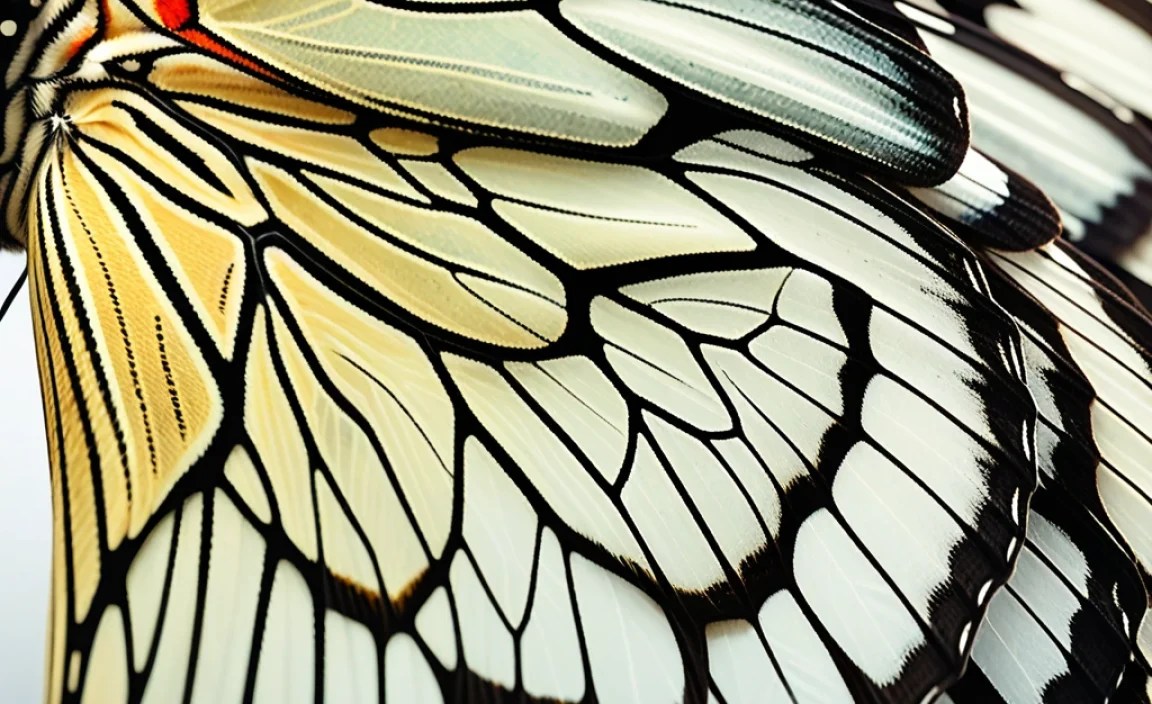
The beauty of butterfly wings isn’t just skin deep. The texture and structure of the wings play a crucial role in the butterfly’s survival. Here’s a closer look at the science behind butterfly wing texture:
Thermoregulation
Butterfly wings help regulate the butterfly’s body temperature. Dark-colored wings absorb more sunlight, which helps the butterfly warm up. Light-colored wings reflect sunlight, which helps the butterfly stay cool. The scales on the wings also provide a layer of insulation, helping to trap heat.
Camouflage and Mimicry
The patterns and colors on butterfly wings can help them blend in with their surroundings, providing camouflage from predators. Some butterflies also mimic the appearance of poisonous or distasteful species, deterring predators from attacking them.
Flight Efficiency
The scales on butterfly wings help reduce drag and improve airflow, making flight more efficient. The shape and arrangement of the scales are optimized for aerodynamic performance. Research from institutions like the Smithsonian highlights the importance of wing structure in butterfly flight.
Water Repellency
The surface of butterfly wings is covered in tiny structures that make them water-repellent. This helps the butterfly stay dry in wet conditions, which is important for survival. The National Geographic has documented the fascinating adaptations of butterfly wings to various environmental conditions.
Table: Common Butterfly Wing Textures and Their Functions
| Texture Type | Description | Function |
|---|---|---|
| Smooth Scales | Flat, overlapping scales | Efficient flight, minimal drag |
| Iridescent Scales | Scales with microscopic structures that bend light | Attracting mates, camouflage |
| Dark Pigmented Scales | Scales containing melanin | Thermoregulation (heat absorption) |
| Light Pigmented Scales | Scales lacking dark pigments | Thermoregulation (heat reflection) |
| Scent Scales (Androconia) | Specialized scales found on male butterflies | Releasing pheromones to attract females |
Tips for Ethical Butterfly Photography
It’s important to photograph butterflies in a way that doesn’t harm them or their environment. Here are some tips for ethical butterfly photography:
- Avoid Handling Butterflies: Handling butterflies can damage their delicate wings and stress them. Only handle butterflies if it’s absolutely necessary, and always do so gently.
- Don’t Remove Butterflies from Their Habitat: Removing butterflies from their natural habitat can disrupt their life cycle and harm the local ecosystem.
- Be Mindful of Your Footprint: Stay on marked trails and avoid trampling vegetation. Pack out everything you pack in.
- Respect Private Property: Obtain permission before photographing butterflies on private property.
- Support Conservation Efforts: Donate to organizations that are working to protect butterflies and their habitats. The Xerces Society is a great resource for learning about butterfly conservation.
Table: Butterfly Conservation Status and Threats
| Conservation Status | Threats | Examples |
|---|---|---|
| Least Concern | Habitat Loss, Climate Change | Monarch (regional concern), Cabbage White |
| Near Threatened | Habitat Fragmentation, Pesticide Use | Some Swallowtail Species |
| Vulnerable | Over-Collection, Invasive Species | Some Birdwing Species |
| Endangered | Extreme Habitat Loss, Climate Change | Miami Blue, Schaus’ Swallowtail |
| Critically Endangered | Very Limited Habitat, Specific Host Plant Loss | Palos Verdes Blue |
FAQ: Butterfly Wing Texture Photography
What is the best lens for photographing butterfly wing texture?
A macro lens with a 1:1 magnification ratio is ideal. This allows you to capture the tiny scales in great detail.
What camera settings should I use?
Use a narrow aperture (e.g., f/8 or f/11) to maximize depth of field, a fast enough shutter speed to avoid motion blur (e.g., 1/200th of a second), and the lowest possible ISO to minimize noise.
How do I focus on the butterfly’s wing?
Use manual focus for precise control. Zoom in on the wing and adjust the focus until the scales are sharp.
How can I enhance the texture of the wings?
Try spraying a fine mist of water on the wings or using side lighting to bring out the texture.
What is focus stacking?
Focus stacking is a technique that involves taking multiple photos of the same subject at different focus points and then combining them in post-processing to create an image with a greater depth of field.
Is it ethical to handle butterflies for photography?
It’s best to avoid handling butterflies, as it can damage their delicate wings and stress them. Only handle them if absolutely necessary, and always do so gently.
How can I help protect butterflies?
Support conservation efforts, avoid using pesticides in your garden, and plant butterfly-friendly flowers.
Conclusion
Photographing butterfly wing texture is a rewarding way to connect with nature and appreciate the intricate beauty of these amazing creatures. By using the right equipment, mastering the techniques, and understanding the science behind butterfly wing texture, you can capture stunning images that reveal the hidden world of these delicate insects. Remember to always practice ethical photography and support conservation efforts to help protect butterflies and their habitats for future generations.


