
Blue Morpho Behavior in Captivity: Secrets Revealed

Have you ever seen a butterfly so blue it looks like the sky? That might be a Blue Morpho. These amazing butterflies live in rainforests. But what happens when we keep them in special places? Let’s learn about Blue Morpho behavior in captivity. It is very interesting to see how they change.
These butterflies need special care. We must understand what makes them happy. Then we can help them live well. Are you ready to explore their world? Let’s discover the secrets of these blue beauties!
Key Takeaways
- Blue Morphos need very warm and humid places to thrive.
- Providing the right food is key to their survival in enclosures.
- Understanding Blue Morpho behavior in captivity helps improve care.
- Their bright blue wings are used to scare away predators.
- These butterflies mostly eat rotting fruit and tree sap.
Understanding Blue Morpho Needs in Captivity
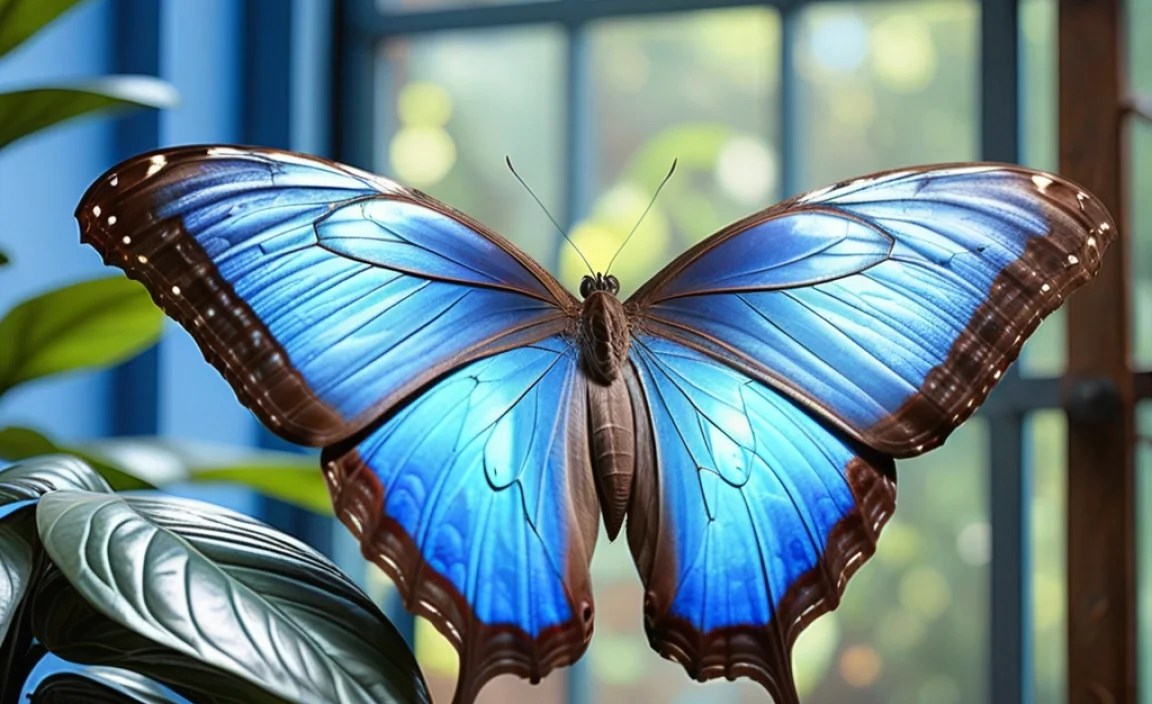
When we bring Blue Morphos into special butterfly houses, we need to know what they like. These butterflies come from warm, wet rainforests. So, they need a warm and humid place to live. The temperature should be around 80-85°F (27-29°C). Humidity needs to be high, about 70-80%. This helps them feel like they are at home. They also need lots of light. Natural sunlight is best, but special lights can work too. Giving them the right environment is key. It helps them stay healthy and happy. We want them to fly around and show off their pretty blue wings. Without the right setting, they may not eat or fly as much. This can make them sick. We must make their new home just right for them.
- Warm temperatures are important.
- High humidity keeps them happy.
- Lots of light helps them see.
- A big space lets them fly.
- The right plants make them feel safe.
Food is also very important. In the wild, Blue Morphos eat juicy, rotting fruit. They also drink tree sap. In butterfly houses, we give them similar things. We can offer them overripe bananas, mangoes, and other sweet fruits. Sometimes, we give them a special drink. This drink has water, sugar, and a little bit of yeast. It gives them the energy they need. We must always make sure they have fresh food and water. This keeps them strong and healthy. Watching them eat is fun. They use their long tongues to sip up the sweet juice. It’s like watching them drink a yummy smoothie!
Fun Fact or Stat: Blue Morpho butterflies can live for about 115 days in captivity if they are well taken care of!
What Is the Ideal Temperature for Blue Morphos?
Have you ever felt too hot or too cold? Blue Morphos feel that way too! They need a warm place to thrive. The best temperature for them is between 80 and 85 degrees Fahrenheit. This is like a warm summer day. If it gets too cold, they can’t fly very well. They might even get sick. Keeping the temperature steady is important. We can use heaters and coolers to help. We also need to check the temperature often. This makes sure it is just right for them. Think of it like making a perfect cup of hot chocolate. Not too hot, not too cold, but just right!
How Much Humidity Do They Require?
Imagine living in a rainforest. It is always wet and humid. Blue Morphos love that kind of air. They need a lot of moisture in the air to stay healthy. The best humidity for them is between 70 and 80 percent. This is like a steamy bathroom after a shower. If the air is too dry, their wings can get damaged. They might also have trouble breathing. We can use special machines called humidifiers to add moisture to the air. We also need to check the humidity often. This makes sure it is just right for them. Keeping the air humid helps them feel like they are in their real home.
What Kind of Lighting Is Best?
Have you ever noticed how plants grow towards the sun? Blue Morphos also need light. Light helps them see and fly. Natural sunlight is the best light for them. But sometimes, we can’t give them real sunlight. So, we use special lights that are like sunlight. These lights help them feel like they are outside. They also help them find food and mates. We need to make sure they get enough light each day. About 12 hours of light is good for them. This helps them stay active and healthy. Think of it like turning on the lights in your house. It makes everything brighter and easier to see!
Diet and Feeding Habits in Captivity

What do Blue Morphos eat in the wild? They love the juices from rotting fruit. They also sip tree sap. In butterfly houses, we try to give them the same yummy treats. We offer them overripe bananas, mangoes, and papayas. These fruits are soft and juicy. It makes it easy for them to eat. We also give them a special sugary drink. This drink has water, sugar, and a little bit of yeast. It gives them extra energy. We put the food in small dishes. The dishes are bright colors. This helps the butterflies find the food. We need to change the food every day. This keeps it fresh and clean. Watching them eat is so much fun. They unroll their long tongues and sip up the juice!
- Offer overripe fruit like bananas.
- Provide a sugary water mix.
- Use bright dishes to attract them.
- Change the food every day.
- Make sure the food is soft.
Sometimes, Blue Morphos can be picky eaters. They might not like the food we give them. If this happens, we can try different things. We can try different kinds of fruit. We can also change the sugar mix. It is important to watch them closely. If they are not eating, they might get weak. We can also hand-feed them. We use a small brush to put the food near their mouth. This helps them taste the food. Once they taste it, they might start eating on their own. Being patient and trying new things is key. It helps them get the food they need to stay healthy and strong.
Fun Fact or Stat: A Blue Morpho butterfly’s tongue, called a proboscis, can be longer than its body!
How Often Should You Feed Them?
Imagine you are always hungry. You would want to eat all the time! Blue Morphos need to eat every day. They need energy to fly and stay healthy. We should give them fresh food and water every morning. This gives them a good start to the day. We also need to check their food during the day. If it is all gone, we should give them more. It is like checking your pet’s food bowl. You want to make sure they always have something to eat. Feeding them regularly helps them stay strong and happy.
What Fruits Do Blue Morphos Prefer?
Have you ever had a favorite snack? Blue Morphos have favorite fruits too! They really like overripe bananas. These bananas are soft and sweet. They also like mangoes and papayas. These fruits are juicy and easy to eat. We can also give them other fruits like peaches and pears. It is fun to see which fruits they like best. We can put out different fruits and watch what they eat. This helps us learn what they prefer. Giving them their favorite fruits makes them happy and healthy.
How to Prepare Food for Blue Morphos?
Making food for Blue Morphos is like making a snack for a baby. We need to make sure it is soft and easy to eat. We can cut the fruit into small pieces. We can also mash it up a little bit. This makes it easier for them to sip the juice. The sugary water mix should be very sweet. We can use honey or sugar to make it sweet. We need to mix it well so the sugar dissolves. We should always use fresh, clean water. This keeps the food safe and healthy. Preparing the food carefully helps the butterflies eat easily and stay strong.
Social Interactions in a Captive Environment
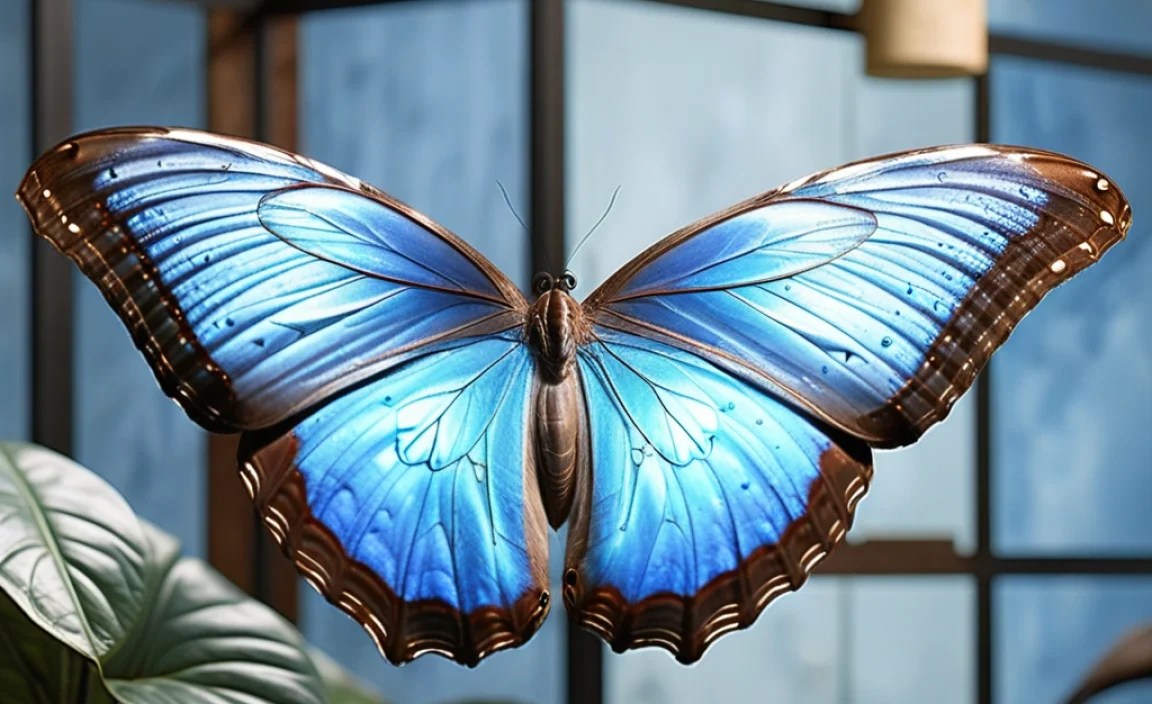
Do you like to play with your friends? Blue Morphos also interact with each other. In a butterfly house, they fly around together. They might chase each other or flutter near each other. These interactions are important for them. They help them feel like they are part of a group. Sometimes, they might fight over food or space. But most of the time, they get along well. We can help them by giving them enough space. A big butterfly house is better than a small one. We can also give them lots of food and water. This helps them avoid fighting over resources. Watching them interact is like watching kids play in a park. It is fun to see them fly and play together.
- Provide plenty of space for flying.
- Ensure enough food and water.
- Observe their interactions.
- Add plants for hiding and resting.
- Keep the environment calm.
Sometimes, Blue Morphos might not interact much. They might just sit on a plant and rest. This is okay too. They need time to rest and relax. We should not bother them when they are resting. We can also add more plants to the butterfly house. This gives them places to hide and feel safe. A calm environment is best for them. Loud noises and sudden movements can scare them. We want them to feel comfortable and happy. This helps them interact with each other in a positive way.
Fun Fact or Stat: Blue Morpho butterflies often gather in large groups, especially near water sources!
Do Blue Morphos Form Social Hierarchies?
Have you ever seen animals that have a leader? Some animals have a boss. But Blue Morphos do not really have a boss. They do not form a social hierarchy. They mostly just fly around and do their own thing. Sometimes, bigger butterflies might chase away smaller ones. This is more about space and food. It is not really about being the boss. We should make sure everyone has enough space. This helps them avoid chasing each other too much. Giving them enough food also helps. Then they do not have to fight over it. It is like making sure everyone gets a fair share of the cookies.
How Do They Communicate With Each Other?
Imagine trying to talk without using words. Blue Morphos communicate in different ways. They use their bright blue wings to send signals. The blue color can scare away predators. It can also attract mates. They also use special chemicals called pheromones. These chemicals send messages to other butterflies. We cannot smell these chemicals. But the butterflies can! They use their antennae to smell the pheromones. This helps them find each other and mate. It is like sending secret messages that only they can understand.
What Happens If They Are Overcrowded?
Have you ever been in a crowded room? It can be uncomfortable! Blue Morphos also do not like being crowded. If there are too many butterflies in one place, they can get stressed. They might start fighting over food and space. They might also get sick more easily. We need to make sure they have enough room to fly. A big butterfly house is better than a small one. We also need to keep the butterfly house clean. This helps prevent diseases from spreading. Giving them enough space and a clean environment helps them stay healthy and happy.
Breeding Behavior in Captivity

Have you ever seen baby animals? It is so exciting to see new life! Breeding Blue Morphos in butterfly houses is a special process. It starts with the right environment. The temperature and humidity must be perfect. The butterflies also need special plants. These plants are where they lay their eggs. The female butterfly lays her eggs on the leaves. The eggs are tiny and green. They look like little jewels. After a few days, the eggs hatch into caterpillars. The caterpillars eat the leaves and grow bigger. Then, they turn into pupae. The pupae are like sleeping bags. Inside the pupae, the caterpillars change into butterflies. Finally, the butterflies emerge from the pupae. It is a beautiful sight to see them fly for the first time!
- Maintain proper temperature and humidity.
- Provide host plants for egg-laying.
- Monitor the caterpillars.
- Protect the pupae.
- Ensure newly emerged butterflies have food.
- Keep the environment clean.
Breeding Blue Morphos can be challenging. Sometimes, the butterflies do not want to mate. We can try to make the environment more appealing. We can add more plants and flowers. We can also play soft music. Sometimes, the caterpillars get sick. We need to watch them closely and remove any sick ones. We also need to keep the plants clean. This helps prevent diseases from spreading. Being patient and careful is key. It is a rewarding experience to see new Blue Morphos born in the butterfly house.
Fun Fact or Stat: Female Blue Morpho butterflies lay their eggs one at a time on host plants!
What Are the Ideal Conditions for Mating?
Imagine you are trying to have a picnic. You would want a nice, sunny day! Blue Morphos also need good conditions for mating. They need warm temperatures and high humidity. They also need plenty of light. A calm environment is also important. Loud noises and sudden movements can scare them. We can create the perfect environment by controlling the temperature, humidity, and light. We can also add plants to make them feel safe. It is like creating a romantic setting for a date!
How to Identify Host Plants for Egg-Laying?
Have you ever looked for hidden treasure? Finding host plants for Blue Morphos is like finding treasure! The female butterflies lay their eggs on specific plants. These plants are called host plants. The caterpillars eat these plants when they hatch. Some common host plants include peas, beans, and other legumes. We can identify these plants by their leaves and flowers. We can also ask experts for help. Once we find the host plants, we need to make sure they are healthy. We should water them and protect them from pests. This helps the caterpillars grow strong and healthy.
What Is the Caterpillar’s Life Cycle?
Imagine turning from a tiny worm into a beautiful butterfly. That is what happens to a Blue Morpho caterpillar! The caterpillar’s life cycle has several stages. First, the egg hatches into a tiny caterpillar. The caterpillar eats and grows bigger. It sheds its skin several times. This is called molting. After growing big enough, the caterpillar turns into a pupa. The pupa is like a sleeping bag. Inside the pupa, the caterpillar changes into a butterfly. Finally, the butterfly emerges from the pupa. It is a magical transformation!
| Stage | Description | Duration |
|---|---|---|
| Egg | Small, green eggs laid on host plants | 3-5 days |
| Caterpillar | Eats leaves and grows, molts several times | 4-6 weeks |
| Pupa | Hard shell where transformation occurs | 2-3 weeks |
| Butterfly | Emerges from pupa, flies, and reproduces | Up to 115 days |
Wing Color and Display in Captivity

Have you ever seen something so blue it takes your breath away? The Blue Morpho’s wings are famous for their bright color. But did you know the color comes from tiny scales? These scales reflect light in a special way. This makes the wings look blue. In butterfly houses, we can see these wings up close. The butterflies use their wings to attract mates. They also use them to scare away predators. When they fly, their wings flash in the sunlight. This makes them easy to spot. The bright blue color is a warning to birds. It tells them that the butterfly might not taste good. Watching them display their wings is a beautiful sight. It is like watching a living jewel fly through the air.
- Bright blue color attracts mates.
- Flashing wings scare predators.
- Color comes from tiny scales.
- Sunlight enhances the blue.
- Display is part of mating behavior.
Sometimes, the wings of Blue Morphos can get damaged. This can happen if they are touched too much. It can also happen if the humidity is too low. Damaged wings can make it hard for them to fly. We need to be careful when handling them. We should also make sure the humidity is high enough. This helps keep their wings healthy. Healthy wings help them fly and display their beauty. It is important to protect their wings so they can thrive.
Fun Fact or Stat: The Blue Morpho’s wings are more vibrant in sunlight, enhancing their display!
Why Are the Wings So Blue?
Have you ever wondered why the sky is blue? The Blue Morpho’s wings are blue for a similar reason! The color comes from tiny structures on the wings. These structures are called scales. The scales reflect blue light. They absorb other colors. This is why we see the wings as blue. It is like a special trick of light. The blue color is very bright and eye-catching. It helps the butterflies attract mates and scare away predators. The science behind the blue color is amazing!
How Do They Use Their Wings to Attract Mates?
Imagine trying to impress someone you like. You might wear nice clothes or tell funny jokes. Blue Morphos use their wings to attract mates! The bright blue color is very attractive to female butterflies. The males fly around and flash their wings. This shows off their beauty and strength. The females choose the males with the brightest wings. It is like a beauty contest for butterflies! The wings are a key part of their mating ritual. Without their bright wings, they would have a harder time finding a mate.
How Does Captivity Affect Wing Development?
Have you ever tried to grow a plant indoors? It might not grow as well as it would outside. Captivity can affect the wing development of Blue Morphos. If the environment is not right, their wings might not be as bright or strong. They need the right temperature, humidity, and light. They also need the right food. If they do not get these things, their wings might be smaller or damaged. We need to make sure they have everything they need to develop healthy wings. This helps them thrive in captivity.
Common Health Issues in Captivity
Just like people, Blue Morphos can get sick. In butterfly houses, they can face some common health issues. One problem is fungal infections. These infections can grow on their wings. They can also grow on their bodies. Another problem is parasites. These tiny creatures can live on the butterflies. They can suck their blood and make them weak. We need to watch the butterflies closely for signs of illness. If we see something wrong, we need to act quickly. We can clean their wings with special solutions. We can also give them medicine to fight parasites. Keeping the butterfly house clean is very important. This helps prevent diseases from spreading.
- Fungal infections on wings.
- Parasites weakening the butterflies.
- Bacterial infections from unclean environments.
- Injuries from flying into objects.
- Malnutrition from improper diet.
Another common problem is injuries. Blue Morphos can fly into walls or other objects. This can damage their wings. It can also hurt their bodies. We need to make sure the butterfly house is safe. We can cover sharp edges with soft materials. We can also give them plenty of space to fly. A good diet is also important for their health. They need fresh fruit and sugary water. This gives them the energy they need to stay strong. Taking good care of them helps them stay healthy and happy.
Fun Fact or Stat: Regular health checks can significantly reduce mortality rates of Blue Morphos in captivity!
How to Identify Early Signs of Illness?
Imagine you are a doctor. You need to know when someone is getting sick. We need to watch for signs of illness in Blue Morphos. Some signs include: not flying as much, not eating, having dull wings, and sitting still for long periods. If we see these signs, we need to take action. We can isolate the sick butterfly. This prevents the illness from spreading to others. We can also contact a butterfly expert. They can help us diagnose and treat the problem. Early detection is key to helping them recover.
What Are Common Treatments for Sick Butterflies?
Have you ever taken medicine when you were sick? Blue Morphos also need treatment when they get sick. Some common treatments include: cleaning their wings with special solutions, giving them medicine to fight parasites, and providing them with extra food and water. We need to follow the instructions of a butterfly expert. They can tell us what treatments are best for each illness. We also need to be gentle when handling them. This helps them feel safe and comfortable. With the right treatment, they can often recover and thrive.
How to Prevent Diseases in Captivity?
Imagine you are trying to keep your house clean. You would want to prevent germs from spreading. We can take steps to prevent diseases in Blue Morphos. We need to keep the butterfly house clean. We should remove any dead leaves or fruit. We should also disinfect the surfaces regularly. We need to provide them with fresh food and water. We should also make sure the environment is not too crowded. Giving them enough space helps prevent stress. A healthy environment is key to preventing diseases.
Extending Lifespan in Captive Settings
Wouldn’t it be great if our pets could live longer? We can help Blue Morphos live longer in butterfly houses. The key is to give them the best possible care. This means providing the right environment. They need warm temperatures, high humidity, and plenty of light. It also means giving them the right food. They need fresh fruit and sugary water. We also need to protect them from diseases and injuries. Regular health checks can help us catch problems early. We can also create a calm and stress-free environment. Loud noises and sudden movements can shorten their lifespan. By taking good care of them, we can help them live long and happy lives.
- Maintain optimal environmental conditions.
- Provide a nutritious and varied diet.
- Prevent and treat diseases promptly.
- Minimize stress in the environment.
- Ensure a safe and spacious habitat.
Another important factor is genetics. Some Blue Morphos are naturally stronger than others. Breeding healthy butterflies can help improve their lifespan. We can also learn from other butterfly houses. They might have tips and tricks for extending lifespan. Sharing information and working together can help us all improve. It is a rewarding experience to see these beautiful butterflies thrive in our care. Their vibrant colors and graceful flight bring joy to everyone who sees them.
Fun Fact or Stat: With proper care, Blue Morphos in captivity can live longer than their wild counterparts!
What Role Does Genetics Play?
Have you ever noticed how some people are naturally good at sports? Genetics play a role in the lifespan of Blue Morphos. Some butterflies are born with stronger genes than others. These genes can help them resist diseases and live longer. We can select the healthiest butterflies for breeding. This helps pass on the good genes to the next generation. It is like choosing the best seeds to grow strong plants. By focusing on genetics, we can improve the overall health and lifespan of the butterflies.
How Does Stress Affect Their Lifespan?
Imagine you are always worried and stressed. It can take a toll on your health! Stress can also shorten the lifespan of Blue Morphos. Loud noises, sudden movements, and overcrowding can all cause stress. We need to create a calm and peaceful environment for them. We can play soft music and avoid sudden movements. We can also give them plenty of space to fly. Reducing stress helps them stay healthy and live longer. A relaxed butterfly is a happy butterfly!
What Are the Best Practices for Handling?
Have you ever held a delicate flower? You need to be very careful not to crush it. We need to be gentle when handling Blue Morphos. We should avoid touching their wings. The scales on their wings are very delicate. Touching them can damage the wings and make it harder for them to fly. We should only handle them when necessary. For example, if they are sick or need to be moved. We should always wash our hands before handling them. This helps prevent the spread of diseases. Gentle handling helps protect their delicate bodies.
Summary
Blue Morpho butterflies are beautiful creatures. They need special care in butterfly houses. We must give them the right temperature and humidity. They also need the right food. Understanding Blue Morpho behavior in captivity is very important. It helps us keep them healthy. We need to watch for signs of illness. We also need to protect them from injuries. Breeding them can be challenging but rewarding. It is exciting to see new butterflies born. By taking good care of them, we can help them thrive. Their vibrant colors and graceful flight bring joy to everyone.
Conclusion
Blue Morpho butterflies are a joy to observe. They bring a piece of the rainforest to us. Understanding their needs is vital. We must provide the right environment and care. This ensures they thrive in captivity. By doing so, we can continue to enjoy their beauty. Learning about Blue Morpho behavior in captivity helps us to better protect these amazing insects.
Frequently Asked Questions
Question No 1: What do Blue Morpho caterpillars eat?
Answer: Blue Morpho caterpillars are picky eaters. They only eat the leaves of specific plants. These plants are called host plants. Some common host plants include peas, beans, and other legumes. The caterpillars need these plants to grow and develop. Without the right host plants, they cannot survive. It is important to provide them with plenty of fresh leaves. This helps them get the nutrients they need to become butterflies.
Question No 2: How can I tell if a Blue Morpho is sick?
Answer: It is important to watch for signs of illness. Some signs include: not flying as much, not eating, having dull wings, and sitting still for long periods. You might also see them shaking or twitching. If you notice any of these signs, you should take action. Isolate the sick butterfly to prevent the spread of disease. Contact a butterfly expert for help. Early detection and treatment are key to helping them recover. Understanding Blue Morpho behavior in captivity can help you spot problems quickly.
Question No 3: What is the lifespan of a Blue Morpho in captivity?
Answer: The lifespan of a Blue Morpho can vary. In the wild, they usually live for about a month. In captivity, they can live longer. With proper care, they can live for up to 115 days. This includes the time they spend as a caterpillar and pupa. Providing the right environment, food, and protection can help them live longer. Regular health checks are also important. A healthy and happy Blue Morpho is a beautiful sight to see.
Question No 4: How do I create the right humidity for Blue Morphos?
Answer: Blue Morphos need high humidity to thrive. The best humidity level is between 70 and 80 percent. You can use a humidifier to add moisture to the air. You can also mist the butterfly house with water. Be careful not to get the butterflies too wet. You should also monitor the humidity level regularly. A hygrometer can help you measure the humidity. Keeping the humidity at the right level helps them stay healthy and happy. It also prevents their wings from drying out and cracking.
Question No 5: What kind of enclosure do Blue Morphos need?
Answer: Blue Morphos need a large enclosure. This gives them plenty of space to fly. The enclosure should be tall enough for them to fly up and down. It should also be wide enough for them to fly around. The enclosure should be made of a material that is easy to clean. Mesh or netting is a good choice. You should also include plants in the enclosure. This gives them places to rest and hide. A well-designed enclosure is essential for their well-being. Understanding Blue Morpho behavior in captivity helps you design the perfect space.
Question No 6: How does Blue Morpho behavior in captivity differ from their wild behavior?
Answer: Blue Morpho behavior in captivity can be different from their wild behavior. In the wild, they have to search for food and avoid predators. In captivity, food is provided and they are protected from predators. This can make them less active. They may also interact differently with each other. In captivity, they are often in closer proximity to other butterflies. This can lead to more social interactions. Understanding these differences helps us provide better care.


