
Butterfly Recording Network: Unlock Amazing Insights

The Butterfly Recording Network is a group of dedicated volunteers who observe and document butterfly populations. By joining a network, you can contribute valuable data that helps scientists and conservationists understand butterfly distribution, abundance, and habitat needs. This information is crucial for protecting these beautiful creatures and their habitats.
Have you ever wondered how scientists keep track of butterflies? It might seem impossible to follow every single butterfly, but that’s where butterfly recording networks come in! These networks are made up of people just like you, who love butterflies and want to help protect them. Getting involved might seem daunting, but it’s actually quite simple. You don’t need to be an expert, just enthusiastic!
In this guide, we’ll walk you through everything you need to know to join a butterfly recording network and start making a difference. We’ll cover how to find a network near you, what kind of data you’ll be collecting, and how that data is used to help butterflies thrive. Get ready to dive into the wonderful world of butterfly monitoring!
Frequently Asked Questions About Butterfly Recording Networks
Here are some common questions about butterfly recording networks:
What exactly is a butterfly recording network?
A butterfly recording network is a group of volunteers who systematically observe and record butterfly sightings in a specific area. These records help track butterfly populations, distribution, and habitat use over time.
Do I need to be a butterfly expert to join a network?
No, most networks welcome volunteers of all skill levels. You’ll receive training and resources to help you identify butterflies and collect data accurately.
What kind of data do butterfly recording networks collect?
Networks typically collect data on butterfly species, numbers, location, date, and habitat type. Some networks may also record information on butterfly behavior, such as feeding or mating.
How is the data collected by butterfly recording networks used?
The data is used by scientists, conservationists, and government agencies to monitor butterfly populations, assess the impact of habitat loss and climate change, and develop conservation strategies.
How much time does it take to participate in a butterfly recording network?
The time commitment varies depending on the network and your availability. Some networks have regular survey schedules, while others allow you to record butterflies at your own pace.
Are there any costs associated with joining a butterfly recording network?
Some networks may have a small membership fee to cover administrative costs, but many are free to join. You may need to provide your own transportation to survey sites.
How do I find a butterfly recording network near me?
You can search online for butterfly recording networks in your area or contact your local natural history museum, conservation organization, or government agency for information.
Why Join a Butterfly Recording Network?
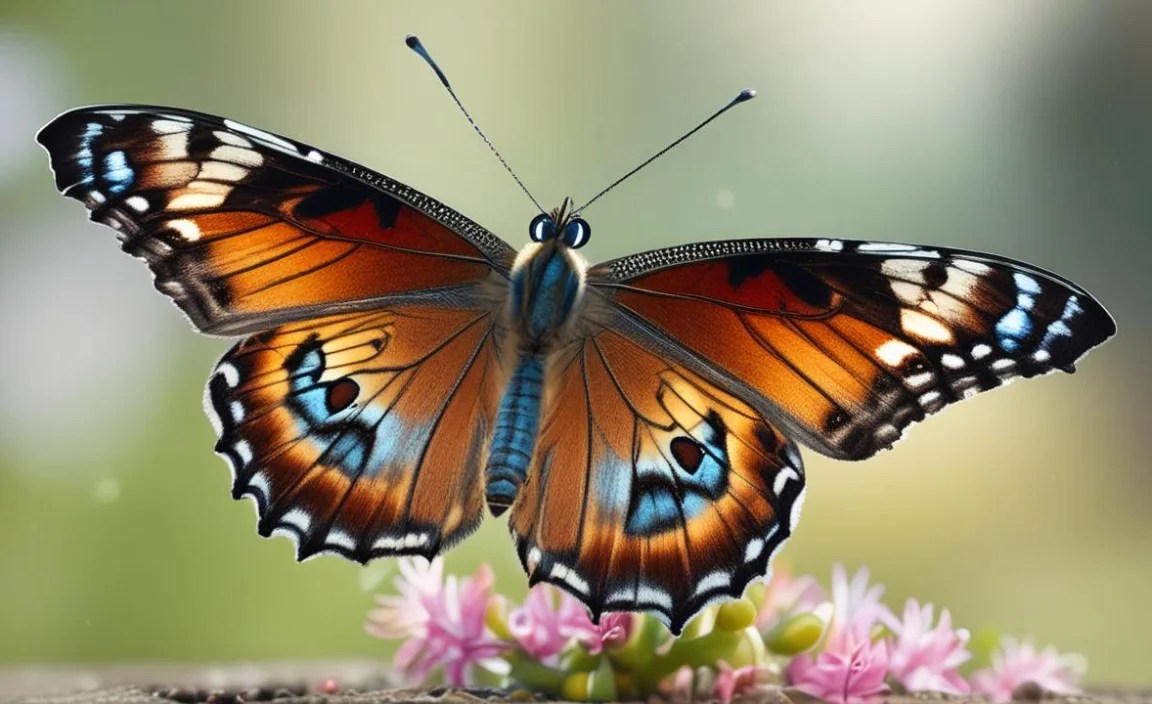
Butterflies are more than just beautiful insects. They are vital indicators of environmental health and play a crucial role in pollination. However, butterfly populations are declining worldwide due to habitat loss, climate change, and pesticide use. By joining a butterfly recording network, you can contribute to their conservation in several ways:
- Provide Valuable Data: Your observations help scientists track butterfly populations and understand their needs.
- Monitor Environmental Changes: Butterflies are sensitive to environmental changes, making them excellent indicators of habitat health.
- Support Conservation Efforts: The data collected by networks informs conservation strategies and helps prioritize areas for protection.
- Increase Awareness: Participating in a network raises awareness about the importance of butterflies and their habitats.
- Connect with Nature: You’ll have the opportunity to spend time outdoors, learn about butterflies, and connect with other nature enthusiasts.
Finding a Butterfly Recording Network
The first step is to find a butterfly recording network in your area. Here are some resources to help you locate one:
- The Xerces Society for Invertebrate Conservation: This organization has a wealth of information on butterfly conservation and may be able to connect you with local networks. Visit their website at https://xerces.org/.
- Local Natural History Museums: Many museums have butterfly monitoring programs or can provide information on local networks.
- Conservation Organizations: Contact local conservation organizations, such as nature centers or Audubon societies, to inquire about butterfly monitoring opportunities.
- Government Agencies: State and federal agencies, such as the Department of Natural Resources or the U.S. Fish and Wildlife Service, may have butterfly monitoring programs or be able to direct you to local networks.
Once you’ve found a network, contact the coordinator to learn more about their program and how to get involved.
Preparing to Participate
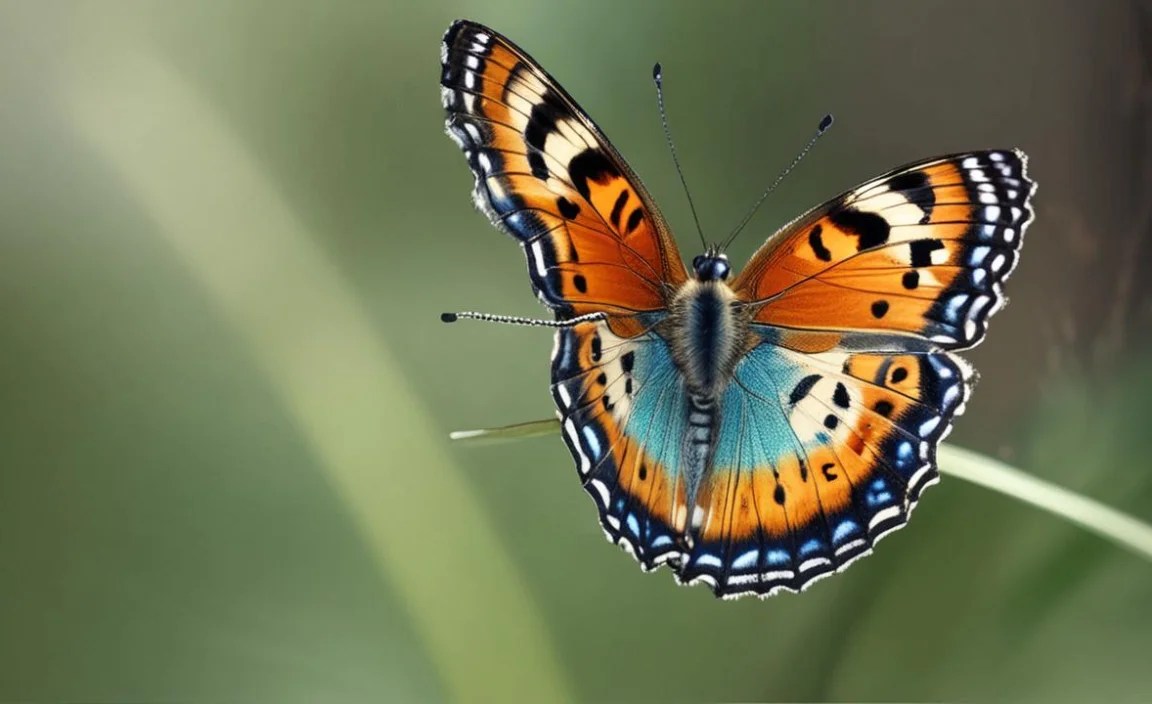
Before you start recording butterflies, it’s important to be prepared. Here are some things you’ll need:
- Butterfly Identification Guide: A good field guide is essential for identifying butterflies accurately. Some popular guides include “Butterflies of North America” by Jim P. Brock and Kenn Kaufman and “National Audubon Society Field Guide to North American Butterflies.”
- Binoculars: Binoculars can help you get a closer look at butterflies without disturbing them.
- Notebook and Pencil: You’ll need a notebook and pencil to record your observations.
- Camera: A camera can be helpful for documenting your sightings and confirming identifications.
- GPS Device or Smartphone: A GPS device or smartphone with GPS capabilities can help you record the location of your sightings accurately.
- Appropriate Clothing: Wear comfortable clothing and shoes that are appropriate for the weather and terrain.
Understanding Butterfly Identification
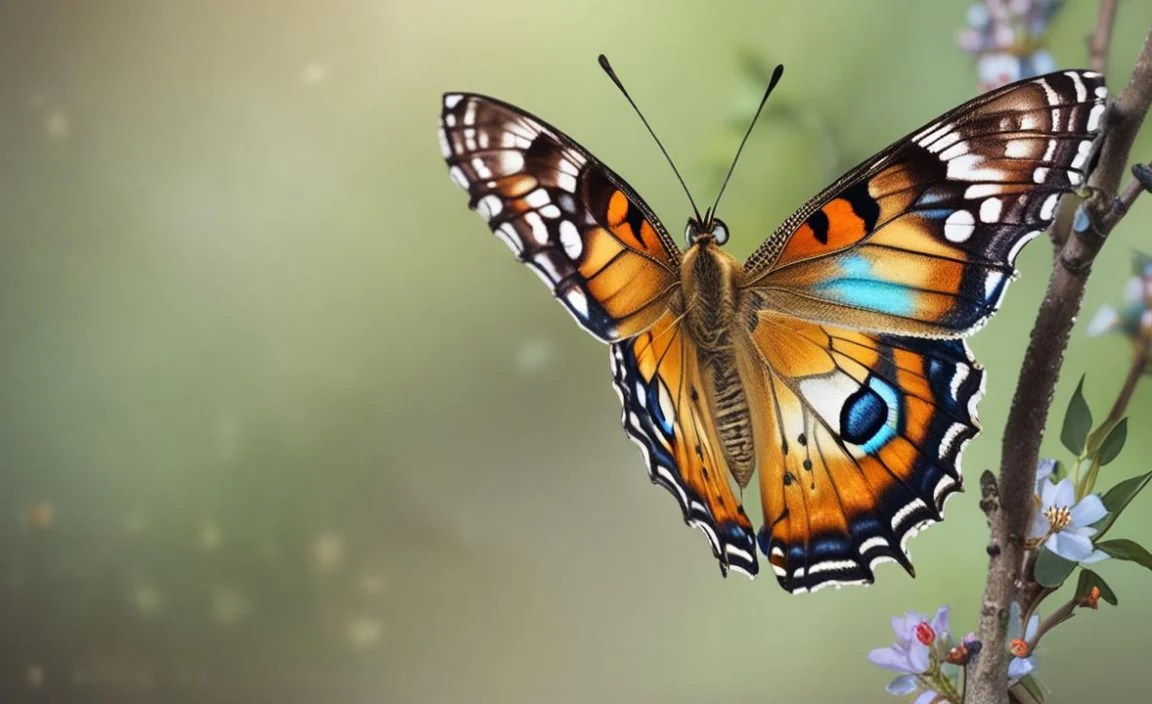
Identifying butterflies can seem daunting at first, but with practice, you’ll become more confident in your abilities. Here are some tips for identifying butterflies:
- Observe Key Features: Pay attention to the butterfly’s size, shape, color, and markings.
- Use a Field Guide: Compare the butterfly to the illustrations and descriptions in your field guide.
- Consider Location and Habitat: Some butterflies are only found in certain regions or habitats.
- Look at Both Sides: The patterns on the upper and lower wings can be different.
- Take Photos: If you’re unsure of the identification, take photos of the butterfly from different angles.
Common Butterfly Characteristics
Here’s a quick guide to some common butterfly characteristics to observe:
| Characteristic | Description |
|---|---|
| Size | Small, medium, or large (measure or estimate wingspan) |
| Color | Dominant colors and patterns on wings (e.g., orange, black, blue, stripes, spots) |
| Wing Shape | Shape of the wings (e.g., rounded, pointed, tailed) |
| Markings | Distinctive markings such as eyespots, bands, or borders |
| Flight Pattern | How the butterfly flies (e.g., erratic, gliding, fast) |
| Habitat | Type of environment where the butterfly is found (e.g., forest, meadow, garden) |
Data Collection Methods
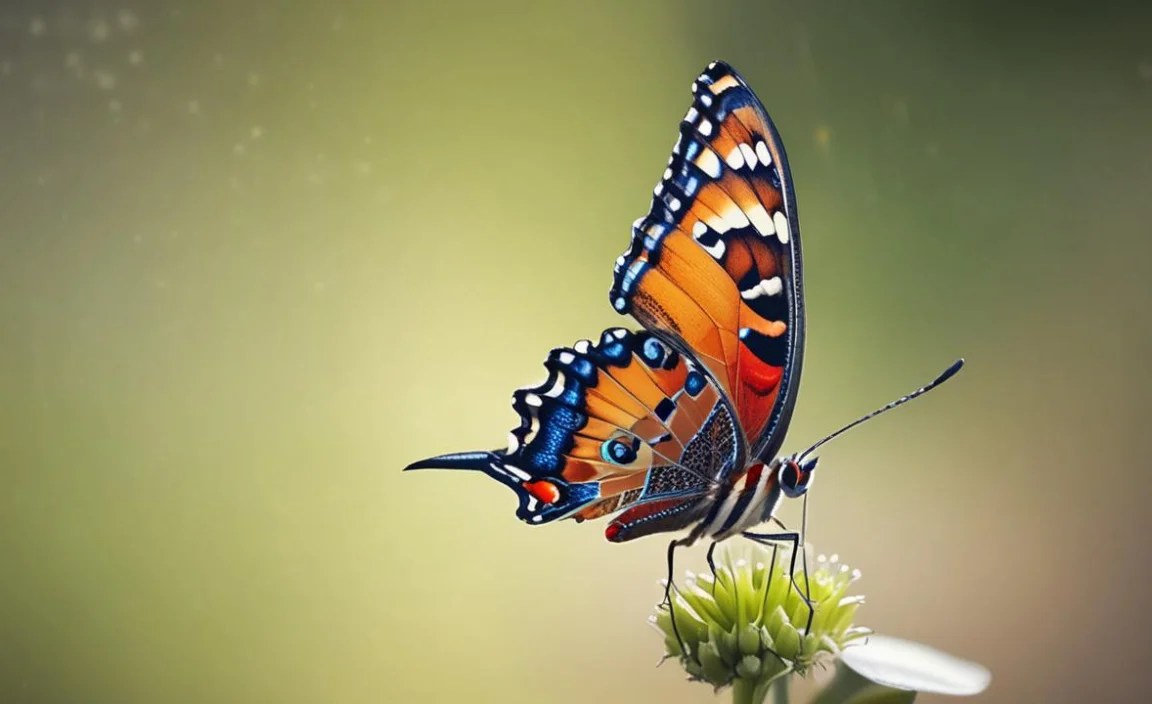
Butterfly recording networks use a variety of data collection methods, depending on their goals and resources. Here are some common methods:
Fixed Route Surveys (Transects)
This method involves walking a predetermined route (transect) at regular intervals and recording all butterflies observed within a certain distance of the transect line. Here’s how it works:
- Establish a Transect: Choose a route that represents the habitat you want to monitor. The route should be fixed and easy to follow.
- Set a Schedule: Decide how often you will survey the transect (e.g., weekly, monthly).
- Record Observations: Walk the transect at a consistent pace and record all butterflies you see within a specified distance (e.g., 5 meters) of the transect line. Include the species, number of individuals, and any relevant habitat information.
Timed Counts
This method involves counting butterflies in a specific area for a set period of time. Here’s how it works:
- Choose a Site: Select a location that is representative of the habitat you want to monitor.
- Set a Time Limit: Decide how long you will count butterflies (e.g., 15 minutes, 30 minutes).
- Record Observations: Count all butterflies you see within the designated area during the time limit. Include the species and number of individuals.
Incidental Records
This method involves recording butterflies whenever and wherever you see them. Here’s how it works:
- Observe Butterflies: Keep an eye out for butterflies in your garden, park, or other natural areas.
- Record Observations: Record the species, number of individuals, location, date, and any relevant habitat information.
- Submit Records: Submit your records to the butterfly recording network using their preferred method (e.g., online form, email).
Submitting Your Data
Once you’ve collected your data, you’ll need to submit it to the butterfly recording network. Most networks have specific protocols for data submission, so be sure to follow their instructions carefully. Here are some common methods for submitting data:
- Online Forms: Many networks have online forms where you can enter your data directly.
- Spreadsheets: Some networks prefer to receive data in spreadsheet format (e.g., Excel).
- Email: You may be able to submit your data via email.
When submitting your data, be sure to include all the required information and double-check for accuracy. Accurate data is essential for the success of the network’s monitoring efforts.
Using Online Resources and Apps
Several online resources and mobile apps can assist with butterfly identification and data recording. These tools can be especially helpful for beginners. Here are a few popular options:
- iNaturalist: This app allows you to take photos of butterflies and other organisms and get help with identification from a community of experts. It also allows you to record your observations and contribute to citizen science projects.
- Butterflies and Moths of North America (BAMONA): This website provides detailed information on butterfly and moth species found in North America, including photos, descriptions, and distribution maps.
- eButterfly: This website and app are specifically designed for recording butterfly sightings and sharing them with the scientific community.
These resources can help you improve your identification skills and streamline the data collection process.
Creating a Butterfly-Friendly Habitat
One of the best ways to support butterflies is to create a butterfly-friendly habitat in your own backyard or community. Here are some tips for creating a butterfly garden:
- Plant Native Flowers: Native flowers provide the nectar and pollen that butterflies need to survive. Choose a variety of flowers that bloom at different times of the year to provide a continuous food source.
- Provide Host Plants: Host plants are the plants that butterfly caterpillars feed on. Research which host plants are native to your area and plant them in your garden.
- Provide Water: Butterflies need water to drink. Provide a shallow dish of water with pebbles or stones for them to land on.
- Provide Shelter: Butterflies need shelter from the wind and rain. Plant trees and shrubs to provide them with protection.
- Avoid Pesticides: Pesticides can harm or kill butterflies and other beneficial insects. Avoid using pesticides in your garden.
Recommended Native Plants for Butterflies
Here’s a table of some recommended native plants to attract butterflies:
| Region | Nectar Plants | Host Plants |
|---|---|---|
| Northeast | Milkweed, Joe-Pye Weed, New England Aster | Milkweed (Monarch), Black Cherry (Tiger Swallowtail), Spicebush (Spicebush Swallowtail) |
| Southeast | Butterfly Bush, Lantana, Salvia | Passionflower (Gulf Fritillary), Pipevine (Pipevine Swallowtail), Citrus (Giant Swallowtail) |
| Midwest | Coneflower, Bee Balm, Blazing Star | Milkweed (Monarch), Wild Indigo (Eastern Tailed-Blue), Oak (Various Hairstreaks) |
| Southwest | Desert Milkweed, Butterfly Weed, Penstemon | Milkweed (Monarch), Pipevine (Pipevine Swallowtail), Hackberry (American Snout) |
| Pacific Northwest | California Poppy, Lavender, Yarrow | Milkweed (Monarch), Red Alder (Tiger Swallowtail), Lupine (Various Blues) |
Understanding the Importance of Conservation
Butterfly populations are declining worldwide, and many species are at risk of extinction. Habitat loss, climate change, and pesticide use are the main threats to butterflies. By participating in a butterfly recording network and creating butterfly-friendly habitats, you can help protect these beautiful and important insects.
Remember, even small actions can make a big difference. By working together, we can ensure that butterflies continue to thrive for generations to come.
The Future of Butterfly Recording Networks
Butterfly recording networks are becoming increasingly important as we face the challenges of climate change and habitat loss. These networks provide valuable data that can help us understand how butterfly populations are responding to these threats and develop effective conservation strategies.
As technology advances, we can expect to see even more sophisticated tools and methods for monitoring butterflies. For example, drones equipped with cameras can be used to survey large areas quickly and efficiently, and artificial intelligence can be used to analyze data and identify trends. By embracing these new technologies, we can enhance our ability to monitor and protect butterflies.
Inspiring Stories from Butterfly Recorders
Many dedicated individuals have made significant contributions to butterfly conservation through their involvement in recording networks. These stories highlight the passion and dedication of butterfly enthusiasts and the impact they can have.
- Jane Smith: A retired teacher who has been monitoring butterflies in her local park for over 20 years. Her data has helped identify important butterfly habitats and inform conservation efforts.
- David Jones: A young naturalist who uses iNaturalist to record butterfly sightings in his community. His observations have helped document the spread of invasive species and track the impact of climate change.
- Maria Garcia: A community organizer who leads butterfly walks and workshops to educate people about butterfly conservation. Her efforts have inspired many people to get involved in butterfly monitoring.
These stories demonstrate that anyone can make a difference in butterfly conservation, regardless of their background or experience.
Conclusion
Joining a butterfly recording network is a rewarding way to connect with nature, learn about butterflies, and contribute to their conservation. By following the steps outlined in this guide, you can become a valuable member of a network and help protect these beautiful and important insects. Remember, every sighting counts, and your observations can make a real difference in the fight to save butterflies.
So, grab your field guide, binoculars, and notebook, and get ready to explore the wonderful world of butterflies! Your contribution will help ensure that future generations can enjoy the beauty and wonder of these amazing creatures.


