
Swallowtail Butterfly in Asia: Ultimate ID Guide

Swallowtail Butterfly in Asia: A Beginner’s Guide

Asian swallowtail butterflies are some of the most beautiful and diverse butterflies in the world. They belong to the family Papilionidae and are known for their vibrant colors, distinctive “tails” on their hindwings, and impressive size. From the lush rainforests to the high mountain ranges, these butterflies can be found all over Asia. This guide will help you identify, appreciate, and even attract these amazing creatures.
Have you ever been captivated by the sight of a large, colorful butterfly gracefully fluttering through your garden or a nearby park? If so, you might have encountered a swallowtail! These butterflies are not only beautiful but also play a vital role in our ecosystem. Identifying them can sometimes be tricky, but don’t worry! This article will guide you through the fascinating world of swallowtail butterflies in Asia, making it easy to recognize and understand these stunning insects.
We’ll explore their unique characteristics, habitats, and life cycles, giving you a deeper appreciation for these winged wonders. Get ready to discover the amazing diversity and ecological importance of swallowtail butterflies in Asia!
What is a Swallowtail Butterfly?

Swallowtail butterflies belong to the family Papilionidae, one of the most recognizable and admired groups of butterflies. They are generally large and brightly colored, with distinctive “tails” on their hindwings, which is how they got their name. These tails can vary in length and shape depending on the species. Swallowtails are found all over the world, but Asia is a hotspot for their diversity.
Key Characteristics of Swallowtail Butterflies
- Size: Generally large, with wingspans ranging from 2 to 6 inches (5 to 15 cm).
- Color: Vibrant colors such as yellow, black, blue, green, and red. Many species have intricate patterns and iridescent scales.
- Tails: Most species have distinctive “tails” on their hindwings, though some lack them.
- Flight: Strong and graceful flight, often seen soaring and gliding.
- Habitat: Found in a variety of habitats, including forests, gardens, and open fields.
Diversity of Swallowtail Butterflies in Asia

Asia is home to a remarkable variety of swallowtail butterflies, each adapted to its specific environment. From the tropical rainforests of Southeast Asia to the temperate regions of East Asia, these butterflies display an incredible range of colors, patterns, and behaviors. Here are some notable examples:
- Common Mormon (Papilio polytes): This butterfly is known for its diverse female forms, which mimic poisonous butterflies for protection. It is found throughout South and Southeast Asia.
- Great Mormon (Papilio memnon): Similar to the Common Mormon, the Great Mormon also exhibits female mimicry. It is a large and striking butterfly found in Southeast Asia.
- Spangle (Papilio protenor): A beautiful butterfly with iridescent blue-green markings, found in East Asia.
- Chinese Yellow Swallowtail (Papilio xuthus): A common and widespread species found in East Asia. It is known for its bright yellow wings with black markings.
- Red Helen (Papilio helenus): A striking black butterfly with red markings on its hindwings, found in South and Southeast Asia.
Identifying Swallowtail Butterflies
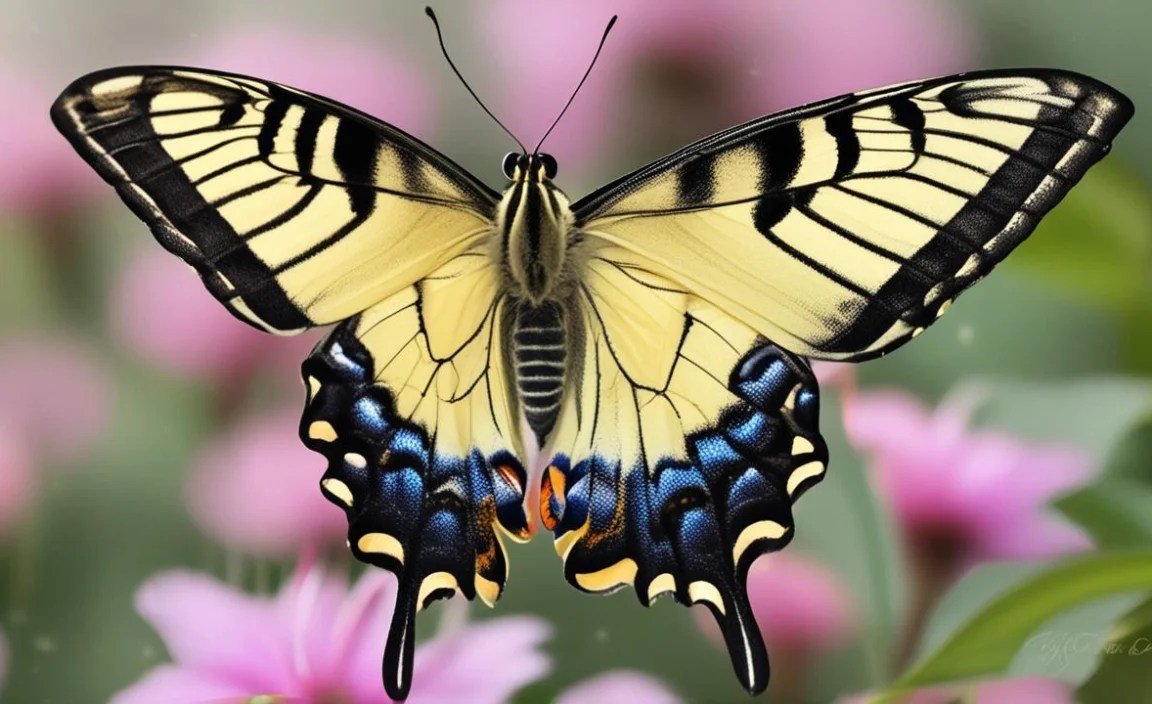
Identifying swallowtail butterflies can be a rewarding experience. Here are some tips to help you distinguish different species:
1. Observe Size and Shape
Swallowtails are generally large butterflies. Take note of their wingspan and the shape of their wings. Some species have long, pointed wings, while others have more rounded wings.
2. Note the Color and Pattern
Pay close attention to the colors and patterns on the wings. Many swallowtails have distinctive markings, such as stripes, spots, and iridescent patches. Use a field guide or online resource to compare your observations with known species.
3. Check for Tails
Most swallowtails have tails on their hindwings, but the length and shape of these tails can vary. Some species have long, elegant tails, while others have short, stubby tails or no tails at all.
4. Consider Location and Habitat
The location and habitat where you find the butterfly can provide clues to its identity. Different species are found in different regions and habitats. For example, some species are more common in forests, while others are more common in gardens or open fields.
5. Use Field Guides and Online Resources
Field guides and online resources are invaluable tools for identifying butterflies. Look for guides that are specific to your region. Websites like iNaturalist and Butterfly Conservation provide photos, descriptions, and distribution maps that can help you identify swallowtail butterflies.
Life Cycle of Swallowtail Butterflies

Understanding the life cycle of swallowtail butterflies can deepen your appreciation for these fascinating insects. Like all butterflies, swallowtails undergo complete metamorphosis, which includes four distinct stages:
- Egg: Swallowtail butterflies lay their eggs on host plants, which are specific plants that the caterpillars will feed on. The eggs are usually small and round, and they can be laid singly or in clusters.
- Larva (Caterpillar): Once the egg hatches, the larva, or caterpillar, emerges. The caterpillar’s primary job is to eat and grow. Swallowtail caterpillars have specialized mouthparts for chewing leaves, and they can consume large amounts of foliage. They also have defense mechanisms, such as osmeteria, which are forked, fleshy organs that can be everted from the head to deter predators.
- Pupa (Chrysalis): After several molts, the caterpillar transforms into a pupa, or chrysalis. The chrysalis is a protective shell that encloses the developing butterfly. Swallowtail chrysalises can be green, brown, or other colors, and they often blend in with their surroundings.
- Adult: After a period of time, which can range from a few weeks to several months, the adult butterfly emerges from the chrysalis. The adult butterfly’s primary job is to reproduce. Adult swallowtails feed on nectar from flowers, and they play an important role in pollination.
Attracting Swallowtail Butterflies to Your Garden
Attracting swallowtail butterflies to your garden can be a rewarding experience. Here are some tips to help you create a butterfly-friendly habitat:
1. Plant Host Plants
Swallowtail caterpillars are very picky eaters, so it’s important to plant the right host plants. Some popular host plants for swallowtails in Asia include:
- Citrus trees (for Common Mormon and Great Mormon)
- Rue (for Giant Swallowtail)
- Spicebush (for Spicebush Swallowtail)
- Dill, parsley, and fennel (for Anise Swallowtail)
2. Provide Nectar Sources
Adult swallowtails need nectar to fuel their flight and reproduction. Plant a variety of nectar-rich flowers that bloom throughout the growing season. Some good choices include:
- Butterfly bush (Buddleja davidii)
- Zinnia
- Lantana
- Salvia
- Cosmos
3. Offer a Water Source
Butterflies need water to stay hydrated. Provide a shallow dish of water with pebbles or marbles for them to land on. This will prevent them from drowning.
4. Provide Shelter
Butterflies need shelter from wind and rain. Plant trees and shrubs to provide a safe haven for them.
5. Avoid Pesticides
Pesticides can be harmful to butterflies and other beneficial insects. Avoid using pesticides in your garden, or choose organic options that are less harmful.
Conservation Status and Threats
While many swallowtail butterfly species are common and widespread, some are facing threats due to habitat loss, climate change, and pesticide use. Conservation efforts are needed to protect these beautiful and important insects.
Habitat Loss
Habitat loss is one of the biggest threats to swallowtail butterflies. As forests and other natural habitats are cleared for agriculture, development, and logging, butterflies lose their food sources and breeding grounds.
Climate Change
Climate change is also a growing threat to swallowtail butterflies. Changes in temperature and precipitation patterns can disrupt their life cycles and alter the distribution of their host plants.
Pesticide Use
Pesticides can be harmful to butterflies and other beneficial insects. Even organic pesticides can have unintended consequences, so it’s important to use them sparingly and carefully.
Conservation Efforts
There are many things that can be done to help protect swallowtail butterflies. Some conservation efforts include:
- Protecting and restoring natural habitats
- Planting host plants and nectar sources
- Reducing pesticide use
- Educating the public about the importance of butterflies
Organizations like the Xerces Society and Butterfly Conservation are working to protect butterflies and their habitats. You can support their work by becoming a member, volunteering your time, or donating to their cause.
Swallowtail Butterflies in Culture and Symbolism
Swallowtail butterflies have long been admired for their beauty and grace, and they hold special significance in many cultures. In some cultures, butterflies are seen as symbols of transformation, rebirth, and hope. They are often associated with the human soul and are believed to carry messages from the spirit world.
In Japan, butterflies are symbols of joy and longevity. They are often used in art, literature, and traditional ceremonies. In China, butterflies are symbols of love and romance. They are often given as gifts to express affection.
In Western cultures, butterflies are often seen as symbols of beauty, freedom, and transformation. They are popular motifs in art, fashion, and literature.
Swallowtail Butterfly Species in Asia
Let’s explore some notable swallowtail butterfly species found across Asia, focusing on their distribution, unique characteristics, and host plants.
Table: Swallowtail Butterfly Species in Asia
| Species | Distribution | Characteristics | Host Plants |
|---|---|---|---|
| Common Mormon (Papilio polytes) | South and Southeast Asia | Females exhibit mimicry of poisonous butterflies; males are black with white spots | Citrus trees, Murraya koenigii (Curry leaf) |
| Great Mormon (Papilio memnon) | Southeast Asia | Large size; females have various forms, some mimicking poisonous butterflies | Citrus trees |
| Spangle (Papilio protenor) | East Asia | Iridescent blue-green markings; strong flier | Citrus trees, Zanthoxylum species |
| Chinese Yellow Swallowtail (Papilio xuthus) | East Asia | Bright yellow wings with black markings; common and widespread | Citrus trees, Rue |
| Red Helen (Papilio helenus) | South and Southeast Asia | Black wings with red markings on hindwings; striking appearance | Citrus trees, Toddalia asiatica |
| Lime Butterfly (Papilio demoleus) | Widespread across Asia | Also known as the Chequered Swallowtail; distinctive black and yellow patterns | Citrus trees, Rue |
| Paris Peacock (Papilio paris) | South and Southeast Asia | Brilliant iridescent green and blue scales; eye-catching | Toddalia asiatica, Citrus |
How to Photograph Swallowtail Butterflies
Photographing swallowtail butterflies can be a challenging but rewarding experience. Here are some tips to help you capture stunning photos of these beautiful insects:
- Use the Right Equipment: A digital camera with a macro lens is ideal for photographing butterflies. A tripod can also be helpful for stabilizing your camera and getting sharp images.
- Find Butterflies: The best time to find butterflies is on warm, sunny days when they are actively feeding. Look for them in gardens, meadows, and other areas with plenty of flowers.
- Approach Slowly and Carefully: Butterflies are easily startled, so it’s important to approach them slowly and carefully. Avoid sudden movements or loud noises.
- Focus Carefully: Use your camera’s autofocus system to focus on the butterfly’s eyes or other key features. If you’re using a macro lens, you may need to adjust the focus manually.
- Use Natural Light: Natural light is usually the best light for photographing butterflies. Avoid using flash, as it can scare them away and create harsh shadows.
- Experiment with Different Angles and Compositions: Try shooting butterflies from different angles and experiment with different compositions. Look for interesting backgrounds and foregrounds that will enhance your photos.
- Be Patient: Photographing butterflies takes patience. Don’t get discouraged if you don’t get the perfect shot right away. Keep practicing, and you’ll eventually capture some stunning images.
FAQ: Swallowtail Butterflies in Asia
Q1: What is a swallowtail butterfly?
A swallowtail butterfly is a type of butterfly in the family Papilionidae, known for their large size, bright colors, and the distinctive “tails” on their hindwings.
Q2: Where can I find swallowtail butterflies in Asia?
Swallowtail butterflies can be found all over Asia, from the tropical rainforests of Southeast Asia to the temperate regions of East Asia. They inhabit a variety of environments, including forests, gardens, and open fields.
Q3: What do swallowtail caterpillars eat?
Swallowtail caterpillars are picky eaters and feed on specific host plants. Common host plants include citrus trees, rue, spicebush, dill, parsley, and fennel, depending on the species of swallowtail.
Q4: How can I attract swallowtail butterflies to my garden?
To attract swallowtail butterflies to your garden, plant host plants for the caterpillars and nectar-rich flowers for the adults. Also, provide a water source, shelter, and avoid using pesticides.
Q5: Are swallowtail butterflies endangered?
While many swallowtail butterfly species are common, some are facing threats due to habitat loss, climate change, and pesticide use. Conservation efforts are needed to protect these beautiful insects.
Q6: What is the life cycle of a swallowtail butterfly?
The life cycle of a swallowtail butterfly consists of four stages: egg, larva (caterpillar), pupa (chrysalis), and adult. The caterpillar eats and grows, the pupa transforms, and the adult reproduces.
Q7: What do swallowtail butterflies symbolize?
Swallowtail butterflies often symbolize transformation, rebirth, and hope. In different cultures, they can also represent joy, longevity, love, and romance.
Conclusion
Swallowtail butterflies are truly magnificent creatures that add beauty and wonder to the natural world. By learning about their characteristics, life cycles, and conservation needs, we can better appreciate and protect these amazing insects. Whether you’re a seasoned butterfly enthusiast or just starting to explore the world of nature, there’s always something new to discover about swallowtail butterflies in Asia.
So, get outside, explore your surroundings, and keep an eye out for these stunning butterflies. With a little patience and knowledge, you can identify different species, attract them to your garden, and contribute to their conservation. Happy butterfly watching!


