
African Monarch Butterfly: Ultimate Guide!

The African monarch butterfly is a beautiful and fascinating insect found across Africa. These butterflies are known for their striking orange and black wings, similar to the monarch butterflies of North America. They play an important role in their ecosystems as pollinators and are a joy to observe. This guide will help you learn about their habitat, life cycle, and how to attract them to your garden.
Have you ever been captivated by the sight of a butterfly gracefully fluttering through your garden? The African monarch butterfly, with its vibrant colors and intriguing life cycle, is a true wonder of nature. Many people are curious about these beautiful creatures and how to support their populations. This article will guide you through everything you need to know about African monarch butterflies, from their natural habitat to simple steps you can take to attract them to your own backyard. Let’s explore the fascinating world of these stunning butterflies together!
Understanding the African Monarch Butterfly
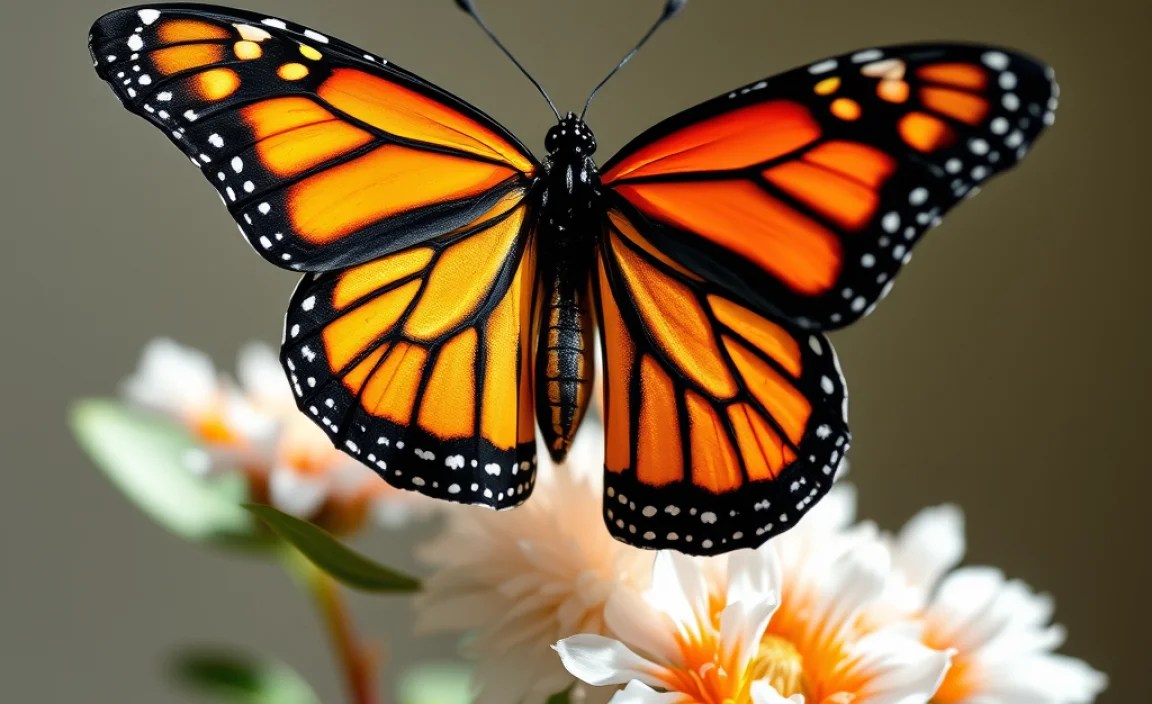
The African monarch butterfly, scientifically known as Danaus chrysippus, is a captivating insect with a wide distribution across Africa, Asia, and Australia. Known for its bright colors and intriguing behaviors, this butterfly is a favorite among nature enthusiasts and gardeners alike.
Physical Characteristics
African monarch butterflies share a striking resemblance to their North American cousins, the monarch butterfly (Danaus plexippus). Here are some key physical traits:
- Wingspan: Typically ranges from 2.4 to 3.2 inches (6 to 8 cm).
- Color: The wings are usually a bright orange color with black borders. The forewings have a distinctive white spot within the black border.
- Body: The body is black with white spots.
- Distinguishing Features: Males have a small scent pouch on their hindwings, which they use to attract females.
Habitat and Distribution
The African monarch butterfly is highly adaptable and can be found in a variety of habitats. These include:
- Open Woodlands: Areas with scattered trees and plenty of sunlight.
- Grasslands: Open fields with a variety of flowering plants.
- Gardens: Both urban and rural gardens that provide host plants and nectar sources.
- Roadsides: Areas along roadsides with abundant wildflowers.
They are widespread throughout Africa, particularly in sub-Saharan regions. They are also found in parts of Asia and Australia, showcasing their ability to thrive in diverse environments.
Life Cycle
Like all butterflies, the African monarch undergoes a complete metamorphosis. The life cycle consists of four stages:
- Egg: The female butterfly lays small, oval-shaped eggs on the leaves of host plants, primarily milkweed (Asclepias species).
- Larva (Caterpillar): The caterpillar hatches from the egg and feeds voraciously on milkweed leaves. It grows through several instars, shedding its skin as it increases in size. The caterpillar is brightly colored with black, white, and yellow bands.
- Pupa (Chrysalis): Once the caterpillar reaches its full size, it forms a pupa or chrysalis. This is a green or brown casing in which the caterpillar transforms into a butterfly.
- Adult Butterfly: After about two weeks, the adult butterfly emerges from the chrysalis. It unfolds its wings, allows them to dry, and then takes flight to feed on nectar and reproduce.
Behavior and Diet
African monarch butterflies exhibit several interesting behaviors:
- Feeding: Adult butterflies feed on nectar from various flowering plants. They use their long proboscis to sip nectar, providing them with energy.
- Flight: They are strong fliers and can travel considerable distances in search of food and suitable habitats.
- Defense: The caterpillars feed on milkweed, which contains toxic compounds called cardiac glycosides. These compounds make the caterpillars and butterflies unpalatable to predators. The bright colors serve as a warning signal to potential predators, a phenomenon known as aposematism.
- Migration: While not as extensive as the migrations of North American monarch butterflies, some populations of African monarchs undertake local migrations in response to seasonal changes in food availability.
How to Attract African Monarch Butterflies to Your Garden

Attracting African monarch butterflies to your garden is a rewarding experience. By providing the right resources, you can create a habitat that supports these beautiful insects throughout their life cycle.
1. Plant Host Plants
The most important step in attracting African monarch butterflies is to plant their host plants. Milkweed (Asclepias species) is the primary host plant for the caterpillars. Here are some milkweed varieties suitable for African gardens:
- Asclepias curassavica (Tropical Milkweed): This is one of the most commonly available milkweed varieties. It has bright orange and red flowers and is highly attractive to monarch butterflies.
- Asclepias fruticosa (Swan Plant): Features unique, balloon-like seed pods and is a good option for attracting monarchs.
- Asclepias physocarpa (Balloon Plant): Similar to Asclepias fruticosa, with large, inflated seed pods.
Planting a variety of milkweed species can help ensure a continuous food supply for the caterpillars throughout the growing season. Make sure the plants are free from pesticides to keep the caterpillars healthy.
2. Provide Nectar Sources
Adult butterflies need nectar for energy. Planting a variety of flowering plants that provide nectar will attract them to your garden. Choose plants with different bloom times to ensure a continuous supply of nectar throughout the season. Some excellent nectar sources include:
- Lantana: These colorful flowers are highly attractive to butterflies and bloom for a long period.
- Pentas: These star-shaped flowers come in a variety of colors and are a favorite of butterflies.
- Zinnias: Easy to grow and available in many colors, zinnias are a great choice for attracting butterflies.
- Cosmos: These daisy-like flowers are easy to grow and provide plenty of nectar.
- Salvia: These plants have long-lasting blooms and attract a variety of pollinators, including butterflies.
3. Create a Butterfly-Friendly Environment
In addition to host plants and nectar sources, there are other ways to create a welcoming environment for African monarch butterflies:
- Provide a Water Source: Butterflies need water to stay hydrated. You can provide a shallow dish of water with pebbles or marbles for them to land on.
- Offer a Sunny Spot: Butterflies are cold-blooded and need to bask in the sun to warm up. Provide a sunny area in your garden where they can rest and warm their wings.
- Shelter from Wind: Strong winds can make it difficult for butterflies to fly. Plant shrubs or trees to provide shelter from the wind.
- Avoid Pesticides: Pesticides can be harmful to butterflies and other beneficial insects. Avoid using pesticides in your garden, or choose organic options that are less harmful.
4. Raise Caterpillars Safely
If you want to take a more active role in supporting the butterfly population, you can raise caterpillars indoors. This can help protect them from predators and ensure a higher survival rate.
- Collect Caterpillars: Gently collect caterpillars from your milkweed plants and place them in a container with fresh milkweed leaves.
- Provide Fresh Food: Change the milkweed leaves daily and keep the container clean.
- Monitor Growth: Watch the caterpillars as they grow and shed their skin.
- Release Butterflies: Once the butterflies emerge from their chrysalises, release them into your garden to continue the cycle.
Conservation Status and Efforts

While the African monarch butterfly is not currently listed as endangered, it faces several threats that could impact its populations. Habitat loss, pesticide use, and climate change are all potential concerns.
Threats to African Monarch Butterflies
- Habitat Loss: As natural habitats are converted for agriculture and urban development, butterflies lose their food sources and breeding grounds.
- Pesticide Use: Pesticides can kill butterflies and other beneficial insects, disrupting the ecosystem.
- Climate Change: Changes in temperature and rainfall patterns can affect the availability of host plants and nectar sources, impacting butterfly populations.
- Disease: Like all living creatures, butterflies are susceptible to diseases that can impact populations.
Conservation Efforts
There are several ways to support the conservation of African monarch butterflies:
- Create Butterfly Gardens: Planting host plants and nectar sources in your garden can provide essential resources for butterflies.
- Support Sustainable Agriculture: Choose to buy food from farmers who use sustainable practices that minimize pesticide use and protect natural habitats.
- Educate Others: Share your knowledge about butterflies with friends, family, and community members to raise awareness about their importance and the threats they face.
- Participate in Citizen Science Projects: Join citizen science projects that monitor butterfly populations and track their movements. This data can help scientists understand how butterflies are responding to environmental changes.
Interesting Facts About African Monarch Butterflies

Here are some fascinating facts about African monarch butterflies that you might not know:
- Mimicry: The African monarch butterfly is a model for mimicry. Several other butterfly species mimic its appearance to avoid predators. These mimics benefit from the monarch’s unpalatability, as predators learn to avoid anything that looks like a monarch.
- Cultural Significance: In some African cultures, butterflies are seen as symbols of transformation, hope, and new beginnings. They are often associated with the soul and are believed to bring good luck.
- Medicinal Uses: Some traditional healers use parts of the butterfly or its host plants for medicinal purposes. However, it’s important to note that these practices are not scientifically validated and should be approached with caution.
- Variations: There are several variations of the African monarch butterfly, with different wing patterns and colors. These variations are often influenced by local environmental conditions.
- Pollination: While they are not as important as bees, butterflies do play a role in pollination. As they feed on nectar, they transfer pollen from one flower to another, helping plants reproduce.
African Monarch Butterfly vs. Monarch Butterfly: Key Differences

While the African monarch butterfly (Danaus chrysippus) and the monarch butterfly (Danaus plexippus) share a similar appearance, there are several key differences between them.
| Feature | African Monarch Butterfly (Danaus chrysippus) | Monarch Butterfly (Danaus plexippus) |
|---|---|---|
| Distribution | Africa, Asia, Australia | North America |
| Migration | Local migrations, not as extensive | Long-distance migrations across North America |
| Host Plant | Various milkweed species (Asclepias) | Various milkweed species (Asclepias) |
| Coloration | Bright orange with black borders, white spots on forewings | Bright orange with black borders, white spots on forewings |
| Size | Wingspan of 2.4 to 3.2 inches (6 to 8 cm) | Wingspan of 3.5 to 4 inches (9 to 10 cm) |
| Conservation Status | Not currently listed as endangered | Populations have declined, conservation efforts underway |
Resources for Further Learning
To deepen your understanding of African monarch butterflies and butterfly conservation, here are some valuable resources:
- The Xerces Society for Invertebrate Conservation: Offers a wealth of information on butterfly conservation, including habitat restoration and citizen science projects.
- National Geographic: Features articles and documentaries on butterflies and other wildlife.
- Smithsonian Institution: Provides access to scientific research and educational resources on butterflies.
- Oxford Bibliographies: Provides an overview of butterfly biology and ecology.
- Local Butterfly Clubs: Joining a local butterfly club can provide opportunities to learn from experts, participate in field trips, and contribute to conservation efforts.
FAQ About African Monarch Butterflies
1. What do African monarch caterpillars eat?
African monarch caterpillars primarily eat the leaves of milkweed plants (Asclepias species). Milkweed is essential for their growth and development.
2. Are African monarch butterflies poisonous?
No, they are not poisonous in the traditional sense. However, the caterpillars feed on milkweed, which contains cardiac glycosides. These compounds make the caterpillars and butterflies unpalatable to predators, providing a form of defense.
3. How can I tell the difference between a male and female African monarch butterfly?
Males have a small scent pouch on their hindwings, which they use to attract females. This is the easiest way to distinguish between the sexes.
4. Do African monarch butterflies migrate?
Some populations of African monarchs undertake local migrations in response to seasonal changes in food availability. However, these migrations are not as extensive as those of North American monarch butterflies.
5. What is the lifespan of an African monarch butterfly?
The lifespan of an African monarch butterfly is typically a few weeks to a few months, depending on environmental conditions and predation.
6. What are the main threats to African monarch butterflies?
The main threats include habitat loss, pesticide use, climate change, and disease.
7. How can I help protect African monarch butterflies?
You can help by planting host plants and nectar sources in your garden, supporting sustainable agriculture, educating others, and participating in citizen science projects.
Conclusion
The African monarch butterfly is a captivating creature that adds beauty and ecological value to its environment. By understanding its life cycle, habitat needs, and the threats it faces, we can take meaningful steps to support its conservation. Whether you’re planting milkweed in your garden, educating others about the importance of butterflies, or supporting sustainable agriculture, every effort counts. Let’s work together to ensure that future generations can enjoy the sight of these magnificent butterflies fluttering through our world.


