
Orange Butterfly Species: The Ultimate ID Guide

The vibrant world of orange butterflies includes many stunning species, such as the Monarch, known for its incredible migration, and the Gulf Fritillary, a common sight in gardens. Others are the Painted Lady, a widely distributed butterfly, and the bright Orange Sulphur. Each species has unique markings, habitats, and life cycles, making them fascinating subjects for butterfly enthusiasts.
Have you ever been captivated by a flash of orange as a butterfly flits through your garden? Identifying orange butterflies can sometimes feel like a puzzle. With so many beautiful species, telling them apart can be tricky. Don’t worry; you’re not alone! Many nature lovers find themselves wondering about the names and habits of these colorful insects.
In this guide, we’ll explore some of the most common and eye-catching orange butterflies. We’ll look at their key features, where they live, and what makes each one special. Get ready to become an orange butterfly expert!
Frequently Asked Questions
-
What is the most common orange butterfly?
The Monarch is probably the most well-known orange butterfly in North America, famous for its long migration.
-
How can I attract orange butterflies to my garden?
Plant milkweed for Monarchs and nectar-rich flowers like zinnias and butterfly bushes to attract a variety of orange butterflies.
-
Are orange butterflies poisonous?
Some, like the Monarch, are poisonous to predators because their caterpillars feed on milkweed, which contains toxins.
-
What do orange butterfly caterpillars eat?
It depends on the species. Monarch caterpillars eat milkweed, while Gulf Fritillary caterpillars eat passionflower vines.
-
Do orange butterflies migrate?
Yes, the Monarch butterfly is famous for its multigenerational migration across North America.
-
How long do orange butterflies live?
Lifespan varies by species. Some, like the Monarch, live for several months, while others live only a few weeks.
-
Are orange butterflies endangered?
Some orange butterfly populations, like the Monarch, are declining due to habitat loss and other environmental factors.
Meet the Orange Butterflies: A Colorful Overview
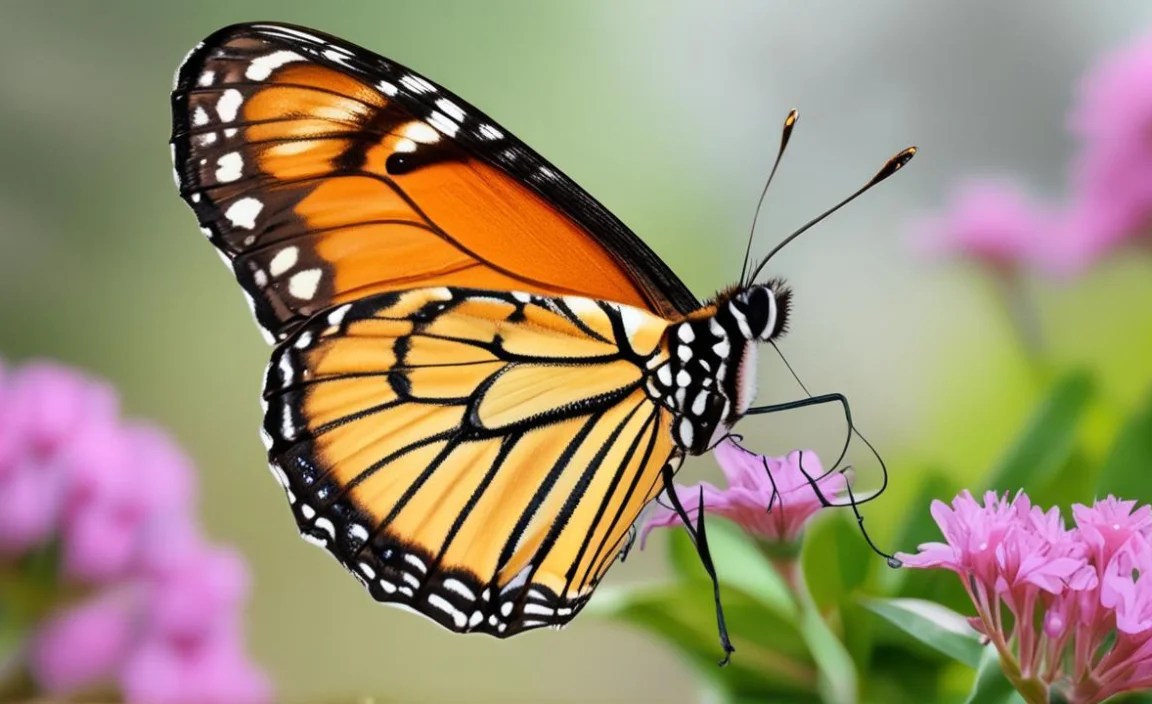
Let’s dive into the world of orange butterflies! These vibrant insects add beauty and life to our gardens and natural landscapes. Each species has unique characteristics, making them a joy to observe and identify. We’ll explore some of the most common and captivating orange butterflies, providing you with the knowledge to recognize them and appreciate their role in the ecosystem.
Monarch Butterfly (Danaus plexippus)
The Monarch is perhaps the most iconic orange butterfly in North America, known for its incredible multigenerational migration. These butterflies travel thousands of miles each year, from Canada and the United States to overwintering sites in Mexico and California. Their bright orange wings, laced with black lines and white spots, make them easily recognizable.
Key Features:
- Wings: Bright orange with black veins and a black border containing white spots.
- Size: Wingspan of 3.5 to 4 inches.
- Habitat: Open fields, meadows, and gardens with milkweed.
- Caterpillar: Black, white, and yellow stripes, feeding exclusively on milkweed.
Monarchs are not only beautiful but also play a crucial role in pollination. Their populations have been declining due to habitat loss and pesticide use, making conservation efforts essential. You can help Monarchs by planting milkweed in your garden, providing them with a vital food source.
Gulf Fritillary (Agraulis vanillae)
The Gulf Fritillary is a striking orange butterfly common in the southern United States and parts of Central and South America. Its bright orange wings are adorned with elongated black spots, giving it a distinctive appearance. These butterflies are often seen fluttering around passionflower vines, which serve as the primary food source for their caterpillars.
Key Features:
- Wings: Bright orange with elongated black spots.
- Size: Wingspan of 2.5 to 3 inches.
- Habitat: Gardens, open fields, and areas with passionflower vines.
- Caterpillar: Spiky, orange-reddish with black spines, feeding on passionflower leaves.
Gulf Fritillaries are fast-flying butterflies that are active throughout the day. They are relatively easy to attract to gardens by planting passionflower vines. These butterflies are not migratory but can travel long distances in search of suitable habitats. Learn more about Gulf Fritillaries from resources like the University of Nebraska-Lincoln Entomology Department.
Painted Lady (Vanessa cardui)
The Painted Lady is one of the most widely distributed butterflies in the world, found on every continent except Antarctica and Australia. These butterflies are known for their migratory behavior, often traveling long distances in search of food and suitable breeding grounds. Their orange wings are marked with black and white patterns, making them easily identifiable.
Key Features:
- Wings: Orange with black and white markings, including small blue spots on the hindwings.
- Size: Wingspan of 2 to 2.5 inches.
- Habitat: A wide range of habitats, including gardens, fields, and open woodlands.
- Caterpillar: Dark-colored with spines, feeding on a variety of plants, including thistles and mallows.
Painted Ladies are adaptable butterflies that can thrive in diverse environments. They are known to have irregular population booms, during which they can be seen in large numbers. These butterflies are important pollinators and play a role in maintaining ecosystem health. The U.S. Forest Service provides additional information on Painted Lady butterflies.
Orange Sulphur (Colias eurytheme)
The Orange Sulphur is a common sight in North American fields and meadows. These butterflies are known for their bright orange wings, which are often seen fluttering in sunny locations. Male Orange Sulphurs have solid orange wings, while females may have either orange or yellow wings with darker borders.
Key Features:
- Wings: Bright orange (males) or yellow/orange (females) with dark borders.
- Size: Wingspan of 1.5 to 2.5 inches.
- Habitat: Open fields, meadows, and roadsides.
- Caterpillar: Green with a white stripe along the side, feeding on legumes like alfalfa and clover.
Orange Sulphurs are active butterflies that can be seen throughout the summer months. They are attracted to nectar-rich flowers and play a role in pollinating various plant species. These butterflies are relatively easy to identify due to their bright coloration and distinct wing patterns.
American Copper (Lycaena phlaeas)
The American Copper is a small but striking orange butterfly found in North America. Its bright copper-orange wings are marked with black spots, giving it a distinctive appearance. These butterflies are often seen in open fields and meadows, where they feed on nectar from various flowers.
Key Features:
- Wings: Copper-orange with black spots and a dark border.
- Size: Wingspan of 1 to 1.5 inches.
- Habitat: Open fields, meadows, and gardens.
- Caterpillar: Green and flattened, feeding on plants in the dock and sorrel family.
American Coppers are active butterflies that are often seen basking in the sun. They are relatively easy to attract to gardens by planting their host plants, such as dock and sorrel. These butterflies are not migratory and typically remain in the same area throughout their lives.
Eastern Tiger Swallowtail (Papilio glaucus)
While primarily known for its yellow form, the Eastern Tiger Swallowtail can sometimes appear with a significant amount of orange coloration, especially in females. These large, striking butterflies are common in eastern North America and are known for their graceful flight. The “tiger” stripes and long tails make them easily recognizable.
Key Features:
- Wings: Typically yellow with black stripes, but females can have more extensive orange coloration. Distinctive “tails” on the hindwings.
- Size: Wingspan of 3 to 5.5 inches.
- Habitat: Woodlands, gardens, and streamsides.
- Caterpillar: Green with large eyespots, resembling a snake to deter predators, feeding on various trees like cherry and tulip poplar.
Eastern Tiger Swallowtails are among the largest butterflies in North America and are a joy to observe. They are attracted to nectar-rich flowers and can be seen fluttering around gardens and parks. These butterflies are not migratory but can travel long distances in search of food and mates.
Identifying Orange Butterflies: A Step-by-Step Guide
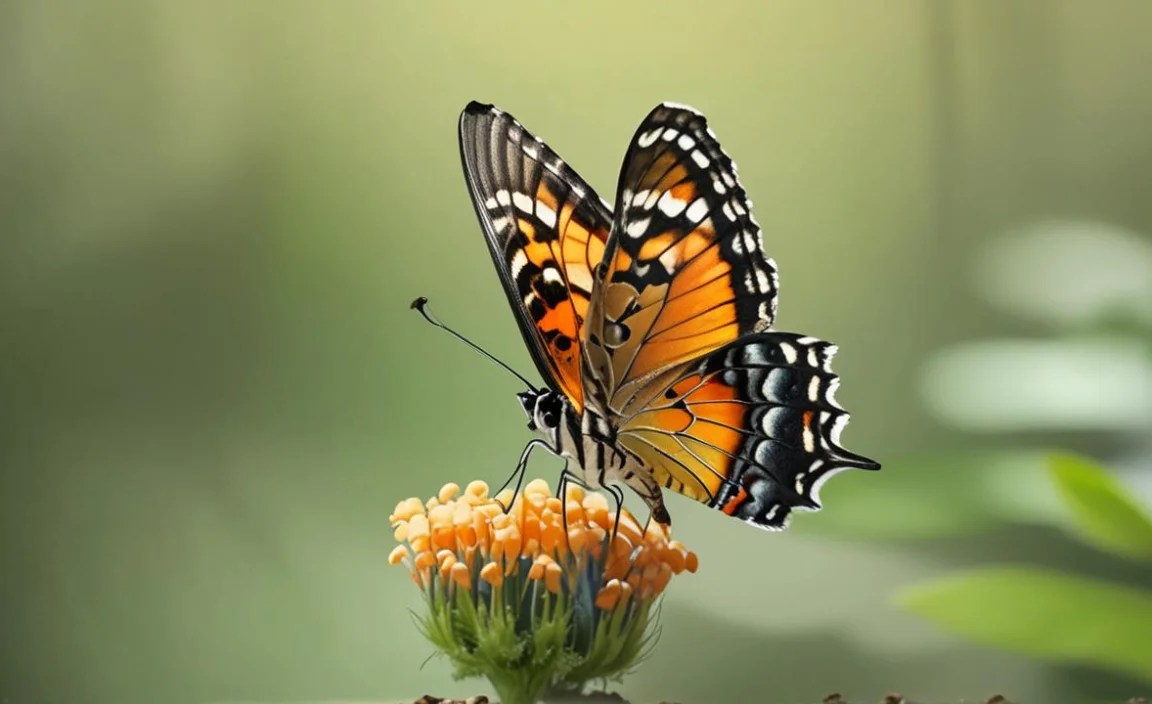
Identifying orange butterflies can be a rewarding experience, allowing you to appreciate the diversity and beauty of these insects. Here’s a step-by-step guide to help you identify different species:
-
Observe the Butterfly’s Size and Shape: Start by noting the size of the butterfly. Is it large, medium, or small? Also, pay attention to the shape of its wings. Are they rounded or more angular?
-
Examine the Wing Patterns: Look closely at the patterns on the wings. Are there spots, stripes, or bands? What colors are present besides orange? Note the arrangement and shape of these markings.
-
Consider the Habitat: Where did you see the butterfly? Different species are found in different habitats. For example, Monarchs are often found in open fields with milkweed, while Gulf Fritillaries prefer areas with passionflower vines.
-
Check the Caterpillar Host Plant: If possible, identify the plant the caterpillar feeds on. This can be a crucial clue in identifying the butterfly species. For example, Monarch caterpillars feed exclusively on milkweed.
-
Use a Field Guide or Online Resource: Consult a field guide or online resource to compare your observations with known butterfly species. Websites like Butterflies and Moths of North America offer detailed information and photos to help with identification.
-
Take a Photo: If possible, take a photo of the butterfly. This will allow you to examine it more closely and compare it with images in field guides or online resources.
Creating a Butterfly-Friendly Garden

Attracting orange butterflies to your garden is a wonderful way to enjoy their beauty and support their populations. Here are some tips for creating a butterfly-friendly garden:
-
Plant Host Plants: Provide food for caterpillars by planting their host plants. For example, plant milkweed for Monarchs and passionflower vines for Gulf Fritillaries.
-
Provide Nectar Sources: Plant nectar-rich flowers that will attract adult butterflies. Good choices include zinnias, butterfly bushes, and coneflowers.
-
Offer a Water Source: Butterflies need water to stay hydrated. Provide a shallow dish of water with pebbles or marbles for them to land on.
-
Avoid Pesticides: Pesticides can harm or kill butterflies and other beneficial insects. Use natural pest control methods instead.
-
Provide Shelter: Butterflies need shelter from wind and predators. Plant shrubs and trees to provide them with a safe haven.
-
Create a Sunny Spot: Butterflies are cold-blooded and need to bask in the sun to warm up. Create a sunny spot in your garden where they can bask.
The Importance of Butterfly Conservation
Butterfly populations are declining worldwide due to habitat loss, pesticide use, and climate change. Conserving these beautiful insects is crucial for maintaining ecosystem health and biodiversity. Here are some ways you can help:
-
Support Butterfly Conservation Organizations: Donate to organizations that work to protect butterfly habitats and promote conservation efforts.
-
Create Butterfly-Friendly Habitats: Plant native plants in your garden and avoid using pesticides to create a safe haven for butterflies.
-
Educate Others: Share your knowledge about butterflies with others and encourage them to take action to protect these important insects.
-
Reduce Your Carbon Footprint: Climate change is a major threat to butterfly populations. Reduce your carbon footprint by conserving energy, using public transportation, and supporting sustainable practices.
Orange Butterfly Species Table
| Species | Wingspan | Habitat | Caterpillar Food |
|---|---|---|---|
| Monarch (Danaus plexippus) | 3.5 to 4 inches | Open fields, meadows, gardens | Milkweed |
| Gulf Fritillary (Agraulis vanillae) | 2.5 to 3 inches | Gardens, open fields | Passionflower |
| Painted Lady (Vanessa cardui) | 2 to 2.5 inches | Gardens, fields, woodlands | Thistles, mallows |
| Orange Sulphur (Colias eurytheme) | 1.5 to 2.5 inches | Open fields, meadows, roadsides | Legumes (alfalfa, clover) |
| American Copper (Lycaena phlaeas) | 1 to 1.5 inches | Open fields, meadows, gardens | Dock, sorrel |
| Eastern Tiger Swallowtail (Papilio glaucus) | 3 to 5.5 inches | Woodlands, gardens, streamsides | Cherry, tulip poplar |
The Symbolic Meaning of Orange Butterflies
Beyond their ecological importance, orange butterflies carry rich symbolic meanings across different cultures and belief systems. These meanings often reflect the vibrant and energetic qualities associated with the color orange itself. Understanding these symbolic associations can deepen our appreciation for these fascinating creatures.
Creativity and Expression
Orange is often linked to creativity, enthusiasm, and self-expression. Seeing an orange butterfly might be interpreted as a sign to embrace your creative side, pursue your passions, and express yourself authentically. It can serve as a reminder to explore new ideas, take risks, and bring your unique vision to life.
Joy and Happiness
The bright, cheerful color of orange is often associated with joy, happiness, and optimism. An orange butterfly can be seen as a symbol of good fortune, positivity, and the promise of brighter days ahead. Its appearance might encourage you to focus on the positive aspects of your life and cultivate a sense of gratitude.
Change and Transformation
Like all butterflies, orange butterflies symbolize transformation and personal growth. The process of metamorphosis from caterpillar to butterfly represents a profound change, and the orange color adds an element of energy and enthusiasm to this transformation. Seeing an orange butterfly might suggest that you are on the verge of a significant personal breakthrough or that you are ready to embrace a new chapter in your life.
Energy and Vitality
Orange is an energetic and stimulating color, often associated with vitality, enthusiasm, and physical well-being. An orange butterfly might symbolize a boost in energy, a renewed sense of purpose, or a call to prioritize your health and well-being. It can serve as a reminder to engage in activities that bring you joy and vitality.
Warmth and Connection
Orange is a warm and inviting color, often associated with friendship, connection, and social interaction. An orange butterfly might symbolize the importance of building strong relationships, connecting with others, and fostering a sense of community. It can serve as a reminder to reach out to loved ones and nurture your social connections.
Conclusion
Exploring the world of orange butterflies is a journey filled with beauty, discovery, and appreciation for the natural world. From the iconic Monarch to the delicate American Copper, each species has its own unique charm and ecological significance. By learning to identify these butterflies and creating butterfly-friendly habitats, we can play a role in their conservation and enjoy their vibrant presence in our gardens and natural landscapes.
So, the next time you spot a flash of orange in your garden, take a moment to observe and appreciate the beauty of these incredible insects. With a little knowledge and effort, you can become a butterfly enthusiast and contribute to the preservation of these precious creatures for generations to come. Happy butterfly watching!


