
Butterfly Lifespan Chart: The Ultimate Guide!

The lifespan of a butterfly varies widely depending on the species. Some butterflies live only a few weeks, focusing on reproduction, while others, like Monarchs, can live for up to nine months, including their migratory period. Understanding these life cycles helps us appreciate the delicate nature and conservation needs of these beautiful creatures.
Have you ever wondered how long those beautiful butterflies fluttering around your garden actually live? It’s a question many butterfly enthusiasts ask, and the answer is more varied than you might think! Butterfly lifespans are fascinating, ranging from a few short weeks to several months, depending on the species and their lifestyle. This diversity is a key part of what makes the butterfly world so captivating.
In this article, we’ll explore the lifespans of different butterfly species, what factors influence their survival, and how you can help support them. Get ready to discover the secrets of butterfly longevity and gain a deeper appreciation for these delicate creatures!
Understanding Butterfly Lifespans
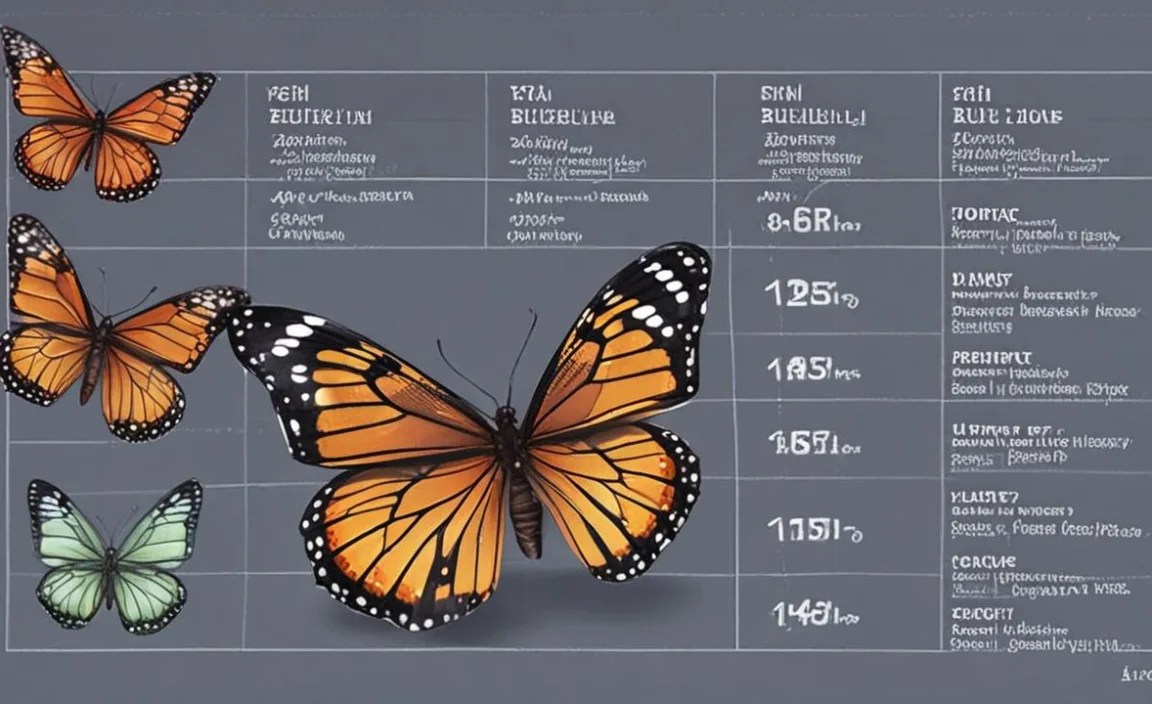
Butterfly lifespans are incredibly diverse, varying significantly from species to species. This variation is influenced by factors such as size, habitat, and life cycle strategies. Understanding these differences can help us appreciate the unique adaptations of each butterfly.
Factors Influencing Lifespan
Several factors play a crucial role in determining how long a butterfly lives:
- Species: Different species have genetically predetermined lifespans.
- Size: Larger butterflies tend to live longer than smaller ones.
- Habitat: Environmental conditions, such as temperature and availability of food, greatly affect lifespan.
- Life Cycle: Butterflies that migrate or overwinter typically have longer lifespans.
- Predators: The presence of predators can significantly reduce a butterfly’s lifespan.
General Lifespan Categories
Butterflies can generally be categorized into short-lived and long-lived species:
- Short-lived Butterflies: These butterflies typically live for a few weeks. Their primary focus is on reproduction.
- Long-lived Butterflies: Some butterflies can live for several months, often due to migration or hibernation.
Butterfly Lifespan Chart: Common Species

Here’s a look at the typical lifespans of some common butterfly species. Note that these are estimates, and actual lifespans can vary based on environmental factors.
| Species | Typical Lifespan (Weeks) | Notes |
|---|---|---|
| Monarch (Danaus plexippus) | 6-9 months (migratory generation) | Migratory generation lives longer to complete migration. |
| Painted Lady (Vanessa cardui) | 2-4 | One of the most widespread butterflies in the world. |
| Swallowtail (Various species) | 2-6 | Lifespan varies among different Swallowtail species. |
| Cabbage White (Pieris rapae) | 2-3 | Common garden butterfly. |
| Mourning Cloak (Nymphalis antiopa) | 10-11 months | One of the longest-lived butterflies; overwinters as an adult. |
| Question Mark (Polygonia interrogationis) | 6-8 months | Overwinters as an adult. |
| Red Admiral (Vanessa atalanta) | 6-8 months | Migratory and can overwinter in warmer climates. |
Detailed Look at Butterfly Lifespans

Let’s delve deeper into the lifespans of some well-known butterfly species, exploring their unique life cycles and adaptations.
Monarch Butterfly (Danaus plexippus)
The Monarch butterfly is famous for its incredible migration. There are multiple generations of Monarchs each year, but the generation that migrates to overwintering sites in Mexico and California has a significantly longer lifespan. According to the USDA Forest Service, this migratory generation can live up to nine months, while non-migratory generations typically live only a few weeks.
Life Cycle of the Monarch
- Egg: Monarch eggs hatch in about 3-5 days.
- Larva (Caterpillar): The caterpillar stage lasts for 2-3 weeks, during which it feeds exclusively on milkweed.
- Pupa (Chrysalis): The pupa stage lasts about 10-14 days.
- Adult: The adult Monarch lives for 2-6 weeks, except for the migratory generation.
Painted Lady Butterfly (Vanessa cardui)
The Painted Lady is one of the most widespread butterfly species in the world. It has a relatively short lifespan, typically living only 2-4 weeks as an adult. These butterflies are known for their rapid reproduction, which allows them to thrive in diverse environments.
Life Cycle of the Painted Lady
- Egg: Eggs hatch in about 3-7 days.
- Larva (Caterpillar): The caterpillar stage lasts for 2-4 weeks.
- Pupa (Chrysalis): The pupa stage lasts about 7-11 days.
- Adult: The adult Painted Lady lives for 2-4 weeks.
Swallowtail Butterflies (Various species)
Swallowtail butterflies are a diverse group, with various species found around the world. Their lifespans can vary, but most Swallowtails live for about 2-6 weeks as adults. Some species, like the Eastern Tiger Swallowtail, are known for their striking colors and patterns.
Life Cycle of the Swallowtail
- Egg: Eggs hatch in about 4-10 days, depending on the species.
- Larva (Caterpillar): The caterpillar stage lasts for 3-5 weeks.
- Pupa (Chrysalis): The pupa stage lasts about 10-20 days.
- Adult: The adult Swallowtail lives for 2-6 weeks.
Cabbage White Butterfly (Pieris rapae)
The Cabbage White is a common garden butterfly, often considered a pest due to its caterpillars feeding on cabbage and other cruciferous plants. These butterflies have a short lifespan, typically living only 2-3 weeks as adults.
Life Cycle of the Cabbage White
- Egg: Eggs hatch in about 4-7 days.
- Larva (Caterpillar): The caterpillar stage lasts for 2-3 weeks.
- Pupa (Chrysalis): The pupa stage lasts about 1-2 weeks.
- Adult: The adult Cabbage White lives for 2-3 weeks.
Mourning Cloak Butterfly (Nymphalis antiopa)
The Mourning Cloak is one of the longest-lived butterfly species, with adults often living for up to 10-11 months. This extended lifespan is due to their ability to overwinter as adults, finding shelter in tree cavities or under loose bark. According to the Butterflies and Moths of North America website, they emerge in early spring, making them one of the first butterflies seen each year.
Life Cycle of the Mourning Cloak
- Egg: Eggs hatch in about 10-14 days.
- Larva (Caterpillar): The caterpillar stage lasts for 4-6 weeks.
- Pupa (Chrysalis): The pupa stage lasts about 2-3 weeks.
- Adult: The adult Mourning Cloak lives for up to 10-11 months.
How to Help Butterflies Live Longer

While a butterfly’s lifespan is largely determined by its species and environmental factors, there are several things you can do to help them thrive and potentially live longer.
Plant Host Plants
Providing host plants for caterpillars is crucial. Different butterfly species rely on specific plants for their larvae to feed on. For example, Monarch caterpillars feed exclusively on milkweed. Planting these host plants in your garden can ensure that caterpillars have a reliable food source.
- Monarchs: Milkweed (Asclepias spp.)
- Swallowtails: Dill, parsley, fennel
- Painted Ladies: Thistle, mallow
Provide Nectar Sources
Adult butterflies need nectar for energy. Planting a variety of nectar-rich flowers that bloom at different times of the year can provide a continuous food source. Choose native plants whenever possible, as they are often best suited to local butterfly populations.
- Good nectar sources: Butterfly bush (Buddleja davidii), coneflowers (Echinacea spp.), zinnias (Zinnia elegans), and asters (Aster spp.).
Create a Butterfly-Friendly Habitat
Butterflies need shelter from wind and predators. Creating a habitat with shrubs, trees, and tall grasses can provide them with safe places to rest and hide. Also, avoid using pesticides, as they can be harmful to butterflies and other beneficial insects. The Xerces Society offers excellent resources on creating pollinator-friendly habitats.
- Provide shelter: Plant shrubs and trees to offer protection from wind and predators.
- Offer basking spots: Place flat stones in sunny areas for butterflies to warm themselves.
- Provide water: A shallow dish of water with pebbles can serve as a butterfly watering station.
Avoid Pesticides
Pesticides can be deadly to butterflies and other beneficial insects. Avoid using pesticides in your garden, or choose organic and natural alternatives. Even organic pesticides can be harmful, so use them sparingly and only when necessary.
- Use natural pest control methods: Encourage beneficial insects like ladybugs and lacewings to control pests.
- Handpick pests: Remove caterpillars and other pests by hand when possible.
Protect Overwintering Habitats
Some butterflies, like the Mourning Cloak, overwinter as adults. Protecting their overwintering habitats, such as tree cavities and leaf litter, can help them survive the winter and live longer. Avoid removing leaf litter in the fall, as it can provide important insulation for overwintering butterflies and other insects.
- Leave leaf litter: Avoid raking up all the leaves in your yard, as they provide shelter for overwintering insects.
- Protect tree cavities: Avoid cutting down dead trees or branches that may provide shelter for overwintering butterflies.
The Butterfly Life Cycle Explained
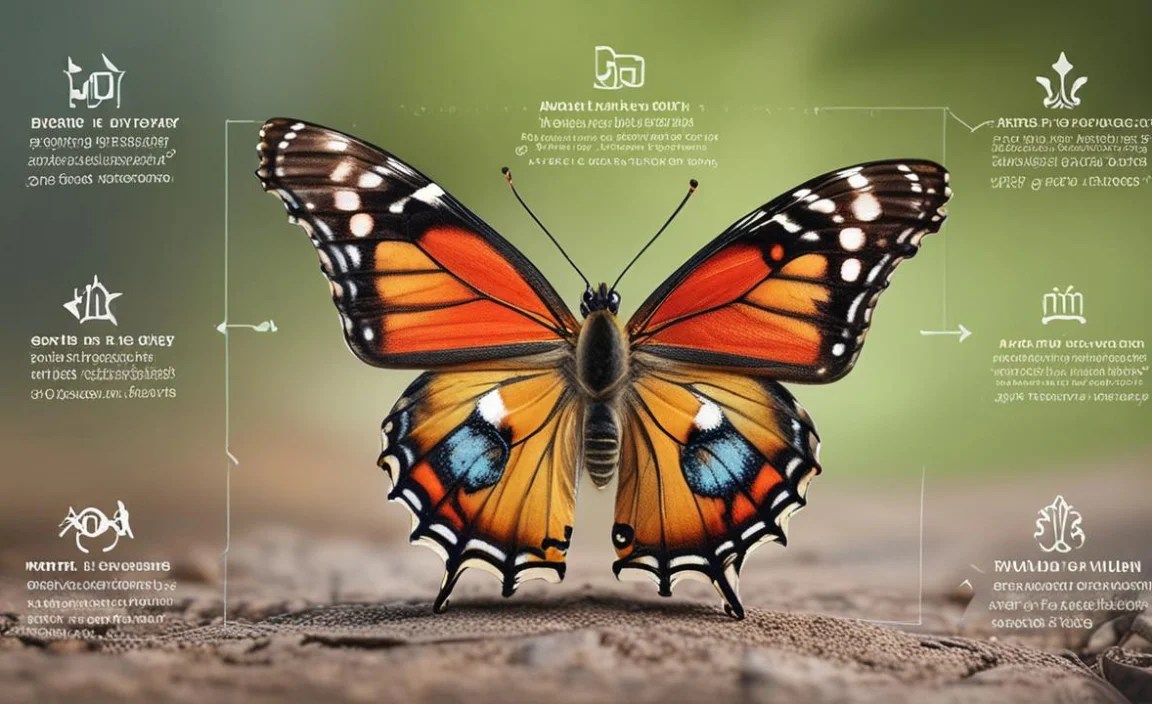
Understanding the butterfly life cycle is essential for appreciating the factors that influence their lifespan. Butterflies undergo complete metamorphosis, which includes four distinct stages: egg, larva (caterpillar), pupa (chrysalis), and adult.
Egg Stage
The butterfly life cycle begins with the egg stage. Butterflies lay their eggs on or near their host plants. The eggs are often small and can vary in color and shape depending on the species. Some eggs hatch in just a few days, while others may take several weeks.
Larva (Caterpillar) Stage
Once the egg hatches, the larva, or caterpillar, emerges. The caterpillar’s primary job is to eat and grow. Caterpillars feed voraciously on host plants, molting their skin several times as they grow larger. This stage can last from a few weeks to several months, depending on the species and environmental conditions.
Pupa (Chrysalis) Stage
After the caterpillar has grown sufficiently, it enters the pupa stage. The caterpillar forms a chrysalis, a protective casing in which it undergoes metamorphosis. Inside the chrysalis, the caterpillar’s body is broken down and reorganized into the adult butterfly form. This stage can last from a week to several months, depending on the species.
Adult Stage
Finally, the adult butterfly emerges from the chrysalis. The adult butterfly’s primary job is to reproduce. Adult butterflies feed on nectar from flowers, using their long proboscis to sip the sweet liquid. The adult stage can last from a few weeks to several months, depending on the species and environmental conditions.
Butterfly Conservation and Lifespan
Butterfly conservation is crucial for maintaining biodiversity and ecosystem health. Many butterfly species are threatened by habitat loss, pesticide use, and climate change. By taking steps to protect butterflies and their habitats, we can help ensure that these beautiful creatures continue to thrive.
Habitat Preservation
Protecting and restoring butterfly habitats is essential for their survival. This includes preserving natural areas, such as forests and meadows, as well as creating butterfly-friendly gardens in urban and suburban areas. Supporting organizations like the World Wildlife Fund can help in these efforts.
Sustainable Practices
Adopting sustainable practices, such as reducing pesticide use and planting native plants, can help create a healthier environment for butterflies. Supporting local farmers who use sustainable farming methods can also make a difference.
Citizen Science
Participating in citizen science projects, such as butterfly counts and monitoring programs, can help researchers track butterfly populations and identify areas where conservation efforts are needed. Organizations like the National Wildlife Federation offer opportunities to get involved in citizen science projects.
FAQ About Butterfly Lifespans
How long do butterflies typically live?
The lifespan of a butterfly varies greatly depending on the species. Some butterflies live only a few weeks, while others can live for several months.
What is the lifespan of a Monarch butterfly?
Monarch butterflies typically live for 2-6 weeks as adults, except for the migratory generation, which can live up to nine months.
How can I help butterflies live longer?
You can help butterflies live longer by planting host plants and nectar sources, creating a butterfly-friendly habitat, and avoiding pesticides.
What factors influence butterfly lifespan?
Factors that influence butterfly lifespan include species, size, habitat, life cycle strategies, and the presence of predators.
Do butterflies hibernate?
Some butterflies, like the Mourning Cloak, overwinter as adults, finding shelter in tree cavities or under loose bark. Monarch butterflies migrate to warmer climates to overwinter.
What is the life cycle of a butterfly?
The life cycle of a butterfly includes four stages: egg, larva (caterpillar), pupa (chrysalis), and adult.
Why is butterfly conservation important?
Butterfly conservation is important for maintaining biodiversity and ecosystem health. Many butterfly species are threatened by habitat loss, pesticide use, and climate change.
Conclusion
Understanding the lifespans of butterflies and the factors that influence them allows us to appreciate these delicate creatures even more. From the short-lived Painted Lady to the long-lived Mourning Cloak and migratory Monarch, each species has its own unique story. By creating butterfly-friendly habitats and supporting conservation efforts, we can help ensure that future generations will continue to enjoy the beauty and wonder of butterflies.


