
Monarch Butterfly Citizen Science: Your Powerful Impact

Quick Summary: Want to help monarch butterflies? You can! Citizen science projects let you track monarchs, tag them, monitor milkweed, and report sightings. Your observations provide valuable data to scientists studying monarch populations and migration. It’s a fun way to learn about nature and contribute to conservation efforts. Start making a difference today!
Have you ever wondered how you could help protect the beautiful monarch butterfly? These iconic creatures are facing challenges, but you can play a vital role in their survival. Citizen science offers a fantastic opportunity for anyone to get involved. By participating in monarch monitoring projects, you’ll not only learn more about these incredible insects but also contribute valuable data to scientists working to conserve them.
This guide will walk you through everything you need to know to become a monarch butterfly citizen scientist. We’ll explore different projects, explain how to collect data, and show you how your contributions make a real difference. Get ready to embark on an exciting journey of discovery and conservation!
What is Monarch Butterfly Citizen Science?

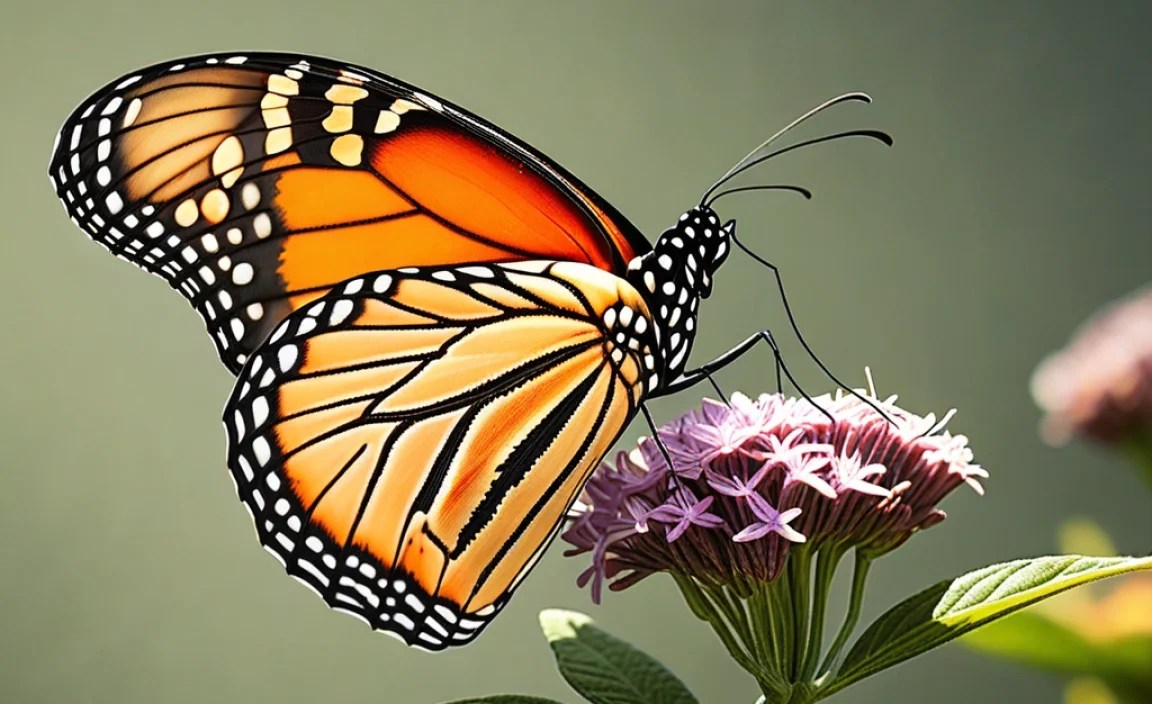
Citizen science, in general, is a collaborative effort where everyday people work with professional scientists to collect and analyze data. In the context of monarch butterflies, citizen science involves volunteers observing, monitoring, and reporting information about monarch populations, their habitats, and their migration patterns. Think of it as a team effort where everyone’s contribution, no matter how small, adds up to a big impact.
As Frances O’Brien from ButterflyAsk.com, I’ve seen firsthand how impactful these programs can be. Even simple observations shared by everyday people can reveal important trends and patterns that help scientists understand and protect these amazing creatures.
Why is Monarch Butterfly Citizen Science Important?
Monarch populations have been declining in recent decades due to habitat loss, climate change, and other factors. Scientists need data to understand the extent of these declines and to develop effective conservation strategies. However, monitoring monarch populations across their vast range is a huge task. That’s where citizen scientists come in!
By participating in citizen science projects, you can help:
- Track monarch migration patterns
- Monitor milkweed availability (the only food source for monarch caterpillars)
- Estimate monarch population sizes
- Identify threats to monarch habitats
- Evaluate the effectiveness of conservation efforts
Your observations, combined with those of other volunteers, provide a wealth of information that would be impossible for scientists to collect on their own. This data is essential for making informed decisions about how to protect monarch butterflies and their habitats.
Popular Monarch Butterfly Citizen Science Projects

There are many citizen science projects focused on monarch butterflies, each with its own goals and methods. Here are some of the most popular and well-established programs:
1. Journey North
Journey North is a program that tracks the migration of monarchs and other wildlife. Participants report their first monarch sightings in the spring and fall, as well as observations of milkweed emergence and monarch breeding activity. This data helps scientists understand the timing and routes of monarch migration.
How to Participate:
- Visit the Journey North website.
- Create a free account.
- Report your monarch and milkweed sightings through the online form.
2. Monarch Watch Tagging Program
Monarch Watch is a research and education program based at the University of Kansas. Their tagging program involves attaching small, numbered tags to monarch butterflies before they migrate south. When tagged monarchs are recovered in Mexico, the data helps scientists understand migration routes and survival rates.
How to Participate:
- Purchase monarch tags from the Monarch Watch shop.
- Learn how to properly tag monarchs (instructions are provided with the tags).
- Tag monarchs in late summer and early fall as they begin their migration.
- Report your tagging data to Monarch Watch.
3. Monarch Larva Monitoring Project (MLMP)
The MLMP focuses on monitoring monarch larvae (caterpillars) and their milkweed host plants. Volunteers regularly check milkweed patches for monarch eggs and caterpillars, recording the number of monarchs found and any threats to their survival. This data helps scientists understand monarch breeding success and identify factors that affect larval survival.
How to Participate:
- Visit the Monarch Larva Monitoring Project website.
- Learn how to identify monarch eggs and caterpillars.
- Select a milkweed patch to monitor regularly.
- Record your observations using the MLMP data sheets or online portal.
4. Integrated Monarch Monitoring Program (IMMP)
The IMMP is a comprehensive monitoring program that collects data on monarch populations, habitats, and threats across North America. It involves a variety of monitoring protocols, including roadside surveys, habitat assessments, and milkweed counts. This data provides a broad picture of monarch conservation needs and helps guide management decisions.
How to Participate:
- Visit the Integrated Monarch Monitoring Program website.
- Explore the different monitoring protocols and choose one that suits your interests and abilities.
- Participate in training workshops or online tutorials.
- Collect and submit data according to the IMMP protocols.
5. iNaturalist
iNaturalist is a global online platform for sharing observations of nature. You can use iNaturalist to report your monarch sightings, as well as observations of milkweed and other butterfly species. The platform uses image recognition technology to help identify your observations and connects you with a community of naturalists who can provide feedback and verification.
How to Participate:
- Download the iNaturalist app or visit the iNaturalist website.
- Create a free account.
- Take photos of monarchs, milkweed, and other butterfly species.
- Upload your observations to iNaturalist, including the date, location, and any other relevant information.
Choosing the Right Project for You
With so many citizen science projects to choose from, it can be hard to know where to start. Consider the following factors when selecting a project:
- Your interests: Are you more interested in tracking migration, monitoring larvae, or assessing habitats?
- Your time commitment: Some projects require regular monitoring, while others are more flexible.
- Your location: Some projects are focused on specific regions.
- Your skills: Some projects require specialized knowledge or training.
You can also participate in multiple projects to contribute to different aspects of monarch conservation. No matter which project you choose, your efforts will make a valuable contribution to our understanding of these amazing butterflies.
How to Collect and Report Data
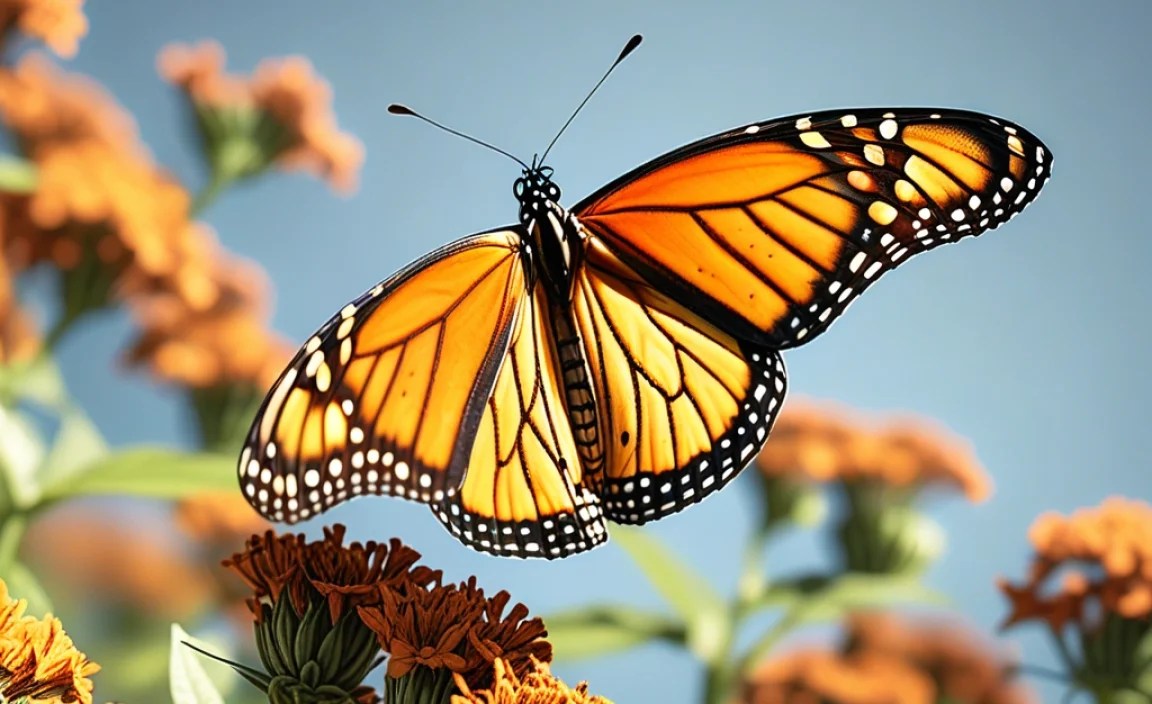
Accurate data collection is essential for the success of any citizen science project. Here are some tips for collecting and reporting data effectively:
1. Learn How to Identify Monarchs
Before you start collecting data, make sure you can accurately identify monarch butterflies in all their life stages (egg, larva, pupa, adult). Consult field guides, online resources, or experienced naturalists to learn the key identifying characteristics. It’s also important to be able to distinguish monarchs from similar-looking species, such as viceroy butterflies.
| Feature | Monarch | Viceroy |
|---|---|---|
| Size | Larger (3.5-4 inches wingspan) | Smaller (2.5-3 inches wingspan) |
| Wing Pattern | Black veins on orange wings | Black line across the hindwing |
| Flight | Soaring, gliding | More erratic, flapping |
2. Follow the Project Protocols
Each citizen science project has its own specific protocols for data collection. Be sure to read and understand the protocols carefully before you start monitoring. This will ensure that you are collecting data in a consistent and reliable manner.
3. Be Accurate and Precise
When recording data, be as accurate and precise as possible. Use a GPS device or online mapping tool to record the exact location of your observations. Count monarchs and milkweed carefully. Note any relevant details, such as the weather conditions, the presence of predators, or the condition of the habitat.
4. Take Clear Photos
Photos can be a valuable addition to your data. Take clear photos of monarchs, milkweed, and any other relevant features. Photos can help verify your observations and provide additional information about the habitat.
5. Report Your Data Promptly
Report your data to the project organizers as soon as possible. This will ensure that the data is available for analysis in a timely manner. Follow the project’s instructions for submitting data, whether it’s through an online form, a mobile app, or a data sheet.
6. Keep a Record of Your Activities
Keep a record of your monitoring activities, including the dates, locations, and data you collected. This will help you track your progress and identify any patterns or trends in your observations. It’s also a good idea to keep a notebook or journal to record your thoughts and reflections on your experiences.
Creating Monarch-Friendly Habitats
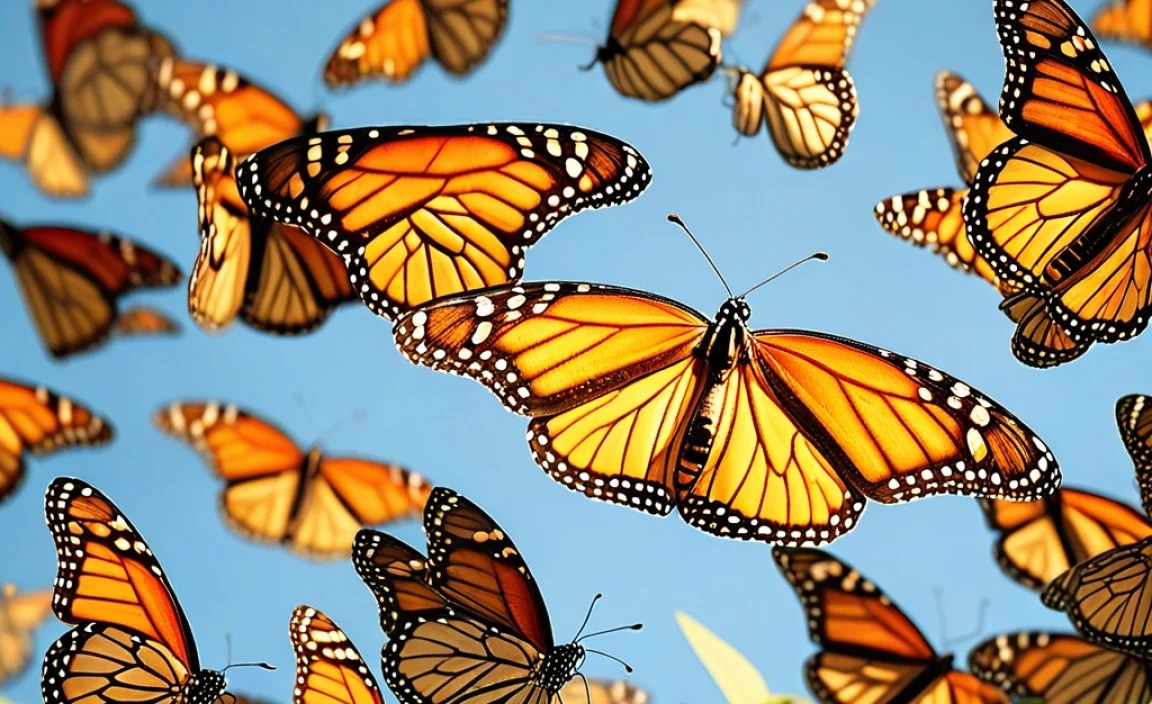
In addition to participating in citizen science projects, you can also help monarch butterflies by creating monarch-friendly habitats in your own backyard or community. Here are some tips for creating a welcoming space for monarchs:
1. Plant Milkweed
Milkweed is the only food source for monarch caterpillars, so it’s essential to plant milkweed in your garden. Choose native milkweed species that are well-suited to your local climate and soil conditions. You can find milkweed seeds or plants at local nurseries or online retailers. Make sure the milkweed you purchase has not been treated with systemic pesticides. These pesticides can be toxic to monarch caterpillars.
2. Provide Nectar Sources
Adult monarch butterflies need nectar for energy, so plant a variety of nectar-rich flowers that bloom throughout the monarch migration season. Choose native flowers that are attractive to monarchs and other pollinators. Some good choices include asters, coneflowers, goldenrod, and zinnias.
3. Avoid Pesticides
Pesticides can be harmful to monarch butterflies and other beneficial insects. Avoid using pesticides in your garden, or choose organic or natural pest control methods. Be especially careful to avoid using systemic insecticides, which can be absorbed by milkweed and other plants and harm monarch caterpillars that feed on them.
4. Provide Shelter
Monarchs need shelter from wind and rain, so provide trees, shrubs, and other vegetation in your garden. These plants will also provide habitat for other wildlife, creating a more diverse and healthy ecosystem.
5. Create a Water Source
Monarchs need water to stay hydrated, so provide a shallow dish of water or a bird bath in your garden. Add pebbles or stones to the dish so that monarchs can land and drink without drowning.
6. Educate Others
Share your knowledge about monarch butterflies with others and encourage them to create monarch-friendly habitats in their own yards. You can also participate in community events or educational programs to raise awareness about monarch conservation.
The Impact of Citizen Science
Citizen science has had a significant impact on monarch butterfly conservation. Data collected by citizen scientists has been used to:
- Track monarch migration patterns
- Identify important breeding and overwintering habitats
- Assess the impacts of habitat loss and climate change
- Evaluate the effectiveness of conservation efforts
Citizen science data has also been used to inform policy decisions and management practices. For example, data from the Monarch Larva Monitoring Project was used to develop recommendations for managing milkweed habitats to benefit monarch butterflies. The data collected by Journey North has helped to identify important stopover sites for migrating monarchs, which can then be targeted for conservation efforts.
The success of monarch butterfly citizen science demonstrates the power of collaboration between scientists and the public. By working together, we can make a real difference in protecting these amazing creatures and their habitats.
Inspiring Stories from Citizen Scientists
Citizen science is not just about collecting data; it’s also about connecting with nature and making a difference in the world. Here are a few inspiring stories from citizen scientists who have contributed to monarch butterfly conservation:
- A Teacher’s Dedication: A middle school science teacher in Iowa uses the Monarch Larva Monitoring Project to engage her students in hands-on learning about ecology and conservation. Her students monitor milkweed patches near their school, collecting data on monarch eggs and caterpillars. They also raise monarch caterpillars in the classroom, releasing them as butterflies in the fall.
- A Retired Couple’s Passion: A retired couple in California spends their summers tagging monarch butterflies as part of the Monarch Watch program. They have tagged thousands of monarchs over the years, and their data has helped scientists understand the migration patterns of western monarch populations.
- A Community’s Effort: A community in Texas transformed a vacant lot into a monarch butterfly garden, planting milkweed and nectar-rich flowers. Residents of all ages participate in monitoring the garden, reporting their observations to the Integrated Monarch Monitoring Program. The garden has become a haven for monarchs and other pollinators, as well as a gathering place for the community.
These stories demonstrate the power of citizen science to inspire and empower people to take action for monarch butterfly conservation. Whether you’re a student, a teacher, a retiree, or simply someone who cares about nature, you can make a difference by participating in citizen science projects.
Frequently Asked Questions
Q: What equipment do I need to participate in monarch butterfly citizen science?
A: The equipment you need depends on the specific project. Generally, you’ll need a notebook, pen, camera, and a field guide to help identify monarchs and milkweed. Some projects may require specialized equipment, such as monarch tags or GPS devices.
Q: Do I need any special skills or knowledge to participate?
A: No special skills or knowledge are required. Most projects provide training and resources to help you get started. The most important thing is to be willing to learn and to follow the project protocols carefully.
Q: How much time do I need to commit to a citizen science project?
A: The time commitment varies depending on the project. Some projects require regular monitoring, while others are more flexible. You can choose a project that fits your schedule and interests.
Q: Can I participate in citizen science projects with my children or grandchildren?
A: Yes! Citizen science is a great way to engage children in nature and teach them about science and conservation. Many projects are designed to be family-friendly.
Q: Where can I find more information about monarch butterfly citizen science projects?
A: You can find more information about monarch butterfly citizen science projects on the websites of the organizations mentioned in this guide, such as Journey North, Monarch Watch, and the Monarch Joint Venture.
Q: What if I don’t have monarchs in my area?
A: Even if you don’t have monarchs in your immediate area, you can still participate in citizen science by monitoring milkweed or reporting sightings of other butterfly species. Your observations can help scientists understand the overall health of pollinator populations.
Q: How do scientists use the data I collect?
A: Scientists use citizen science data to track monarch populations, identify important habitats, assess the impacts of threats, and evaluate the effectiveness of conservation efforts. This data is used to inform policy decisions and management practices aimed at protecting monarch butterflies.
Conclusion
Monarch butterfly citizen science offers a rewarding opportunity to connect with nature, learn about these fascinating creatures, and contribute to their conservation. By participating in monitoring projects, creating monarch-friendly habitats, and educating others, you can make a real difference in the lives of monarch butterflies. Even small actions, when combined with the efforts of others, can have a significant impact. So, take the first step today and become a monarch butterfly citizen scientist. Together, we can help ensure that these iconic butterflies continue to grace our world for generations to come.


