
Monarch Migration Trails: Discover the Ultimate Route

Monarch migration trails are the routes these amazing butterflies take as they travel thousands of miles each year. These trails span across North America, with monarchs heading south to warmer climates like Mexico and California to escape the cold winters. Understanding these trails helps us protect crucial habitats and support their incredible journey.
Have you ever wondered how delicate monarch butterflies manage to travel thousands of miles each year? It’s an amazing feat of nature, but it also makes their survival very fragile. Many factors, like habitat loss and climate change, threaten these incredible journeys. It can feel overwhelming to know how to help. But don’t worry! This guide will walk you through the fascinating world of monarch migration trails and show you simple ways you can make a big difference in protecting them. We’ll explore where they go, why it matters, and how you can help these butterflies continue their amazing journey for generations to come. Let’s get started on this exciting adventure!
Understanding Monarch Migration Trails
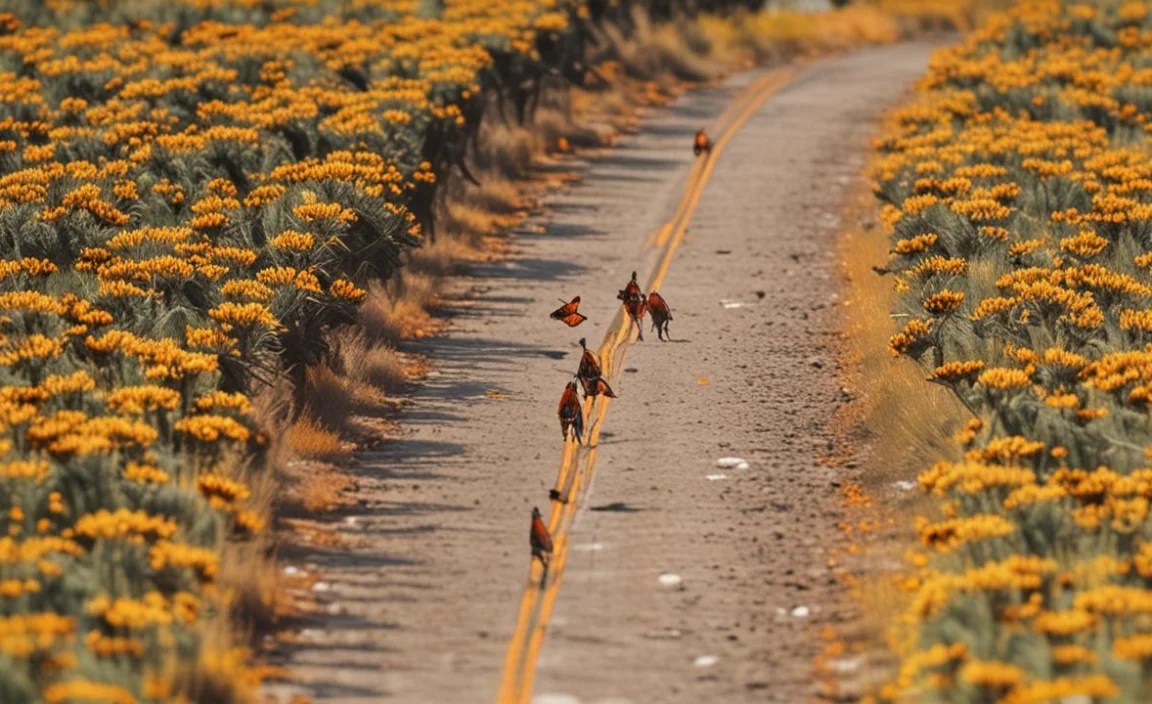
Monarch butterfly migration is one of the most spectacular natural events on Earth. These delicate creatures embark on a multi-generational journey, traveling thousands of miles to reach their overwintering grounds. Understanding their migration trails is crucial for conservation efforts.
The Eastern Migration
The eastern population of monarch butterflies is the largest and most well-known. These monarchs breed east of the Rocky Mountains and migrate to the oyamel fir forests in the mountains of central Mexico. This journey can be as long as 3,000 miles!
Key Stages of the Eastern Migration:
- Summer Breeding Grounds: Monarchs lay their eggs on milkweed plants throughout the eastern United States and Canada.
- Fall Migration: As temperatures drop, monarchs begin their journey south, often traveling in large groups.
- Overwintering in Mexico: Millions of monarchs gather in the oyamel fir forests, forming dense colonies to stay warm.
- Spring Return: In the spring, monarchs begin their journey north, laying eggs as they go and starting the cycle anew.
Monarchs use a combination of environmental cues and an internal compass to navigate. They rely on the position of the sun and the Earth’s magnetic field to stay on course. Incredible, right?
The Western Migration
The western population of monarch butterflies breeds west of the Rocky Mountains and overwinters along the California coast. This migration is shorter than the eastern migration, but it is still a remarkable journey.
Key Stages of the Western Migration:
- Summer Breeding Grounds: Monarchs lay their eggs on milkweed plants throughout the western United States and Canada.
- Fall Migration: Monarchs fly to the California coast, seeking out overwintering sites.
- Overwintering in California: Monarchs gather in groves of trees, such as eucalyptus and Monterey pines, along the coast.
- Spring Return: In the spring, monarchs disperse inland, laying eggs and continuing the cycle.
The western monarch population has faced significant declines in recent years, making conservation efforts even more critical. Protecting overwintering sites and restoring milkweed habitat are essential for their survival.
Important Stopover Locations
Along their migration trails, monarchs rely on specific stopover locations to rest and refuel. These areas provide crucial nectar sources and shelter.
- Texas: Texas is a vital stopover state for eastern monarchs, providing nectar sources as they travel to and from Mexico.
- Oklahoma: Similar to Texas, Oklahoma offers important resources for migrating monarchs.
- California Coast: The California coast provides overwintering habitat and nectar sources for western monarchs.
- Arizona: Arizona serves as a crucial corridor for western monarchs moving between breeding and overwintering sites.
Protecting and restoring these stopover locations is essential for ensuring monarchs have the resources they need to complete their migration. Planting native nectar-rich flowers can make a big difference.
Why Monarch Migration Trails Matter

Monarch migration is not just a beautiful spectacle; it also plays a vital role in the ecosystem. Understanding why these trails matter is key to supporting their conservation.
Pollination
Monarch butterflies are important pollinators, helping to spread pollen from flower to flower as they feed on nectar. This pollination is essential for the reproduction of many plant species, including some that are important for agriculture.
Ecological Indicator
Monarch populations serve as an indicator of environmental health. Declines in monarch numbers can signal broader problems in the ecosystem, such as habitat loss, pesticide use, and climate change.
Educational Value
Monarch migration provides valuable educational opportunities, teaching people about biology, ecology, and conservation. Studying monarchs can inspire a love of nature and a desire to protect the environment.
Cultural Significance
In Mexico, the arrival of monarch butterflies is celebrated as a symbol of the return of loved ones. The monarchs are believed to be the souls of ancestors returning to visit. This cultural significance underscores the importance of protecting these butterflies.
Threats to Monarch Migration Trails

Monarch migration faces numerous threats, many of which are caused by human activities. Understanding these threats is the first step in finding solutions.
Habitat Loss
Habitat loss is one of the biggest threats to monarch butterflies. The destruction of milkweed habitat due to agriculture, development, and herbicide use deprives monarchs of their primary food source. The World Wildlife Fund highlights this as a critical issue.
Climate Change
Climate change can disrupt monarch migration patterns and affect their breeding and overwintering habitats. Extreme weather events, such as droughts and storms, can also harm monarch populations. For example, late frosts can kill off milkweed, depriving Monarchs of food.
Pesticide Use
Pesticides, particularly neonicotinoids, can harm monarch butterflies and other pollinators. These chemicals can contaminate milkweed plants and nectar, poisoning monarchs when they feed. The Environmental Protection Agency (EPA) regulates pesticide use, but more can be done to protect pollinators.
Illegal Logging
In Mexico, illegal logging in the oyamel fir forests destroys the overwintering habitat of eastern monarchs. This deforestation reduces the amount of shelter available, making it harder for monarchs to survive the winter.
Disease and Parasites
Monarchs can be affected by diseases and parasites, such as OE (Ophryocystis elektroscirrha), which can weaken them and reduce their ability to migrate. Overcrowding in overwintering sites can increase the spread of these diseases.
How to Help Protect Monarch Migration Trails

Protecting monarch migration trails requires a collaborative effort from individuals, communities, and governments. Here are some ways you can help:
Plant Milkweed
Planting milkweed is one of the most effective ways to help monarch butterflies. Milkweed is the only food source for monarch caterpillars, so providing more of it can significantly boost their populations. The Xerces Society offers resources on selecting the right milkweed species for your region.
Create a Butterfly Garden
In addition to milkweed, plant nectar-rich flowers that will provide food for adult monarchs. Choose native species that bloom at different times throughout the growing season to provide a continuous food source. Include plants like coneflowers, asters, and zinnias.
Avoid Pesticides
Avoid using pesticides in your garden and on your property. If you must use pesticides, choose options that are less harmful to pollinators and apply them carefully, following all label instructions. Consider organic gardening practices to reduce your reliance on pesticides.
Support Conservation Organizations
Support organizations that are working to protect monarch butterflies and their habitat. These organizations conduct research, restore habitat, and advocate for policies that benefit monarchs. Consider donating to or volunteering with groups like the National Wildlife Federation or Monarch Watch.
Educate Others
Share your knowledge about monarch butterflies and their migration with others. Talk to your friends, family, and neighbors about the importance of protecting these amazing creatures. Encourage them to take action to help monarchs in their own communities.
Participate in Citizen Science
Get involved in citizen science projects that track monarch populations and migration patterns. These projects rely on volunteers to collect data that is used by scientists to monitor monarch health and develop conservation strategies. Consider participating in programs like the Monarch Larva Monitoring Project or Journey North.
Advocate for Policy Changes
Support policies that protect monarch habitat and reduce pesticide use. Contact your elected officials and urge them to take action to help monarch butterflies. Advocate for funding for conservation programs and regulations that protect pollinators.
Detailed Steps to Create a Monarch-Friendly Garden

Creating a monarch-friendly garden involves careful planning and attention to detail. Here’s a step-by-step guide to help you get started:
- Choose a Sunny Location: Monarchs need plenty of sunlight to thrive. Select a location that receives at least six hours of sunlight per day.
- Prepare the Soil: Monarchs prefer well-drained soil. Amend heavy clay soils with compost or other organic matter to improve drainage.
- Select Native Milkweed Species: Choose milkweed species that are native to your region. Native milkweeds are best adapted to local conditions and will provide the most benefit to monarchs.
- Plant Nectar-Rich Flowers: Select a variety of nectar-rich flowers that bloom at different times throughout the growing season. Include plants like coneflowers, asters, zinnias, and butterfly bush.
- Provide a Water Source: Monarchs need access to water. Provide a shallow dish of water with pebbles or stones for them to land on.
- Avoid Pesticides: Do not use pesticides in your garden. If you must use pesticides, choose options that are less harmful to pollinators and apply them carefully.
- Maintain Your Garden: Water your plants regularly and remove weeds as needed. Deadhead spent flowers to encourage more blooms.
Tools and Resources for Monarch Conservation
There are many tools and resources available to help you learn more about monarch butterflies and support their conservation.
| Resource | Description | Link |
|---|---|---|
| Xerces Society | Provides information on monarch biology, conservation, and habitat restoration. | https://www.xerces.org/ |
| Monarch Watch | Offers resources for raising monarchs, tagging monarchs, and creating monarch waystations. | https://monarchwatch.org/ |
| National Wildlife Federation | Provides information on monarch conservation and how to create a wildlife-friendly garden. | https://www.nwf.org/ |
| Journey North | A citizen science project that tracks monarch migration patterns. | https://journeynorth.org/ |
| Monarch Joint Venture | A partnership of organizations working to protect monarch butterflies. | https://monarchjointventure.org/ |
Monarch Butterfly Migration: A Closer Look at the Numbers
Understanding the scope of monarch migration involves looking at some key statistics. Here’s a table highlighting important numbers:
| Statistic | Value | Significance |
|---|---|---|
| Distance Traveled (Eastern Monarchs) | Up to 3,000 miles | Highlights the incredible endurance of monarchs. |
| Overwintering Area in Mexico | Less than 3 hectares | Shows how concentrated the overwintering habitat is, making it vulnerable. |
| Generations per Year | 4-5 | Illustrates the multi-generational nature of the migration. |
| Decline in Western Monarch Population | Over 99% since the 1980s | Emphasizes the urgent need for conservation efforts. |
| Eggs Laid per Female | Around 400 | Shows the reproductive potential of monarchs, but also their vulnerability. |
FAQ About Monarch Migration Trails
What is a monarch migration trail?
A monarch migration trail is the route that monarch butterflies follow as they travel between their breeding grounds and overwintering sites. These trails span thousands of miles across North America.
Why do monarchs migrate?
Monarchs migrate to escape the cold winters in their breeding grounds. They travel to warmer climates where they can survive and reproduce.
Where do eastern monarchs overwinter?
Eastern monarchs overwinter in the oyamel fir forests in the mountains of central Mexico.
Where do western monarchs overwinter?
Western monarchs overwinter along the California coast, gathering in groves of trees such as eucalyptus and Monterey pines.
What can I do to help monarchs?
You can help monarchs by planting milkweed, creating a butterfly garden, avoiding pesticides, and supporting conservation organizations.
How long does it take for monarchs to complete their migration?
The entire monarch migration cycle takes several generations. Individual monarchs only live for a few weeks, but their offspring continue the journey.
Are monarch butterflies endangered?
Monarch butterflies are not currently listed as endangered, but their populations have declined significantly in recent years, and they are considered vulnerable. Conservation efforts are crucial to ensure their survival.
Conclusion
Monarch migration trails are a testament to the incredible resilience and beauty of nature. By understanding these trails and the threats that monarchs face, we can all play a part in protecting these amazing butterflies for future generations. Whether it’s planting milkweed in your garden, supporting conservation organizations, or educating others about the importance of monarch conservation, every action makes a difference. Let’s work together to ensure that the skies continue to be filled with the vibrant colors of migrating monarchs.


