
Butterfly Basking Behavior: The Ultimate Guide

Butterfly basking behavior is how butterflies warm themselves by spreading their wings and absorbing sunlight. They do this to raise their body temperature so they can fly, find food, and mate. It’s like sunbathing for butterflies! This behavior is most common on cool mornings or cloudy days when they need extra warmth.
Have you ever noticed butterflies sitting still with their wings spread wide open? It might seem like they’re just relaxing, but they’re actually performing a crucial task: basking! Butterflies are cold-blooded, meaning they can’t regulate their own body temperature. This can be frustrating, as it limits their ability to fly, feed, and find a mate. But don’t worry! I’m Frances O’Brien, and I’ll guide you through the fascinating world of butterfly basking, explaining why they do it and how you can spot this behavior in your own backyard.
Why Do Butterflies Bask?
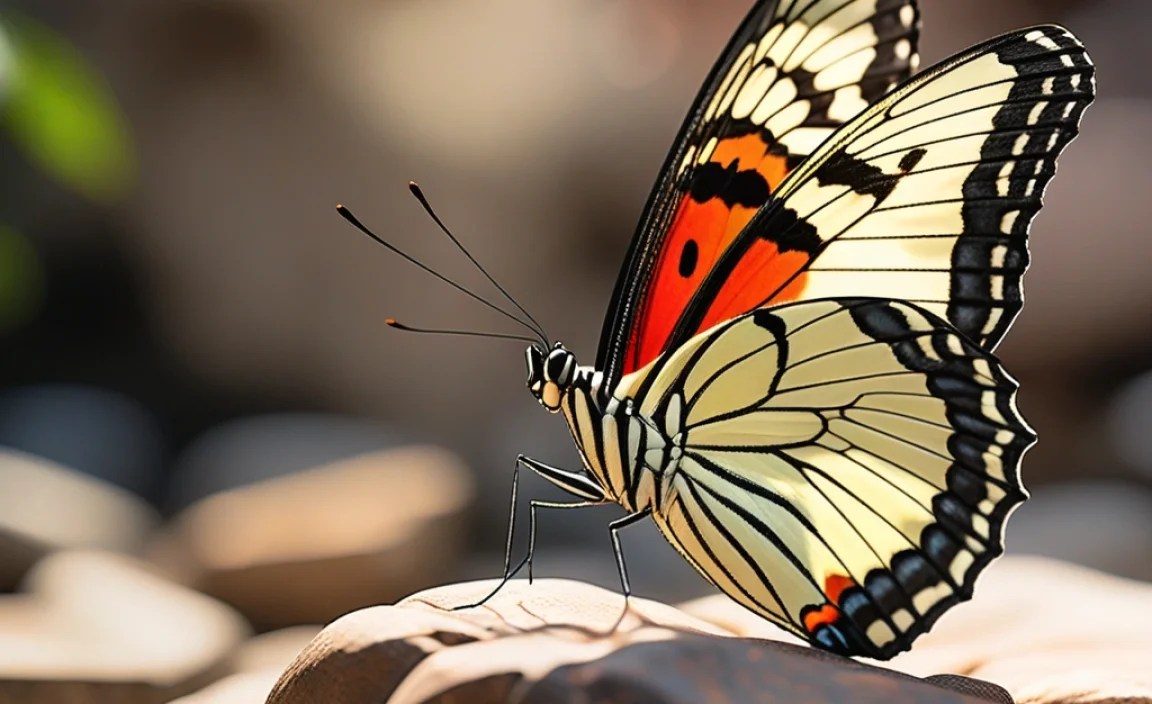
Butterflies need warmth to function. Their muscles need to be at a certain temperature to allow them to fly. Basking is how they achieve this. Here’s why it’s so important:
- Flight: Butterflies can’t fly if their body temperature is too low. Basking warms their flight muscles.
- Digestion: Higher body temperatures aid in the digestion of food.
- Reproduction: Butterflies need to be warm enough to mate and lay eggs.
- Survival: Basking helps butterflies stay active and avoid predators.
How Butterflies Bask: A Step-by-Step Guide
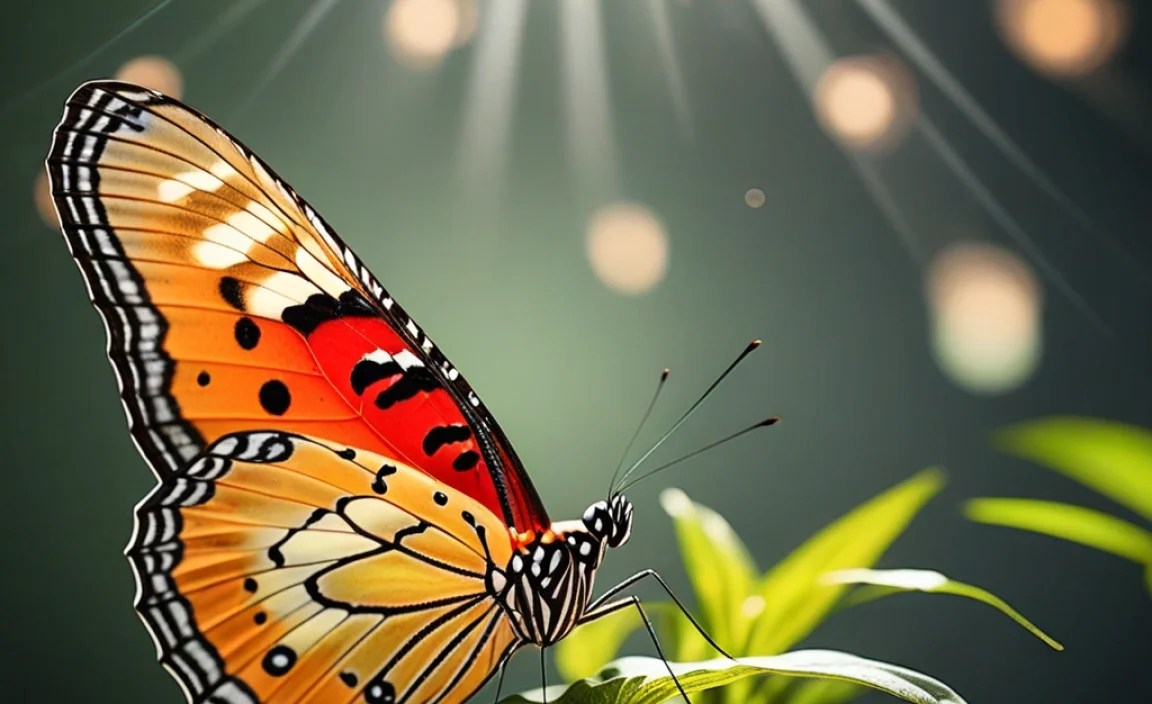
Here’s a detailed look at how butterflies use basking to stay warm:
Step 1: Finding the Perfect Spot
Butterflies are strategic about where they bask. They look for:
- Sunlight: A spot that receives direct sunlight is essential.
- Shelter: Protection from wind helps them retain heat.
- Dark Surfaces: Dark rocks or soil absorb heat and reflect it back onto the butterfly.
Step 2: Positioning Their Wings
There are two main basking postures butterflies use:
- Lateral Basking: The butterfly spreads its wings wide open, perpendicular to the sun. This maximizes the surface area exposed to sunlight.
- Reflex Basking: The butterfly closes its wings slightly, forming a V-shape. This focuses sunlight onto the thorax, where the flight muscles are located.
Step 3: Absorbing the Heat
Once in position, the butterfly simply absorbs the sun’s energy. Dark-colored wings help absorb heat more efficiently. Butterflies can also shiver their muscles to generate additional warmth, similar to how humans shiver when cold.
Step 4: Monitoring Body Temperature
Butterflies are careful not to overheat. They may adjust their wing position or move into the shade if they get too warm. Some butterflies also have special scales that reflect sunlight, helping them regulate their temperature.
Types of Basking
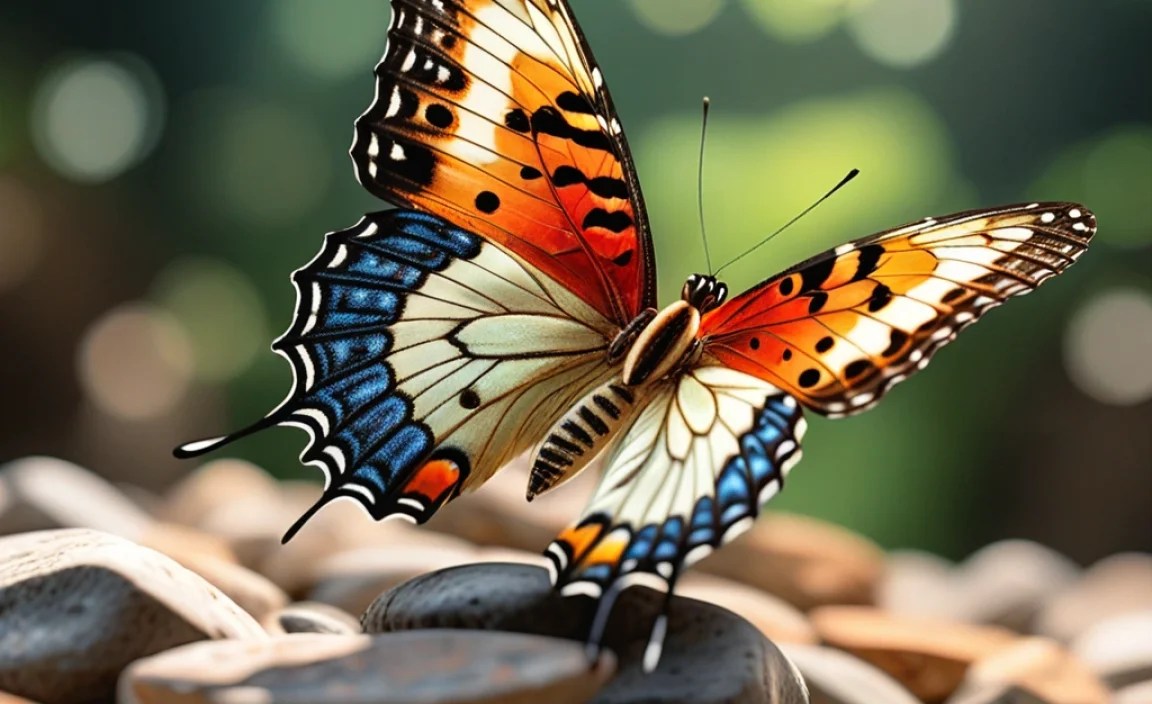
Butterflies use different basking techniques depending on the weather and their individual needs:
Lateral Basking
This is the most common type of basking. The butterfly spreads its wings wide open, maximizing exposure to the sun. It’s like a solar panel soaking up the rays!
Reflex Basking
In this posture, the butterfly angles its wings to reflect sunlight onto its thorax. This is particularly effective for warming up the flight muscles quickly. Think of it as a concentrated dose of sunshine.
Dorsal Basking
Some butterflies, especially those with darker undersides, will bask with their wings closed, exposing their backs to the sun. This is called dorsal basking.
Group Basking
Occasionally, you might see several butterflies basking together in a group. This can help them conserve heat and stay warm, especially in cooler temperatures.
Factors Affecting Basking Behavior
Several factors influence how and when butterflies bask:
Temperature
Temperature is the most important factor. Butterflies bask more frequently when it’s cool and less often when it’s warm.
Time of Day
Basking is most common in the morning when temperatures are cooler. Butterflies may also bask on cloudy days or after periods of rain.
Species
Different butterfly species have different basking strategies. Some species are more cold-tolerant and require less basking than others.
Wing Color
Darker-winged butterflies absorb heat more efficiently and may bask less frequently than lighter-winged species. According to research from the Smithsonian Institution, dark wing coloration can significantly impact thermoregulation in butterflies.
Examples of Basking Butterflies
Many butterfly species exhibit basking behavior. Here are a few common examples:
- Monarchs: Known for their long migrations, Monarchs often bask to warm up before taking flight.
- Swallowtails: These large, colorful butterflies frequently bask with their wings spread wide open.
- Painted Ladies: Painted Ladies are adaptable butterflies that bask in various postures depending on the temperature.
- Cabbage Whites: These common garden butterflies often bask on cool mornings to get ready for the day.
How to Attract Basking Butterflies to Your Garden
You can create a butterfly-friendly habitat in your garden that encourages basking behavior. Here’s how:
- Provide Sunny Spots: Make sure your garden has plenty of areas that receive direct sunlight.
- Add Flat Rocks: Place flat rocks or pavers in sunny locations. These will absorb heat and provide basking spots for butterflies.
- Plant Nectar-Rich Flowers: Nectar provides butterflies with the energy they need to fly and bask. Choose a variety of flowers that bloom throughout the season.
- Offer Shelter: Plant shrubs or trees to provide shelter from wind and predators.
- Avoid Pesticides: Pesticides can harm butterflies and other beneficial insects. Use natural pest control methods instead.
The Science Behind Butterfly Basking
Butterfly basking is more than just sunbathing; it’s a complex physiological process. Here’s a deeper dive into the science:
Thermoregulation
Thermoregulation is the ability of an organism to maintain its body temperature within a certain range. Butterflies use basking as a primary means of thermoregulation. According to the Xerces Society, understanding thermoregulation is crucial for butterfly conservation.
Wing Pigmentation
The color and pattern of a butterfly’s wings play a significant role in thermoregulation. Darker pigments absorb more heat, while lighter pigments reflect it. Butterflies can also have specialized scales that help regulate temperature.
Shivering
Some butterflies can shiver their flight muscles to generate heat, even when there is no sunlight available. This is similar to how humans shiver when cold.
Conservation Implications
Understanding butterfly basking behavior is important for conservation efforts. As climate change alters temperatures and habitats, butterflies may struggle to regulate their body temperature. Here are some ways you can help:
- Create Butterfly Gardens: Provide basking spots, nectar sources, and shelter in your garden.
- Support Conservation Organizations: Donate to organizations that protect butterfly habitats.
- Reduce Pesticide Use: Avoid using pesticides that can harm butterflies and other beneficial insects.
- Educate Others: Share your knowledge about butterfly basking and conservation with friends and family.
Table: Butterfly Basking Comparison
| Basking Type | Description | Benefits | Best Conditions |
|---|---|---|---|
| Lateral Basking | Wings spread wide open, perpendicular to the sun | Maximizes surface area for heat absorption | Cool mornings, direct sunlight |
| Reflex Basking | Wings angled to reflect sunlight onto the thorax | Quickly warms flight muscles | Cool temperatures, strong sunlight |
| Dorsal Basking | Wings closed, exposing the back to the sun | Warms the body efficiently, especially in species with dark undersides | Cool air temperatures, moderate sunlight |
| Group Basking | Multiple butterflies basking together | Conserves heat, provides mutual protection | Cold temperatures, limited sunlight |
Table: Butterfly Basking Behavior Based on Wing Color
| Wing Color | Heat Absorption | Basking Frequency | Examples |
|---|---|---|---|
| Dark Wings | High | Less frequent | Swallowtails, Monarchs |
| Light Wings | Low | More frequent | Cabbage Whites, Clouded Yellows |
| Patterned Wings | Moderate | Variable, depends on the pattern | Painted Ladies, Viceroys |
FAQ About Butterfly Basking
What is butterfly basking?
Butterfly basking is the behavior of butterflies spreading their wings to absorb sunlight in order to raise their body temperature. This is essential for them to fly, feed, and reproduce.
Why do butterflies need to bask?
Butterflies are cold-blooded and cannot regulate their own body temperature. They rely on external sources of heat, like sunlight, to warm their muscles and enable flight.
When do butterflies bask?
Butterflies typically bask in the morning when temperatures are cooler, on cloudy days, or after periods of rain. They need to warm up before they can become active.
How can I tell if a butterfly is basking?
A basking butterfly will usually be sitting still with its wings spread wide open, facing the sun. They may also angle their wings to maximize heat absorption.
What is the best way to help butterflies bask in my garden?
Provide sunny spots, flat rocks for basking, nectar-rich flowers for energy, and shelter from wind and predators. Avoid using pesticides that can harm butterflies.
Do all butterflies bask the same way?
No, different butterfly species have different basking strategies. Some use lateral basking (wings spread wide), while others use reflex basking (wings angled to focus sunlight). Some even bask with their wings closed.
What happens if a butterfly can’t bask?
If a butterfly can’t bask and warm its body, it will be unable to fly or perform other essential activities. This can make them vulnerable to predators and limit their ability to find food and mates.
Conclusion
Butterfly basking is a fascinating and essential behavior that allows these delicate creatures to thrive. By understanding why and how butterflies bask, you can create a butterfly-friendly garden and contribute to their conservation. So, the next time you see a butterfly soaking up the sun, take a moment to appreciate the intricate process that keeps it alive and fluttering. Every little bit helps, and by providing the right conditions, you can turn your backyard into a butterfly haven. Happy butterfly watching!


