Painted Lady Butterfly Sightings by State: Discover Now!

Have you ever seen a butterfly? It might have been a painted lady! These butterflies are pretty. People all over want to know about painted lady butterfly sightings by state. Let’s learn where these butterflies fly. We can find out when and where to spot them!
Did you know painted ladies travel far? They can fly thousands of miles. That is like a super long road trip! Tracking their travels helps us understand them. Learning about painted lady butterfly sightings by state can be fun.
Sometimes, lots of painted ladies appear at once. This is called a migration. Imagine seeing so many butterflies! It is like a fluttery, colorful cloud. Let’s explore where these clouds of butterflies have been seen. We will look at painted lady butterfly sightings by state.
Key Takeaways
- Painted lady butterflies migrate across North America.
- Sightings vary each year based on weather and food.
- You can report painted lady butterfly sightings by state online.
- These butterflies love nectar from many different flowers.
- Painted ladies are important pollinators for our plants.
Tracking Painted Lady Butterfly Sightings By State

Have you ever tried to follow a butterfly? It can be tricky! Scientists and butterfly fans track painted lady butterfly sightings by state. They use websites and apps to share where they see them. This helps us understand where the butterflies are traveling. It also shows us when they are most active. Some states have more sightings than others. Weather and plants affect where the butterflies go. If there are lots of flowers, the butterflies will visit. If it is too cold, they might stay away. By tracking sightings, we learn about their amazing journey. We can all help by reporting butterflies we see! It is like being a butterfly detective. Knowing more helps us protect these beautiful insects.
- Report your sightings online.
- Look for them in gardens and fields.
- Note the date and location of the sighting.
- Take a picture if you can!
- Share your findings with others.
Imagine you are a painted lady butterfly. You start your journey in the desert. You fly north, looking for flowers. People in different states see you along the way. They report your sightings. This helps scientists make a map of your travels. This map shows where painted ladies are most common. It also shows how their migration changes each year. You can check these maps online. They show painted lady butterfly sightings by state. It is a great way to learn about these amazing insects. You can even plan a trip to see them yourself!
Why Do Sightings Vary Each Year?
Have you noticed some years have more butterflies? Painted lady butterfly sightings by state can change a lot. One reason is the weather. Warm weather helps the caterpillars grow. Lots of rain can wash away their food. Another reason is food. If there are many thistles, the butterflies thrive. Thistles are a favorite food for their caterpillars. If there are not enough thistles, fewer butterflies survive. Scientists study these things to understand butterfly numbers. They look at weather patterns and plant growth. This helps them predict how many painted ladies we will see. It is like being a butterfly weather forecaster! By knowing what to expect, we can better appreciate these beautiful creatures.
How Can You Help Track Butterflies?
Want to be a butterfly tracker? You can help track painted lady butterfly sightings by state. It is easy and fun! First, learn to identify a painted lady. They have orange and brown wings with spots. Then, watch for them in your yard or at the park. When you see one, write down the date and location. You can also take a picture. Next, report your sighting online. There are websites and apps for this. Your information helps scientists understand butterfly migrations. You can also plant flowers that butterflies love. This gives them food and a place to rest. Tracking butterflies is a great way to learn about nature. It also helps protect these amazing insects.
What Is a Butterfly Migration?
Have you ever heard of birds flying south for the winter? Butterflies do something similar. It is called migration. A migration is when animals move from one place to another. They do this to find food or better weather. Painted lady butterflies migrate long distances. They can fly thousands of miles. They start in warm areas and fly north. People report painted lady butterfly sightings by state. This helps us track their migration. The butterflies follow the flowers. They lay eggs and then continue their journey. Migration is a tough trip for butterflies. But it helps them survive and find food. It is an amazing journey to watch.
Fun Fact or Stat: Painted lady butterflies can fly up to 100 miles in a single day during their migration!
Best States For Spotting Painted Lady Butterflies
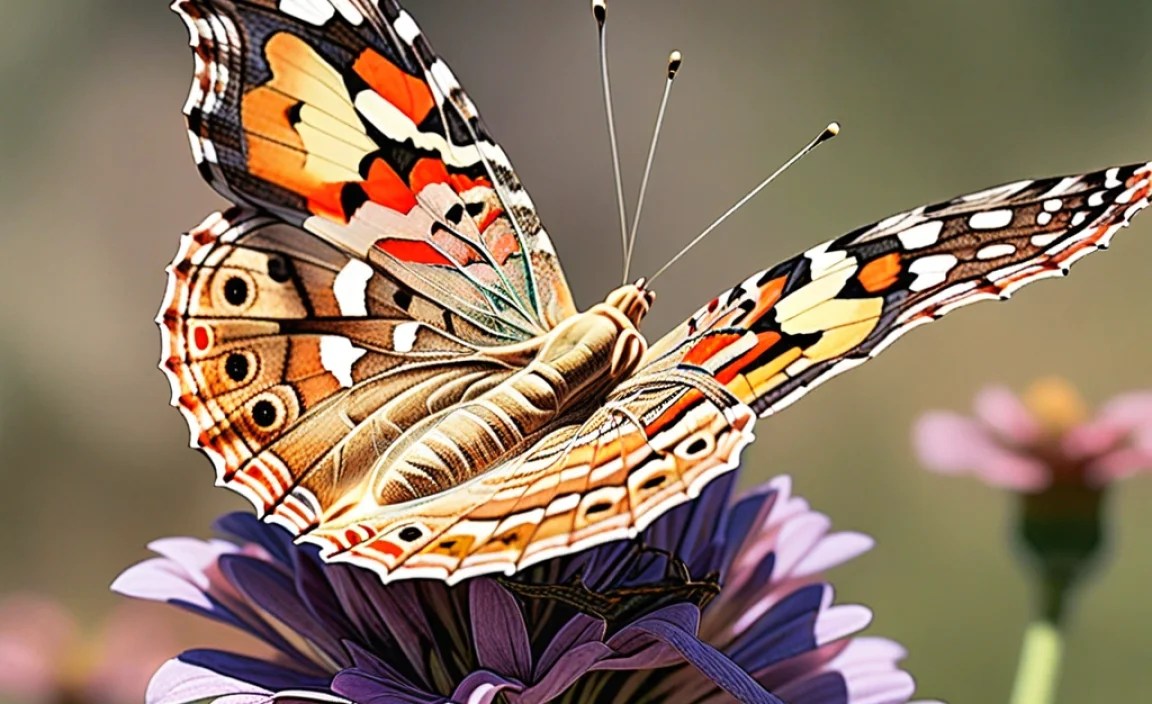
Where is the best place to see painted lady butterflies? Some states have more sightings than others. California often has many painted ladies. This is because they start their migration there. As they fly north, other states see them. Texas and Arizona are also good places to spot them. These states have warm weather and lots of flowers. The butterflies need these things to survive. You can check online maps to see painted lady butterfly sightings by state. These maps show where people are seeing them. Remember, sightings change each year. It depends on the weather and food. But some states are usually better than others. So, plan your butterfly-watching trip carefully!
- California is a common starting point.
- Texas and Arizona have warm weather.
- Check online maps for recent sightings.
- Look for areas with lots of flowers.
- Consider the time of year.
Imagine you want to see lots of painted lady butterflies. You check the maps of painted lady butterfly sightings by state. You see that California has the most sightings this year. You decide to take a trip there. You visit a field with lots of colorful flowers. Soon, you see dozens of painted ladies fluttering around. They are drinking nectar from the flowers. You take pictures and report your sightings online. You helped scientists track the butterfly migration. It was an exciting and educational trip. You learned a lot about these beautiful insects. Next time, you might check a different state!
Why Is California a Hotspot?
Have you ever wondered why some places have more butterflies? California is often a hotspot for painted lady butterflies. This is because they breed there in the spring. Warm weather helps the caterpillars grow quickly. There are also many thistles in California. Thistles are a favorite food for painted lady caterpillars. As the butterflies grow, they start to migrate. They fly north, looking for more food and places to lay eggs. People report painted lady butterfly sightings by state. This shows how the butterflies spread out from California. If you want to see lots of painted ladies, California is a good place to start.
What About Other Western States?
Do painted ladies only live in California? No, they fly to many other states too! Other western states like Arizona and Nevada also have sightings. These states have deserts and mountains. The butterflies can find different kinds of flowers there. They lay eggs and continue their journey north. People report painted lady butterfly sightings by state. This helps us see where the butterflies are going. Some years, there are lots of butterflies in these states. Other years, there are fewer. It depends on the weather and the plants. But western states are always worth checking for painted ladies.
Are There Sightings in the East Coast?
Do painted ladies only live in the west? No, they can be found on the East Coast too! Painted lady butterfly sightings by state happen all over the United States. The butterflies migrate across the country. They fly from south to north. Some years, there are lots of painted ladies on the East Coast. Other years, there are not as many. It depends on the weather and the food supply. But keep an eye out for them! You might see a painted lady in your backyard. Report your sighting to help scientists track their journey. Even on the East Coast, they flutter by.
Fun Fact or Stat: Painted lady butterflies are one of the most widespread butterfly species in the world, found on every continent except Antarctica!
How Weather Affects Painted Lady Sightings

Does the weather matter to butterflies? Yes, it does! Weather plays a big role in painted lady butterfly sightings by state. Warm weather helps the caterpillars grow. They need warmth to eat and turn into butterflies. Rain can also help. But too much rain can wash away their food. Droughts can be bad too. If there is not enough water, the plants die. Then the caterpillars have nothing to eat. Wind can also affect butterflies. Strong winds can make it hard for them to fly. They might stay in one place until the wind stops. So, weather is very important for painted ladies. It affects where they live and how many there are.
- Warm weather helps caterpillars grow.
- Too much rain can wash away food.
- Droughts can kill the plants.
- Strong winds make it hard to fly.
- Weather affects their migration patterns.
Imagine a summer with lots of rain. The plants grow tall and green. There are lots of thistles for painted lady caterpillars to eat. The caterpillars grow quickly and turn into butterflies. People report lots of painted lady butterfly sightings by state. It is a great year for butterflies! But imagine a different summer. There is not much rain. The plants dry up and die. The caterpillars do not have enough to eat. Fewer butterflies grow. People do not see as many painted ladies. This shows how important weather is for these beautiful insects. It can make a big difference in their lives.
What Happens During a Drought?
Have you ever seen a dry, cracked field? That is what a drought looks like. Droughts can hurt painted lady butterflies. When there is not enough rain, plants die. The caterpillars need plants to eat. If the plants die, the caterpillars starve. Fewer caterpillars turn into butterflies. This means fewer painted lady butterfly sightings by state. Droughts can also make it harder for butterflies to find water. They need water to survive. So, droughts are very bad for painted ladies. We need to protect our water so the butterflies can thrive.
How Does Temperature Play a Role?
Do you like being warm or cold? Painted lady butterflies like being warm. Warm temperatures help them grow. Caterpillars need warmth to eat and change. Butterflies need warmth to fly. If it is too cold, they cannot move. They might freeze and die. Warm temperatures mean more painted lady butterfly sightings by state. But it cannot be too hot either. Extreme heat can also hurt them. So, the right temperature is important. Not too hot, not too cold, just right for butterflies.
Can Wind Affect Butterfly Migration?
Have you ever tried to fly a kite on a windy day? It can be hard! Wind can also affect butterfly migration. Strong winds can push butterflies off course. They might end up in the wrong place. Wind can also make it hard for them to fly. They have to use more energy to move forward. This can tire them out. Sometimes, butterflies wait for the wind to stop. Then they continue their journey. Painted lady butterfly sightings by state can be affected by wind. If the wind is strong, fewer butterflies might be seen.
Fun Fact or Stat: Painted lady butterflies prefer temperatures between 85 and 95 degrees Fahrenheit!
Favorite Plants That Attract Painted Ladies

Do you want to see more butterflies in your yard? Plant their favorite flowers! Painted lady butterflies love nectar. Nectar is a sweet liquid in flowers. They drink it for energy. Some flowers are better than others for painted ladies. Thistles are a favorite. Their caterpillars also eat thistles. Other good flowers include asters, zinnias, and butterfly bushes. These flowers have lots of nectar. They also have bright colors. The colors attract the butterflies. If you plant these flowers, you will see more painted lady butterfly sightings by state. Your yard will become a butterfly paradise!
- Plant thistles for caterpillars and butterflies.
- Asters and zinnias have lots of nectar.
- Butterfly bushes attract many butterflies.
- Choose flowers with bright colors.
- Plant a variety of flowers for different seasons.
Imagine you are a painted lady butterfly. You are flying north, looking for food. You see a garden full of colorful flowers. You fly down and drink nectar from a zinnia. It is sweet and delicious. You see other butterflies in the garden. They are also drinking nectar. You lay an egg on a thistle plant. Your caterpillar will have food to eat. This garden is a perfect place for painted ladies. People report lots of painted lady butterfly sightings by state in areas with good gardens. You can create a butterfly garden in your own yard!
Why Do Butterflies Love Nectar?
Have you ever had a sugary drink when you were tired? Nectar is like that for butterflies. It gives them energy to fly. Butterflies need lots of energy to migrate. They fly long distances, looking for food and places to lay eggs. Nectar is their fuel. Without it, they would not be able to survive. Painted lady butterflies love nectar from different flowers. They have a long, straw-like tongue called a proboscis. They use it to suck nectar from the flowers. The more nectar they drink, the stronger they become. This helps them on their journey.
What Are the Best Flowers to Plant?
Want to attract painted lady butterflies? Plant their favorite flowers! Some good choices include thistles, asters, zinnias, and butterfly bushes. Thistles are important because the caterpillars eat them. Asters and zinnias have lots of nectar. Butterfly bushes attract many different kinds of butterflies. Choose flowers with bright colors. Butterflies can see these colors easily. Plant a variety of flowers that bloom at different times. This will give the butterflies food all season long. Remember to check painted lady butterfly sightings by state to see what plants work best in your area!
How Can You Create a Butterfly Garden?
Want to make your yard a butterfly haven? It is easy to create a butterfly garden! First, choose a sunny spot. Butterflies like warmth. Then, plant flowers that butterflies love. Include thistles for the caterpillars. Add asters, zinnias, and butterfly bushes for nectar. Provide a water source. A shallow dish of water with pebbles works well. Avoid using pesticides. These can harm the butterflies. Watch for painted lady butterfly sightings by state to learn which plants are most popular in your region. Your garden will become a beautiful place for butterflies to visit.
Fun Fact or Stat: A butterfly’s proboscis is usually curled up, but it unrolls to sip nectar from flowers!
Painted Lady Butterfly Life Cycle and Habits
Do you know how a butterfly grows? It starts as an egg. The egg hatches into a caterpillar. The caterpillar eats and grows. Then, it turns into a pupa, also called a chrysalis. Inside the pupa, the caterpillar changes. It turns into a butterfly. Finally, the butterfly comes out of the pupa. It flies away to find food and lay eggs. This is called the life cycle. Painted lady butterflies go through this life cycle too. Their caterpillars eat thistles. The butterflies drink nectar. They migrate long distances. Understanding their life cycle helps us track painted lady butterfly sightings by state.
- Eggs hatch into caterpillars.
- Caterpillars eat and grow.
- They turn into a pupa (chrysalis).
- Inside, they change into butterflies.
- Butterflies fly away to reproduce.
Imagine you find a tiny egg on a thistle leaf. You watch it every day. Soon, the egg hatches. A small caterpillar crawls out. It starts eating the thistle. It grows bigger and bigger. After a few weeks, it stops eating. It hangs upside down and forms a pupa. You wait patiently. One day, the pupa cracks open. A beautiful painted lady butterfly emerges. It spreads its wings and flies away. You have witnessed the miracle of the butterfly life cycle. You can report your sightings and help scientists track these amazing creatures. Learning about painted lady butterfly sightings by state starts with understanding their beginnings.
What Do Caterpillars Eat?
Are caterpillars picky eaters? Some are! Painted lady caterpillars love thistles. They eat the leaves and flowers. Thistles are prickly plants. But the caterpillars do not mind. They have special jaws for chewing. Thistles provide them with the nutrients they need to grow. Without thistles, they cannot survive. If you want to help painted lady butterflies, plant thistles in your garden. This will give their caterpillars plenty to eat. Remember to check painted lady butterfly sightings by state to see if thistles are common in your area.
How Long Does the Life Cycle Take?
Does it take a long time to become a butterfly? The painted lady life cycle takes about a month. It depends on the weather. Warm weather speeds it up. Cold weather slows it down. The egg stage lasts a few days. The caterpillar stage lasts a few weeks. The pupa stage lasts about a week. Then, the butterfly emerges. It lives for about two weeks. During that time, it flies, drinks nectar, and lays eggs. The whole process is amazing! Tracking painted lady butterfly sightings by state helps us understand their life cycle and journey.
Where Do Butterflies Lay Their Eggs?
Have you ever looked for butterfly eggs? Painted lady butterflies lay their eggs on thistles. They lay one egg per plant. The eggs are tiny and green. They are hard to see. The butterflies choose thistles because the caterpillars eat them. This gives the caterpillars a good start in life. If you find eggs on thistles, leave them alone. Let them hatch and grow. You can help the painted ladies by protecting their eggs. These eggs can show you future painted lady butterfly sightings by state.
Fun Fact or Stat: The painted lady butterfly life cycle from egg to adult is only about 3 to 4 weeks!
How To Report Painted Lady Butterfly Sightings
Have you seen a painted lady butterfly? You can help scientists by reporting your sighting! It is easy to do. First, take a picture if you can. Note the date, time, and location. Be as specific as possible. Describe the butterfly. What color was it? What was it doing? Was it drinking nectar? Was it flying? Then, go to a website or app for reporting butterfly sightings. There are many to choose from. Enter your information. Your sighting will be added to a map. This map helps scientists track painted lady butterfly sightings by state. You are now a citizen scientist!
- Take a picture of the butterfly.
- Note the date, time, and location.
- Describe the butterfly’s appearance.
- Report your sighting online or through an app.
- Become a citizen scientist!
Imagine you are walking in a park. You see a beautiful painted lady butterfly. It is drinking nectar from a flower. You take a picture with your phone. You open a butterfly reporting app. You enter the date, time, and location. You describe the butterfly. You upload your picture. You submit your report. You have just helped scientists track butterfly migrations. Your information will be used to create maps of painted lady butterfly sightings by state. You feel good knowing that you are helping to protect these amazing insects.
What Information Is Needed?
What do you need to report a butterfly sighting? First, you need the date. When did you see the butterfly? Next, you need the time. What time of day was it? Then, you need the location. Where did you see the butterfly? Be as specific as possible. Include the street address, park name, or GPS coordinates. You also need to describe the butterfly. What did it look like? What was it doing? A picture is very helpful. The more information you provide, the more useful your report will be for tracking painted lady butterfly sightings by state.
Which Websites or Apps Can You Use?
Are there good websites for reporting butterflies? Yes, there are many! Some popular choices include Journey North, iNaturalist, and eButterfly. These websites and apps allow you to report your sightings online. You can also see other people’s sightings. This helps you learn about butterfly migrations in your area. Each platform may ask for slightly different information. But they all contribute to a better understanding of painted lady butterfly sightings by state. Choose the one that you like best and start reporting!
Why Is Reporting Sightings Important?
Why should you bother reporting butterfly sightings? It is very important! Your reports help scientists track butterfly migrations. This helps them understand how butterflies are affected by weather, climate change, and habitat loss. By tracking painted lady butterfly sightings by state, scientists can learn how to protect these amazing insects. Your reports can also help other people find butterflies. If you report a sighting in your area, others can go look for them too. Reporting sightings is a simple way to make a big difference.
Fun Fact or Stat: Citizen scientists contribute thousands of butterfly sightings each year, greatly aiding research efforts!
Comparing Painted Lady To Other Butterflies
Are all butterflies the same? No, they are not! There are many different kinds of butterflies. Each kind has its own special features. Painted lady butterflies are different from monarchs, swallowtails, and others. Painted ladies are smaller than monarchs. They have orange and brown wings with spots. Monarchs have orange and black wings with lines. Swallowtails have long tails on their wings. Learning about these differences helps us identify butterflies. It also helps us understand their unique habits. By comparing them, we can better appreciate painted lady butterfly sightings by state.
- Monarchs have orange and black wings.
- Swallowtails have long tails on their wings.
- Painted ladies are smaller than monarchs.
- Each butterfly has unique patterns.
- Different butterflies have different habitats.
Imagine you see a large orange butterfly with black lines. It is probably a monarch. Now imagine you see a smaller butterfly with orange and brown wings and spots. It is likely a painted lady. You can use a butterfly guidebook to help you identify them. Each butterfly has its own special markings. Some have bright colors. Others have camouflage patterns. Some fly during the day. Others fly at night. Learning about these differences makes butterfly watching even more fun. Knowing more helps us track painted lady butterfly sightings by state and understand their travels compared to other species.
How Are Painted Ladies Different From Monarchs?
What makes a monarch different from a painted lady? Monarchs are larger. They have bright orange wings with black lines. Painted ladies are smaller. They have orange and brown wings with spots. Monarch caterpillars eat milkweed. Painted lady caterpillars eat thistles. Monarchs migrate to Mexico for the winter. Painted ladies migrate across North America. Both butterflies are beautiful and important. But they have different habits and needs. These differences can affect painted lady butterfly sightings by state.
What About Swallowtail Butterflies?
Have you ever seen a butterfly with long tails? That is probably a swallowtail! Swallowtails are larger than painted ladies. They have long tails on their wings. Some swallowtails are yellow and black. Others are blue and black. Swallowtail caterpillars eat different plants. It depends on the kind of swallowtail. Swallowtails do not migrate as far as painted ladies. They stay in one area. Their different habits affect their sightings. While both are beautiful, remembering these differences helps us track painted lady butterfly sightings by state with greater accuracy.
Why Is It Important to Identify Butterflies Correctly?
Why does it matter if you know the right butterfly name? Correct identification is important for science! When you report a butterfly sighting, you need to know what kind of butterfly it is. If you report the wrong kind, it can confuse scientists. They might think that a butterfly is in a place where it is not supposed to be. This can lead to wrong conclusions about migration patterns and habitat needs. So, take your time and learn to identify butterflies correctly. It is important for tracking painted lady butterfly sightings by state and protecting these amazing insects.
| Butterfly Type | Size | Wing Color | Caterpillar Food | Migration |
|---|---|---|---|---|
| Painted Lady | Small | Orange/Brown, Spots | Thistles | Long Distance |
| Monarch | Large | Orange/Black, Lines | Milkweed | To Mexico |
| Swallowtail | Large | Yellow/Black, Tails | Various Plants | Short Distance |
| Cabbage White | Small | White, Small Spots | Cabbage, Broccoli | None |
Fun Fact or Stat: There are over 20,000 different species of butterflies in the world!
Summary
Painted lady butterflies are amazing insects. They migrate long distances. They fly across North America. People track painted lady butterfly sightings by state. This helps scientists understand their migration patterns. Weather, food, and habitat affect where they go. You can help by reporting your sightings online. Plant flowers that butterflies love. Learn to identify different kinds of butterflies. By working together, we can protect these beautiful creatures. Knowing more about painted lady butterfly sightings by state ensures these butterflies continue to thrive.
Tracking butterflies is a great way to learn about nature. It is also a fun activity for kids and adults. You can explore your backyard or visit a local park. Look for butterflies on flowers. Take pictures and report your sightings. You will be amazed at what you discover. Painted lady butterfly sightings by state tell a story. It is a story of migration, survival, and beauty.
Conclusion
Painted lady butterflies are fascinating creatures. They travel far and wide. Tracking their sightings helps us learn about their lives. You can join the effort. Report any painted ladies you see. Plant flowers they love in your garden. Understanding painted lady butterfly sightings by state helps protect them. We can all make a difference for these beautiful insects.
Frequently Asked Questions
Question No 1: What do painted lady caterpillars eat?
Answer: Painted lady caterpillars primarily eat thistles. Thistles are prickly plants. But these caterpillars have special jaws that can easily chew them. They also eat other plants, but thistles are their favorite food. If you want to attract painted lady caterpillars to your garden, plant some thistles. Be careful though, thistles can be prickly! Providing the right food helps ensure healthy painted lady butterfly sightings by state.
Question No 2: How far can painted lady butterflies migrate?
Answer: Painted lady butterflies are amazing travelers. They can migrate thousands of miles. They fly from warm areas in the south to cooler areas in the north. They follow the flowers as they bloom. Their migration is one of the longest butterfly migrations in the world. Scientists track painted lady butterfly sightings by state to understand their migration patterns. These butterflies are truly world travelers, and their journey is worth following.
Question No 3: How can I attract painted lady butterflies to my garden?
Answer: To attract painted lady butterflies, plant their favorite flowers. Thistles are important because the caterpillars eat them. Also, plant flowers that provide nectar for the butterflies. Some good choices include asters, zinnias, and butterfly bushes. Make sure your garden has a sunny spot. Butterflies like warmth. Also, provide a water source. A shallow dish of water with pebbles works well. Avoid using pesticides, as these can harm the butterflies. More butterflies mean more painted lady butterfly sightings by state from your garden!
Question No 4: What is the difference between a butterfly and a moth?
Answer: Butterflies and moths are both insects. They both have wings. But they have some key differences. Butterflies are usually more colorful. They fly during the day. They hold their wings upright when they rest. Moths are usually duller in color. They fly at night. They hold their wings flat when they rest. Butterflies also have thin antennae with a club at the end. Moths have feathery antennae. Knowing these differences helps you identify different kinds of insects. It is also helpful when tracking painted lady butterfly sightings by state.
Question No 5: Where can I report my painted lady butterfly sightings?
Answer: You can report your painted lady butterfly sightings on several websites and apps. Some popular choices include Journey North, iNaturalist, and eButterfly. These platforms allow you to submit your observations. You will need to provide the date, time, and location of your sighting. A photo is also helpful. Your reports help scientists track butterfly migrations and understand their populations. Reporting your sightings contributes to a better understanding of painted lady butterfly sightings by state.
Question No 6: Why are painted lady butterfly sightings by state important?
Answer: Tracking painted lady butterfly sightings by state is very important for several reasons. It helps scientists understand their migration patterns. It also helps them assess the health of their populations. By monitoring sightings, scientists can identify potential threats to these butterflies. They can then take steps to protect them. Your reports contribute valuable data that helps conserve these beautiful insects. Plus, it’s fun to be a citizen scientist and contribute to our knowledge of the natural world!