
Swallowtail Butterfly Fast Facts: The Ultimate Guide

Swallowtail Butterfly Fast Facts: Swallowtail butterflies are among the largest and most beautiful butterflies in the world, known for their distinctive “tails” on their hindwings. They come in various colors and patterns, and they play a vital role in pollination. Swallowtails can be found on every continent except Antarctica, making them a truly global butterfly family!
Have you ever been amazed by the vibrant colors and graceful flight of a swallowtail butterfly? These stunning insects are a joy to watch, but there’s so much more to them than just their beauty. Understanding their life cycle, habits, and habitats can deepen your appreciation for these creatures and help you create a butterfly-friendly garden.
In this article, we’ll uncover some fascinating facts about swallowtail butterflies. We’ll explore their unique characteristics, life cycle, and the important role they play in our ecosystem. Get ready to discover the wonderful world of swallowtails!
What Makes Swallowtail Butterflies Special?

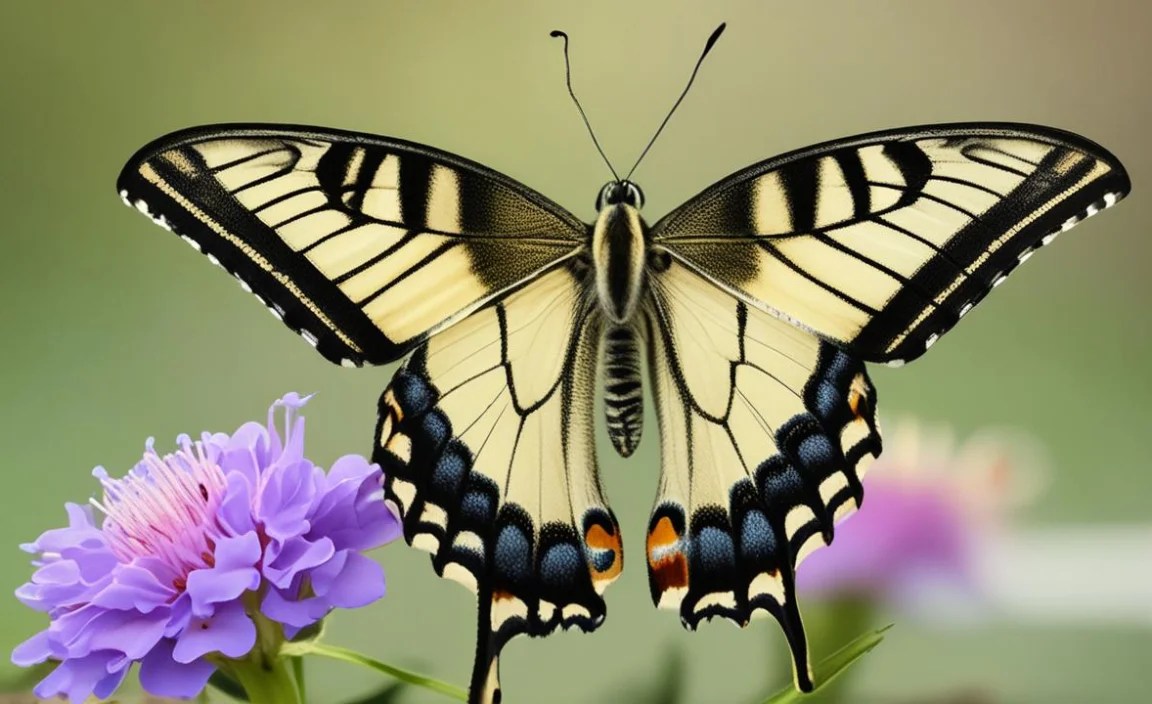
Swallowtail butterflies belong to the family Papilionidae, which includes over 550 different species found around the world. These butterflies are known for their large size, bright colors, and the characteristic “tails” on their hindwings, which resemble the forked tails of swallows. As a naturalist, I’ve always been captivated by their elegance and the intricate patterns on their wings.
Distinguishing Features
Here are some key features that set swallowtail butterflies apart:
- Size: Swallowtails are generally larger than other butterfly species, with wingspans ranging from 2 to 6 inches.
- Tails: Most swallowtail species have distinctive tails on their hindwings, though some species lack them.
- Coloration: They exhibit a wide range of colors, including yellow, black, blue, green, and red, often in striking patterns.
- Flight: Swallowtails are strong fliers, capable of soaring and gliding through the air with ease.
Global Distribution
Swallowtail butterflies can be found on every continent except Antarctica. They inhabit a variety of environments, from tropical rainforests to temperate woodlands and even urban gardens. Their adaptability has allowed them to thrive in diverse ecosystems around the world.
Life Cycle of a Swallowtail Butterfly

Like all butterflies, swallowtails undergo complete metamorphosis, which includes four distinct stages: egg, larva (caterpillar), pupa (chrysalis), and adult. Understanding each stage is crucial for appreciating the butterfly’s journey.
Egg Stage
The life cycle begins with the female swallowtail laying her eggs on host plants. These plants serve as food for the caterpillars once they hatch. The eggs are usually small and round, and their color can vary depending on the species. For instance, the Black Swallowtail often lays its eggs on plants in the carrot family, such as dill, parsley, and fennel.
Larva (Caterpillar) Stage
Once the eggs hatch, the caterpillars emerge. Caterpillars are eating machines, and their primary job is to consume as much food as possible to fuel their growth. They go through several molts, shedding their skin as they grow larger. Some swallowtail caterpillars have fascinating defense mechanisms. For example, the Spicebush Swallowtail caterpillar mimics a bird dropping to avoid predators.
Pupa (Chrysalis) Stage
After reaching their full size, the caterpillars enter the pupa stage. They transform into a chrysalis, a protective shell in which the metamorphosis occurs. The chrysalis can be green or brown, often blending in with its surroundings. Inside the chrysalis, the caterpillar’s body breaks down and reorganizes into the form of a butterfly. This process typically lasts from a few weeks to several months, depending on the species and environmental conditions.
Adult Stage
Finally, the adult butterfly emerges from the chrysalis. Its wings are initially crumpled and wet, but they soon expand and dry. The adult butterfly’s main goals are to reproduce and continue the cycle. They feed on nectar from flowers, using their long proboscis to sip the sweet liquid. Adult swallowtails can live for several weeks, during which they mate and lay eggs, starting the cycle anew.
Popular Swallowtail Species

With over 550 species in the Papilionidae family, there’s a lot of diversity to explore. Here are some of the most well-known and beloved swallowtail butterflies:
Eastern Tiger Swallowtail (Papilio glaucus)
The Eastern Tiger Swallowtail is one of the most recognizable butterflies in North America. Males are typically yellow with black stripes, while females can be either yellow or black. They are often seen fluttering around gardens and woodlands, feeding on nectar from various flowers.
Black Swallowtail (Papilio polyxenes)
The Black Swallowtail is another common species in North America. The males have black wings with a row of yellow spots, while the females have similar markings with iridescent blue scales. Their caterpillars are often found on plants in the carrot family, such as dill, parsley, and fennel.
Giant Swallowtail (Papilio cresphontes)
The Giant Swallowtail is the largest butterfly in North America, with a wingspan of up to 6 inches. It has brown wings with yellow markings and is often found in citrus groves, as its caterpillars feed on citrus leaves.
Spicebush Swallowtail (Papilio troilus)
The Spicebush Swallowtail is named for its host plant, the spicebush. It has black wings with iridescent blue or green scales and pale green spots along the edges. The caterpillars are known for their unique defense mechanism of mimicking bird droppings.
Zebra Swallowtail (Eurytides marcellus)
The Zebra Swallowtail is a distinctive species with long, narrow wings marked with black and white stripes, resembling a zebra. Its caterpillars feed exclusively on pawpaw trees, making it an indicator species for healthy pawpaw populations.
Swallowtail Butterfly Habitats and Host Plants

Creating a butterfly-friendly garden or habitat is a rewarding way to support swallowtail populations. Understanding their habitat preferences and host plant requirements is essential for attracting these beautiful creatures.
Habitat Preferences
Swallowtail butterflies thrive in a variety of habitats, including:
- Gardens: Gardens with a variety of nectar-rich flowers provide a valuable food source for adult butterflies.
- Woodlands: Forests and woodlands offer shelter and host plants for caterpillars.
- Meadows: Open meadows with wildflowers provide both nectar and host plants.
- Parks: Urban parks can serve as important refuges for butterflies in urban areas.
Host Plants
Host plants are plants that caterpillars feed on. Planting the right host plants is crucial for attracting swallowtails to your garden. Here are some popular host plants for different swallowtail species:
- Black Swallowtail: Dill, parsley, fennel, carrot
- Eastern Tiger Swallowtail: Wild cherry, tulip tree, ash
- Giant Swallowtail: Citrus, hoptree, prickly ash
- Spicebush Swallowtail: Spicebush, sassafras
- Zebra Swallowtail: Pawpaw
By providing both nectar sources for adult butterflies and host plants for caterpillars, you can create a welcoming habitat for swallowtails in your backyard.
Swallowtail Butterfly Behavior
Swallowtail butterflies exhibit a range of fascinating behaviors, from their feeding habits to their defense mechanisms. Observing these behaviors can provide valuable insights into their lives.
Feeding Habits
Adult swallowtails primarily feed on nectar from flowers. They use their long proboscis, a straw-like appendage, to sip nectar from blossoms. They are particularly fond of flowers with bright colors and sweet fragrances. Some of their favorite nectar sources include:
- Butterfly bush (Buddleja davidii)
- Zinnia (Zinnia elegans)
- Lantana (Lantana camara)
- Milkweed (Asclepias spp.)
- Coneflower (Echinacea spp.)
Defense Mechanisms
Swallowtail butterflies have evolved various defense mechanisms to protect themselves from predators. Some caterpillars mimic bird droppings to avoid detection, while others have bright colors that warn predators of their toxicity. Adult butterflies may have tails that can be sacrificed to escape an attack. When a predator grabs the tail, the butterfly can fly away, leaving the predator with only a small piece of its wing.
Migration Patterns
Some swallowtail species, such as the Pipevine Swallowtail, exhibit migratory behavior. They migrate to warmer climates during the winter months and return to their breeding grounds in the spring. Migration patterns can vary depending on the species and geographic location. For example, the Eastern Tiger Swallowtail does not typically migrate but may move locally in response to changing environmental conditions.
Conservation Status and Threats
While many swallowtail species are relatively common, some are facing threats due to habitat loss, pesticide use, and climate change. Understanding their conservation status and the challenges they face is crucial for protecting these magnificent butterflies.
Habitat Loss
Habitat loss is one of the most significant threats to swallowtail butterflies. As natural habitats are converted into agricultural land, urban areas, and industrial sites, butterflies lose their food sources and breeding grounds. Protecting and restoring natural habitats is essential for ensuring the survival of swallowtail populations.
Pesticide Use
Pesticides can have devastating effects on butterflies and other insects. Insecticides can directly kill butterflies, while herbicides can eliminate their host plants. Reducing pesticide use and promoting organic gardening practices can help protect butterflies from these harmful chemicals.
Climate Change
Climate change is altering the distribution and phenology of many butterfly species. As temperatures rise and weather patterns change, butterflies may struggle to adapt to new conditions. Conserving natural habitats and reducing greenhouse gas emissions are important steps in mitigating the impacts of climate change on butterflies.
Conservation Efforts
Various conservation organizations and individuals are working to protect swallowtail butterflies. These efforts include:
- Habitat restoration and preservation
- Promoting butterfly-friendly gardening practices
- Educating the public about the importance of butterflies
- Supporting research on butterfly populations and conservation needs
By supporting these efforts and taking action in your own backyard, you can help ensure that swallowtail butterflies continue to thrive for generations to come. The Xerces Society is a great resource for learning more about butterfly conservation.
Attracting Swallowtail Butterflies to Your Garden
Creating a butterfly garden is a wonderful way to attract swallowtail butterflies and support their populations. Here are some tips for designing a butterfly-friendly garden:
Choose the Right Plants
Select a variety of nectar-rich flowers that bloom at different times of the year. Include host plants for swallowtail caterpillars. Consider plants native to your region, as they are often best suited to local conditions and provide the most nutritious food for butterflies.
Provide a Water Source
Butterflies need water to stay hydrated. Provide a shallow dish of water with pebbles or marbles for them to land on. This will prevent them from drowning.
Offer Shelter
Butterflies need shelter from wind and rain. Plant shrubs and trees to provide them with protected areas. You can also create a butterfly house or shelter using natural materials.
Avoid Pesticides
Pesticides can harm or kill butterflies. Avoid using pesticides in your garden, and choose organic gardening practices instead. Encourage natural predators, such as birds and ladybugs, to control pests.
Provide Sunshine
Butterflies need sunshine to warm their bodies and fly. Choose a sunny location for your butterfly garden, and provide open areas where butterflies can bask in the sun.
Swallowtail Butterflies and Their Ecological Importance
Swallowtail butterflies play a crucial role in our ecosystem. As pollinators, they help to fertilize plants, ensuring the production of fruits, vegetables, and seeds. They also serve as food for other animals, such as birds and lizards. By supporting swallowtail populations, we can help to maintain the health and diversity of our environment.
Pollination
Butterflies are important pollinators, transferring pollen from one flower to another as they feed on nectar. This process is essential for the reproduction of many plants, including crops that we rely on for food. Swallowtail butterflies, with their large size and vibrant colors, are particularly effective pollinators.
Food Source
Caterpillars and adult butterflies serve as food for a variety of animals. Birds, lizards, and other insects prey on caterpillars, while birds, spiders, and other predators feed on adult butterflies. By providing a food source for these animals, butterflies help to support the food web.
Indicators of Environmental Health
Butterflies are sensitive to changes in their environment, making them valuable indicators of environmental health. Declines in butterfly populations can signal problems such as habitat loss, pollution, and climate change. By monitoring butterfly populations, we can gain insights into the health of our ecosystems and take action to protect them.
Swallowtail Butterfly Symbolism and Cultural Significance
Throughout history, butterflies have been symbols of transformation, beauty, and hope. In many cultures, they are seen as messengers from the spirit world. Swallowtail butterflies, with their distinctive tails and vibrant colors, hold a special place in art, literature, and folklore.
Transformation
The metamorphosis of a butterfly from a caterpillar to a winged adult is a powerful symbol of transformation and rebirth. This symbolism is often associated with personal growth, spiritual awakening, and new beginnings. Swallowtail butterflies, with their dramatic transformation, embody this symbolism in a particularly striking way.
Beauty
Butterflies are admired for their beauty and grace. Their vibrant colors, intricate patterns, and delicate wings have inspired artists and poets for centuries. Swallowtail butterflies, with their elegant tails and striking markings, are among the most beautiful of all butterflies.
Hope
Butterflies are often seen as symbols of hope and optimism. Their ability to emerge from a dark chrysalis and take flight represents the triumph of hope over adversity. Swallowtail butterflies, with their resilience and adaptability, remind us that even in the face of challenges, there is always hope for a brighter future.
Swallowtail Butterfly FAQs
What is the lifespan of a swallowtail butterfly?
The lifespan of a swallowtail butterfly varies by species but generally ranges from a few weeks to several months. The adult stage is typically the shortest part of their life cycle, with most of their time spent as eggs, caterpillars, or pupae.
Are swallowtail butterflies poisonous?
Some swallowtail butterflies are poisonous, but this depends on their host plants. For example, the Pipevine Swallowtail caterpillar feeds on the pipevine plant, which contains toxins that make the butterfly poisonous to predators. These butterflies often have bright colors to warn predators of their toxicity.
How can I tell the difference between male and female swallowtail butterflies?
Distinguishing between male and female swallowtail butterflies can vary by species. In some species, males and females have different color patterns or markings. For example, male Eastern Tiger Swallowtails are typically yellow with black stripes, while females can be either yellow or black. In other species, males may have more vibrant colors or distinct scent scales.
What do swallowtail caterpillars eat?
Swallowtail caterpillars eat the leaves of specific host plants. The type of host plant varies by species. For example, Black Swallowtail caterpillars feed on plants in the carrot family, such as dill, parsley, and fennel, while Monarch Butterfly caterpillars feed exclusively on milkweed.
How do swallowtail butterflies protect themselves from predators?
Swallowtail butterflies have various defense mechanisms to protect themselves from predators. Some caterpillars mimic bird droppings to avoid detection, while others have bright colors that warn predators of their toxicity. Adult butterflies may have tails that can be sacrificed to escape an attack.
Are swallowtail butterflies endangered?
While many swallowtail species are not currently endangered, some are facing threats due to habitat loss, pesticide use, and climate change. Conservation efforts are underway to protect these butterflies and their habitats.
What is the best time of year to see swallowtail butterflies?
The best time of year to see swallowtail butterflies depends on the species and geographic location. In general, they are most active during the warmer months, from spring to fall. Look for them in gardens, meadows, and woodlands, where they can find nectar and host plants.
Conclusion
Swallowtail butterflies are truly remarkable creatures, with their stunning beauty, fascinating life cycle, and ecological importance. As a naturalist, I find endless joy in observing these butterflies and learning about their unique characteristics. By understanding their needs and taking action to protect their habitats, we can help ensure that swallowtail butterflies continue to grace our world with their presence. Whether you’re a gardener, a nature enthusiast, or simply someone who appreciates beauty, I encourage you to explore the wonderful world of swallowtail butterflies and discover the magic they bring to our lives.


