
Blue Morpho Citizen News: Powerful New Insights

Have you ever seen a butterfly so bright it looks like the sky? That might be a Blue Morpho! These amazing butterflies are known for their shiny, blue wings. People love to see them in the rainforest. Sometimes, people even report seeing them in unexpected places. This is where Blue Morpho citizen news comes in. Regular people share what they see!
What if you saw a Blue Morpho in your backyard? Would you know what to do? Keep reading to learn more about these beautiful creatures.
Key Takeaways
- Blue Morpho butterflies are famous for their bright blue, shiny wings.
- Their bright colors help them to stand out in the rainforest.
- Citizen news helps scientists track where these butterflies live.
- You can help by reporting your own Blue Morpho sightings.
- Protecting their rainforest homes is key to their survival.
Understanding Blue Morpho Citizen News
Have you ever heard of citizen science? It is when regular people help scientists. They collect information and share what they see. This is how Blue Morpho citizen news works! People report seeing these butterflies in different places. This helps scientists learn more about them. It is like being a detective for nature! This information is very important. Scientists can use it to understand where Blue Morphos live. They can also learn about their behavior. This helps them protect these amazing butterflies. You can be a citizen scientist too! If you see a Blue Morpho, take a picture. Then, report it to a local nature group or science project. Your observations can make a big difference.
- Citizen science helps track Blue Morpho butterflies.
- People report sightings in different areas.
- Scientists use this data to study them.
- You can report your own sightings, too.
- This helps protect Blue Morphos and their homes.
Imagine you are walking in the park. Suddenly, you see a flash of bright blue. It is a Blue Morpho butterfly! You quickly take a picture with your phone. Then, you share it with a local nature group online. This is exactly how citizen news works. Your simple action helps scientists understand where these butterflies are living. It also helps them track how they are moving around. This information is important for conservation. It helps scientists protect their habitat. It also helps them understand the effects of climate change. So, next time you see a Blue Morpho, remember to report it! You can be a part of something big. You can help protect these beautiful creatures for future generations.
Why is Citizen Reporting Important?
Have you ever wondered how scientists know where animals live? It’s not always easy to track them! Citizen reporting helps a lot. When people share what they see, it creates a bigger picture. Scientists can see patterns and understand where animals are going. For example, if many people report seeing Blue Morphos in a new area, scientists can investigate. They can see if the butterflies are moving there because of changes in their habitat. Or maybe they are finding new food sources. Without citizen reports, it would be much harder to track these changes. This is why your observations are so valuable. They help scientists protect animals and their homes.
How Can You Report a Sighting?
Reporting a Blue Morpho sighting is easy! First, take a picture if you can. This helps confirm what you saw. Then, find a local nature group or science project online. Many organizations have websites where you can submit your observations. You will usually need to provide some information. This might include the date, time, and location of your sighting. You might also need to describe the butterfly and its behavior. Don’t worry if you don’t know all the details. Just share what you remember. Every little bit of information helps! Your report can make a real difference in protecting these amazing butterflies.
What Happens After You Report?
After you report a Blue Morpho sighting, what happens next? Scientists and researchers collect all the reports. They use this information to create maps of where the butterflies are living. They can track how their populations are changing over time. This helps them understand if the butterflies are thriving or struggling. If they see that the butterflies are disappearing from certain areas, they can investigate. They can find out what is causing the decline. Then, they can take action to protect them. This might include protecting their habitat, reducing pollution, or educating people about the importance of these butterflies. Your report is a small piece of a much bigger puzzle. It helps scientists protect these amazing creatures.
Fun Fact or Stat: The Blue Morpho’s wings can reflect light, making them appear to disappear and reappear in flight!
Identifying Blue Morpho Butterflies

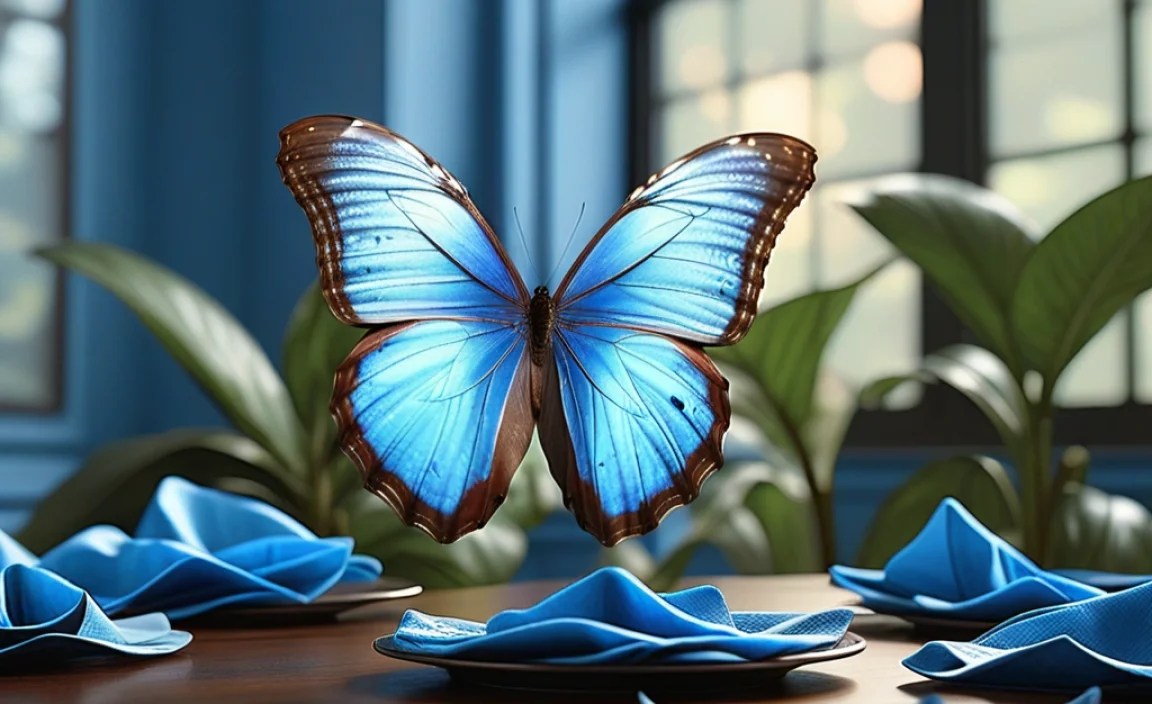
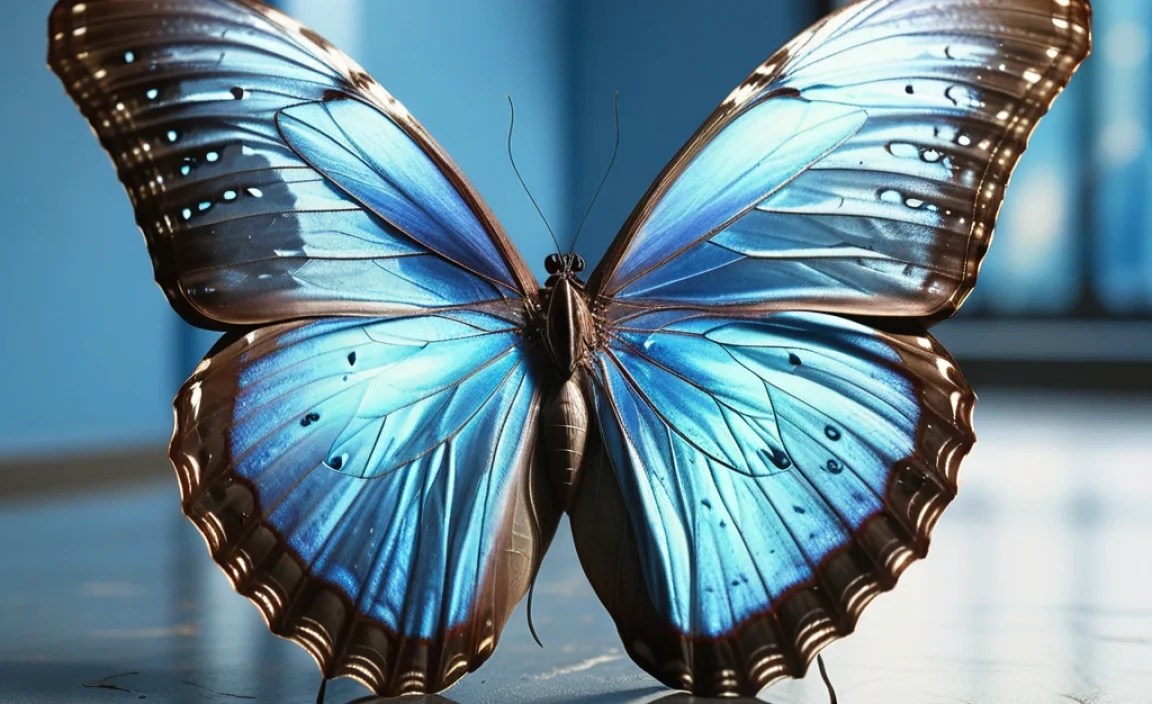
Blue Morpho butterflies are famous for their bright blue wings. But did you know they aren’t blue all the time? The top of their wings is a shiny, bright blue. The bottom is brown with eye-like spots. These spots help them hide from predators. When they fly, they flash their blue wings. This makes them easy to spot. But when they land, they close their wings. Suddenly, they blend in with the leaves! This makes them hard to see. It is like a magic trick! These butterflies are big, too. Their wings can be up to eight inches wide. That is almost as big as your hand! Keep an eye out for these beautiful butterflies. They are truly amazing creatures.
- Blue Morphos have bright blue wings on top.
- The bottom of their wings is brown with spots.
- These spots help them hide from predators.
- They are large butterflies, up to eight inches wide.
- Their bright colors make them easy to spot in flight.
Imagine you are walking through the rainforest. You see a flash of blue. At first, you think it is a bird. But then you realize it is a Blue Morpho butterfly! You watch as it flits from tree to tree. It opens and closes its wings. The bright blue color shines in the sunlight. Then, it lands on a leaf. It closes its wings. Suddenly, it disappears! You can no longer see it. It blends in perfectly with the brown leaves. This is how Blue Morphos use their colors to survive. The bright blue attracts attention when they are flying. The brown and spots help them hide when they are resting. It is a clever way to stay safe in the rainforest.
What Do Blue Morpho Caterpillars Eat?
Before they become butterflies, Blue Morphos are caterpillars. These caterpillars are not blue! They are usually brown or reddish-brown. They have long, bristly hairs. These hairs can irritate your skin if you touch them. Blue Morpho caterpillars eat leaves. They like the leaves of pea plants and other legumes. They can eat a lot of leaves! This helps them grow big and strong. When they are ready, they turn into a chrysalis. Inside the chrysalis, they transform into a butterfly. It is an amazing process!
How Long Do Blue Morpho Butterflies Live?
Blue Morpho butterflies don’t live very long. They only live for about a month. During that time, they focus on finding a mate and laying eggs. They spend their days flying through the rainforest. They drink nectar from flowers. They also eat rotting fruit. This gives them the energy they need to survive. Even though they don’t live long, they make the most of their time. They bring beauty and wonder to the rainforest.
Where Do Blue Morphos Live?
Blue Morpho butterflies live in the rainforests of Central and South America. They like warm, humid places. You can find them in countries like Brazil, Costa Rica, and Mexico. They live in the canopy of the rainforest. This is the highest layer of the forest. They fly among the tall trees and vines. They are often seen near rivers and streams. These areas provide them with the water and food they need. If you ever visit a rainforest, keep an eye out for these beautiful butterflies!
Fun Fact or Stat: The “morpho” in Blue Morpho comes from a Greek word meaning “beautiful” or “well-formed.”
The Importance of Blue Morpho Habitat
Blue Morpho butterflies need rainforests to survive. Rainforests are their home. They provide food, shelter, and a place to raise their young. But rainforests are in danger. People are cutting down trees for wood and to make room for farms. This is called deforestation. Deforestation destroys the habitats of Blue Morphos and other animals. It also contributes to climate change. We need to protect rainforests. This will help Blue Morphos and other animals survive. We can do this by supporting organizations that protect rainforests. We can also reduce our use of paper and wood products. Every little bit helps!
- Blue Morphos need rainforests to live.
- Rainforests provide food and shelter.
- Deforestation destroys their habitats.
- Protecting rainforests is important for their survival.
- We can help by reducing our use of paper.
Imagine a Blue Morpho butterfly trying to find a home. Its rainforest is gone. The trees have been cut down. There is no food or shelter. The butterfly is lost and alone. This is what happens when we destroy rainforests. We take away the homes of these amazing creatures. We need to be careful. We need to protect these important habitats. We can do this by supporting sustainable practices. This means using resources in a way that doesn’t harm the environment. We can also educate others about the importance of rainforests. Together, we can make a difference.
What is Deforestation?
Deforestation is the clearing of forests for other uses. This can include farming, logging, and mining. When forests are cut down, it destroys the habitats of many animals. It also releases carbon dioxide into the atmosphere. This contributes to climate change. Deforestation is a major problem in many parts of the world. It is important to protect forests to prevent further deforestation.
How Does Deforestation Affect Blue Morphos?
Deforestation directly affects Blue Morphos. It destroys their homes. It also reduces the amount of food available to them. When forests are cut down, the butterflies have nowhere to live. They cannot find the plants they need to lay their eggs. They also cannot find the nectar they need to feed. This can lead to a decline in their population.
What Can We Do to Help?
There are many things we can do to help protect rainforests. We can support organizations that work to protect forests. We can reduce our use of paper and wood products. We can also educate others about the importance of rainforests. Even small actions can make a big difference. By working together, we can help protect these important habitats.
Fun Fact or Stat: Rainforests cover less than 6% of the Earth’s surface, but they contain over half of the world’s plant and animal species!
Threats to Blue Morpho Populations
Blue Morpho butterflies face many threats. Deforestation is a big one. Habitat loss makes it hard for them to find food and shelter. Climate change is also a problem. Changes in temperature and rainfall can affect their habitat. Pollution can also harm them. Pesticides and other chemicals can poison them. Collecting them for sale is another threat. People capture them to sell as decorations. We need to protect these butterflies from these threats. We can do this by supporting conservation efforts. We can also reduce our impact on the environment.
- Deforestation destroys their habitats.
- Climate change affects their environment.
- Pollution can poison them.
- Collecting them for sale is a threat.
- Conservation efforts can help protect them.
Imagine a Blue Morpho butterfly trying to survive. Its home is being destroyed. The weather is changing. The air is polluted. People are trying to catch it. It is a tough life! These butterflies face many challenges. We need to help them overcome these challenges. We can do this by being mindful of our actions. We can reduce our carbon footprint. We can avoid using pesticides. We can support sustainable businesses. Every little bit helps to create a safer world for these beautiful creatures.
How Does Climate Change Affect Blue Morphos?
Climate change can have a big impact on Blue Morphos. Changes in temperature and rainfall can affect their habitat. If it gets too hot or too dry, the plants they need to survive may die. This can lead to a decline in their population. Climate change can also affect their breeding cycle. If the weather is not right, they may not be able to reproduce successfully.
What is the Impact of Pollution?
Pollution can harm Blue Morphos in many ways. Pesticides and other chemicals can poison them. Air pollution can damage their wings. Water pollution can contaminate their food sources. Pollution can also weaken their immune systems. This makes them more vulnerable to diseases. We need to reduce pollution to protect these butterflies.
Why is Collecting Them a Problem?
Collecting Blue Morphos for sale can be a big problem. It can reduce their population. If too many butterflies are captured, they may not be able to reproduce enough to maintain their numbers. This can lead to their extinction in certain areas. We need to discourage the collection of these butterflies. We can do this by not buying them and by educating others about the problem.
Fun Fact or Stat: Some people believe that the Blue Morpho symbolizes change, transformation, and joy.
Citizen Science Projects and Blue Morphos
Citizen science projects are a great way to help Blue Morphos. These projects allow people like you to collect data. You can report sightings of Blue Morphos. You can also monitor their habitats. This information helps scientists understand their populations. It also helps them track the threats they face. By participating in citizen science projects, you can make a real difference. You can help protect these amazing butterflies.
- Citizen science helps track Blue Morphos.
- People report sightings and monitor habitats.
- This data helps scientists understand them.
- You can participate in these projects.
- Your contributions can help protect them.
Imagine you are a citizen scientist. You are walking through the rainforest. You see a Blue Morpho butterfly. You take a picture and record the location. You submit your data to a citizen science project. Your information helps scientists understand where Blue Morphos are living. It also helps them track their movements. You are making a valuable contribution to science. You are helping to protect these beautiful creatures.
How Can You Get Involved?
Getting involved in citizen science is easy. There are many projects you can join. Look for projects that focus on butterflies or rainforests. You can find these projects online. You can also contact local nature centers or museums. They may have citizen science programs you can participate in. Once you find a project, follow the instructions. Collect data and submit your observations. Your contributions will help scientists learn more about Blue Morphos.
What Kind of Data Do They Need?
Citizen science projects need different kinds of data. They need information about where Blue Morphos are seen. They need details about their habitat. They also need information about their behavior. This might include what they are eating or how they are interacting with other animals. The more information you can provide, the better. Even simple observations can be valuable.
Why is Citizen Science Important for Conservation?
Citizen science is important for conservation because it allows scientists to collect more data. They can’t be everywhere at once. But with the help of citizen scientists, they can gather information from many different locations. This helps them understand the big picture. It also helps them track changes over time. This information is essential for developing effective conservation strategies.
Fun Fact or Stat: Citizen science projects have helped discover new species and track the spread of invasive species.
Protecting Blue Morphos: What Can You Do?
You can do many things to help protect Blue Morpho butterflies. You can support organizations that protect rainforests. You can reduce your use of paper and wood products. You can avoid using pesticides. You can also educate others about the importance of these butterflies. Even small actions can make a big difference. By working together, we can help protect these amazing creatures.
- Support rainforest conservation groups.
- Reduce your paper and wood use.
- Avoid using harmful pesticides.
- Educate others about Blue Morphos.
- Every small action helps protect them.
Imagine you are a Blue Morpho butterfly’s guardian. You want to protect it from harm. You can start by making small changes in your own life. You can recycle paper. You can buy products made from sustainable materials. You can avoid using pesticides in your garden. You can also talk to your friends and family about the importance of protecting rainforests. By taking these steps, you can create a safer world for Blue Morphos.
How Can You Support Rainforest Conservation?
There are many ways to support rainforest conservation. You can donate to organizations that work to protect rainforests. You can also volunteer your time. You can also support businesses that use sustainable practices. Look for companies that are committed to protecting the environment. By supporting these organizations and businesses, you can help protect rainforests.
Why is Reducing Paper and Wood Use Important?
Reducing paper and wood use is important because it helps protect rainforests. When we use less paper and wood, fewer trees need to be cut down. This helps preserve the habitats of Blue Morphos and other animals. You can reduce your paper use by recycling. You can also use electronic devices instead of paper. You can also buy products made from recycled materials.
How Can You Educate Others?
Educating others is a great way to help protect Blue Morphos. You can talk to your friends and family about the importance of rainforests. You can also share information on social media. You can also write letters to your elected officials. Let them know that you care about protecting rainforests. By spreading the word, you can help raise awareness about the threats facing these butterflies.
Here is a table showing some actionable steps to help protect Blue Morphos:
| Action | Description | Why it Helps |
|---|---|---|
| Reduce Paper Use | Recycle paper, use digital documents. | Decreases demand for logging, protects habitats. |
| Support Conservation | Donate to rainforest protection groups. | Provides funding for habitat preservation. |
| Avoid Pesticides | Use natural pest control in gardens. | Prevents poisoning of butterflies and their food. |
| Educate Others | Share information about Blue Morphos. | Raises awareness and inspires action. |
| Buy Sustainable Products | Choose products made with sustainable materials. | Supports responsible logging and farming practices. |
Fun Fact or Stat: Buying certified sustainable products helps ensure that forests are managed responsibly.
The Future of Blue Morpho Citizen News
Blue Morpho citizen news can grow and improve. More people can get involved. Technology can help us track sightings better. We can use apps and websites to share information. Scientists can use this data to learn even more. We can work together to protect these butterflies. The future of Blue Morpho citizen news is bright!
- More people can participate in citizen news.
- Technology can improve data collection.
- Scientists can learn more from the data.
- Collaboration is key to protecting them.
- The future of citizen news is promising.
Imagine a world where everyone is a citizen scientist. People are reporting sightings of Blue Morphos all over the world. Scientists have a wealth of data to study. They can understand the butterflies’ behavior better than ever before. They can develop effective conservation strategies. Blue Morphos are thriving in their rainforest homes. This is the power of citizen news!
How Can Technology Help?
Technology can play a big role in the future of Blue Morpho citizen news. Apps and websites can make it easier to report sightings. GPS technology can provide accurate location data. Image recognition software can help identify butterflies. Data analysis tools can help scientists analyze the data. Technology can make citizen science more efficient and effective.
What Are the Challenges?
There are some challenges to overcome in the future of Blue Morpho citizen news. One challenge is ensuring data accuracy. We need to make sure that people are reporting sightings correctly. Another challenge is engaging more people. We need to find ways to get more people involved in citizen science. We also need to address privacy concerns. We need to protect the privacy of citizen scientists who are sharing their data.
How Can We Ensure Sustainability?
Sustainability is key to the long-term success of Blue Morpho citizen news. We need to ensure that the project is well-funded. We need to provide training and support to citizen scientists. We also need to build strong partnerships between scientists and the public. By focusing on sustainability, we can ensure that citizen news continues to contribute to the protection of Blue Morphos for many years to come.
Fun Fact or Stat: Many citizen science projects rely on volunteers to collect and analyze data, saving valuable resources.
Summary
Blue Morpho butterflies are beautiful and important creatures. They live in rainforests. Rainforests are in danger. Deforestation and climate change threaten their habitats. Citizen news helps us protect them. People report sightings of these butterflies. Scientists use this information to track them. This helps them understand how to protect them. You can help, too! Report any Blue Morpho sightings you see. Support rainforest conservation. Educate others about these amazing butterflies. Together, we can make a difference.
Conclusion
Blue Morpho butterflies are a treasure. They are part of our planet’s biodiversity. We must protect them and their rainforest homes. Blue Morpho citizen news is a powerful tool. It helps us understand and protect these butterflies. Let’s all do our part to ensure their future. Every action counts. Together, we can make a difference for these beautiful creatures.
Frequently Asked Questions
Question No 1: What is a Blue Morpho butterfly?
Answer: A Blue Morpho butterfly is a large, beautiful butterfly. It is known for its bright blue, shiny wings. These butterflies live in the rainforests of Central and South America. They are a favorite sight for many people. They are important for the health of the rainforest ecosystem. They help to pollinate plants. They also serve as food for other animals. Protecting these butterflies is important for the entire rainforest.
Question No 2: Why are Blue Morpho butterflies important?
Answer: Blue Morpho butterflies are important for several reasons. They help to pollinate plants. They also serve as food for other animals. They are a sign of a healthy rainforest ecosystem. These butterflies are also a source of beauty and wonder for people. They remind us of the importance of protecting nature. They are a valuable part of our planet’s biodiversity. Their presence indicates a thriving environment. This is why conservation efforts are so important. They ensure these species continue to flourish.
Question No 3: What is citizen news and how does it help?
Answer: Citizen news is when regular people share information. This can include sightings of animals, changes in the environment, or other observations. This information can be very valuable to scientists. It helps them track populations, monitor habitats, and understand trends. Blue Morpho citizen news involves people reporting sightings of these butterflies. This helps scientists learn more about where they live and how they are doing. This information is used to develop conservation strategies.
Question No 4: How can I report a Blue Morpho sighting?
Answer: Reporting a Blue Morpho sighting is easy. First, take a picture if you can. This helps to confirm what you saw. Then, find a local nature group or science project online. Many organizations have websites where you can submit your observations. You will usually need to provide the date, time, and location of your sighting. You might also need to describe the butterfly and its behavior. Don’t worry if you don’t know all the details. Just share what you remember. Every little bit of information helps.
Question No 5: What are some other ways I can help protect Blue Morpho butterflies?
Answer: There are many ways you can help protect Blue Morpho butterflies. You can support organizations that protect rainforests. You can reduce your use of paper and wood products. You can avoid using pesticides in your garden. You can also educate others about the importance of these butterflies. Even small actions can make a big difference. By working together, we can help protect these amazing creatures. Blue Morpho citizen news is a great way to get involved and contribute to their conservation.
Question No 6: Where can I learn more about Blue Morpho butterflies and rainforest conservation?
Answer: You can learn more about Blue Morpho butterflies and rainforest conservation online. There are many websites and organizations that provide information about these topics. You can also visit your local library or nature center. They may have books, exhibits, or programs about rainforests and butterflies. You can also talk to scientists or conservationists. They can share their knowledge and experiences with you. Learning more is the first step to becoming a protector of these amazing creatures. Remember that being a part of Blue Morpho citizen news also contributes to learning.


